
China EV Charging Station Manufacturer
Choosing between an AC and DC EV charger is an important decision for EV charging projects. The right solution depends on charging speed, vehicle requirements, electrical infrastructure, installation location, operating model, and budget.
For importers and commercial buyers sourcing EV charging equipment from China, understanding the differences between AC and DC charging can make it easier to select the right product specification before requesting quotations from manufacturers.
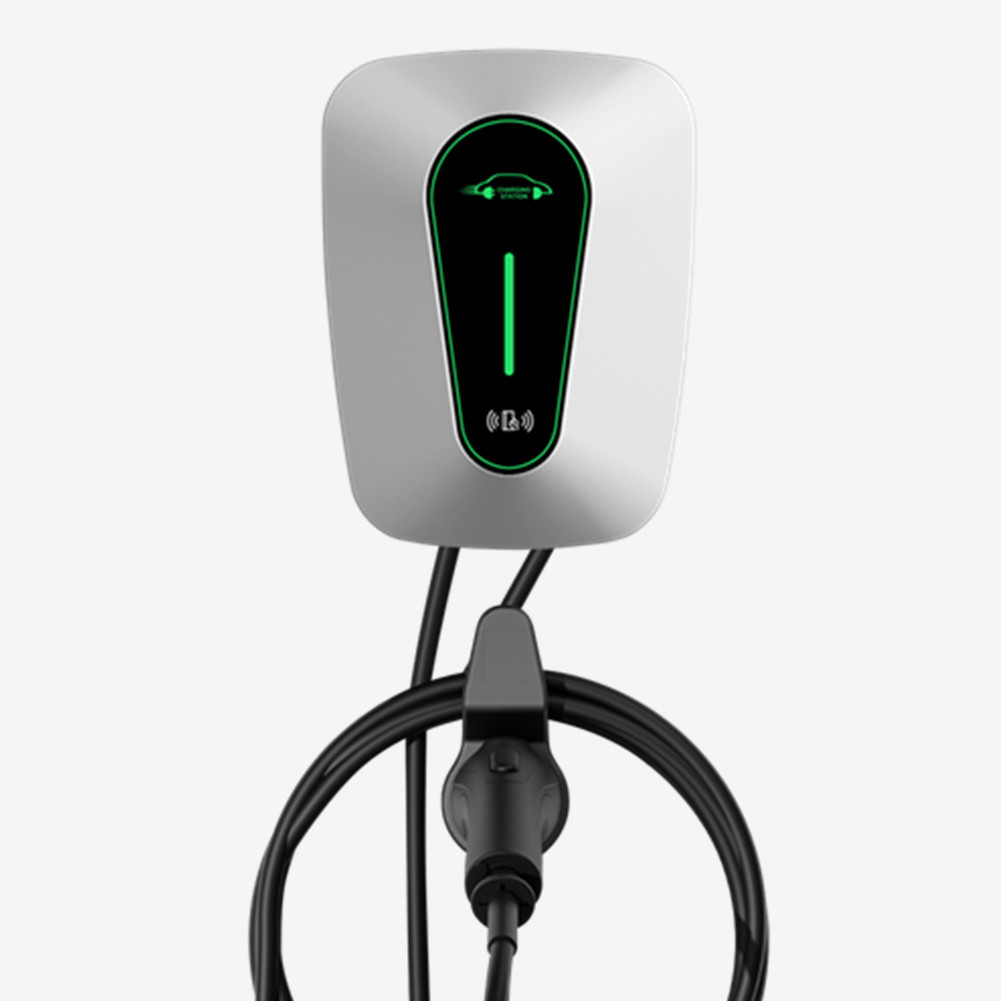
1. What Is an AC EV Charger?
An AC EV charger supplies alternating current to the vehicle.
The vehicle’s onboard charger converts the AC electricity into DC power for the battery.
AC charging is commonly used in locations where vehicles remain parked for several hours, such as:
-
Homes
-
Apartment buildings
-
Offices
-
Hotels
-
Shopping centers
-
Workplace parking
-
Long-term parking facilities
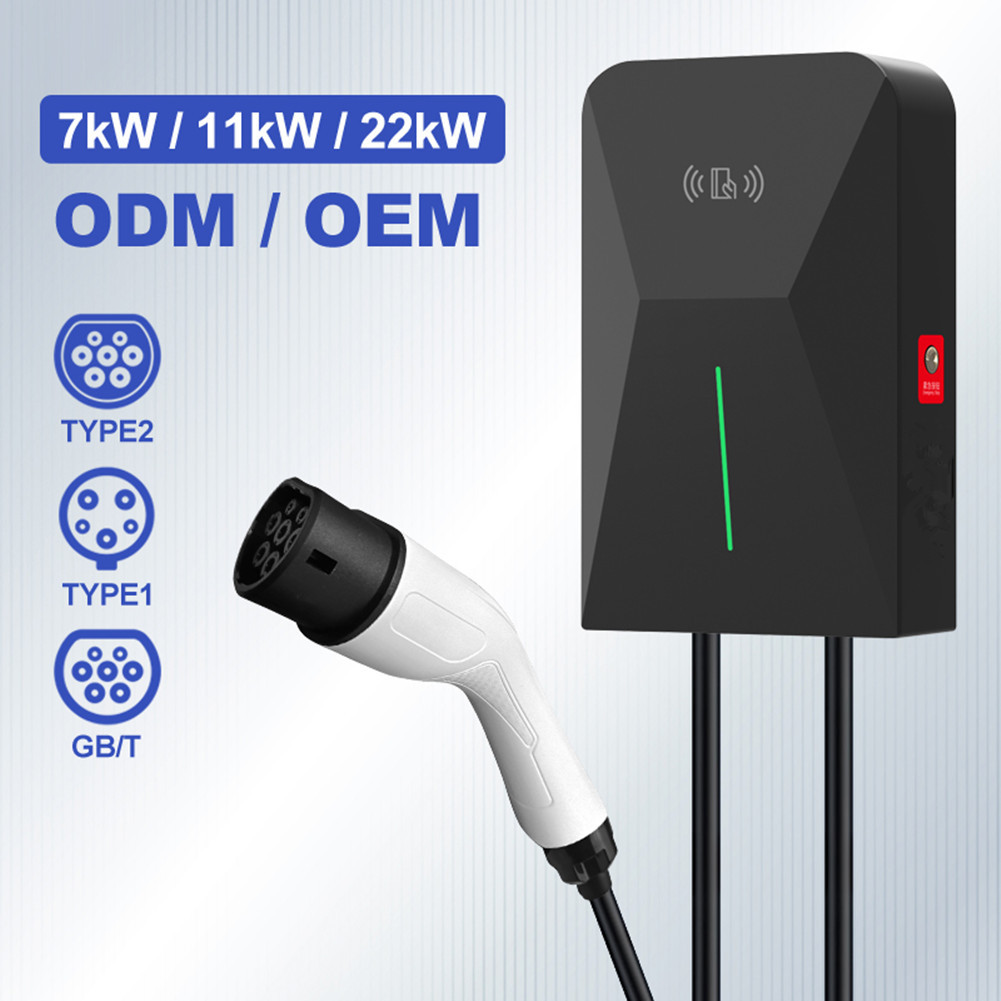
AC chargers are available in different power ratings, with common configurations including 7 kW, 11 kW and 22 kW.
The actual charging speed depends on both the charger and the vehicle’s onboard charging capability.
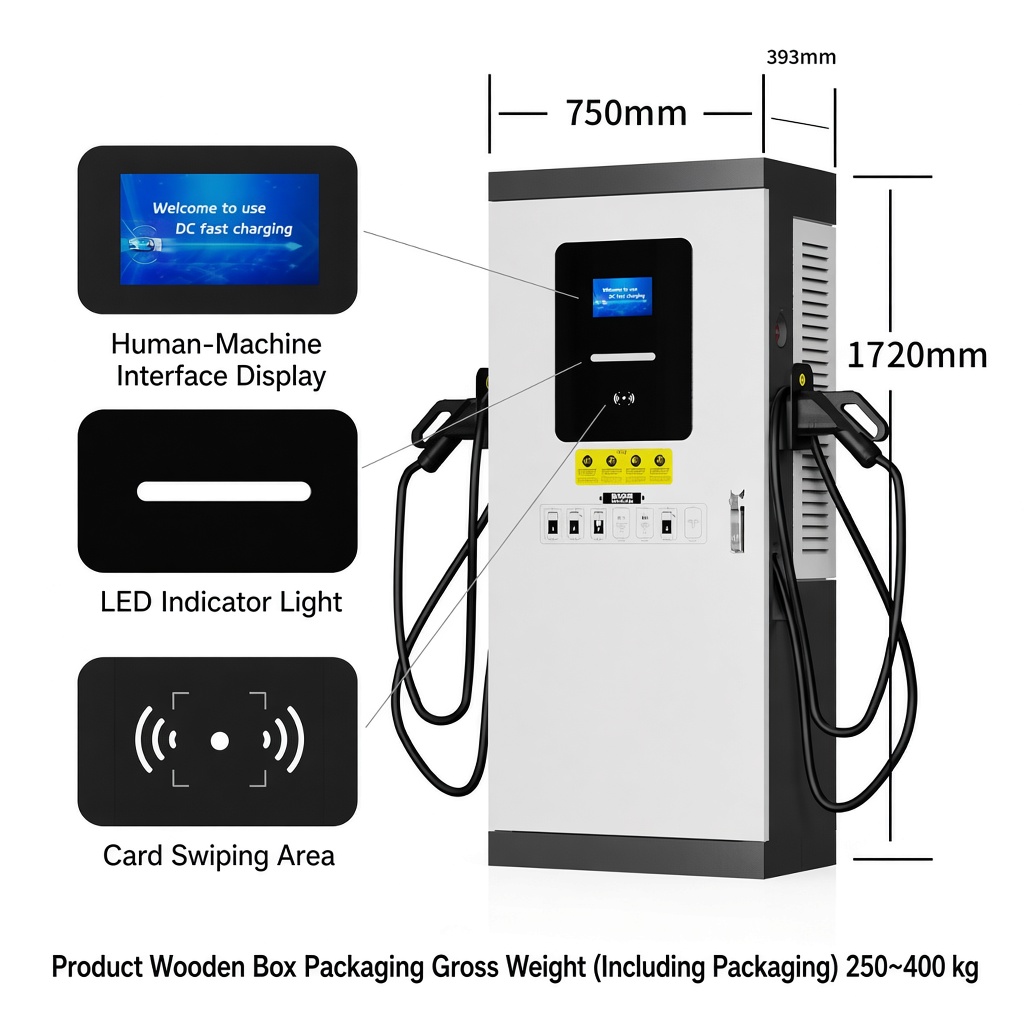
2. What Is a DC Fast Charger?
A DC fast charger supplies direct current to the vehicle’s battery system without relying on the vehicle’s onboard AC charger for the main AC-to-DC conversion.
This allows substantially higher charging power than typical AC charging.
DC charging equipment is commonly considered for:
-
Public charging stations
-
Highway charging locations
-
Commercial parking facilities
-
Fleet operations
-
Logistics facilities
-
Taxi and ride-hailing fleets
-
High-utilization charging sites
Depending on the product, DC chargers can be designed for different power levels and charging configurations.
3. The Main Difference Between AC and DC Charging
The most important difference is where the AC-to-DC conversion takes place.
With AC charging, the conversion is primarily handled by the vehicle’s onboard charger.
With DC charging, the charger performs the conversion before delivering DC power to the vehicle.
This allows DC charging systems to provide much higher charging power.
However, higher charging power also means greater requirements for electrical infrastructure, equipment cost, installation, cooling, protection and site management.
4. AC vs DC Charging Speed
AC charging is generally slower than DC fast charging.
For example, a 7 kW AC charger and a high-power DC charger are designed for very different charging scenarios.
An AC charger can be appropriate when a vehicle remains parked overnight or during working hours.
A DC fast charger is more suitable when the operator wants to recharge vehicles in a shorter period.
However, charging time is not determined by charger power alone.
It can also depend on:
-
Vehicle battery capacity
-
Vehicle charging limit
-
Battery state of charge
-
Battery temperature
-
Charging curve
-
Electrical supply
-
Charger output capability
Therefore, buyers should avoid calculating charging time only from the charger nameplate power.
5. AC Chargers Are Often Suitable for Long Parking Periods
AC charging can be a practical solution when vehicles do not need to leave the parking location quickly.
Typical examples include:
Residential charging
A vehicle may remain connected overnight, making extremely high charging power unnecessary for many users.
Office charging
Employees may park for several hours during the working day.
Hotels
Guests can charge while staying at the property.
Apartment buildings
Residents may use chargers during extended parking periods.
For these applications, installation cost and available electrical capacity can be just as important as charging speed.
6. DC Chargers Are Designed for Faster Charging
DC fast charging becomes more attractive when charging turnover is important.
For example, a commercial charging operator may need vehicles to return to service quickly.
Potential applications include:
-
Highway charging
-
Commercial fleets
-
Electric buses
-
Delivery vehicles
-
Taxi fleets
-
Public charging networks
In these situations, reducing charging time can improve vehicle utilization.
However, the higher charging power of DC equipment generally requires more substantial infrastructure.
7. Compare Electrical Infrastructure
The electrical infrastructure should be considered before selecting the charger.
AC projects may have relatively lower electrical power requirements, depending on the selected charger.
Higher-power DC installations can require:
-
Greater electrical capacity
-
More substantial distribution equipment
-
Additional protection
-
Larger cables
-
Appropriate cooling
-
Professional installation
-
Site-specific electrical planning
Before ordering equipment, commercial buyers should confirm that the installation site can support the required charging power.
8. Compare Installation Costs
The total project cost includes more than the charger itself.
Buyers should consider:
-
Charging equipment
-
Electrical distribution
-
Cables
-
Protection equipment
-
Installation
-
Civil works
-
Networking
-
Communication systems
-
Maintenance
-
Spare parts
A lower-priced charger may not produce a lower overall project cost if the installation requirements are significantly higher.
This is particularly important when comparing AC and high-power DC charging solutions.
9. Consider the Number of Charging Points
The number of chargers at a site can change the equipment selection.
A small residential installation may only require one AC charger.
A commercial parking facility may require multiple AC chargers.
A public charging station may require several high-power DC chargers.
For multi-charger projects, buyers should evaluate the total available electrical capacity rather than considering every charger independently.
Load management may also become important when multiple vehicles are charging simultaneously.
10. Think About the Business Model
The best charging solution also depends on how the charging station will be operated.
For a private home, charging speed may not be the primary concern.
For a workplace, charging duration and employee parking time may be more important.
For a public charging operator, charging speed, utilization, network connectivity and revenue generation can become major considerations.
For a fleet operator, vehicle schedules and daily mileage may determine the required charging power.
The same EV charger is therefore not necessarily suitable for every project.
11. AC vs DC for EV Charger Importers
International buyers sourcing charging equipment from China should provide manufacturers with detailed project information.
Important information includes:
-
Target country
-
Application
-
Charger type
-
Required power
-
Input voltage
-
Number of units
-
Connector configuration
-
Installation environment
-
Communication requirements
-
Certification requirements
-
OEM requirements
-
Packaging requirements
This allows manufacturers to recommend products based on the actual project instead of providing a generic quotation.
12. AC vs DC: A Simple Comparison
Feature |
AC EV Charger |
DC Fast Charger |
|---|---|---|
Charging speed |
Generally slower |
Generally faster |
Typical applications |
Home, office, hotel, apartment |
Public, fleet, highway |
Equipment complexity |
Lower |
Higher |
Infrastructure requirements |
Generally lower |
Generally higher |
Installation cost |
Generally lower |
Generally higher |
Suitable parking time |
Longer |
Shorter |
Charging power |
Lower to medium |
Medium to high |
Commercial use |
Yes |
Yes |
Residential use |
Very common |
Possible but less common |
The exact specifications vary between different charger models and projects.
13. Which One Should You Choose?
Choose an AC EV charger when:
-
Vehicles stay parked for several hours.
-
Charging speed does not need to be extremely high.
-
The project has limited electrical capacity.
-
The installation is residential or workplace-oriented.
-
Lower equipment and installation costs are important.
Consider a DC fast charger when:
-
Vehicles need to recharge quickly.
-
The site has sufficient electrical capacity.
-
Charging turnover is important.
-
The project is designed for public or commercial charging.
-
Fleet vehicles need to return to operation quickly.


No reply content