China Air Compressor Manufacturing Factory
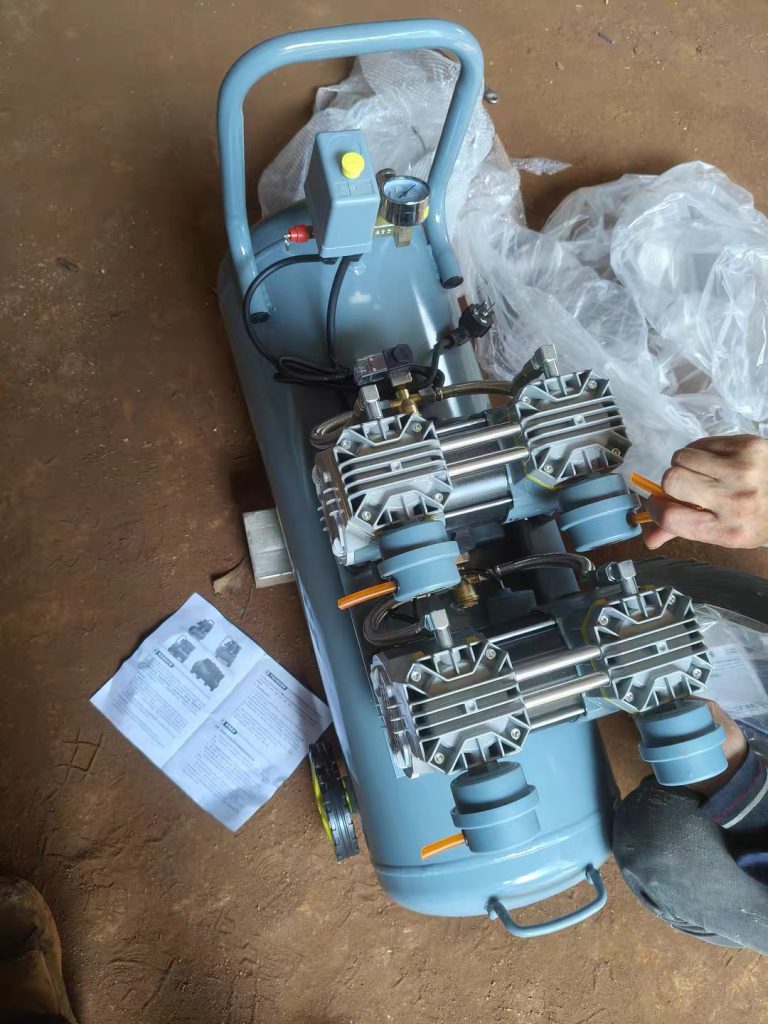
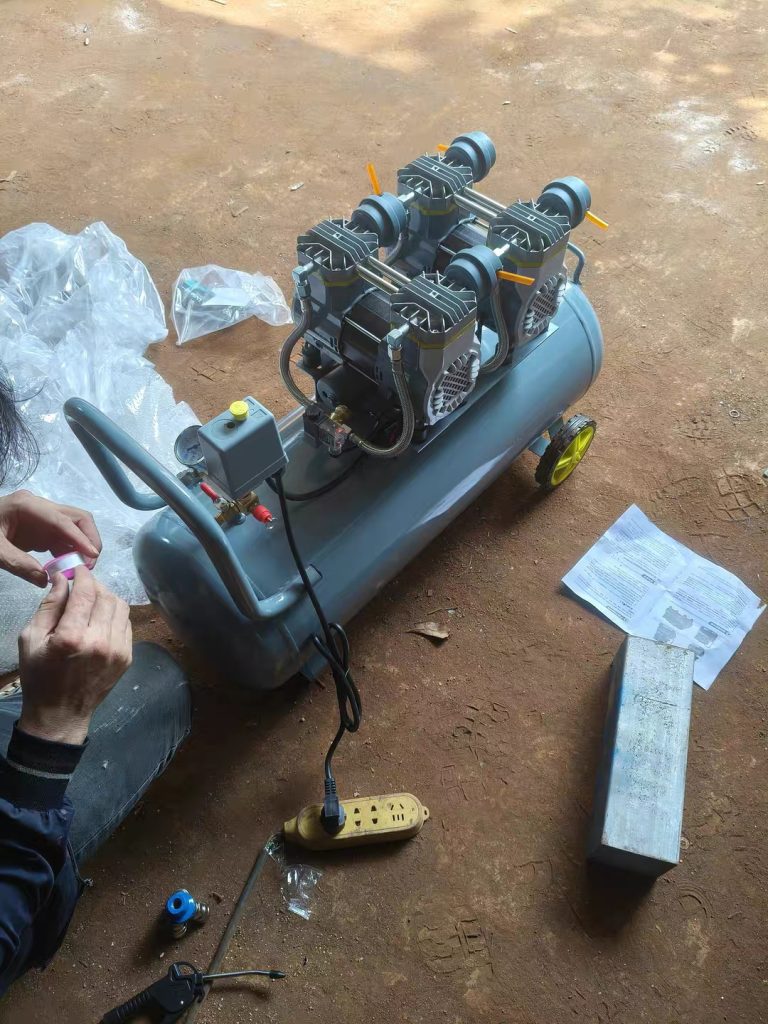
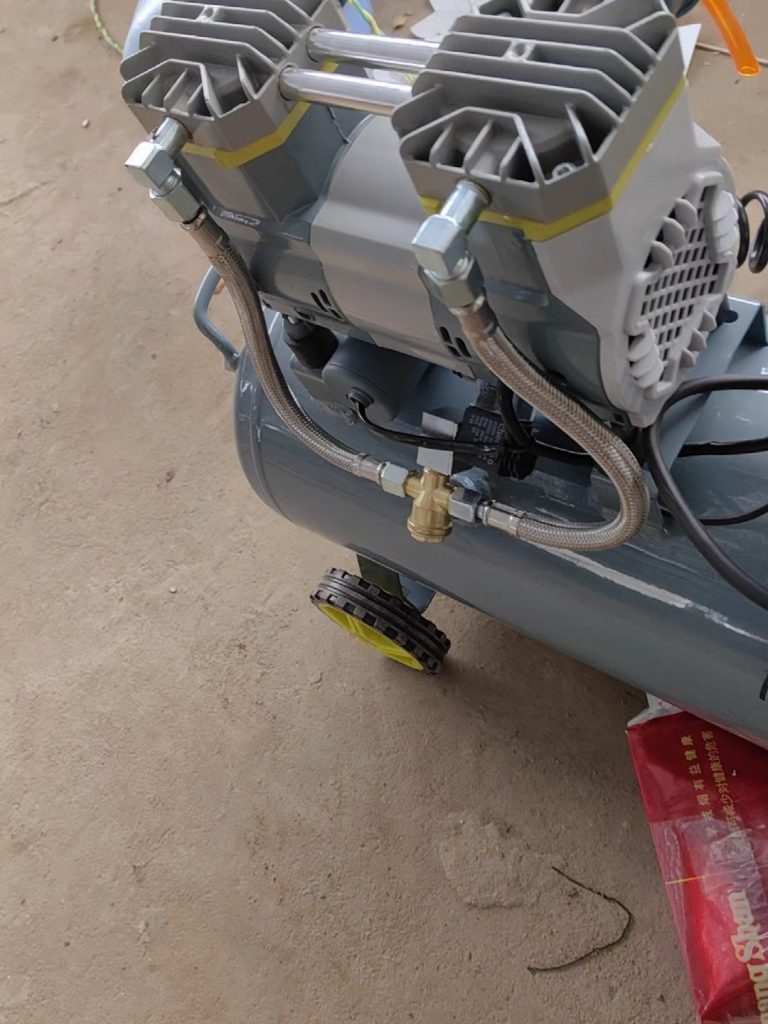
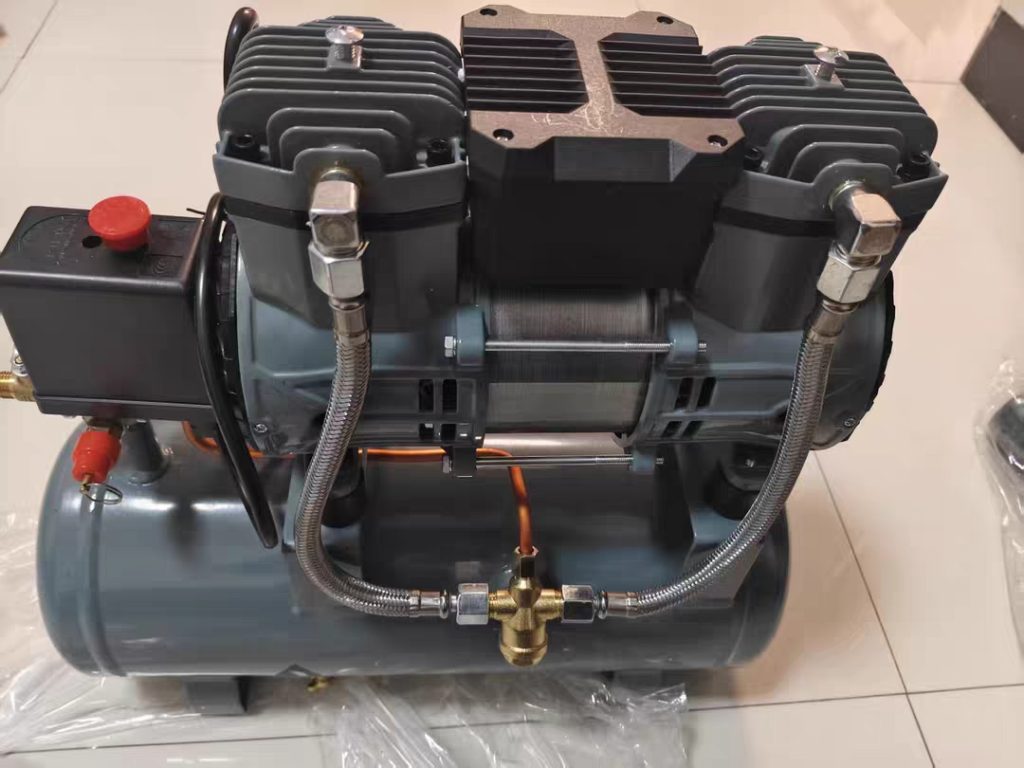
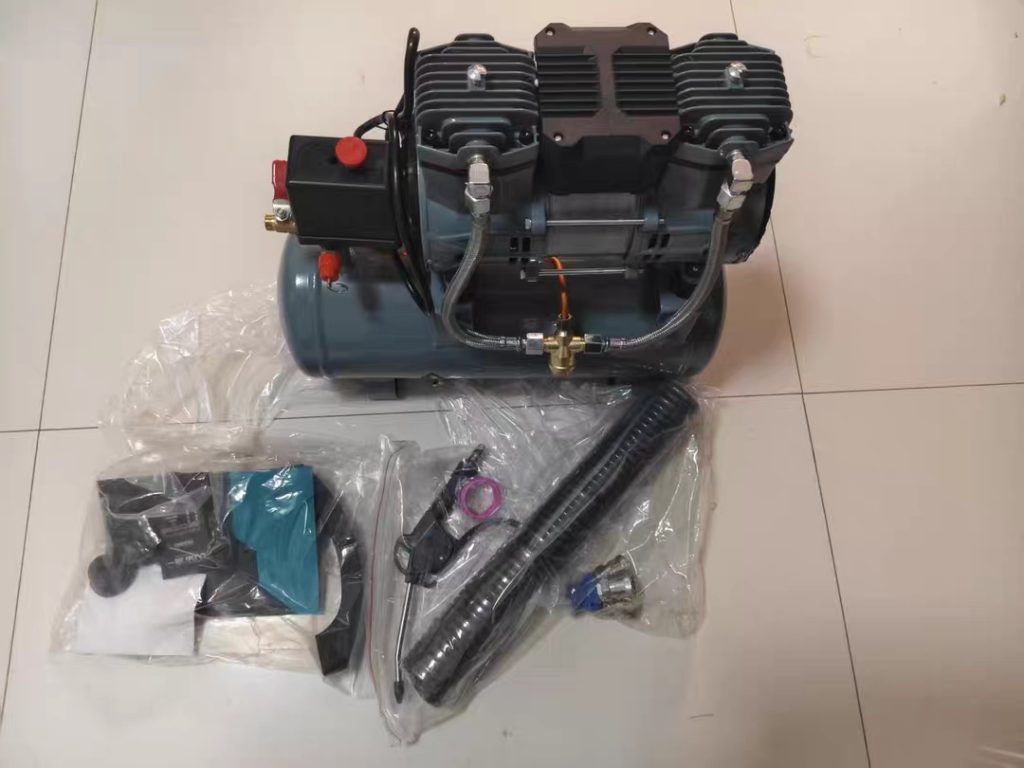
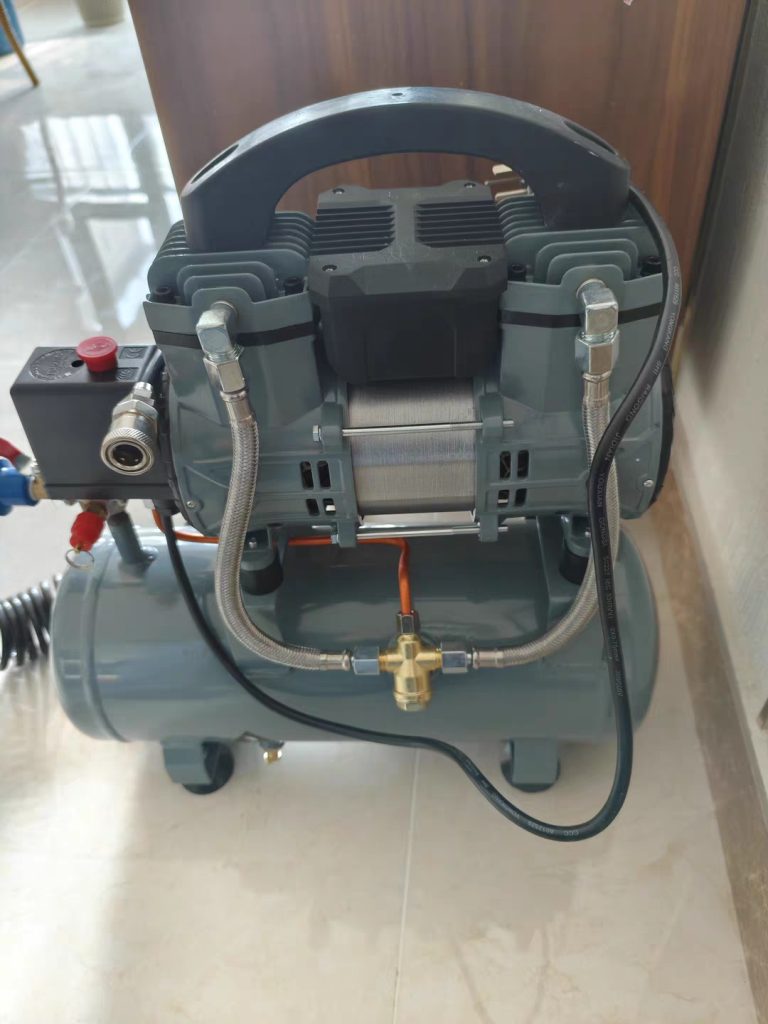
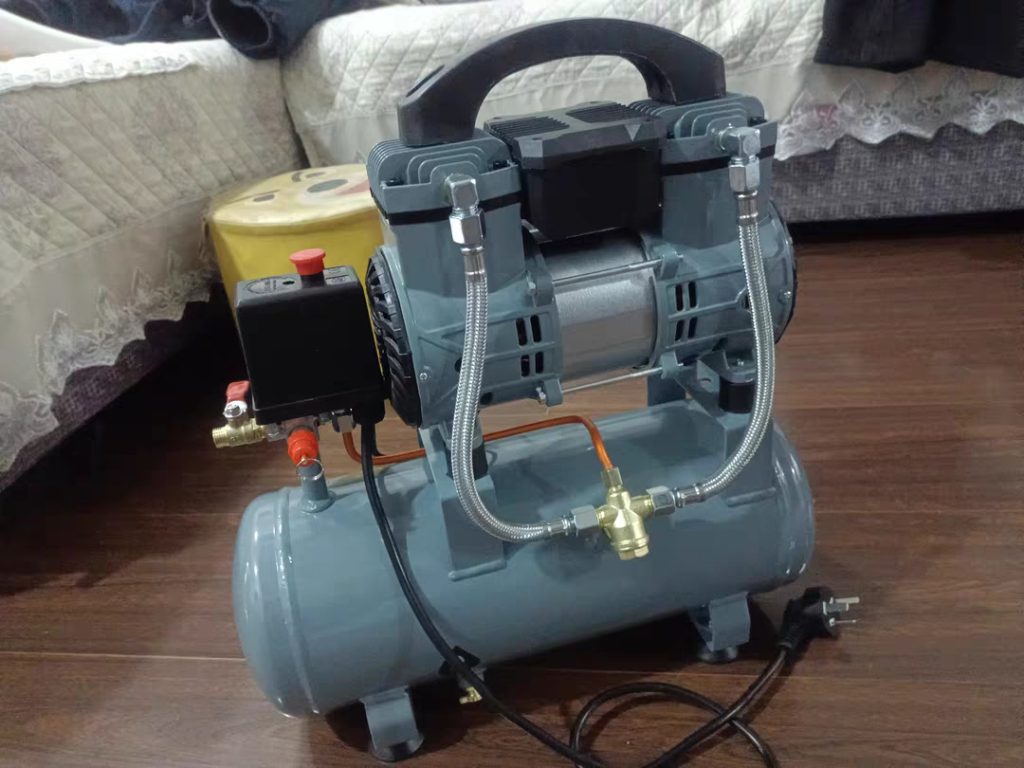
This air compressor buying guide helps you match specs (CFM, PSI, duty cycle) to your application—woodworking, auto repair, manufacturing. Learn to calculate needs, avoid overspending, and choose a model that maximizes efficiency and lifespan.
🧭⚙️🔍 [Small icons: Compass (guide), Gear (specs), Magnifying glass (assessment)]
The Art of Smart Buying: Why Matching Specs to Application Matters
Choosing an air compressor is more than picking the cheapest or most powerful model—it’s about aligning technical specifications with your specific application. A mismatched compressor (e.g., a low-CFM model for a high-demand auto shop) leads to inefficiency, frequent downtime, and wasted money. Conversely, overbuying (e.g., a 100 HP unit for a small woodworking studio) inflates upfront costs and energy bills. This guide demystifies the buying process, teaching you to assess needs, decode specs, and select a compressor that delivers optimal performance for your unique workflow.
Technical Deep Dive: Key Specifications Decoded
To buy wisely, understand the five critical specs that define a compressor’s suitability for your application.
1. CFM (Cubic Feet Per Minute): Airflow Volume
-
What It Is: The volume of air a compressor delivers per minute (at a given PSI).
-
Why It Matters: Determines how many tools you can run simultaneously.
-
Calculation: Sum the CFM requirements of all tools (e.g., 2 nailers @ 3 CFM + 1 spray gun @ 8 CFM = 14 CFM). Add a 20–30% buffer (18–19 CFM).
-
Typical Needs:
-
Light DIY: 2–6 CFM
-
Woodworking/Crafts: 6–15 CFM
-
Auto Repair: 15–30 CFM
-
Manufacturing: 30–100+ CFM
-
2. PSI (Pounds Per Square Inch): Air Pressure
-
What It Is: The force at which air is delivered.
-
Why It Matters: Matches tool pressure requirements (too low = poor performance; too high = tool damage).
-
Typical Needs:
-
Nailers/Staplers: 70–120 PSI
-
Spray Guns: 30–60 PSI
-
Impact Wrenches: 90–150 PSI
-
Heavy-Duty Tools: 150–300+ PSI
-
3. Duty Cycle: Continuous vs. Intermittent Use
-
What It Is: The percentage of time a compressor can run in 10 minutes (e.g., 50% duty cycle = 5 minutes on, 5 minutes off).
-
Why It Matters: Prevents overheating in continuous-use applications.
-
Types:
-
Intermittent (50–70%): DIY, light repair (piston compressors).
-
Continuous (100%): Manufacturing, auto shops (rotary screw compressors).
-
4. Motor Efficiency: IE Ratings & VSD
-
IE Ratings: European efficiency standards (IE1 = basic, IE3 = high, IE4 = premium). IE3/IE4 motors use 15–20% less energy.
-
VSD (Variable Speed Drive): Adjusts motor speed to match demand, cutting energy use by 30–40% in variable-load applications.
5. Tank Size: Storage & Cycling
-
What It Is: Volume of the air storage tank (1–500+ gallons).
-
Why It Matters: Larger tanks reduce cycling (on/off frequency), extending motor life.
-
Guidelines:
-
Portable/DIY: 1–6 gallons
-
Workshops: 20–60 gallons
-
Industrial: 80–500+ gallons
-
Spec Comparison Table
| Application | Typical CFM | Typical PSI | Duty Cycle | Recommended Type |
|---|---|---|---|---|
| DIY Woodworking | 2–6 | 90–120 | 50–70% | Piston (1–2 HP) |
| Auto Repair | 15–30 | 90–150 | 70–100% | Rotary Screw (5–10 HP) |
| Manufacturing | 30–100+ | 100–175 | 100% | Rotary Screw (20–100+ HP) |
| Medical/Lab | 5–15 | 80–120 | 50–70% | Oil-Free Piston (1–3 HP) |
Step-by-Step Buying Process: From Assessment to Purchase
Follow these steps to avoid buyer’s remorse and select the perfect compressor.
1. Assess Your Application Needs
-
List Tools: Write down all pneumatic tools and their CFM/PSI requirements (check user manuals).
-
Usage Frequency:
-
Occasional (1–2 hrs/week): Prioritize portability and low upfront cost.
-
Regular (4–6 hrs/day): Focus on duty cycle and motor efficiency.
-
Continuous (8+ hrs/day): Choose 100% duty cycle models (rotary screw).
-
-
Environment: Consider temperature (water-cooled for >40°C), humidity (moisture separators), and space (vertical tanks save floor space).
2. Match Specs to Needs
-
CFM Calculation: Total tool CFM + 20–30% buffer. Example: 3 tools @ 5 CFM = 15 CFM → choose 18–20 CFM model.
-
PSI Matching: Select a compressor with max PSI 10–20% higher than your highest-tool requirement (e.g., 150 PSI tool → 170 PSI compressor).
-
Duty Cycle: Match to usage (e.g., auto shop = 100% duty cycle).
-
Motor Efficiency: Opt for IE3/IE4 motors or VSD for energy savings.
3. Evaluate Total Cost of Ownership (TCO)
-
Upfront Cost: Piston (100–500), Rotary Screw (1,000–50,000+).
-
Operating Cost: Energy (60–70% of TCO; VSD cuts this by 30%), maintenance (15–20%), downtime (10–15%).
-
ROI Example: A 2,000 rotary screw compressor with VSD saves 500/year in energy vs. a $1,000 piston model—paying for itself in 4 years.
4. Avoid Common Buying Mistakes
-
Overestimating Needs: A 30 CFM compressor for a 15 CFM application wastes 50% energy.
-
Ignoring Duty Cycle: Using a 50% duty cycle piston compressor for continuous use causes overheating.
-
Skipping Maintenance Plans: Extended warranties or service contracts prevent costly repairs.
Application-Specific Buying Recommendations
1. Woodworking & Carpentry
-
Needs: Moderate CFM (6–15), 90–120 PSI, portability.
-
Recommendation: 1–3 HP piston compressor (6–20 gallon tank, oil-lubricated for durability).
-
Avoid: Overkill with rotary screws—piston models suffice for intermittent use.
2. Automotive Repair
-
Needs: High CFM (15–30), 90–150 PSI, continuous duty cycle.
-
Recommendation: 5–10 HP rotary screw compressor (50–80 gallon tank, VSD for variable tool use).
-
Must-Have: Moisture separator (prevents tool rust).
3. Manufacturing & Production Lines
-
Needs: Very high CFM (30–100+), 100–175 PSI, 100% duty cycle.
-
Recommendation: 20–100+ HP rotary screw compressor (parallel configuration for scalability).
-
Critical Feature: IoT monitoring for predictive maintenance.
4. Medical & Laboratory
-
Needs: Clean air (oil-free), low CFM (5–15), 80–120 PSI.
-
Recommendation: Oil-free piston or diaphragm compressor (ASME-certified tank).
-
Compliance: ISO 8573-1 Class 0 (zero oil/particulates).
Maintenance: Protecting Your Investment Post-Purchase
Even the best compressor underperforms without care. Follow this simple plan:
-
Daily: Drain condensate, check oil levels (lubricated models).
-
Monthly: Replace air filters, inspect hoses/fittings.
-
Annually: Overhaul pump (rings/valves), calibrate gauges.
Pro Tip: Sign a service contract with the manufacturer for priority support—critical for industrial users.
Case Study: Small Workshop’s Smart Buying Success
Client Profile: A 2-person woodworking studio in Oregon, needing to run nailers, sanders, and spray guns (total 14 CFM @ 120 PSI). Previously used a mismatched 30 CFM compressor (wasted energy).
Solution: Purchased a 2 HP piston compressor (15 CFM @ 135 PSI, 20-gallon tank, IE3 motor).
Results (12 Months):
-
⬇️ Energy use dropped 40% ($300/year savings).
-
⬆️ Tool performance improved (stable pressure eliminated sander pulsation).
-
⬇️ Maintenance costs halved (proper CFM matching reduced strain).
-
✅ ROI achieved in 8 months.
Global Compliance & Certifications
Ensure your compressor meets safety and performance standards:
| Certification | Region/Focus | Key Benefit |
|---|---|---|
| ASME BPVC | North America (pressure vessels) | Guarantees tank safety (burst-test certified). |
| UL | US (electrical safety) | Prevents electrical hazards. |
| CE | EU (safety/EMC) | Complies with European directives. |
| ISO 9001 | Global (quality management) | Ensures consistent manufacturing. |
Conclusion: Buy Smarter, Not Harder
Buying an air compressor doesn’t have to be overwhelming. By assessing your application, decoding specs (CFM, PSI, duty cycle), and prioritizing TCO, you’ll select a model that boosts efficiency, cuts costs, and lasts for years. Remember: the “best” compressor is the one that matches your needs—not the one with the highest horsepower.
⭐ User Reviews
John D. 🇺🇸
Woodworker, Oregon Studio
⭐⭐⭐⭐⭐
“2 HP piston compressor (15 CFM) is perfect for my nailers and spray gun! Matched my 14 CFM need exactly—no more energy waste. IE3 motor cut my bill by $300/year. ROI in 8 months. Wish I’d bought this sooner!”
Hans R. 🇩🇪
Auto Shop Owner, Bavarian Garage
⭐⭐⭐⭐⭐
“5 HP rotary screw (25 CFM) runs my impact wrenches and bleeders all day. 100% duty cycle = no overheating. VSD saves 30% energy. CE certified, passed German safety checks. Best investment for my shop!”
Priya S. 🇮🇳
Manufacturing Lead, Mumbai Factory
⭐⭐⭐⭐⭐
“30 HP rotary screw (50 CFM) powers our assembly line. IoT monitoring predicted a bearing failure—avoided 2 days downtime. ASME BPVC certified, so no compliance issues. TCO is 20% lower than our old model!”
Emma L. 🇦🇺
Lab Technician, Sydney Research Center
⭐⭐⭐⭐☆
“Oil-free 1.5 HP piston (8 CFM) delivers clean air for our instruments. ISO 8573-1 Class 0 certified, so no contamination. UL listed, safe for lab use. Only wish the tank was bigger, but 6-gallon works for our needs.”
Carlos M. 🇧🇷
DIY Enthusiast, São Paulo Home Workshop
⭐⭐⭐⭐⭐
“1 HP piston (5 CFM) runs my brad nailer and sander. Matched my 4 CFM need with 20% buffer. Cheap upfront cost, low maintenance. Perfect for my weekend projects! Neighbors don’t even notice it.”
Keywords integrated: air compressor buying guide, matching specs to application, CFM PSI calculation, duty cycle, total cost of ownership, VSD air compressor, IE3 motor, ASME BPVC, UL certified, oil-free compressor, woodworking air compressor, auto repair compressor, manufacturing air compressor, small workshop compressor, pneumatic tool requirements, energy efficiency, compressor maintenance


No reply content