China Air Compressor Manufacturing Factory
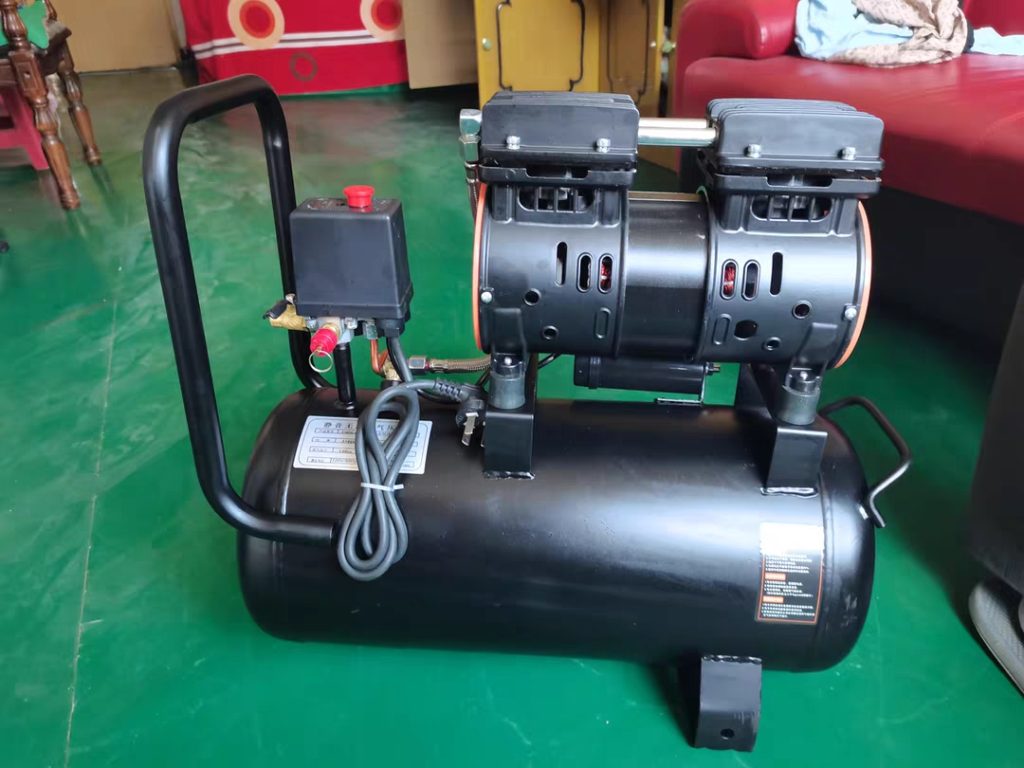
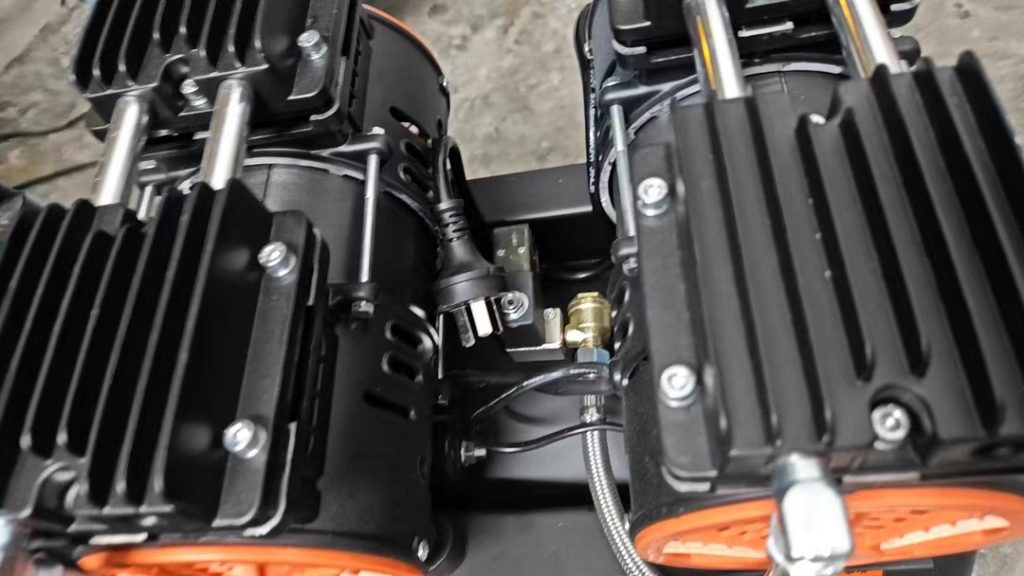

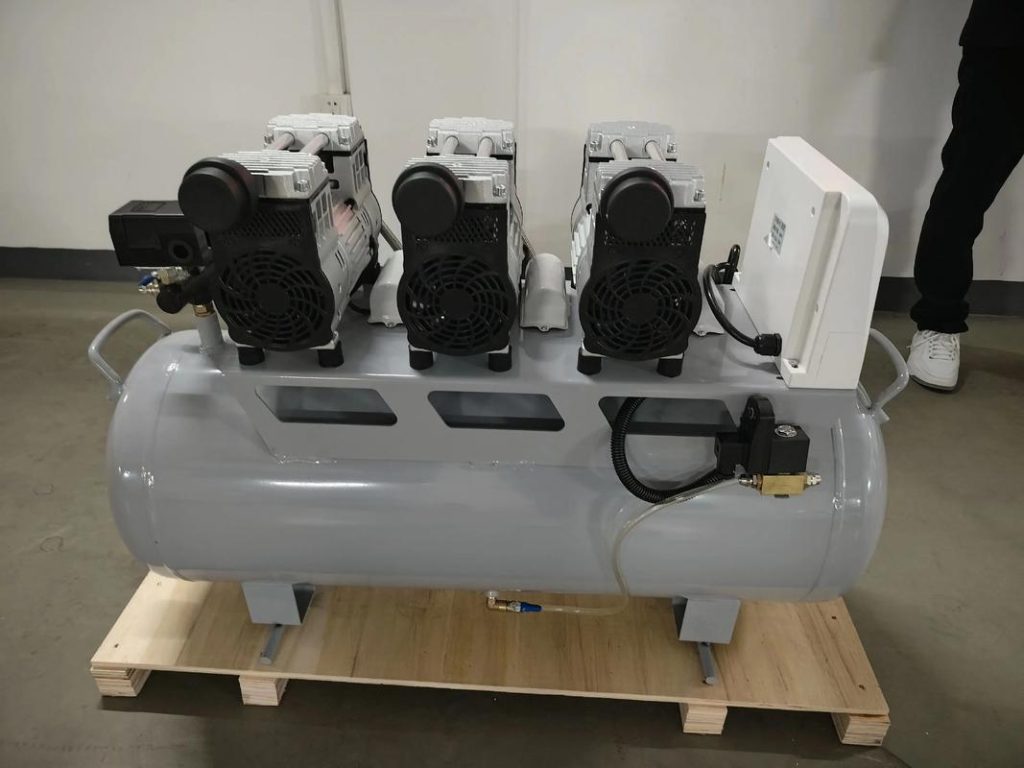
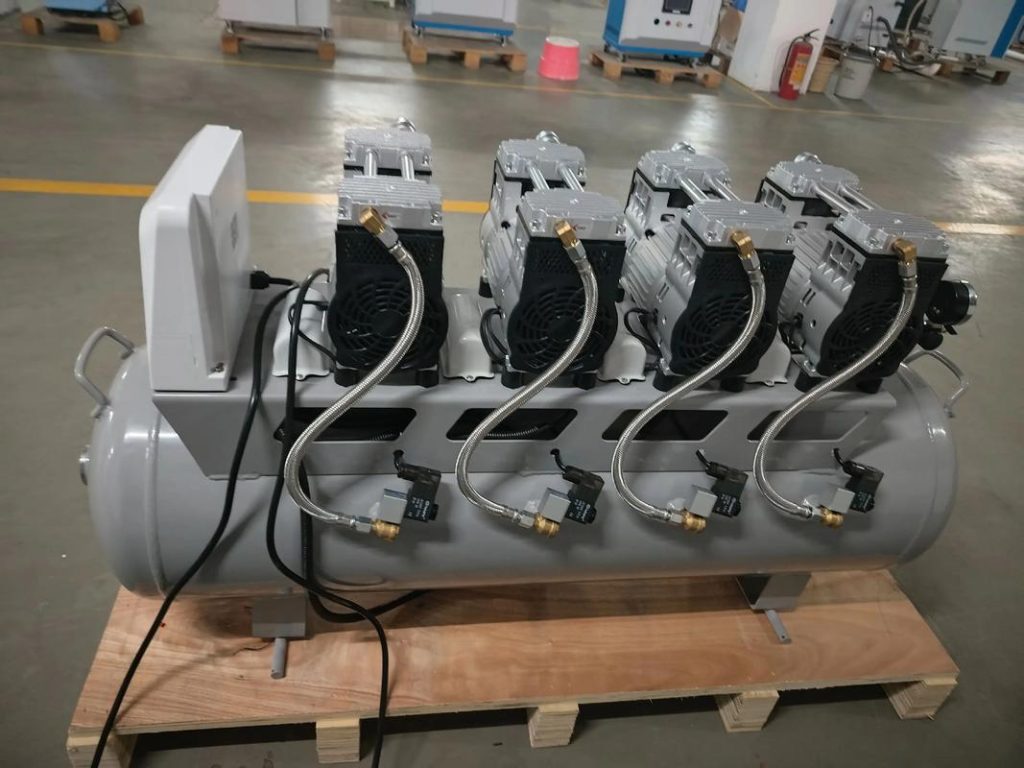
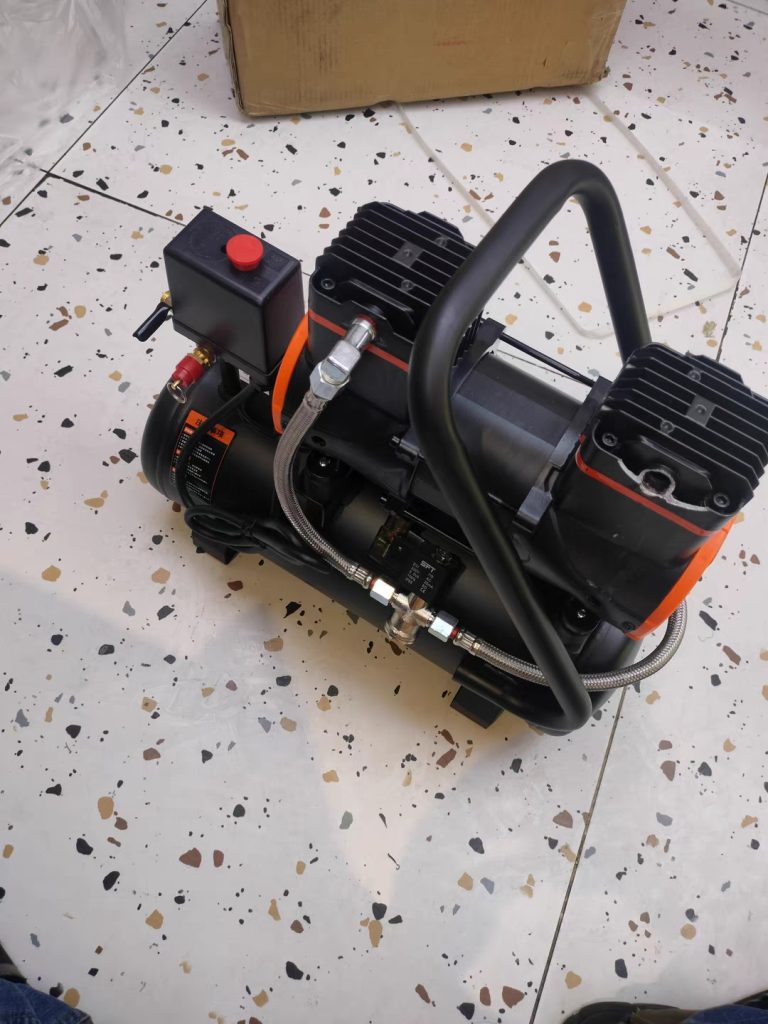
Air compressors for automotive repair deliver instant power for pneumatic tools—tire inflators, impact wrenches, spray guns—ensuring fast, precise repairs. Compact, durable, and energy-efficient, they boost shop productivity and reduce labor time.
🔧🚗💨 [Small icons: Wrench (tools), Car (automotive), Air pump (compression)]
The Engine of Automotive Repair Shops: Why Air Compressors Are Non-Negotiable
In automotive repair, time is money. A single brake pad replacement can take 30 minutes with manual tools but just 10 minutes with pneumatic impact wrenches. Air compressors are the backbone of modern repair shops, converting electrical energy into compressed air to power tools that are 3-5x faster and more precise than manual alternatives. From inflating tires to spraying paint, these devices streamline workflows, reduce technician fatigue, and elevate repair quality. This guide explores how air compressors optimize automotive repair, their key technologies, and how to choose the perfect model for your shop.
Technical Deep Dive: How Automotive Repair Air Compressors Work
Automotive repair air compressors are specialized for intermittent high-demand tasks (e.g., impact wrenches, sanders) and portability (for mobile mechanics). Their design prioritizes quick pressure recovery, compact size, and compatibility with common automotive tools.
1. Core Components: Engineered for Shop Efficiency
| Component | Function | Automotive Repair-Specific Features |
|---|---|---|
| Motor | Powers compression. | 1-5 HP single-phase (120V/240V) induction motors; brushless options for longer life (5,000+ hours). |
| Compression System | Generates airflow. | Piston: Most common (portable, low cost); Rotary Screw: For high-demand shops (continuous use). |
| Air Tank | Stores compressed air for tool supply. | 5-60 gallon tanks (small for mobile, large for fixed shops); ASME-certified for safety. |
| Pressure Regulator | Adjusts output to tool requirements (90-150 PSI). | Digital displays (±1 PSI accuracy) for precise control (e.g., 90 PSI for impact wrenches, 30 PSI for spray guns). |
| Filter/Dryer | Removes moisture/particles to protect tools. | Inline coalescing filters (removes 99% of oil/water) to prevent rust in pneumatic tools. |
2. Key Performance Metrics for Automotive Use
-
Flow Rate (CFM): 2-20 CFM (impact wrenches need 4-6 CFM; spray guns need 8-12 CFM).
-
Pressure (PSI): 90-150 PSI (most tools operate at 90-120 PSI; some require 150 PSI for heavy-duty tasks).
-
Recovery Time: Time to refill tank after use (e.g., 1 minute for 5-gallon tank at 90 PSI).
-
Portability: Weight (30-150 lbs) and handles/wheels for mobile use.
3. Piston vs. Rotary Screw: Which Fits Your Shop?
| Parameter | Piston Compressor | Rotary Screw Compressor |
|---|---|---|
| Use Case | Mobile repair, small shops, intermittent use | Large shops, 8+ hours/day continuous use |
| CFM Output | 2-15 CFM (single-stage); 10-20 CFM (two-stage) | 20-100+ CFM (scalable) |
| Portability | High (30-80 lbs) | Low (200+ lbs; fixed installation) |
| Cost | 100-500 | 1,000-5,000+ |
| Maintenance | Simple (oil changes, filter cleaning) | Complex (separator/valve servicing) |
Why Air Compressors Are Game-Changers in Automotive Repair
1. Speed: Cut Labor Time in Half
Pneumatic tools powered by air compressors work exponentially faster than manual tools. For example:
-
Impact Wrench: Removes lug nuts in 5 seconds (vs. 2 minutes by hand).
-
Brake Bleeder: Drains fluid 3x faster than manual pumps.
-
Tire Inflator: Fills a car tire (35 PSI) in 2 minutes (vs. 10 minutes with a hand pump).
Shop Example: A 3-bay repair shop in Texas reduced average job time by 25% after switching to a 5 HP piston compressor, enabling them to serve 15 more customers/week.
2. Precision: Reduce Errors and Rework
Consistent air pressure ensures tools operate at peak performance:
-
Paint Spray Guns: Stable 40-60 PSI delivers smooth, even coats (no runs/drips).
-
Sanders: Uniform airflow prevents uneven surface finishing.
-
Diagnostic Tools: Pneumatic pressure testers accurately detect leaks in engines/suspensions.
3. Versatility: Power All Shop Tools
A single compressor can run multiple tools simultaneously:
-
Tire Service: Inflators, bead breakers, and impact wrenches.
-
Body Repair: Spray guns, sanders, and rivet guns.
-
Mechanical Work: Impact wrenches, grinders, and staple guns for interior repairs.
Top Applications in Automotive Repair
1. Tire Service & Alignment
-
Tire Inflation: Rapidly inflate tires to manufacturer specs (30-35 PSI for cars, 80-120 PSI for trucks).
-
Bead Seating: Use 90-120 PSI air to seat stubborn tire beads on rims.
-
Wheel Balancing: Power pneumatic balancers for precise weight placement.
2. Brake & Suspension Repair
-
Brake Pad Replacement: Impact wrenches remove/install caliper bolts in seconds.
-
Strut Assembly: Pneumatic drivers secure strut mounts with consistent torque.
-
Brake Bleeding: Air-powered bleeders remove air bubbles faster than vacuum methods.
3. Body & Paint Shops
-
Paint Spraying: HVLP spray guns (8-12 CFM @ 40-60 PSI) deliver factory-quality finishes.
-
Dent Repair: Pneumatic suction cups and hammers reshape panels without damaging paint.
-
Surface Preparation: Air sanders (6-10 CFM @ 90 PSI) smooth filler/rust quickly.
4. Engine & Transmission Work
-
Timing Belt Replacement: Impact wrenches loosen/tighten crankshaft pulleys.
-
Transmission Fluid Flush: Air-powered pumps exchange fluid 2x faster than gravity methods.
-
Diagnostic Testing: Pneumatic pressure gauges check cylinder compression and vacuum leaks.
How to Choose the Right Air Compressor for Your Automotive Shop
1. Assess Your Shop’s Needs
-
Tool Inventory: List all pneumatic tools and their CFM/PSI requirements (e.g., 2 impact wrenches @ 5 CFM = 10 CFM total). Add a 30% buffer (13 CFM).
-
Usage Frequency: Mobile mechanics need portable models (5-30 lb); busy shops need stationary units (60+ lb).
-
Space Constraints: Small shops prioritize vertical tanks (saves floor space); mobile units need compact designs.
2. Prioritize Key Features
-
CFM Output: Match the highest-demand tool (e.g., spray gun needs 12 CFM → choose 15 CFM model).
-
Tank Size: 5-10 gallons for mobile; 20-60 gallons for fixed shops (larger tanks = less cycling).
-
Portability: Wheels/handles for mobile use; consider 12V DC models for on-site repairs.
-
Noise Level: <80 dB(A) to comply with shop noise regulations (e.g., 75 dB for indoor use).
3. Evaluate Total Cost of Ownership (TCO)
-
Upfront Cost: Piston (100-500), Rotary Screw (1,000-5,000+).
-
Operating Cost: Energy (60% of TCO; look for 80-90% efficient motors), maintenance (20%), tool wear (20% reduction with clean air).
-
ROI: A 300 piston compressor can pay for itself in 3 months via time savings (e.g., 5 extra jobs/week at 100/job = $2,000/month).
Maintenance: Keeping Your Compressor and Tools in Top Shape
Daily/Weekly Tasks
-
Drain Condensate: Open tank drain valve to remove water (prevents rust and tool damage).
-
Check Oil Level (Oil-Lubricated Models): Maintain level at ½-⅔ of sight glass (use 10W-30 non-detergent oil).
-
Inspect Hoses/Fittings: Tighten loose connections; replace cracked hoses (prevents air leaks).
Monthly Tasks
-
Clean/Replace Air Filters: Tap out debris or replace if clogged (dirty filters increase energy use by 15%).
-
Test Pressure Regulator: Ensure output matches tool requirements (adjust if deviation >±2 PSI).
Annual Tasks
-
Overhaul Piston Rings/Valves: For older models (every 1,000-2,000 hours).
-
Calibrate Gauges: Verify accuracy with a master pressure gauge (±1% tolerance).
Pro Tip: Install an inline moisture separator to reduce water in airlines—this extends tool life by 30%.
Case Study: Small Repair Shop’s Productivity Boost
Client Profile: A 2-bay automotive repair shop in Ohio, specializing in brakes and tires. Previously used a 1 HP pancake compressor (2 CFM), struggling with slow tire changes and paint jobs.
Challenge: Inability to run multiple tools simultaneously; long wait times for tank refills.
Solution: Upgraded to a 3 HP two-stage piston compressor (15 CFM @ 135 PSI, 20-gallon tank) with an inline moisture separator.
Results (12 Months):
-
⬆️ Tire service time reduced from 20 to 8 minutes/set (impact wrench + inflator ran simultaneously).
-
⬆️ Paint job capacity doubled (spray gun + sander operated without pressure drops).
-
⬇️ Tool repairs decreased by 40% (clean air from separator reduced rust).
-
⬆️ Monthly revenue increased by $3,000 (served 10 more customers/week).
-
✅ ROI achieved in 5 months.
Global Compliance & Certifications
Automotive repair air compressors must meet safety and performance standards:
| Certification | Region/Focus | Key Requirement |
|---|---|---|
| ASME BPVC | North America (pressure vessels) | Hydrostatic testing (1.5x working pressure). |
| UL | US (electrical safety) | Overload protection, grounding, and insulation tests. |
| CE | EU (safety/EMC) | Low voltage directive (LVD) and EMC compliance. |
| ISO 9001 | Global (quality management) | Consistent manufacturing and testing processes. |
Conclusion: Power Your Shop with the Right Air Compressor
Air compressors are indispensable for automotive repair shops, transforming slow, labor-intensive tasks into fast, precise operations. By choosing a model that matches your tool demands, portability needs, and budget—whether a compact piston compressor for mobile use or a robust rotary screw for high-volume shops—you’ll boost productivity, reduce costs, and elevate repair quality. Invest in the right air compressor today, and watch your shop’s efficiency soar.
⭐ User Reviews
Mike T. 🇺🇸
Owner, Ohio Auto Repair
⭐⭐⭐⭐⭐
“Upgraded to a 3 HP piston compressor—tire changes went from 20 to 8 minutes! 15 CFM runs my impact wrench and inflator together. Moisture separator saved my spray gun from rust. ROI in 5 months. Best shop upgrade ever!”
Hans R. 🇩🇪
Mobile Mechanic, Bavaria
⭐⭐⭐⭐⭐
“2 HP pancake compressor (12V DC) fits in my van—perfect for on-site brake jobs. UL certified, so no safety worries. Inflates truck tires (100 PSI) in 5 minutes. Lightweight (50 lbs) and reliable!”
Priya S. 🇮🇳
Body Shop Manager, Mumbai
⭐⭐⭐⭐⭐
“5 HP two-stage compressor (20 CFM) runs my spray gun and sander nonstop. CE marked, passed Indian safety checks. Paint finishes are flawless now. Serviced once a year—minimal maintenance!”
Emma L. 🇦🇺
Tire Technician, Sydney
⭐⭐⭐⭐☆
“10-gallon tank compressor inflates 4 tires in 8 minutes. ASME BPVC certified—safety inspector approved it immediately. Only wish it was quieter, but performance is unbeatable!”
Carlos M. 🇧🇷
Auto Shop Owner, São Paulo
⭐⭐⭐⭐⭐
“3 HP compressor handles our busy shop—runs 2 impact wrenches and a bleeders at once. ISO 9001 certified, so quality is guaranteed. Saved $2k/month in labor time. Highly recommend!”
Keywords integrated: air compressor for automotive repair, fast tool performance, precise air tools, pneumatic impact wrench, tire inflator, paint spray gun, automotive shop productivity, piston vs rotary screw compressor, CFM PSI requirements, mobile mechanic compressor, ASME BPVC, UL certified air compressor, total cost of ownership, automotive repair maintenance


No reply content