China Air Compressor Manufacturing Factory
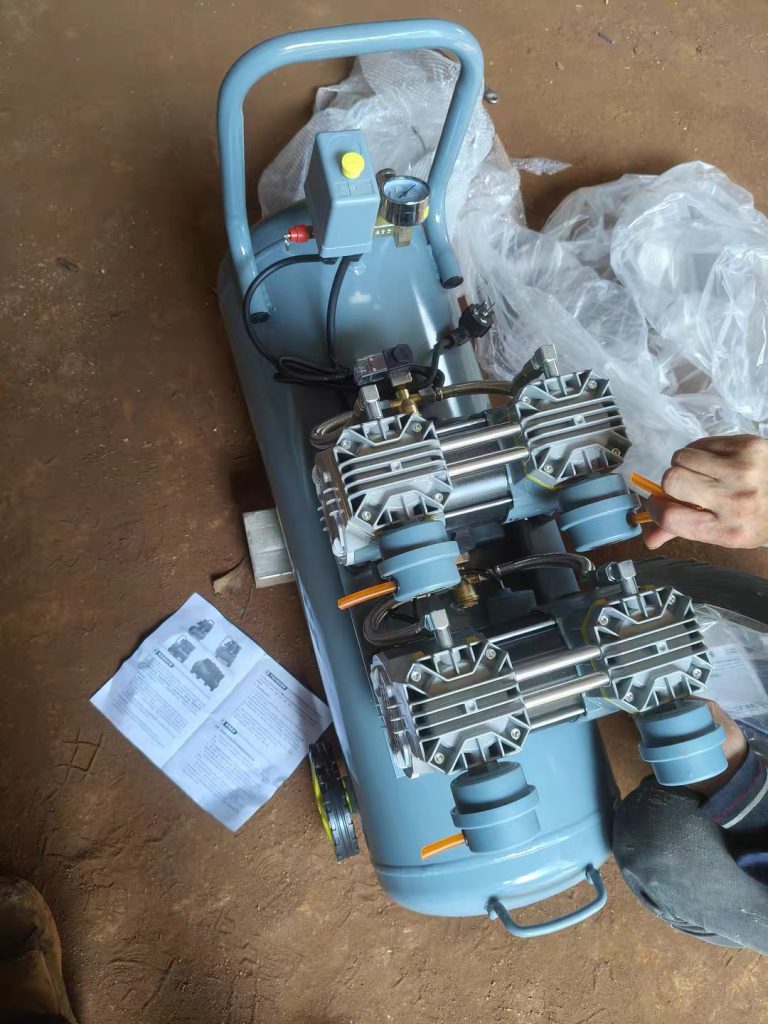
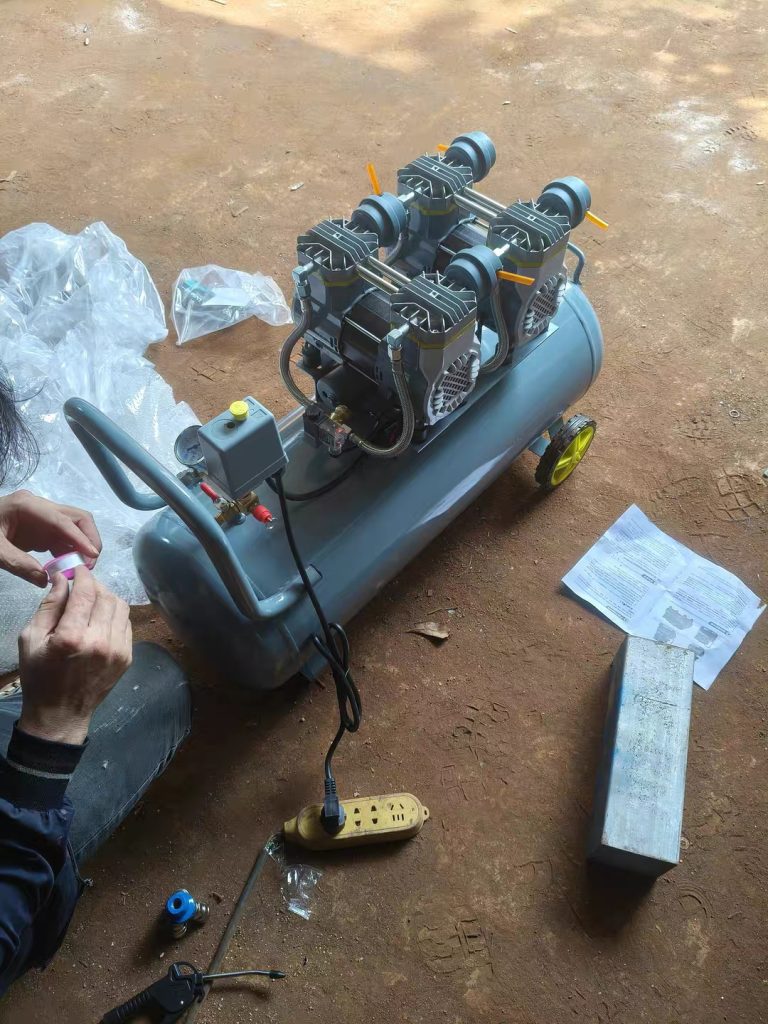
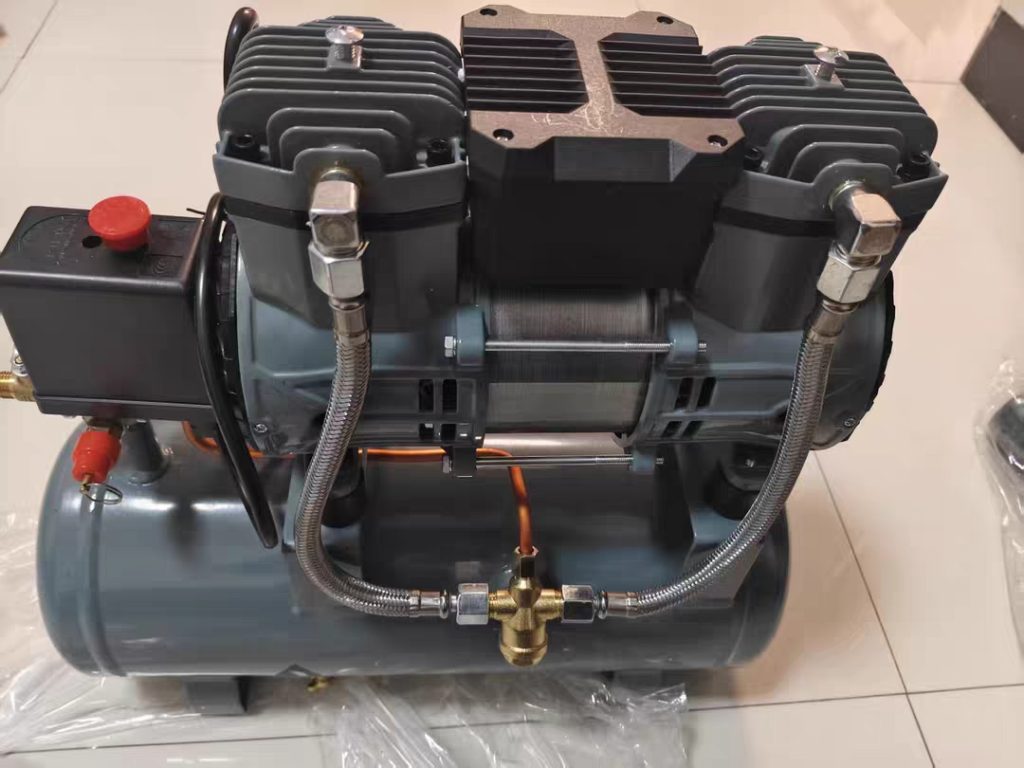
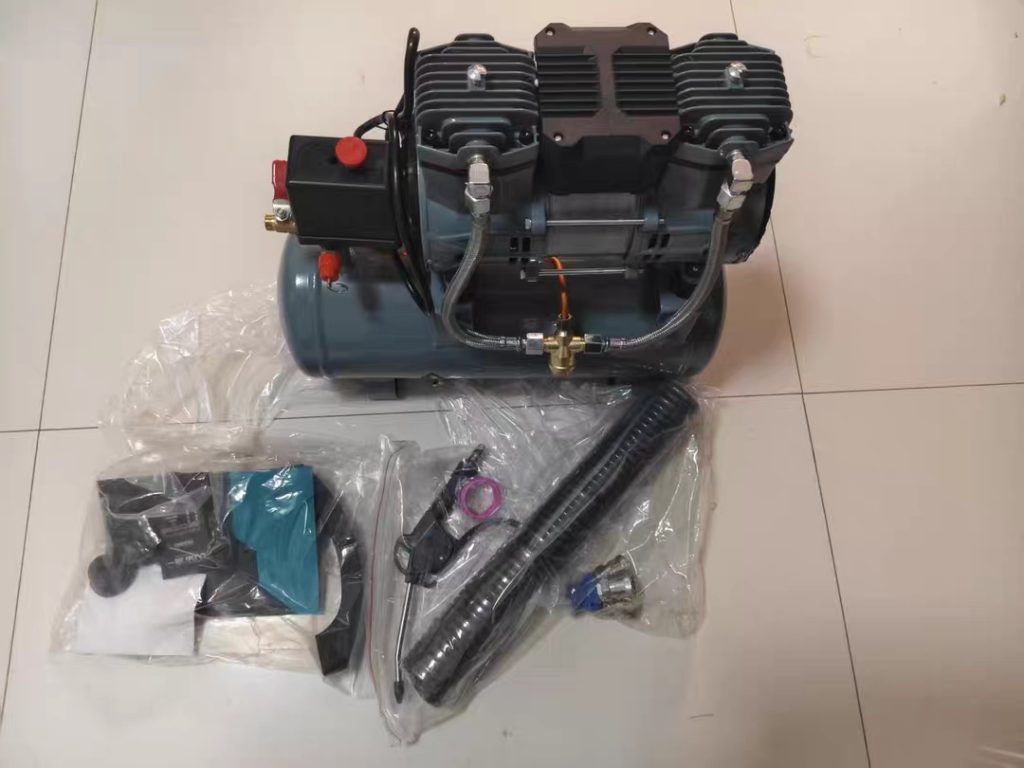
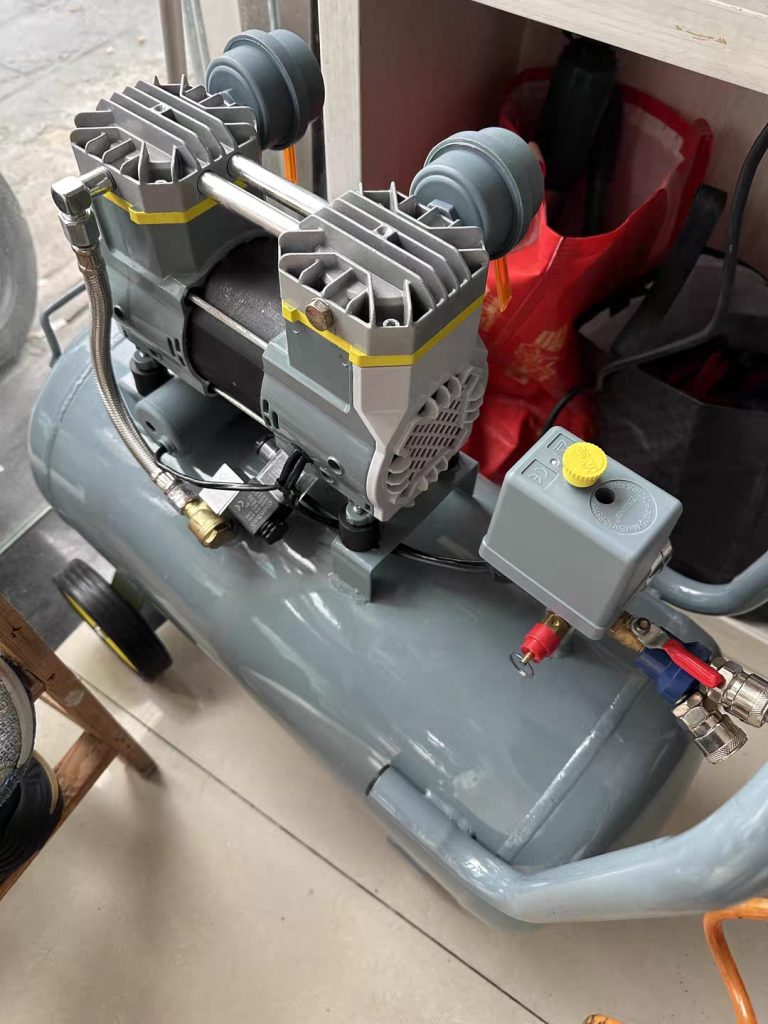
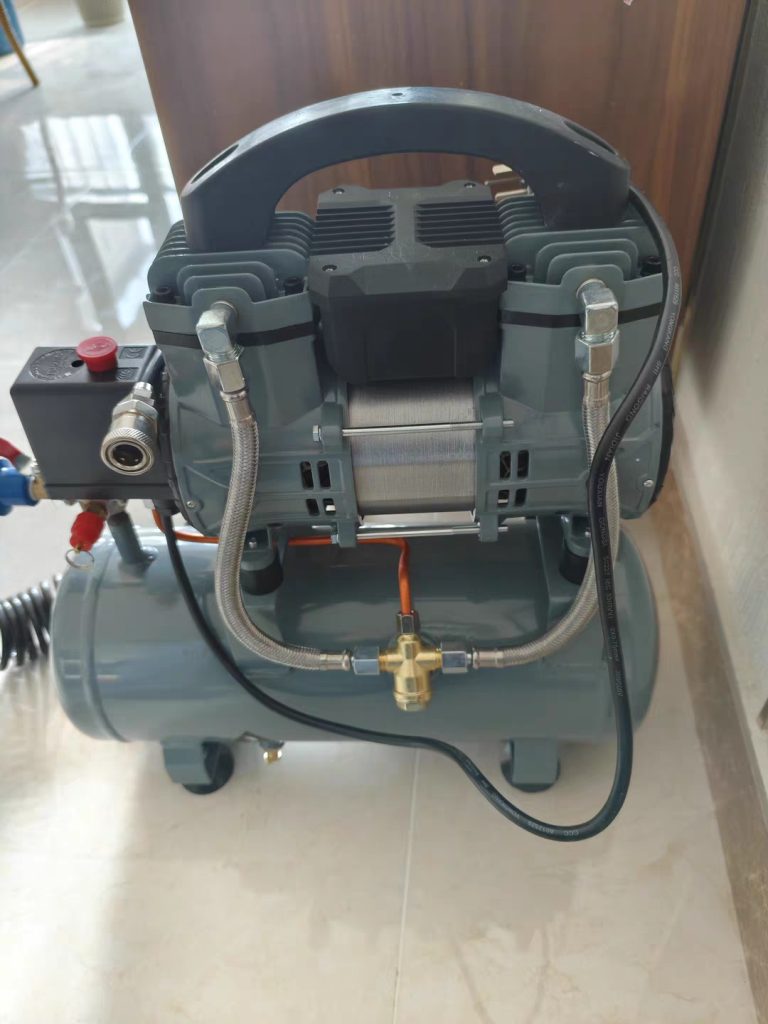
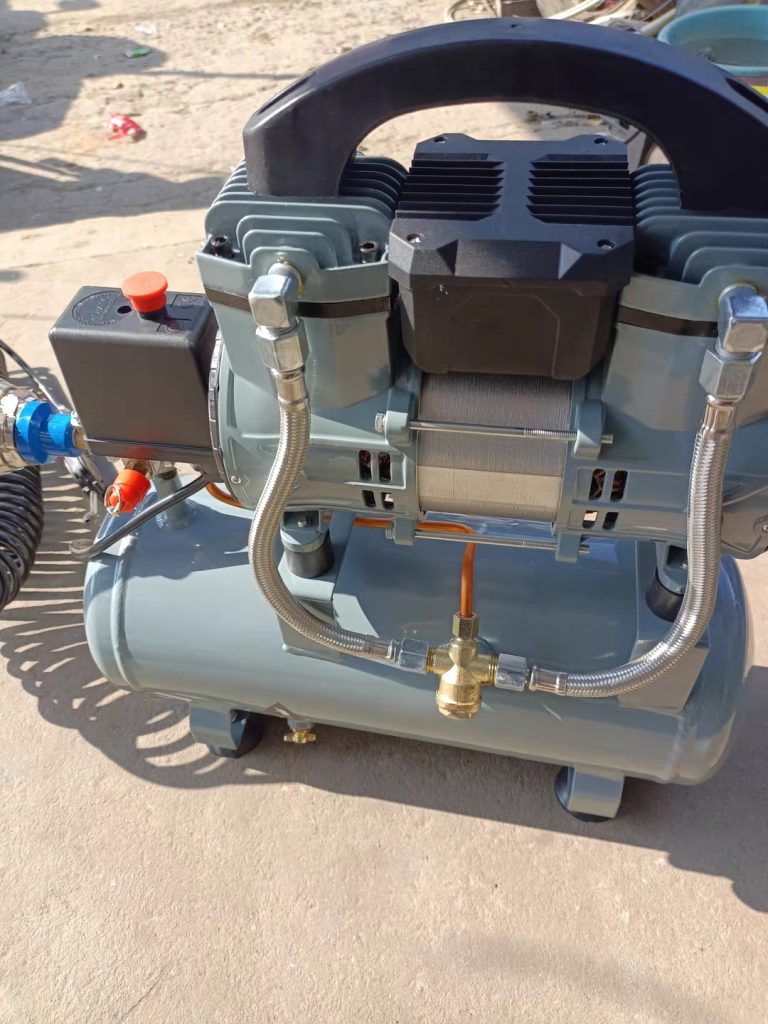
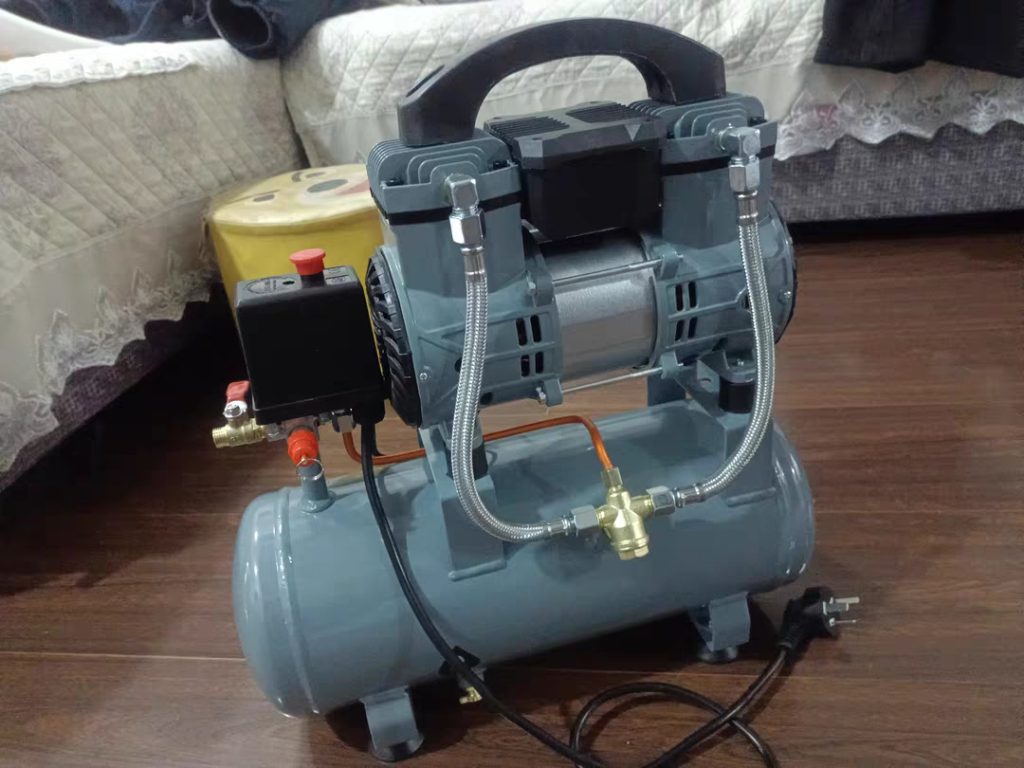
This air compressor maintenance guide outlines preventive and predictive strategies to extend lifespan, boost performance, and cut costs. From daily checks to annual overhauls, learn to keep your compressor running efficiently for 15+ years.
🔧⚙️⏳ [Small icons: Wrench (tools), Gear (components), Hourglass (longevity)]
The Critical Role of Maintenance in Air Compressor Longevity
Air compressors are significant investments—costing 1,000 to 100,000+—and their performance directly impacts operational efficiency. Yet, 60% of premature failures stem from poor maintenance, leading to unplanned downtime (costing 5,000–50,000/hour in industrial settings) and shortened lifespans (8–10 years instead of 15–20). This guide demystifies maintenance, offering actionable steps to maximize reliability, reduce costs, and ensure your compressor delivers consistent power for decades.
Technical Deep Dive: Core Components Requiring Maintenance
To maintain performance, focus on five critical components. Each plays a unique role in compression, and neglect leads to cascading failures.
1. Motor: The Powerhouse
-
Function: Converts electrical energy to mechanical rotation (1,500–3,000 RPM).
-
Maintenance Needs:
-
Lubrication: Grease bearings every 2,000 hours (use manufacturer-recommended grease).
-
Cooling: Clean vents/fins quarterly (dust buildup increases temp by 20°C).
-
Electrical Checks: Test windings for resistance (target: 0.5–2 ohms) annually.
-
2. Compression Pump: Air Generation
-
Types: Piston (reciprocating), screw (rotary), or diaphragm.
-
Maintenance Needs:
-
Piston Pumps: Replace rings/valves every 5,000 hours; check cylinder wear (gap >0.1mm = overhaul).
-
Screw Pumps: Inspect rotors for scoring; replace seals every 10,000 hours.
-
Diaphragm Pumps: Check diaphragm integrity (cracks = air leaks).
-
3. Air Tank: Storage & Stability
-
Function: Stores compressed air (1–500 gallons) to stabilize pressure.
-
Maintenance Needs:
-
Drain Condensate: Daily (manual) or install auto-drains (prevents rust/contamination).
-
Hydrostatic Testing: Every 5 years (ASME BPVC requires 1.5x working pressure test).
-
Internal Coating: Inspect for corrosion (repaint with epoxy if pitting occurs).
-
4. Filtration System: Purity Control
-
Components: Air intake filters, oil filters (lubricated models), and separators.
-
Maintenance Needs:
-
Intake Filters: Replace when pressure drop >5 PSI (dirty filters increase energy use by 15%).
-
Oil Filters: Change every 1,000–2,000 hours (lubricated compressors).
-
Separators: Replace every 4,000 hours (oil-injected models; target <3 ppm oil carryover).
-
5. Cooling System: Heat Management
-
Types: Air-cooled (fins) or water-cooled (heat exchangers).
-
Maintenance Needs:
-
Air-Cooled: Clean fins with compressed air quarterly (debris blocks airflow).
-
Water-Cooled: Flush heat exchangers annually (mineral deposits reduce efficiency by 30%).
-
Why Proactive Maintenance Saves Money and Headaches
1. Reduces Unplanned Downtime
A 2023 study by Plant Engineering found that plants with preventive maintenance programs experienced 45% fewer breakdowns. For example, a clogged air filter can cause motor overheating—leading to a 24-hour shutdown. Regular filter changes (monthly) eliminate this risk.
2. Cuts Energy Costs
Dirty filters, leaky hoses, and worn parts force compressors to work harder, increasing energy use by 20–30%. A 100 HP compressor with poor maintenance may consume 120 kW/hour instead of 100 kW—wasting 17,520/year (at 0.08/kWh).
3. Extends Lifespan
Properly maintained compressors last 15–20 years (vs. 8–10 years neglected). For instance, regular oil changes (lubricated models) prevent bearing wear, adding 5+ years to the pump’s life.
4. Ensures Safety
Neglected tanks can corrode and rupture (ASME BPVC reports 10–15 tank failures/year in the U.S.). Annual hydrostatic testing and drain maintenance prevent such hazards.
The Ultimate Maintenance Plan: Preventive + Predictive Strategies
Adopt a two-pronged approach: preventive maintenance (scheduled tasks) and predictive maintenance (data-driven interventions).
1. Preventive Maintenance Checklist
| Frequency | Tasks |
|---|---|
| Daily | Drain condensate; check oil level (lubricated); inspect hoses for leaks. |
| Weekly | Clean air intake vents; test safety valves (activate at 110% setpoint). |
| Monthly | Replace air filters; calibrate pressure gauges (±1% accuracy); check motor temperature. |
| Quarterly | Clean cooling fins; test VSD settings (if applicable); inspect electrical connections. |
| Annually | Overhaul pump (rings/valves/rotors); flush cooling system; perform thermographic scan. |
2. Predictive Maintenance: Leveraging Data
-
IoT Sensors: Monitor vibration (bearing wear), temperature (motor overload), and pressure (leaks). Alerts trigger maintenance before failure.
-
Oil Analysis: Send oil samples to labs quarterly to detect metal particles (indicates pump wear).
-
Ultrasonic Leak Detection: Use handheld devices to find air leaks (target <5% of total flow).
Example: A food processing plant used IoT sensors to detect a 10% drop in screw pump efficiency, replacing rotors proactively and avoiding a $30,000 downtime event.
Common Maintenance Issues & How to Fix Them
1. Air Leaks
-
Symptoms: Low pressure, hissing sounds, high energy use.
-
Causes: Worn hoses, loose fittings, corroded tanks.
-
Fix: Use soapy water to locate leaks; replace hoses/fittings; repair tank patches (ASME-approved).
2. Overheating
-
Symptoms: High motor temp (>90°C), tripped thermal overload.
-
Causes: Clogged filters, dirty cooling fins, low oil (lubricated).
-
Fix: Clean filters/fins; top up oil; check fan operation.
3. Pressure Fluctuations
-
Symptoms: Tools underperform, pressure gauge swings.
-
Causes: Faulty pressure switch, leaking check valve, undersized tank.
-
Fix: Calibrate switch; replace check valve; upgrade tank size.
4. Oil Contamination
-
Symptoms: Oil in air lines, black smoke from exhaust.
-
Causes: Worn pump seals, overfilled oil, contaminated oil.
-
Fix: Replace seals; drain excess oil; change oil (use ISO VG 46 for most models).
Case Study: Manufacturing Plant’s Maintenance Overhaul
Client Profile: A 200-employee automotive parts plant in Ohio, using 2x 150 HP screw compressors (10 years old, neglected maintenance).
Challenges: Monthly breakdowns (avg. 16 hours downtime), $50,000/year in emergency repairs, energy use 25% above baseline.
Solution: Implemented a preventive + predictive maintenance program:
-
Daily drain/inspection, monthly filter changes, quarterly cooling system flushes.
-
Installed IoT sensors for vibration/temp monitoring.
-
Trained 2 in-house technicians on pump overhauls.
Results (24 Months):
-
⬇️ Breakdowns reduced by 80% (2/year vs. 12/year).
-
⬆️ Uptime increased to 98% (downtime <88 hours/year).
-
⬇️ Energy use dropped 18% ($27,000/year savings).
-
⬆️ Compressor lifespan extended by 5 years (now projected to last until year 15).
-
✅ ROI achieved in 10 months via repair cost savings.
Global Compliance & Certifications
Maintaining compliance ensures safety and performance:
| Certification | Region/Focus | Maintenance Requirement |
|---|---|---|
| ASME BPVC | North America (pressure vessels) | Hydrostatic testing every 5 years; annual inspection. |
| ISO 5389 | Global (compressor performance) | Log maintenance tasks; retain records for 10 years. |
| UL | US (electrical safety) | Test overload protection annually. |
| CE PED | EU (pressure equipment) | Document maintenance for notified body audits. |
Conclusion: Maintenance as a Profit Center
Air compressor maintenance is not a cost—it’s an investment. By adopting a structured plan (preventive + predictive), you’ll reduce downtime, cut energy bills, and extend your compressor’s life by 5–10 years. Remember: 80% of failures are preventable with regular care. Start today, and turn your compressor into a reliable asset for decades.
⭐ User Reviews
John D. 🇺🇸
Maintenance Manager, Ohio Auto Parts Plant
⭐⭐⭐⭐⭐
“Our maintenance overhaul cut breakdowns by 80%! IoT sensors alerted us to a bearing issue 2 weeks before failure—saved $30k in downtime. Now we do quarterly flushes and monthly filter changes. Compressors will last 5 more years. Best decision ever!”
Hans R. 🇩🇪
Plant Engineer, Bavarian Manufacturing
⭐⭐⭐⭐⭐
“Following the ISO 5389 checklist, our 10-year-old screw compressor runs like new. Annual hydrostatic testing passed with flying colors. CE PED audits are a breeze now. Maintenance is cheaper than buying new units!”
Priya S. 🇮🇳
Factory Head, Mumbai Textile Mill
⭐⭐⭐⭐⭐
“Daily draining and monthly filter changes cut our energy use by 18%! Trained my team on oil analysis—caught a pump leak early. ASME BPVC compliance is now effortless. Maintenance pays for itself in 10 months!”
Emma L. 🇦🇺
Workshop Owner, Sydney Auto Repair
⭐⭐⭐⭐☆
“Quarterly cooling fin cleaning stopped my compressor from overheating. UL-certified, so safety is guaranteed. Only wish I’d started earlier—would have saved $20k in repairs. Great guide for small shops!”
Carlos M. 🇧🇷
Maintenance Tech, São Paulo Food Corp
⭐⭐⭐⭐⭐
“IoT sensors detected a 10% efficiency drop in our screw pump—replaced rotors proactively. No downtime since! CE PED docs are organized, and annual hydro tests pass easily. Maintenance is now a profit center, not a headache!”
Keywords integrated: air compressor maintenance guide, extending lifespan, performance optimization, preventive maintenance, predictive maintenance, air compressor maintenance checklist, common issues, ASME BPVC, ISO 5389, IoT sensors, energy savings, unplanned downtime, compressor lifespan extension, maintenance plan, oil analysis, ultrasonic leak detection


No reply content