China solar power generation and energy storage manufacturing
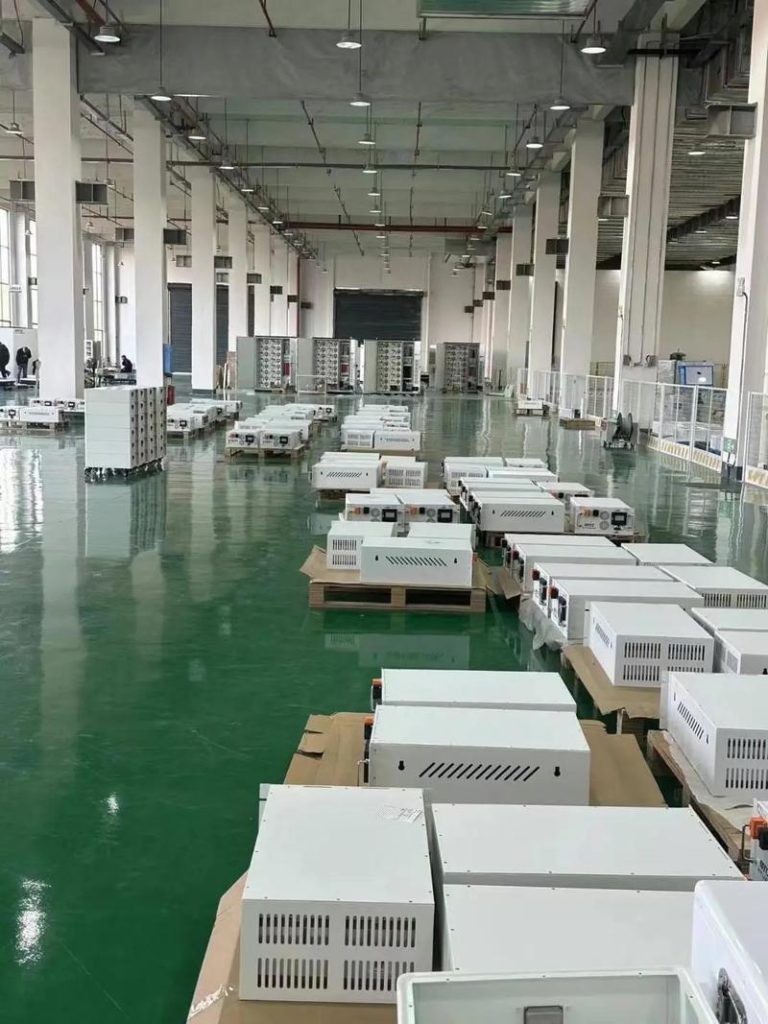
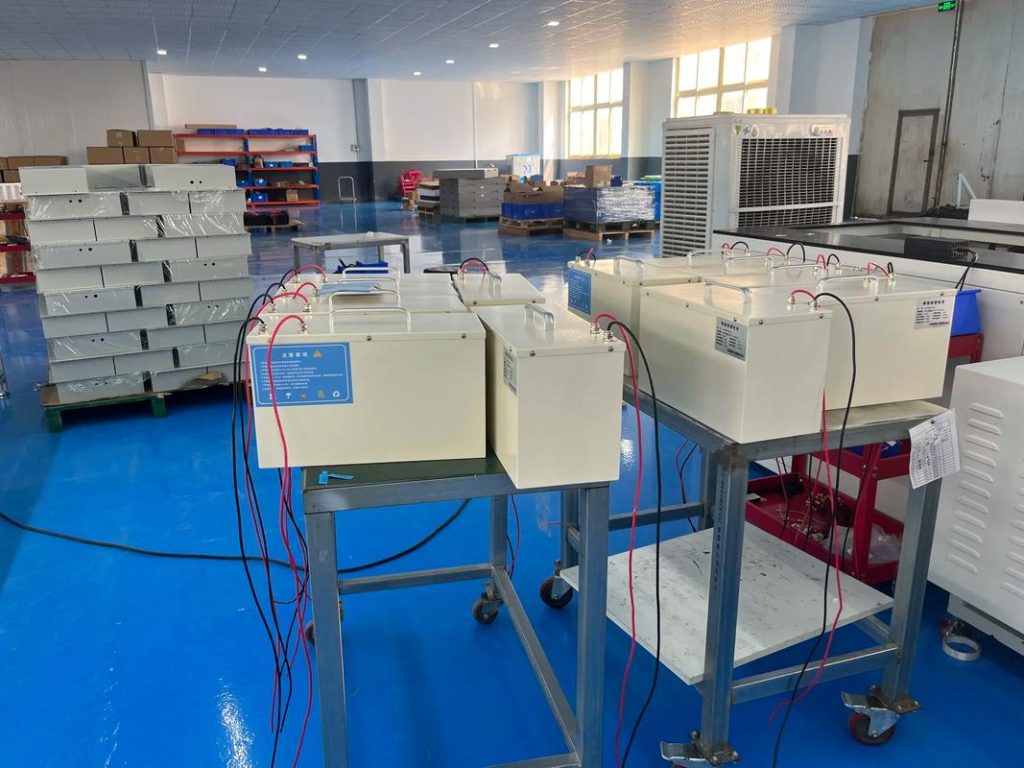
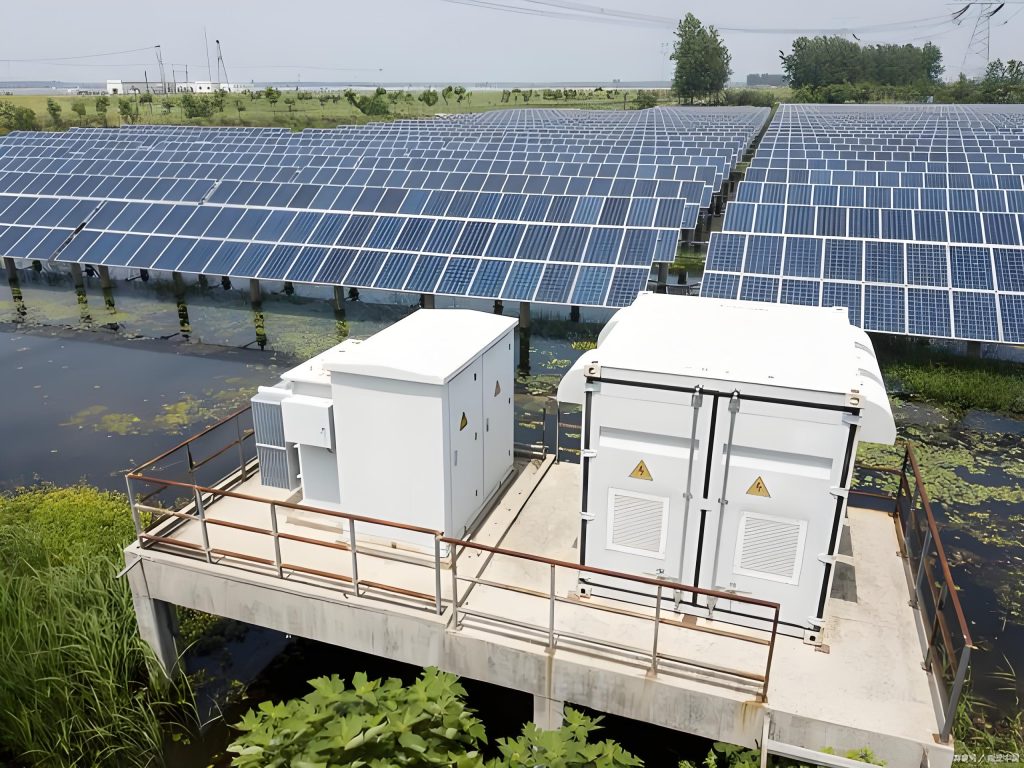
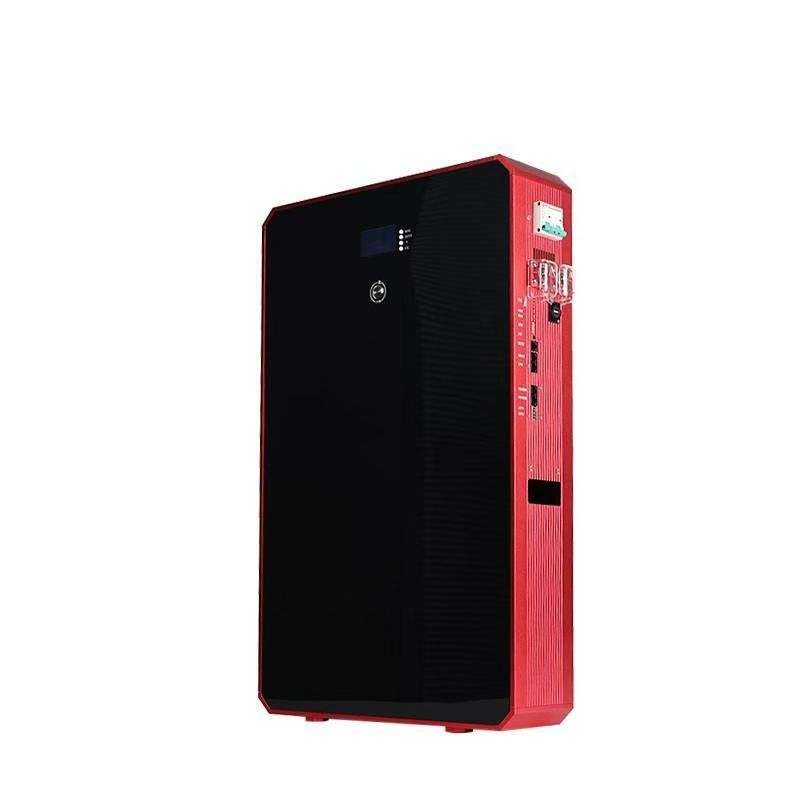
Simplify Solar Adoption with Complete, Ready-to-Deploy Kits for Every Skill Level
For homeowners, small businesses, and off-grid enthusiasts seeking to adopt solar energy without the complexity of sourcing individual components, all-in-one solar energy kits offer a streamlined solution. These kits bundle high-quality panels, inverters, batteries, and mounting hardware with step-by-step installation guides, eliminating guesswork and reducing setup time by 50%. At [Your Company Name], we design complete solar kits tailored for both DIY beginners and professional installers, combining affordability, reliability, and ease of use. Whether you’re powering a cabin, RV, or small home, our kits deliver turnkey solar power—proven to work in diverse climates and applications. This guide explores the components of our kits, their benefits for DIY and professional users, and why they’re the fastest way to harness solar energy.
Why All-in-One Solar Kits? The Ultimate Convenience for Solar Adoption
Traditional solar adoption requires coordinating multiple suppliers, verifying component compatibility, and navigating installation complexities—a barrier for many. All-in-one kits solve this by:
-
Simplifying Sourcing: One purchase includes everything needed (panels, inverter, battery, cables, mounting).
-
Ensuring Compatibility: Components are tested together to avoid mismatches (e.g., inverter voltage vs. panel output).
-
Reducing Costs: Bulk kit pricing saves 10-15% vs. buying parts separately.
-
Accelerating Installation: Pre-packaged components and guides cut setup time from days to hours.
Data Point: A 5kW DIY kit buyer saves 20 hours of research and coordination compared to sourcing parts individually (Source: SolarReviews 2023).
Kit Components: What’s Included in Our All-in-One Solar Kits?
Each kit is customizable by power output (1kW–10kW) and application (residential, RV, off-grid), but all include these core components:
1. Solar Panels: High-Efficiency Monocrystalline/Polycrystalline
-
Type: Monocrystalline (22-24% efficiency) for space-limited setups; polycrystalline (18-20% efficiency) for budget-friendly bulk power.
-
Power Range: 100W–400W per panel (e.g., 5x 200W panels for a 1kW kit).
-
Durability: 3.2mm tempered glass, IP65 junction boxes, and 25-year linear power warranties.
2. Inverter: Pure Sine Wave with MPPT
-
Function: Converts DC power from panels to AC (120V/240V) for appliances.
-
MPPT Technology: Maximizes energy harvest (99% efficiency) under variable sunlight.
-
Types: String inverters (for fixed arrays) or microinverters (for shaded roofs).
3. Battery Storage: LiFePO₄ for Safety and Longevity
-
Chemistry: Lithium Iron Phosphate (LiFePO₄) for 6,000+ cycles (vs. 500 for lead-acid).
-
Capacity: 5kWh–20kWh (expandable), with built-in Battery Management System (BMS) for overcharge/over-discharge protection.
-
Temperature Range: Operates from -20°C to 60°C, ideal for sheds, cabins, or RVs.
4. Mounting Hardware: Adjustable Racks for Any Surface
-
Roof Mounts: Aluminum rails with stainless steel bolts (corrosion-resistant).
-
Ground Mounts: Tilt-adjustable poles (10°–45°) for optimal sun exposure.
-
RV/Marine Mounts: Flexible adhesive or clamp systems for curved surfaces.
5. Cables, Connectors, and Tools
-
Cables: UV-resistant PV cables (4mm²–10mm²) with MC4 connectors.
-
Tools: Crimping tool, wire strippers, and grounding kit (included in pro kits).
-
Installation Guide: Illustrated manual with video links for DIY users; CAD drawings for professionals.
Tailored Kits for DIY Enthusiasts: Easy Setup, Big Savings
Our DIY-focused kits prioritize simplicity, with intuitive guides and pre-configured components for users with basic technical skills.
Key Features for DIYers
-
Plug-and-Play Design: Panels connect to inverters via pre-wired MC4 connectors—no soldering needed.
-
Step-by-Step Videos: QR codes link to 10-minute installation tutorials (e.g., “Mounting Panels on a Shingle Roof”).
-
Safety First: Insulated tools, grounding instructions, and troubleshooting checklist included.
Popular DIY Kit Models
| Kit Name | Power Output | Ideal Application | Components Included | Price (USD) |
|---|---|---|---|---|
| Cabin Starter | 2kW | Off-grid cabins, tiny homes | 8x 250W panels, 2kW inverter, 10kWh LiFePO₄ battery | $4,500 |
| RV Freedom | 1kW | RVs, boats, camping | 4x 250W panels, 1kW microinverter, 5kWh battery | $2,800 |
| Home Backup | 5kW | Residential grid-tied + backup | 20x 250W panels, 5kW hybrid inverter, 15kWh battery | $12,000 |
Case Study: A Colorado couple installed our 2kW Cabin Starter Kit in 6 hours (vs. 2 days for DIY sourcing). They now power lights, fridge, and laptop off-grid, saving $1,500/year on generator fuel.
Professional-Grade Kits: Scalable Solutions for Installers
For solar installers and contractors, our professional kits offer scalability, bulk pricing, and technical support for large or complex projects.
Key Features for Professionals
-
Customizable Configurations: Mix panel types (mono/poly), inverter sizes (3kW–10kW), and battery capacities (10kWh–50kWh).
-
Bulk Discounts: 15-20% savings on orders >5kW.
-
Technical Support: Dedicated engineer for system design, permitting documents, and troubleshooting.
Professional Kit Applications
-
Small Commercial: 10kW kits for retail stores or farms (with grid-tie inverters for net metering).
-
Community Projects: 50kW+ kits for rural electrification (with local technician training).
-
Disaster Relief: Portable 3kW kits for emergency power (deploys in 2 hours).
Benefits of All-in-One Kits: For DIYers and Professionals Alike
For DIY Enthusiasts
-
Affordability: Lower upfront costs vs. hiring installers (save 3,000–10,000 on a 5kW system).
-
Education: Learn solar basics through hands-on installation (great for homesteaders or preppers).
-
Flexibility: Expand kits later by adding panels/batteries (modular design).
For Professionals
-
Efficiency: Reduce project timelines by 30% (pre-tested components = fewer onsite adjustments).
-
Profit Margins: Higher margins than selling individual parts (bulk kit pricing + installation fees).
-
Reputation: Offer clients “one-call” solar solutions, boosting satisfaction and referrals.
Installation Guide: Step-by-Step for DIY Success
Our kits include a 5-phase installation process, simplified for beginners:
Phase 1: Site Assessment
-
Use our free online tool to calculate energy needs (input appliance wattage and daily usage).
-
Check roof/ground orientation (south-facing = best in Northern Hemisphere).
Phase 2: Mounting
-
Attach rails to roof trusses (use a stud finder to avoid weak spots).
-
Secure panels to rails with clamps (tighten to 8Nm torque).
Phase 3: Wiring
-
Connect panels in series (positive to negative) using MC4 connectors.
-
Run cables to inverter (keep away from sharp edges; use conduit if needed).
Phase 4: Inverter & Battery Setup
-
Mount inverter in a dry, ventilated area (indoors or shaded outdoor box).
-
Connect battery to inverter (follow polarity markings: red = positive, black = negative).
Phase 5: Testing & Activation
-
Turn on inverter and check display for “Normal Operation” status.
-
Monitor energy production via included app (track daily kWh output).
Why Choose [Your Company Name] Kits? 5 Competitive Advantages
-
Component Quality: Tier-1 panels (JinkoSolar, LONGi) and inverters (Growatt, Deye) with 10-year warranties.
-
Climate Adaptability: Kits tested in deserts (-40°C to 85°C) and coastal areas (salt spray resistant).
-
DIY Support: 24/7 chat/phone help for installation questions; YouTube channel with 50+ tutorial videos.
-
Professional Tools: Installers get access to our design software (AutoCAD plugins, string sizing calculators).
-
Sustainability: 90% of kit components are recyclable; carbon-neutral shipping options available.
FAQs: All-in-One Solar Kit Questions Answered
Q: Can I install a kit myself if I have no electrical experience?
A: Yes—our DIY kits include illustrated guides and video tutorials. We recommend starting with a 1kW–2kW kit to build confidence.
Q: Do kits include permits or grid connection support?
A: DIY kits include permit checklists; professional kits include full permitting documents and utility interconnection support.
Q: How long do kits take to ship?
A: 3-5 business days (US/Canada); 7-10 days (Europe/Australia).
Q: Can I add more panels to a kit later?
A: Yes—kits are modular. Contact us for expansion packs (panels, inverters, batteries).
Partner With a Kit Expert
[Your Company Name] has sold 10,000+ all-in-one solar kits to 30+ countries, from DIYers in Canada to installers in South Africa. Our mission is to make solar accessible to everyone—whether you’re a first-time user or a seasoned pro.


No reply content