
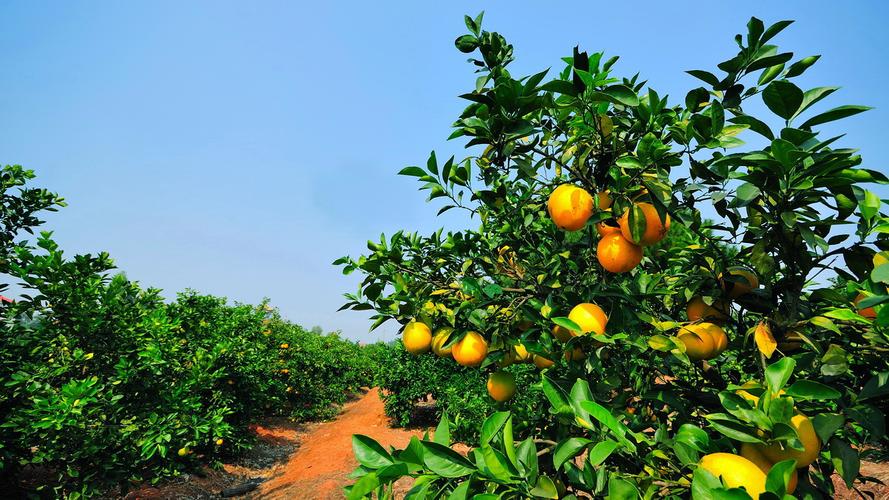
Gannan Navel Orange Orchard China
In the dynamic world of agricultural product launches, navel oranges represent a unique intersection of tradition, health appeal, and culinary versatility. A well-orchestrated launch strategy for this citrus variety requires meticulous planning, creative storytelling, and a deep understanding of consumer behavior. This article explores the essential components of a successful navel orange launch, from market positioning to post-launch evaluation, offering actionable insights for brands aiming to captivate audiences and drive sustainable growth.
1. Defining Objectives and Audience Segmentation
The foundation of any successful launch lies in clear objectives. Are you aiming to establish brand authority in the premium citrus market, promote seasonal sales, or introduce an innovative farming technique? For navel oranges, common goals might include:
-
Market Penetration: Introducing a new cultivar (e.g., “Cara Cara” or “Fukushima Navel”) to discerning consumers.
-
Brand Differentiation: Highlighting unique traits such as seedlessness, flavor intensity, or eco-friendly cultivation practices.
-
Seasonal Demand Creation: Leveraging peak harvest seasons (November–March in subtropical regions) to drive impulse purchases.
Audience Segmentation:
-
Health-Conscious Buyers: Position oranges as a vitamin C-rich superfood for smoothie enthusiasts and meal preppers.
-
Luxury Consumers: Bundle premium navel oranges with gourmet pairings (e.g., truffles, aged balsamic) for holiday gift sets.
-
Retail Partnerships: Collaborate with supermarkets and organic food stores to stock bulk displays in produce sections.
2. Product Differentiation Through Quality Assurance
Navel oranges thrive on their genetic uniqueness—a secondary fruit at the blossom end creating a “navel.” To stand out, emphasize:
-
Growing Conditions: Highlight regions with ideal climates, such as California’s Mediterranean zones or Brazil’s São Paulo state, where consistent sunlight and well-drained soil enhance sugar content.
-
Certifications: Obtain USDA Organic, Global GAP, or Rainforest Alliance certifications to appeal to eco-aware buyers.
-
Taste Profiles: Conduct consumer trials to identify flavor nuances (e.g., tangy-sweet balance) and market accordingly.
For example, a brand launching a “Golden Navel” variety could emphasize its higher carotenoid levels and golden-orange hue, appealing to visual and health-focused demographics.
3. Creative Packaging and Presentation
Packaging serves as the first sensory interaction. Consider:
-
Eco-Friendly Materials: Use biodegradable pulp molds or recycled cardboard with soy-based inks.
-
Functional Design: Incorporate ventilation holes to prolong freshness or resealable lids for portion control.
-
Aesthetic Storytelling: Feature farm-to-table imagery, farmer testimonials, or infographics about cultivation practices.
A luxury brand might opt for a matte-black box with gold foil accents, while a family-oriented brand could use cartoonish illustrations of citrus groves.
4. Multi-Channel Marketing Campaigns
Digital Strategy:
-
Social Media Teasers: Share time-lapse videos of orchards, farmer interviews, or “orange-making” process reels.
-
Influencer Collaborations: Partner with nutritionists, chefs, or lifestyle bloggers for recipe tutorials (e.g., citrus-infused dressings, marmalade-making).
-
Email Campaigns: Offer early access to subscribers with exclusive discounts or curated gift boxes.
Offline Engagement:
-
Pop-Up Tastings: Set up interactive booths at farmers’ markets or gourmet grocery stores, allowing customers to taste different cultivars.
-
Educational Workshops: Host sessions on citrus pairing, juicing techniques, or sustainable farming practices.
5. Strategic Partnerships and Retail Execution
B2B Collaborations:
-
Food Service Integration: Supply navel oranges to high-end hotels and restaurants for breakfast buffets or cocktail garnishes.
-
Subscription Boxes: Partner with meal-kit services to include fresh oranges in seasonal boxes.
Retail Tactics:
-
Point-of-Sale Displays: Use eye-catching stands with sample cuts and QR codes linking to farm stories.
-
Cross-Promotions: Bundle oranges with complementary products (e.g., honey, yogurt) for bundled savings.
6. Sustainability and Transparency Initiatives
Modern consumers prioritize ethical sourcing. Integrate:
-
Traceability Systems: Implement blockchain technology to let customers scan QR codes and trace their orange’s journey from farm to shelf.
-
Carbon-Neutral Shipping: Offset emissions by investing in reforestation projects or renewable energy.
-
Community Impact: Donate a portion of sales to local farming cooperatives or food banks.
7. Post-Launch Evaluation and Feedback Loops
Monitor performance through:
-
Sales Analytics: Track metrics like units sold, average order value, and regional uptake.
-
Consumer Surveys: Gather feedback on taste, packaging, and perceived value.
-
Social Listening: Analyze online conversations for brand sentiment and emerging trends.
For instance, if surveys reveal demand for smaller fruit sizes, adjust future harvests to cater to on-the-go consumers.
8. Future-Proofing Through Innovation
Stay ahead by exploring:
-
Product Extensions: Launch frozen orange pulp, cold-pressed juice, or citrus-infused skincare lines.
-
Smart Packaging: Integrate NFC chips for interactive content (e.g., virtual farm tours) or freshness sensors.
-
Vertical Farming Trials: Experiment with hydroponic systems to extend growing seasons in non-traditional regions.
Conclusion: Cultivating Lasting Success
A navel orange launch is more than a transactional event—it’s an opportunity to educate, delight, and build lasting consumer relationships. By blending agricultural expertise with modern marketing, brands can transform a humble citrus fruit into a symbol of quality and innovation. As demand for sustainable, premium produce rises, strategic launches will remain pivotal in differentiating offerings in a competitive market.
References
-
Citrus cultivation best practices and certification standards.
-
Consumer behavior trends in fresh produce purchasing.
-
Packaging design principles for perishable goods.
-
Multi-channel marketing frameworks for agricultural brands.
-
Sustainability metrics and consumer engagement strategies.
This article synthesizes insights from agricultural science, marketing psychology, and retail trends to provide a comprehensive roadmap for launching navel oranges.


No reply content