China Customized OEM Arts & Crafts Gift Manufacturer

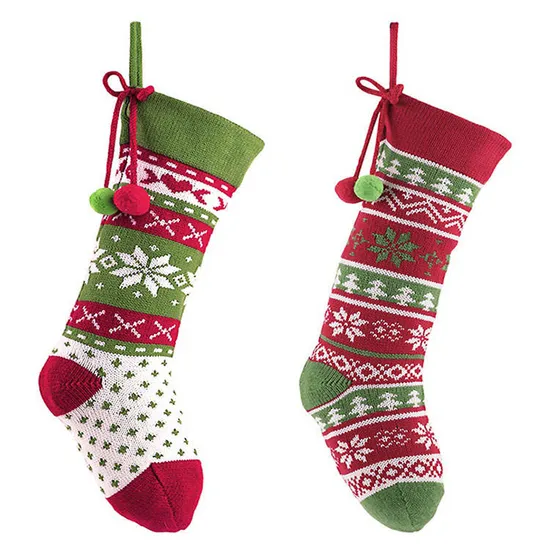
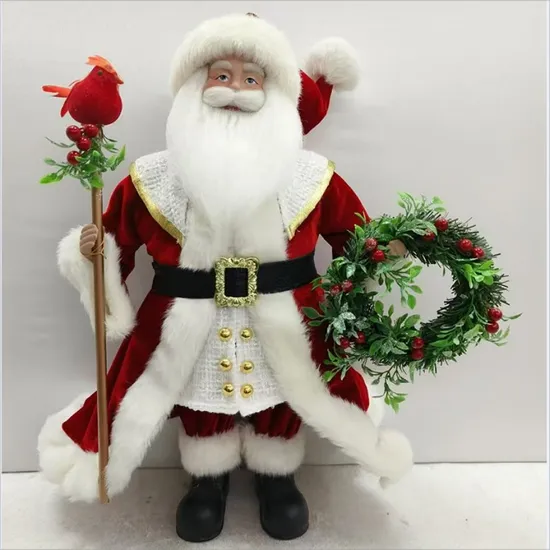
Artistic decoration is the language of ceramic dolls—where clay becomes a canvas for color, pattern, and narrative. It transforms simple forms into expressive beings, encoding cultural myths, personal stories, and aesthetic ideals. From ancient mineral pigments to modern digital designs, this art form bridges utility and poetry, making each doll a wearable (or displayable) piece of culture. Let’s explore how artistic decoration weaves magic into ceramic art.
📜 A Historical Canvas: Evolution of Decorative Styles
Artistic decoration has evolved with human civilization, reflecting changing tastes and technologies. The table below traces key periods and their signature styles:
Horizontal Table 1: Historical Evolution of Artistic Decoration in Ceramic Dolls
| Era | Dominant Technique | Representative Culture | Key Themes/Motifs |
|---|---|---|---|
| Ancient World (3000 BCE–500 CE) | Mineral pigment painting, incising | Mesopotamia, Egypt, China | Geometric patterns, divine symbols, daily life |
| Medieval Period (500–1500 CE) | Lusterware, enamel glazes | Islamic Caliphates, Byzantium | Calligraphy, arabesques, religious iconography |
| Renaissance–Baroque (1400–1750 CE) | Hand-painted oils, gilding | Italy, France, Germany | Mythological scenes, aristocratic portraiture |
| 19th–20th Century | Transfer prints, Art Nouveau curves | Europe, Japan | Floral motifs, flowing lines, folk narratives |
⚙️ The 7-Step Artistic Decoration Process
Applying decoration to ceramic dolls requires precision and creativity. The vertical table below outlines the 7 core stages, from concept to final flourish:
Vertical Table: 7-Step Artistic Decoration Workflow
-
Concept Sketch → Define theme (e.g., folklore, nature), color palette, and placement (face, clothing, accessories).
-
Surface Prep → Smooth bisque (unfired clay) with sandpaper; apply primer for better paint adhesion.
-
Base Coating → Lay down background colors (e.g., white for faces, solid hues for garments) using acrylic or ceramic paints.
-
Detail Painting → Add fine lines (eyebrows, lips), shading (cheekbones, fabric folds), and small motifs (flowers, stars).
-
Texture Application → Use tools like sponges (for mottled effects), sgraffito (scratching patterns), or slip trailing (raised clay lines).
-
Embellishment → Incorporate 3D elements: gold leaf, beads, embroidered fabric, or ceramic decals.
-
Sealing & Firing → Apply clear glaze to protect colors; fire at 1,100–1,300°C to fuse decoration with clay.
🌍 Cultural Kaleidoscope: Decorative Traditions Worldwide
Artistic decoration varies by culture, encoding local values and aesthetics. The table below compares four distinct traditions:
Horizontal Table 2: Cross-Cultural Artistic Decoration in Ceramic Dolls
| Culture | Typical Patterns | Color Symbolism | Signature Materials |
|---|---|---|---|
| Japanese Kutani | Cranes, maple leaves, waves | Red (joy), gold (wealth), indigo (serenity) | Overglaze enamels, gold leaf |
| Mexican Talavera | Sunflowers, geometric fretwork | Cobalt blue (sky), yellow (sun), green (earth) | Tin-glazed earthenware, lead-free pigments |
| Indian Kondapalli | Gods (Ganesha, Lakshmi), village scenes | Bright primary hues (auspiciousness) | Natural clay pigments, fabric clothing |
| French Sèvres | Rococo scrolls, pastoral landscapes | Pastels (delicacy), gold (royalty) | Hard-paste porcelain, oil-based paints |
💡 Modern Innovations: Tradition Meets Technology
Today’s artists blend classic techniques with digital tools to push boundaries. The table below highlights 3 cutting-edge approaches:
Horizontal Table 3: Modern Artistic Decoration Innovations
| Innovation | Technique | Effect |
|---|---|---|
| Digital Pattern Design | Software (Procreate, Adobe Illustrator) creates repeatable motifs | Complex, scalable designs (e.g., fractal patterns) |
| Eco-Friendly Pigments | Plant-based dyes (indigo, turmeric), recycled glass powders | Sustainable, non-toxic decoration |
| Mixed-Media Collage | Embedding dried flowers, metal foils, or resin accents into glaze | Adds tactile depth and uniqueness |
✨ Why Artistic Decoration Matters
Decoration elevates ceramic dolls from objects to storytellers:
-
Emotional Resonance: A hand-painted smile or a culturally specific pattern connects viewers to shared heritage.
-
Economic Value: Intricately decorated dolls command higher prices, supporting artisan livelihoods.
-
Cultural Preservation: Reviving traditional motifs (e.g., Native American beadwork-inspired patterns) keeps endangered arts alive.
🔮 The Future: Infinite Canvases
As 3D printing enables custom molds and AR allows virtual “try-ons” of decorative designs, artistic decoration will grow more personalized. Yet the core remains: a brushstroke, a glaze drip, a carved line—all carrying the artist’s intent to make clay speak.
Article Link:
Artistic Decoration: Breathing Soul into Ceramic Dolls


No reply content