
China auto parts suppliers
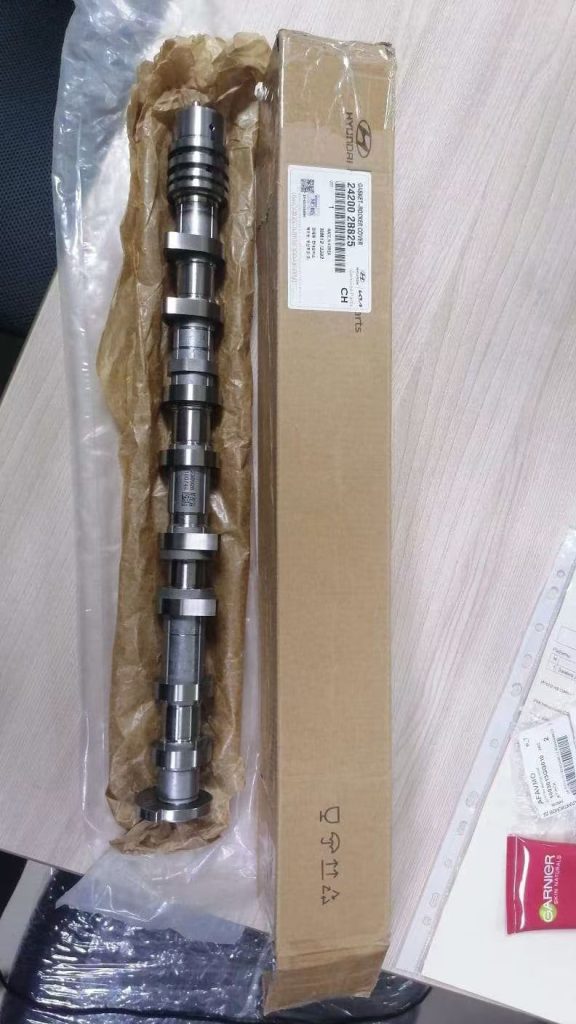
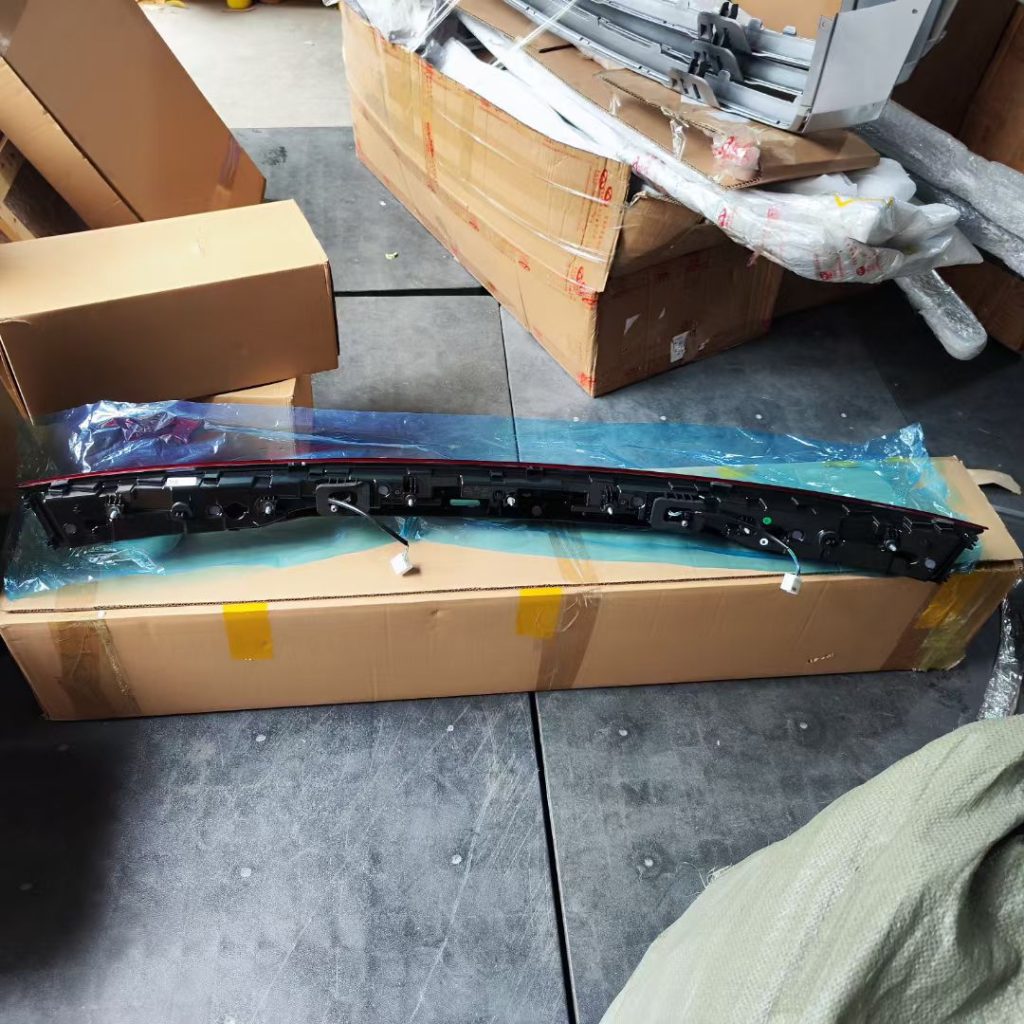
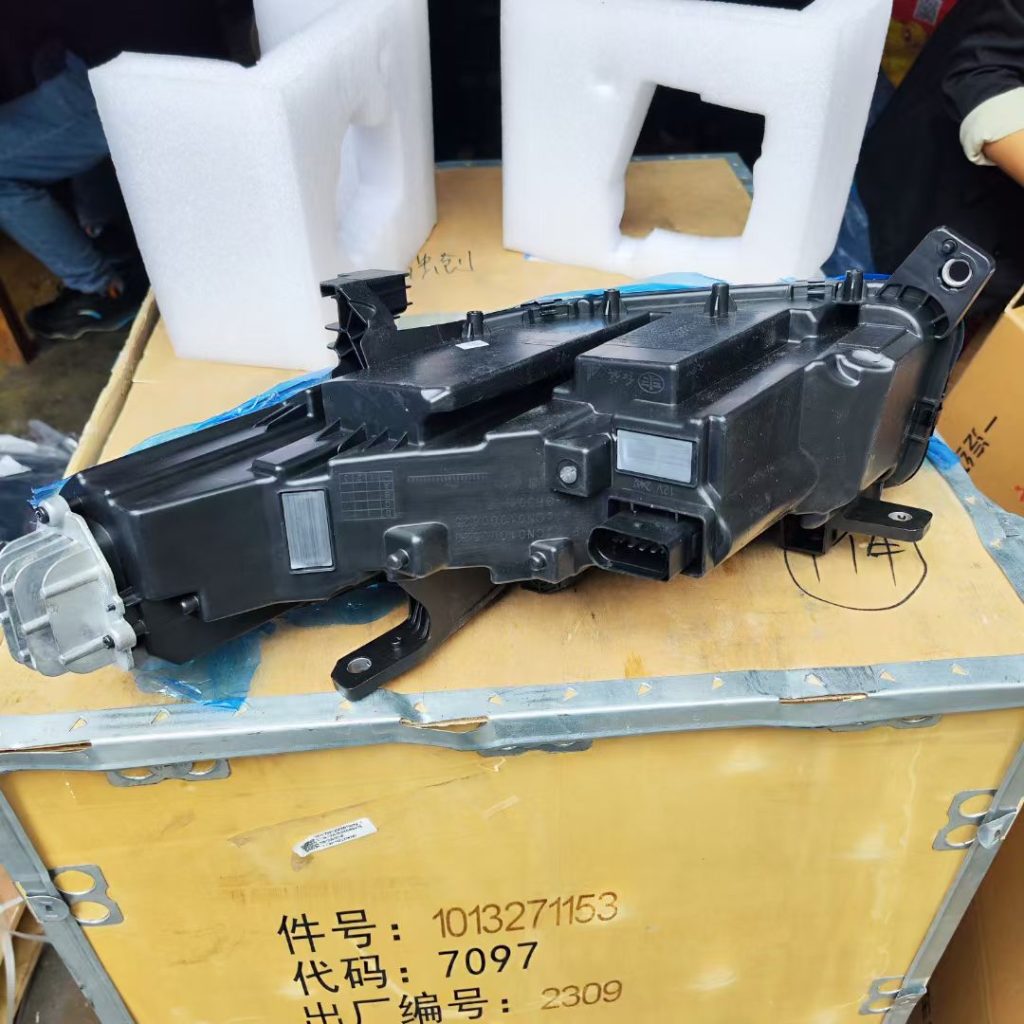
Finding a reliable auto parts manufacturer is important for distributors, wholesalers, repair shops, automotive brands, and importers. The right supplier needs to provide consistent product quality, accurate specifications, stable production, and dependable delivery.
For many buyers, the challenge is not simply finding a factory that can make a part. The bigger question is whether the manufacturer can produce the same part consistently and meet the requirements of the vehicle, application, and target market.
What Does an Auto Parts Manufacturer Produce?
Automotive manufacturing covers a very wide range of products. Depending on the factory’s specialization, products may include:
-
Engine components
-
Brake components
-
Suspension parts
-
Steering components
-
Body parts
-
Exterior accessories
-
Interior accessories
-
Electrical components
-
Lighting products
-
Cooling system parts
-
Transmission components
-
Rubber and plastic components
-
Machined metal parts
-
Custom automotive components
Not every manufacturer produces every type of part. Buyers should first confirm that the factory has experience with the specific product they need.
OEM and Custom Auto Parts Manufacturing
OEM manufacturing is commonly used by automotive brands, distributors, and aftermarket companies that want products made according to their own specifications.
A project may involve:
-
Technical drawings
-
Product dimensions
-
Material requirements
-
Surface treatment
-
Logo or branding
-
Packaging
-
Performance requirements
-
Inspection standards
For custom parts, the manufacturer may first produce a prototype or sample. Once the sample has been approved, the specifications can be used as the reference for mass production.
This process helps reduce misunderstandings and gives both sides a clear understanding of the finished product.
Common Materials Used in Auto Parts
Material selection depends heavily on the application.
Steel
Steel is widely used for structural and mechanical automotive components because of its strength and durability.
Aluminum
Aluminum is useful when weight reduction is important. It can be found in various automotive components and housings.
Stainless Steel
Stainless steel may be selected where corrosion resistance and durability are important.
Rubber
Rubber components are commonly used for seals, bushings, mounts, hoses, and other applications where flexibility and resistance are required.
Engineering Plastics
Automotive plastics can be used for interior components, housings, clips, covers, and other parts where low weight and design flexibility are valuable.
The correct material should be selected based on the part’s operating environment rather than simply choosing the cheapest available option.
Precision Is Critical in Auto Parts Manufacturing
Automotive components often require accurate dimensions and consistent production.
A small dimensional difference can affect assembly, fitment, performance, or service life.
Depending on the product, manufacturers may use processes such as:
-
CNC machining
-
Stamping
-
Forging
-
Casting
-
Injection molding
-
Die casting
-
Welding
-
Grinding
-
Surface treatment
-
Assembly
The manufacturing process should match the part’s design and production volume.
Quality Control
Quality control is one of the most important factors when selecting an auto parts manufacturer.
A professional production process may include inspection of:
-
Raw materials
-
Dimensions
-
Tolerances
-
Surface finish
-
Hardness
-
Coating
-
Assembly
-
Function
-
Packaging
For custom components, the buyer should provide clear technical specifications and acceptable tolerances.
For large orders, an independent inspection can also be considered before shipment.
Automotive Aftermarket Parts
The aftermarket is an important market for auto parts manufacturers.
Aftermarket buyers may include:
-
Auto parts distributors
-
Repair shops
-
Online retailers
-
Automotive wholesalers
-
Regional importers
-
Vehicle service companies
Aftermarket products need to be compatible with the intended vehicle applications. Product identification, part numbers, dimensions, and fitment information should therefore be carefully managed.
Private-Label Auto Parts
Businesses can also develop their own aftermarket brands through private-label manufacturing.
A private-label project may include:
-
Custom product specifications
-
Brand logo
-
Product labels
-
Retail packaging
-
Carton design
-
Instruction manuals
-
Barcodes
-
Customized product markings
Private labeling allows distributors and retailers to build their own product lines without operating their own manufacturing facilities.
How to Choose a Reliable Auto Parts Manufacturer
There are several things worth checking before placing a large order.
Manufacturing Experience
Look for experience with the specific type of component rather than simply general automotive experience.
Production Equipment
Ask what manufacturing processes and inspection equipment are available.
Sample Capability
A manufacturer should be able to provide samples for evaluation when the product is customized.
Quality Management
Ask how the factory controls raw materials, production processes, and finished products.
Production Capacity
Make sure the supplier can handle your expected order quantity without creating long delays.
Packaging
Automotive parts should be packed according to their weight, shape, surface condition, and transportation requirements.
Export Experience
For international buyers, experience with export documentation and international packaging can make the purchasing process smoother.
What Information Should You Provide When Requesting a Quote?
An accurate quotation depends on accurate product information.
When contacting an auto parts manufacturer, provide:
Part name: Exact product name
Part number: OEM or aftermarket reference number if available
Vehicle application: Make, model, year, and engine information where relevant
Quantity: Expected order volume
Material: Required material or manufacturer’s recommended material
Drawing: Technical drawing if available
Surface treatment: Coating, plating, painting, polishing, etc.
Packaging: Standard or custom packaging
Brand: Private label if required
Destination: Country and delivery location
The more information you provide, the less likely there will be misunderstandings about the product.
MOQ for Auto Parts
Minimum order quantities vary depending on the manufacturing process.
For example, a CNC-machined component may have different MOQ requirements from an injection-molded or stamped part.
MOQ can be affected by:
-
Tooling requirements
-
Material purchasing
-
Production setup
-
Product complexity
-
Order quantity
-
Packaging requirements
Before ordering, confirm whether tooling costs are included in the quotation and whether the tooling belongs to the buyer.
Tooling and Product Development
Some automotive components require molds, dies, fixtures, or other production tooling.
Before approving a project, buyers should clarify:
-
Tooling cost
-
Tooling lead time
-
Tooling ownership
-
Tool maintenance
-
Sample approval process
-
Changes after tooling
-
Expected tooling life
These details are especially important for long-term OEM projects.
Packaging and International Shipping
Auto parts come in many different shapes and weights. Packaging should be designed around the actual product.
Heavy metal components may require stronger cartons or pallets, while painted or polished components may require additional surface protection.
Export packaging may include:
-
Individual bags
-
Foam protection
-
Corrugated cartons
-
Wooden cases
-
Pallets
-
Protective film
-
Moisture protection


No reply content