
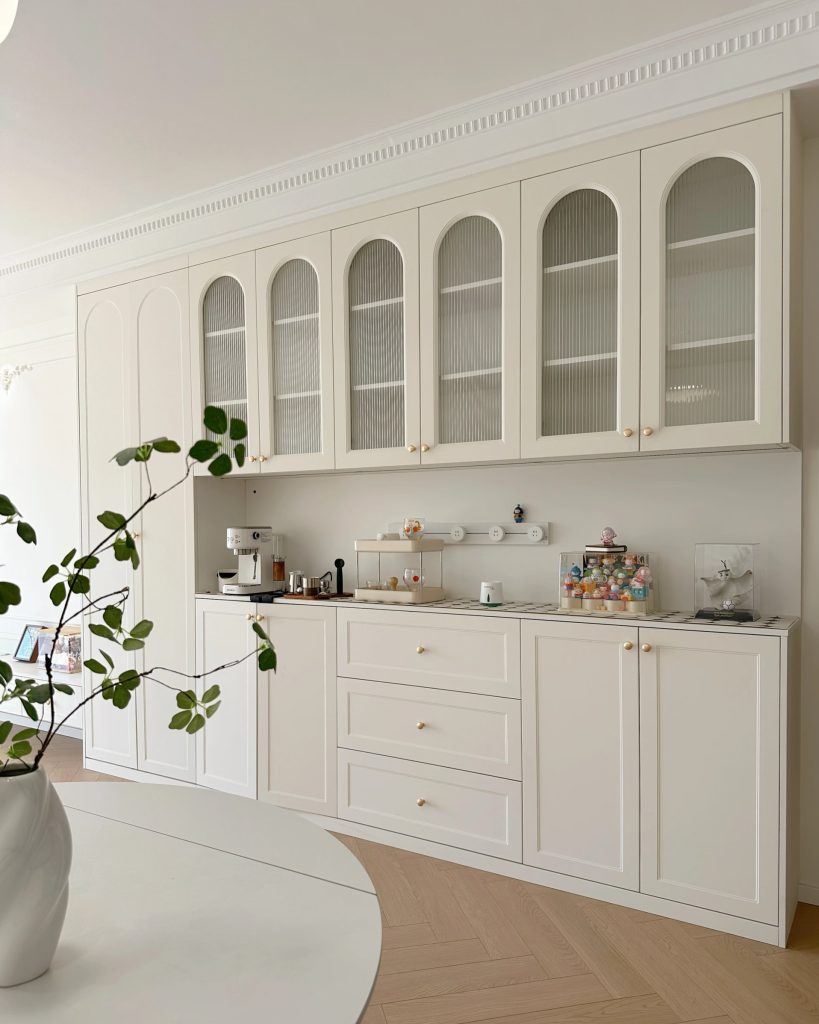
🔷 Introduction (60-Word Text Box)
Custom furniture manufacturing combines design creativity, structural engineering, and precision production to deliver tailored interior solutions for residential, commercial, and hospitality projects.
A professional bespoke furniture producer integrates advanced machinery, experienced craftsmanship, strict quality control systems, and international project management capabilities to transform architectural concepts into durable, functional, and aesthetically refined furniture installations worldwide.
1. The Rise of Custom Furniture in Global Interior Design
Over the past decade, custom-made furniture has evolved from a luxury niche into a mainstream requirement for architects, developers, hotel groups, and high-end homeowners. Standardized furniture can no longer satisfy the growing demand for brand identity, spatial optimization, and long-term durability.
From my professional experience collaborating with interior contractors and overseas developers, successful custom furniture projects are not simply about appearance—they are about precision coordination between design drawings, material selection, production scheduling, installation logistics, and long-term service support.
Custom furniture manufacturing is a technical discipline as much as it is an artistic craft.
2. What Defines a Professional Custom Furniture Manufacturer?
A qualified bespoke furniture manufacturer must combine:
- In-house design interpretation capabilities
- Engineering drawing optimization
- CNC machining precision
- Material science expertise
- Project-based production planning
- Global shipping experience
Unlike mass-production furniture factories, custom manufacturers operate on project-based workflows. Each order is unique, requiring strict technical communication and quality validation at every stage.
3. Types of Custom Furniture Solutions
Professional manufacturers typically serve multiple sectors:
3.1 Residential Custom Furniture
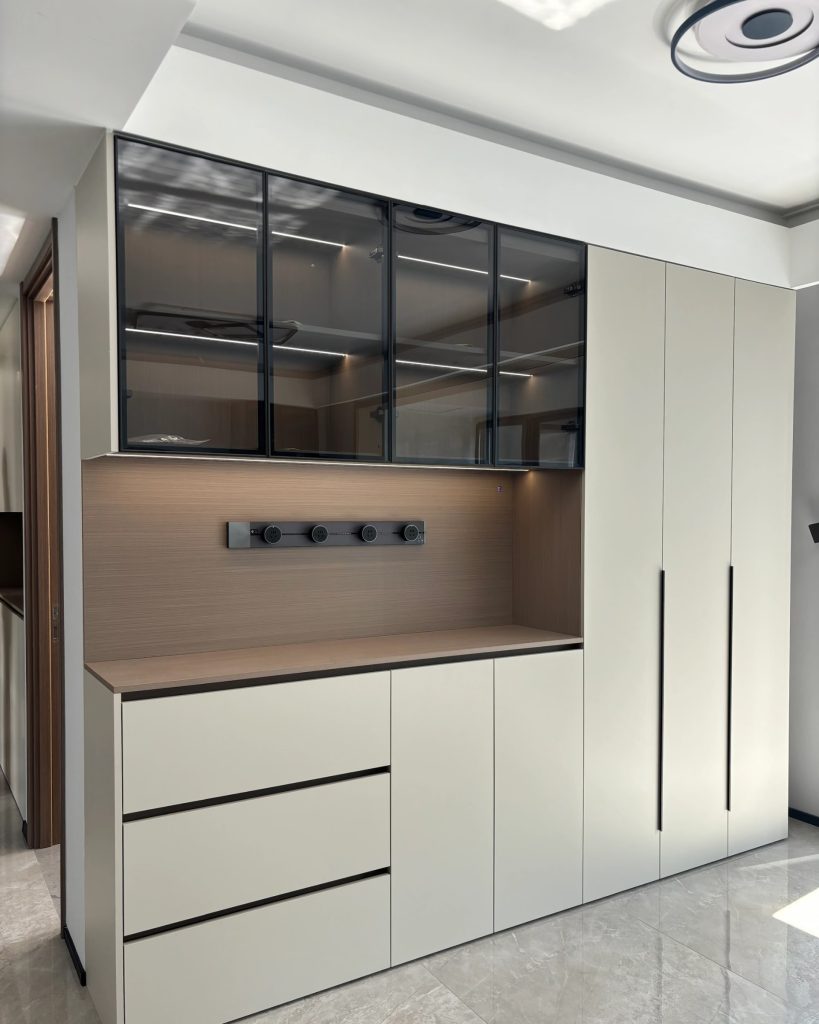
- Walk-in wardrobes
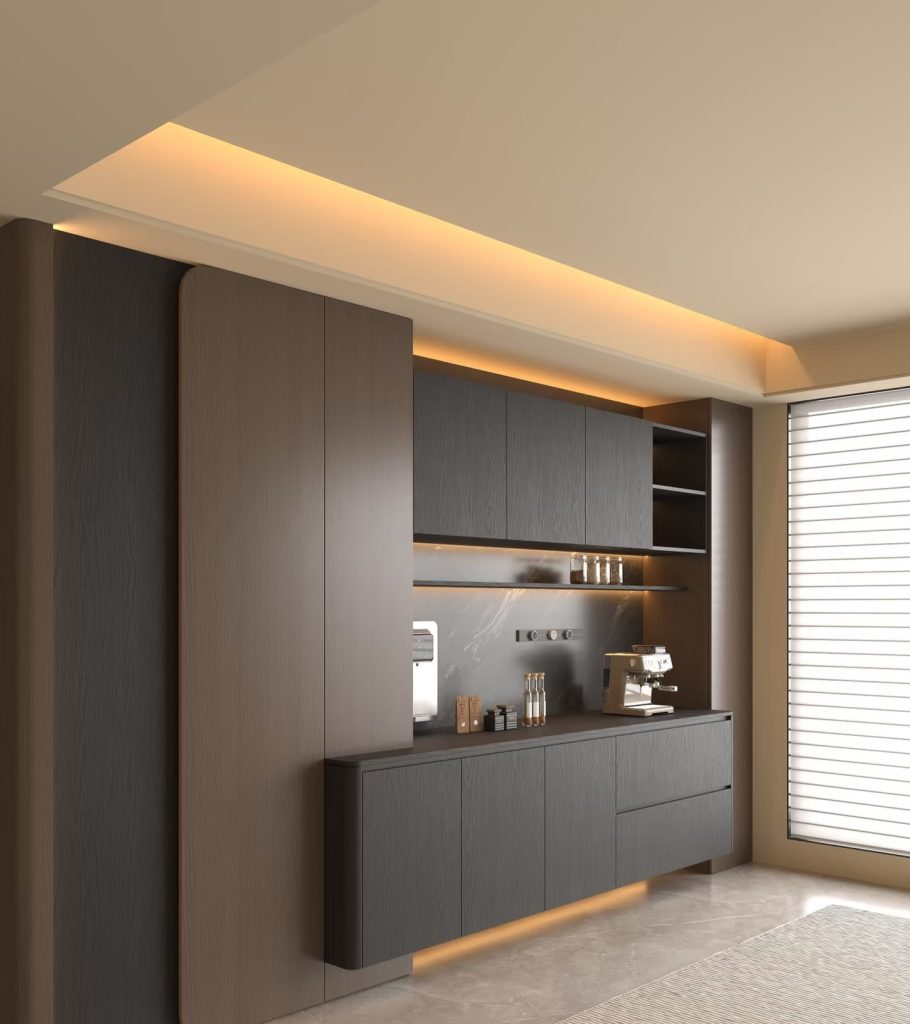
- Kitchen cabinets
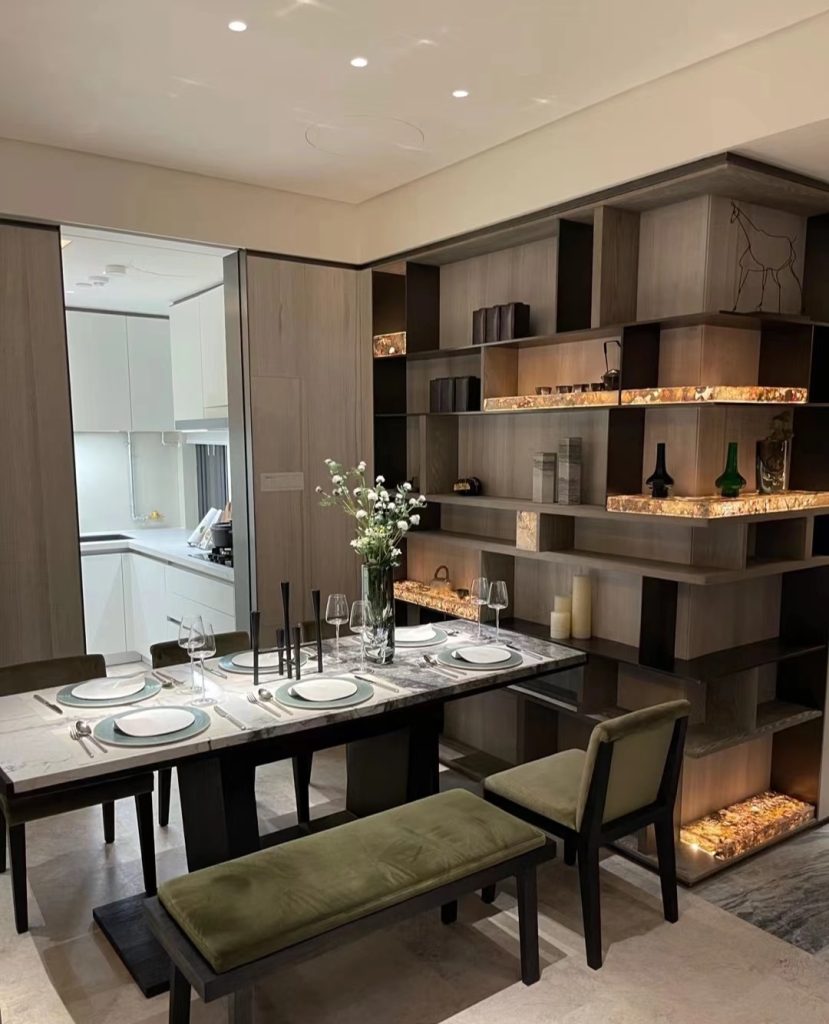
- Built-in shelving
- Custom beds and headboards
- TV units and storage systems
3.2 Hospitality Furniture
- Hotel room casegoods
- Lobby reception desks
- Restaurant seating
- Bar counters
- Banquet furniture
3.3 Commercial & Office Furniture
- Executive desks
- Conference tables
- Workstations
- Retail display cabinets
3.4 Luxury Villa & High-End Projects
- Solid wood paneling
- Decorative wall units
- Marble-integrated cabinetry
- Architectural millwork
Each segment demands different structural standards and finish requirements.
4. Materials Used in Bespoke Furniture Manufacturing
Material selection directly impacts durability, cost, and aesthetics.
4.1 Wood-Based Materials
- Solid wood (oak, walnut, ash)
- MDF (medium-density fiberboard)
- Plywood
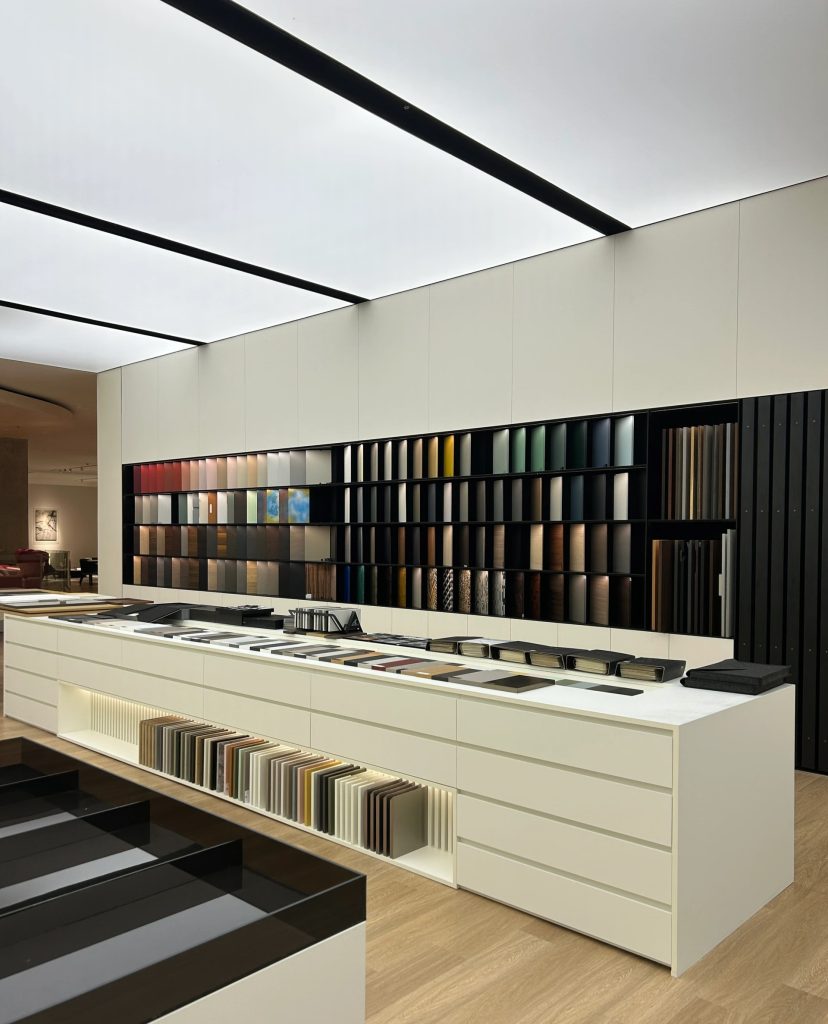
- Veneered panels
4.2 Surface Finishes
- High-gloss lacquer
- Matte paint
- Natural wood veneer
- Melamine board
- UV coating
4.3 Hardware Components
- Soft-close hinges
- Drawer slides
- Stainless steel fittings
- Imported branded hardware
4.4 Stone & Metal Integration
- Marble countertops
- Quartz surfaces
- Aluminum frames
- Stainless steel structures
Professional manufacturers test material stability under humidity and temperature variations to ensure long-term structural integrity.
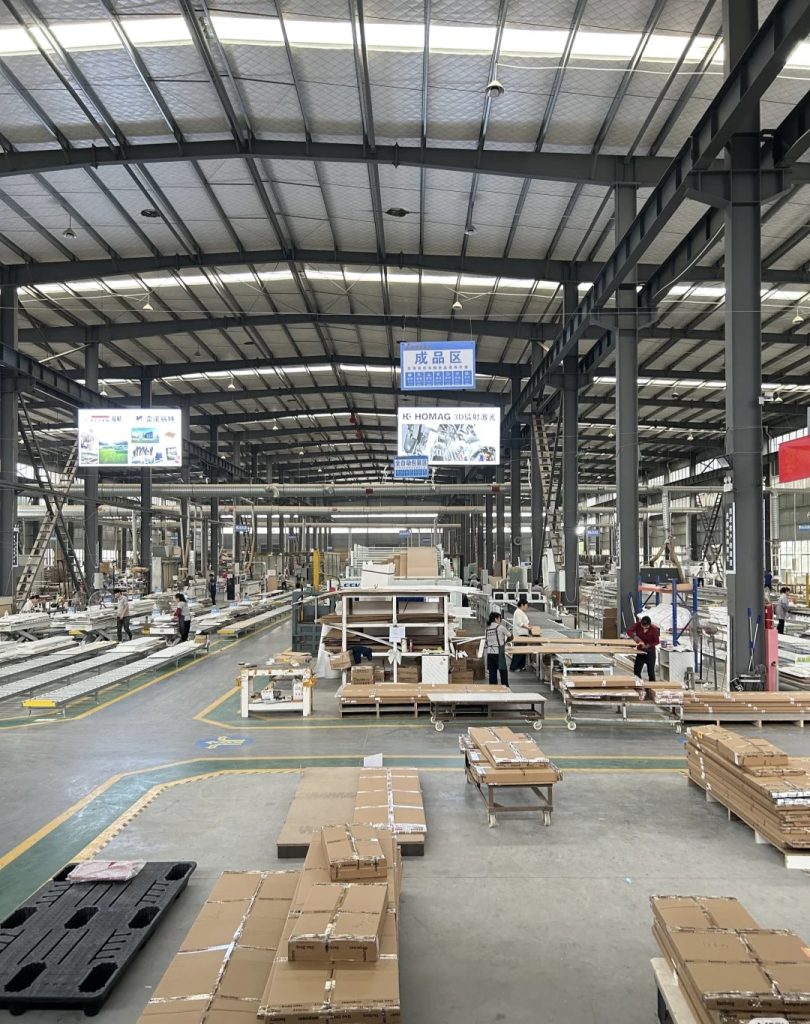
5. Engineering & Production Workflow
Custom furniture production typically follows a structured process:
- Client drawing review
- Shop drawing preparation
- Material confirmation
- Sample approval
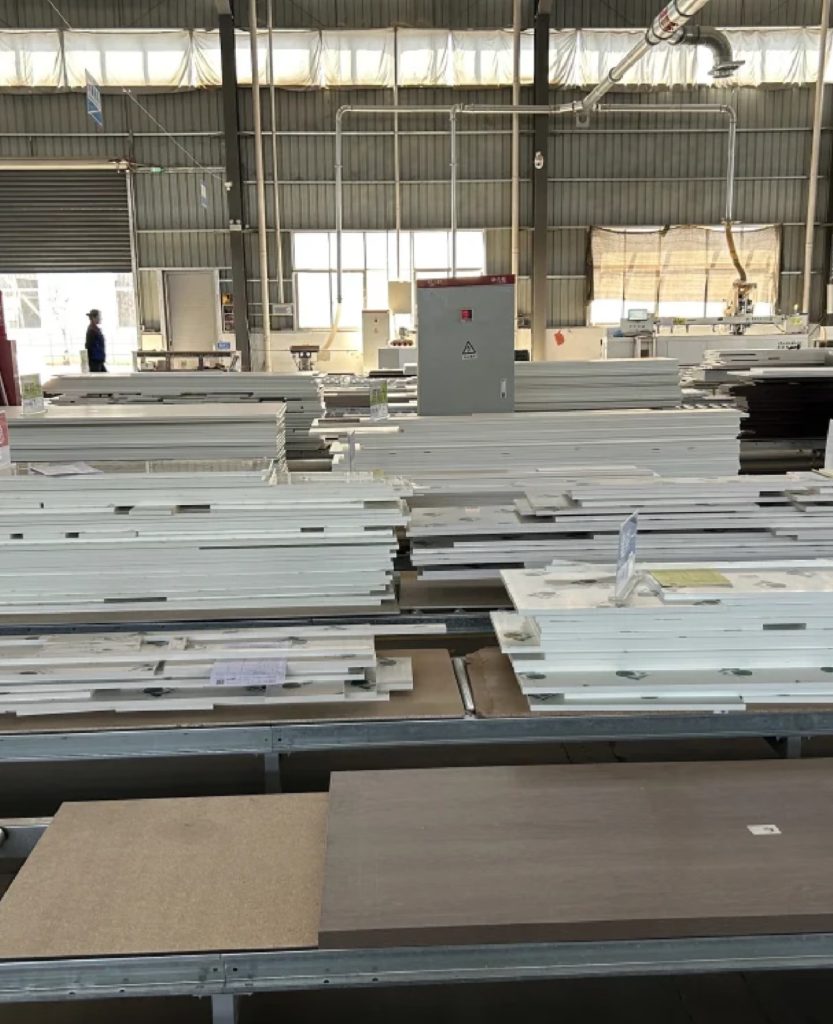
- CNC cutting
- Edge banding
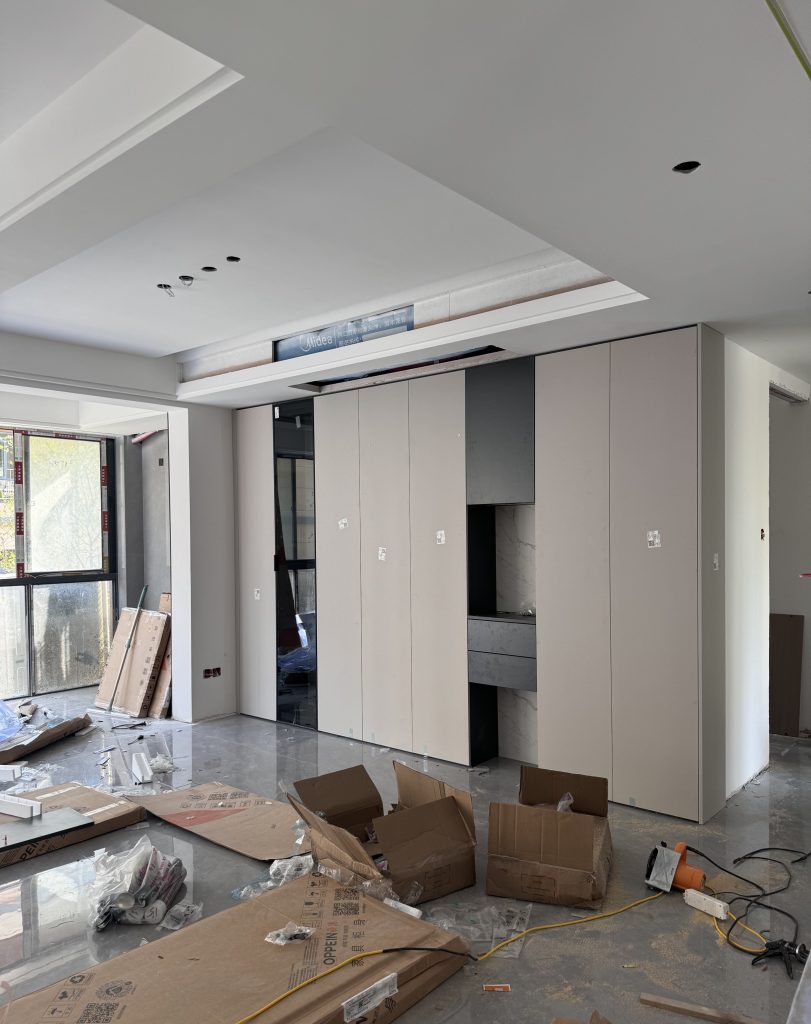
- Assembly
- Surface finishing
- Quality inspection
- Packing and shipping
Engineering precision at the shop drawing stage prevents installation errors later.
From experience, more than 70% of project issues originate from unclear technical drawings rather than manufacturing defects.
6. Precision Manufacturing Technology
Modern custom furniture factories utilize:
- CNC machining centers
- Edge banding machines
- Automatic drilling systems
- Spray painting lines
- Dust-free finishing rooms
Digital machinery improves dimensional accuracy and consistency across large projects.
However, craftsmanship remains essential—especially in veneer matching, painting quality, and final assembly detailing.
7. Quality Control & Project Management
Reliable custom furniture manufacturers implement multi-stage quality control:
- Raw material inspection
- Dimensional verification
- Surface finish testing
- Hardware durability testing
- Pre-installation assembly checks
For international projects, detailed labeling and modular packaging reduce onsite installation errors.
Professional project managers coordinate production timelines to align with construction schedules.
8. Export & International Project Experience
An experienced custom furniture manufacturer must understand:
- Export documentation requirements
- Container loading optimization
- International shipping timelines
- Import regulations of destination countries
Typical export documents include:
- Commercial invoice
- Packing list
- Bill of lading
- Certificate of origin
Clear labeling and knock-down packaging minimize freight cost and damage risk.
9. Customization Capabilities
A strong bespoke furniture partner offers:
- Size customization
- Material customization
- Color matching (Pantone or sample-based)
- Hardware brand selection
- Logo integration
- Packaging branding
For hospitality and developer projects, customization ensures brand consistency across multiple locations.
10. Sustainability & Environmental Responsibility
Modern furniture manufacturing increasingly prioritizes:
- E0/E1 environmental board standards
- Low-VOC paints
- FSC-certified wood
- Waste reduction in cutting processes
Sustainability compliance enhances project credibility, especially in European and North American markets.
11. Production Capacity & Lead Time Planning
Capacity planning depends on:
- Factory size
- Number of production lines
- Complexity of design
- Surface finishing type
Large custom furniture factories may handle:
- 50–200 hotel rooms per month
- Multiple villa projects simultaneously
Accurate scheduling ensures timely delivery for construction projects.
12. Cost Factors in Custom Furniture Manufacturing
Pricing is influenced by:
- Material selection
- Hardware quality
- Finishing complexity
- Quantity
- Shipping destination
Solid wood and luxury finishes increase cost significantly compared to melamine-based solutions.
Transparent quotation systems build long-term client trust.
13. Why Choose an Experienced Custom Furniture Manufacturer?
From my involvement in cross-border project coordination, reliable manufacturers offer:
- Engineering expertise
- Strong communication
- Sample validation before mass production
- On-time delivery
- Installation guidance support
Long-term partnerships reduce costly redesigns and construction delays.
14. Risk Management in Custom Projects
Common risks include:
- Dimensional mismatch
- Surface finish inconsistency
- Hardware failure
- Shipping damage
Professional factories mitigate these risks through:
- Pre-shipment assembly tests
- Protective packaging
- Detailed labeling systems
- Digital quality records
Preventive planning reduces onsite adjustment costs.
15. After-Sales Service & Warranty
A professional manufacturer typically provides:
- 1–3 year product warranty
- Spare parts support
- Remote technical assistance
- Replacement component service
After-sales support strengthens business credibility.
16. Frequently Asked Questions (FAQ)
1. Can you produce fully customized furniture according to our drawings?
Yes. We specialize in project-based custom furniture manufacturing. You can provide architectural drawings, 3D renderings, or technical specifications, and our engineering team will prepare detailed shop drawings for confirmation before production.
2. What is the MOQ (Minimum Order Quantity)?
MOQ depends on product type:
- For project-based furniture: MOQ can start from 1 complete project.
- For single-item custom pieces: typically 10–30 units, depending on complexity.
Custom requirements may affect minimum order conditions.
3. What is the production lead time?
Lead time varies based on project size:
- Small residential project: 20–35 days
- Hotel or commercial project: 45–75 days
- Large-scale development: based on project schedule
Production begins after drawing and material confirmation.
4. Do you have ready stock available?
Since we specialize in custom furniture, most products are made-to-order.
However, certain standard cabinet modules or display units may be available depending on inventory.
Please contact us for current stock availability.
5. Can you provide samples before bulk production?
Yes. Material samples and small product samples can be provided for approval before full production begins.
17. Conclusion
Custom furniture manufacturing is a highly technical and collaborative process that integrates design interpretation, material expertise, precision machinery, and disciplined project management. A professional bespoke furniture production partner ensures:
- Dimensional accuracy
- High-quality finishes
- Reliable delivery timelines
- Sustainable materials
- International shipping expertise
Whether you are a property developer, hotel operator, interior contractor, or furniture distributor, choosing an experienced custom furniture manufacturer guarantees long-term project success and brand consistency.


No reply content