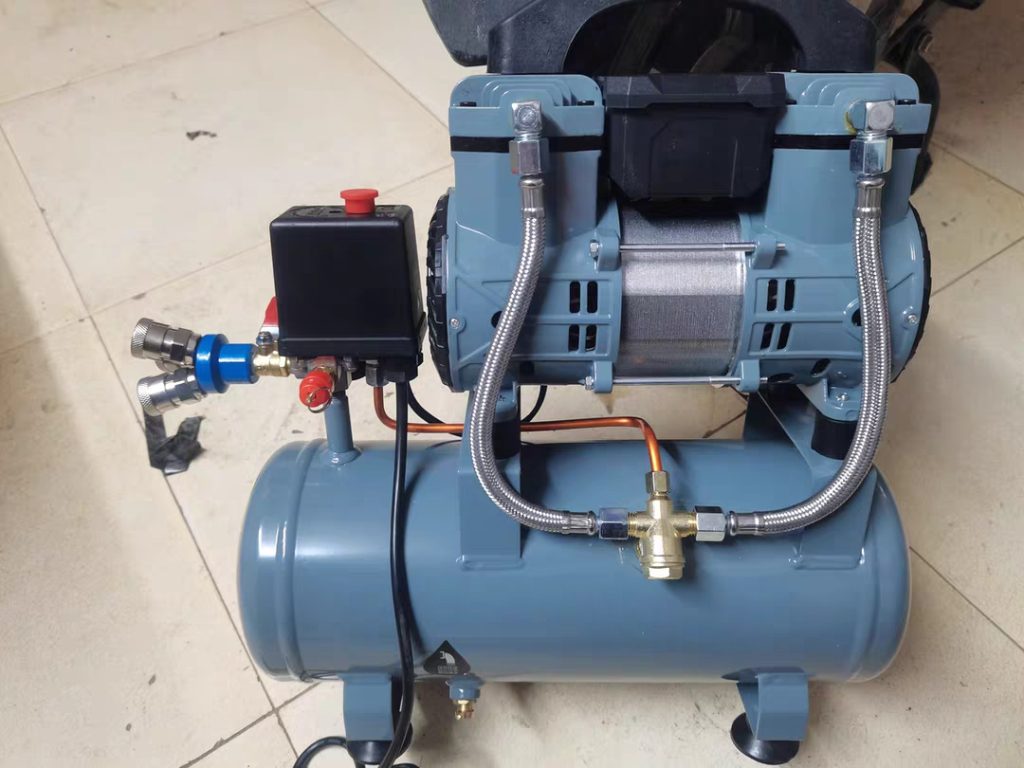
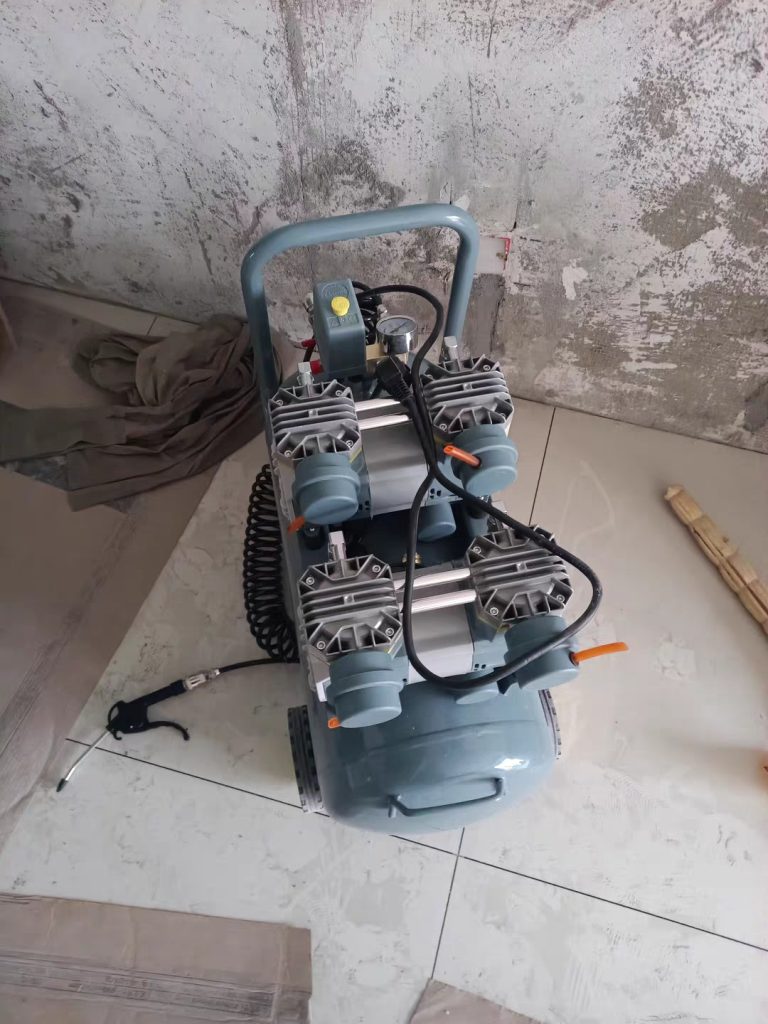
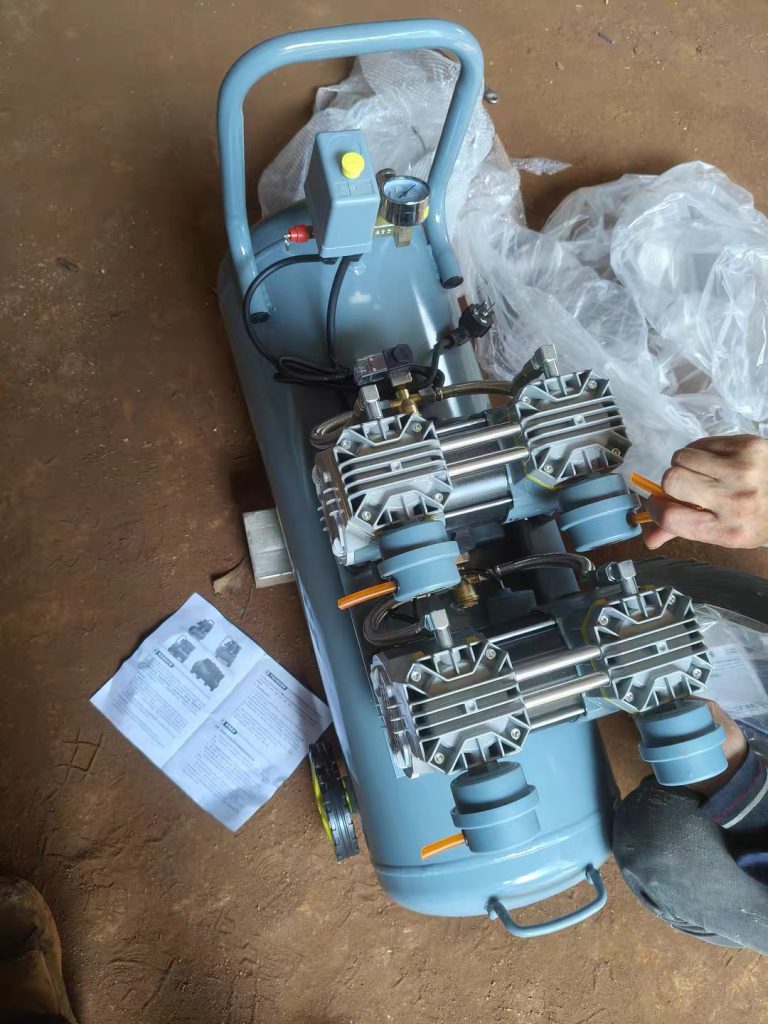
Introduction
For small manufacturing plants, choosing the right air compressor is not just about buying a machine—it is about ensuring stable production, controlling operating costs, and avoiding unexpected downtime. Many factory owners realize too late that an incorrectly sized or poorly matched air compressor can lead to energy waste, frequent breakdowns, and inconsistent air supply that directly affects product quality.
Unlike large industrial facilities with dedicated engineering teams, small manufacturing plants often rely on limited technical knowledge when purchasing equipment. This guide is written to bridge that gap. From a manufacturer’s and engineer’s perspective, we will explain how to choose the best air compressor for small manufacturing plants, what common mistakes to avoid, and which specifications actually matter in real-world factory operations.
What Defines a “Small Manufacturing Plant”?
A small manufacturing plant typically has:
- 5–50 employees
- Limited floor space
- One or several production lines
- Air demand ranging from light to moderate
- A strong need for cost control and reliability
Common examples include:
- CNC machining workshops
- Metal fabrication shops
- Furniture and woodworking factories
- Packaging and labeling facilities
- Plastic injection molding workshops
These plants usually operate 6–16 hours per day and require a consistent but not excessive compressed air supply.
Why Air Compressor Selection Is Critical for Small Factories
Compressed air is often called the “fourth utility” in manufacturing, alongside electricity, water, and gas. In small factories, an air compressor powers:
- Pneumatic tools
- CNC machines
- Packaging equipment
- Spray painting systems
- Automated assembly lines
If the air compressor fails or performs poorly, the entire production line may stop. For small plants, even one hour of downtime can mean lost orders and delayed deliveries.
Common Mistakes Small Manufacturing Plants Make
Before choosing the best air compressor, it is important to understand what not to do.
1. Choosing Based on Price Alone
Low-cost compressors often come with:
- Poor energy efficiency
- Short service life
- High maintenance costs
What seems cheap at first may become expensive over time.
2. Oversizing the Compressor
Many buyers believe a larger compressor is safer. In reality:
- Oversized compressors waste energy
- Frequent unloading causes wear
- Electricity bills increase unnecessarily
3. Ignoring Air Quality Requirements
Oil contamination, moisture, and dust can damage tools and products—especially in food, electronics, and painting applications.
4. Underestimating Future Expansion
Small plants often grow. A compressor that barely meets current demand may become insufficient within a year.
Types of Air Compressors Suitable for Small Manufacturing Plants
Piston (Reciprocating) Air Compressors
Best for: Light-duty and intermittent use
Advantages:
- Low initial cost
- Simple structure
- Easy maintenance
Disadvantages:
- Higher noise levels
- Limited duty cycle
- Less energy-efficient
Recommended for: Small workshops using pneumatic tools occasionally.
Rotary Screw Air Compressors
Best for: Continuous and stable industrial use
Advantages:
- High efficiency
- Continuous air supply
- Low noise and vibration
- Long service life
Disadvantages:
- Higher upfront cost than piston compressors
Recommended for: Small manufacturing plants running CNC machines, packaging lines, or multiple tools simultaneously.
Oil-Free Air Compressors
Best for: Clean air applications
Advantages:
- Zero oil contamination
- Suitable for sensitive industries
Disadvantages:
- Higher price
- Higher maintenance requirements
Recommended for: Food processing, pharmaceuticals, electronics, and painting workshops.
How to Choose the Right Air Compressor Size
Step 1: Calculate Total Air Demand
List all air-consuming equipment and note:
- Air flow (CFM or m³/min)
- Working pressure (PSI or bar)
Add 20–30% margin for safety.
Step 2: Determine Operating Pressure
Most industrial tools require:
- 6–8 bar (90–115 PSI)
Do not overspecify pressure—it increases energy consumption.
Step 3: Consider Duty Cycle
If your factory operates:
- Less than 4 hours/day → piston compressor may suffice
- More than 8 hours/day → rotary screw compressor is recommended
Energy Efficiency: A Hidden Cost Factor
Electricity accounts for up to 70% of an air compressor’s lifetime cost. Energy-efficient compressors may cost more initially but save significant money long-term.
Key efficiency indicators:
- Motor efficiency (IE3 or IE4)
- Variable Speed Drive (VSD)
- Optimized cooling system
For small manufacturing plants, VSD screw compressors are often the most cost-effective solution.
Noise and Installation Considerations
Small plants usually have limited space and operate close to workers.
Recommended noise levels:
- Below 70 dB for indoor installation
Proper installation includes:
- Adequate ventilation
- Dry and clean environment
- Easy access for maintenance
Maintenance Requirements for Small Factories
A good air compressor should be:
- Easy to service
- Supported by available spare parts
- Backed by technical support
Regular maintenance includes:
- Oil changes
- Filter replacement
- Drainage of condensate
Choosing a reliable manufacturer reduces maintenance risks.
Best Air Compressor Configuration for Small Manufacturing Plants
Typical Recommended Setup
- Rotary screw air compressor
- Air receiver tank
- Refrigerated air dryer
- Line filters
This configuration ensures stable pressure, dry air, and long equipment life.
Real-World Application Examples
CNC Machining Workshop
- Recommended: 7.5–15 kW rotary screw compressor
- Pressure: 7–8 bar
- Optional VSD for energy savings
Metal Fabrication Plant
- Recommended: 11–22 kW screw compressor
- Additional air dryer for moisture control
Furniture Manufacturing Factory
- Recommended: Oil-injected screw compressor
- Low noise preferred for indoor installation
How Much Does an Air Compressor Cost for a Small Manufacturing Plant?
Approximate price ranges:
- Piston compressors: USD 800–3,000
- Rotary screw compressors: USD 3,000–12,000
- Oil-free compressors: USD 6,000–20,000
Total cost should include:
- Installation
- Electrical upgrades
- Air treatment equipment
Why Buying Directly from a Manufacturer Matters
As an air compressor manufacturer, we often see small factories struggle due to poor supplier support. Buying directly from a manufacturer offers:
- Custom configuration
- Stable quality control
- Better technical support
- Competitive pricing
Manufacturers understand real industrial usage better than resellers.
Future-Proofing Your Investment
When selecting an air compressor, consider:
- Modular expansion options
- Energy-efficient upgrades
- Remote monitoring capabilities
This ensures your compressor grows with your factory.
Frequently Asked Questions (FAQ)
Q1: Is a screw air compressor worth it for a small factory?
Yes, if your factory operates daily and requires stable air supply.
Q2: How often should maintenance be performed?
Routine checks weekly, full maintenance every 2,000–4,000 hours.
Q3: Can one compressor serve multiple machines?
Yes, with proper sizing and air storage.
Final Thoughts
The best air compressor for a small manufacturing plant is not necessarily the biggest or cheapest one—it is the one that matches your actual production needs, energy budget, and growth plan. By understanding air demand, choosing the right compressor type, and working with a reliable manufacturer, small factories can achieve stable production and long-term cost savings.
A well-chosen air compressor is not an expense—it is an investment in productivity, reliability, and business growth.


No reply content