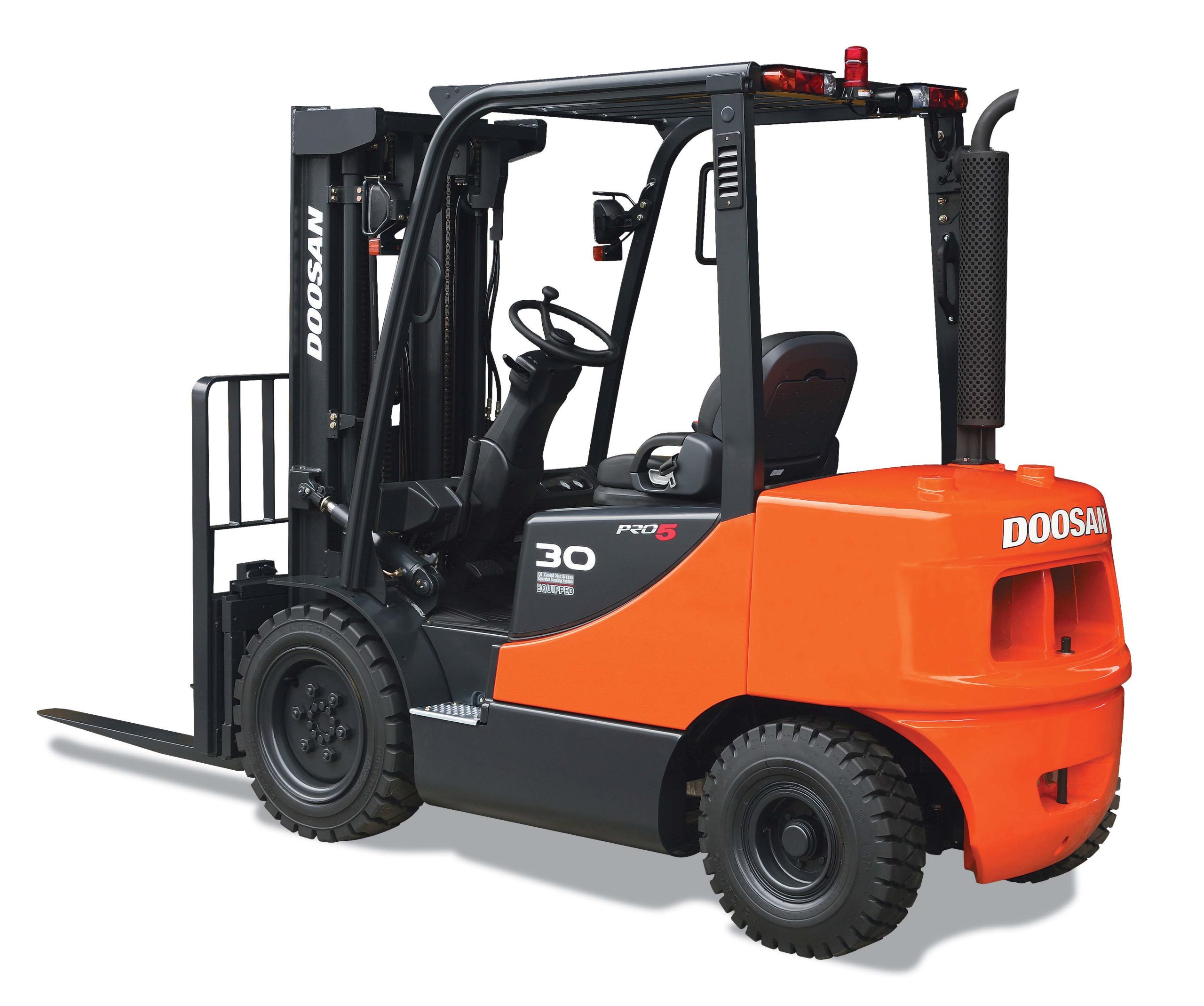
Guangzhou Forklift Manufacturing Factory
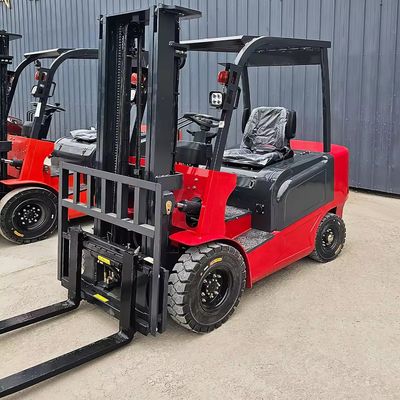
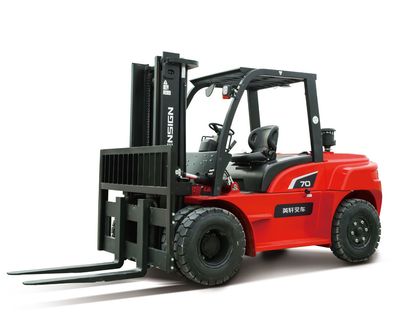
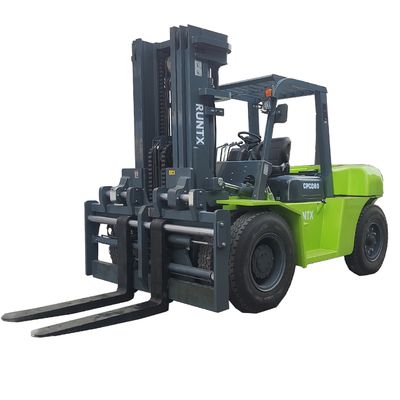
——A Deep Dive into the Core Competencies of China’s Electric Forklift Industry
In the global shift toward sustainable logistics, electric forklifts have emerged as a cornerstone of warehouse and industrial efficiency. China, as the world’s largest producer of material handling equipment (accounting for over 50% of global output), has seen its electric forklift suppliers rise from “followers” to “leaders”—driven by technological breakthroughs, cost efficiency, and a deep understanding of diverse application scenarios. This article explores the core strengths of China’s top electric forklift suppliers, their product innovations, and why they are increasingly preferred by global buyers.
I. The Rise of China’s Electric Forklift Industry: From Volume to Value
China’s electric forklift sector has evolved far beyond its early reputation for “low-cost manufacturing.” Today, leading suppliers combine policy tailwinds, industrial chain synergy, and user-centric design to deliver products that rival—and often outperform—imported brands.
-
Policy Momentum: China’s “Dual Carbon” goals (peaking emissions by 2030, carbon neutrality by 2060) have spurred subsidies for “oil-to-electric” transitions (e.g., 30% replacement subsidies in key regions like Shanghai), accelerating adoption in warehouses and factories.
-
Industrial Chain Dominance: Domestic suppliers leverage a vertically integrated ecosystem—from lithium-ion batteries (e.g., CATL, BYD) and permanent magnet motors (e.g., Jing-Jin Electric) to electronic control systems (e.g., Inovance)—reducing costs by 20–30% compared to imports while ensuring quality control.
-
Demand-Driven Innovation: Surging e-commerce, cold-chain logistics, and smart manufacturing have pushed suppliers to develop specialized models for narrow aisles, low-noise environments, and extreme temperatures.
II. Core Competencies of Top Chinese Electric Forklift Suppliers
What sets China’s best electric forklift suppliers apart? Five pillars define their leadership:
1. Technological Leadership: Beyond Basic Electrification
Leading suppliers invest heavily in R&D to solve industry pain points:
-
Battery Innovation: Adoption of lithium iron phosphate (LiFePO₄) batteries with cycle lives exceeding 3,000 charges, supporting 6–8 hours of continuous operation (matching diesel forklift runtime). Fast-charging technology (0–80% in 1 hour) minimizes downtime.
-
Intelligent Control Systems: Integration of IoT sensors for real-time monitoring of battery health, load capacity, and maintenance alerts. Some models feature autonomous navigation (AGV compatibility) for smart warehouses.
-
Energy Efficiency: Permanent magnet synchronous motors (PMSMs) reduce energy consumption by 15–20% compared to traditional motors, lowering operational costs.
2. Product Diversification: Tailored to Every Scenario
Suppliers offer a wide range of models to meet niche demands:
-
By Load Capacity: From 1-ton light-duty models (for retail warehouses) to 10-ton heavy-duty forklifts (for ports and construction).
-
By Application:
-
Cold-Chain Models: Insulated cabins and corrosion-resistant components for -25°C environments (e.g., frozen food storage).
-
Narrow-Aisle Forklifts: 1.5-meter turning radius for high-density storage facilities.
-
Explosion-Proof Models: Certified for hazardous environments (chemical plants, oil depots).
-
3. Service Ecosystem: End-to-End Support
Beyond sales, suppliers provide comprehensive services:
-
Pre-Sales Consulting: Free site assessments to recommend optimal models (e.g., aisle width, load frequency).
-
After-Sales Maintenance: 24/7 remote diagnostics, on-site repairs within 48 hours (in major markets), and spare parts inventories covering 95% of components.
-
Training Programs: Operator certification courses (aligned with OSHA/CE standards) and fleet management software tutorials.
4. Cost-Effectiveness Without Compromise
While 30–40% cheaper than European/Japanese brands, Chinese suppliers maintain quality through:
-
Localized Supply Chains: Reducing import tariffs and logistics costs.
-
Modular Design: Standardized components (e.g., battery packs, controllers) lower production costs and simplify repairs.
5. Sustainability Focus
Suppliers prioritize eco-friendly practices:
-
Recyclable Materials: Use of 85%+ recyclable steel and aluminum in frames.
-
Zero Emissions: Fully electric powertrains eliminate exhaust fumes, meeting strict indoor air quality regulations (e.g., EPA, EU Stage V).
III. Key Application Scenarios
China’s electric forklifts excel in diverse settings:
-
E-Commerce Warehouses: High-frequency, short-distance lifting with AGV-integrated models.
-
Cold-Chain Logistics: Temperature-controlled cabins preserving perishables.
-
Manufacturing Plants: Precision handling of automotive parts or electronics.
-
Ports & Yards: Heavy-duty models for container loading/unloading.
IV. FAQ: Answering Common Questions About China’s Electric Forklift Suppliers
Q1: What makes Chinese electric forklift suppliers competitive globally?
A: Three factors: ① Technological parity with imports (e.g., LiFePO₄ batteries, IoT integration); ② 30–40% lower total cost of ownership (TCO); ③ Agile customization for niche scenarios (cold-chain, explosion-proof).
Q2: How long do their lithium batteries last?
A: Leading suppliers offer 3,000–5,000 charge cycles (≈8–10 years of daily use) with 80% capacity retention. Warranties typically cover 5 years or 10,000 cycles.
Q3: Can they customize forklifts for unique needs (e.g., extreme heights)?
A: Yes. Suppliers provide modular upgrades: extended masts (up to 12 meters), specialized attachments (clamps, rotators), and reinforced chassis for heavy loads.
Q4: What after-sales support do they offer overseas?
A: Most have regional service centers (Europe, Southeast Asia, North America) with 48-hour response times. Remote troubleshooting via IoT platforms resolves 70% of issues without on-site visits.
Q5: Are their products environmentally certified?
A: Yes. Models comply with CE, EPA, and ISO 14001 standards. Many use recycled materials (85%+ steel/aluminum) and energy-efficient motors (meeting EU Stage V emissions norms).
Q6: How do they compare to Japanese/German brands in reliability?
A: Reliability is comparable, with failure rates <2% annually. Chinese suppliers edge ahead in battery life (longer cycles) and smart features (IoT integration).
Q7: What is the typical lead time for bulk orders?
A: Standard models: 4–6 weeks. Customized orders: 8–12 weeks (depending on component availability).
Q8: Do they offer financing options for buyers?
A: Yes. Many suppliers partner with banks to provide leasing or installment plans (e.g., 0% interest for 12 months), reducing upfront costs.
V. Conclusion: China’s Electric Forklifts—Powering the Future of Global Logistics
China’s top electric forklift suppliers have transcended their “cost-leader” label to become innovators in sustainability, intelligence, and user-centric design. With robust R&D, a resilient industrial chain, and a commitment to service, they are reshaping global material handling—proving that “Made in China” now stands for quality, efficiency, and value.
For businesses seeking to upgrade their fleets, China’s electric forklifts offer a compelling choice: the performance of premium brands, at a fraction of the cost, with support that spans continents.
In short: China’s electric forklift suppliers don’t just move goods—they move industries forward.


No reply content