
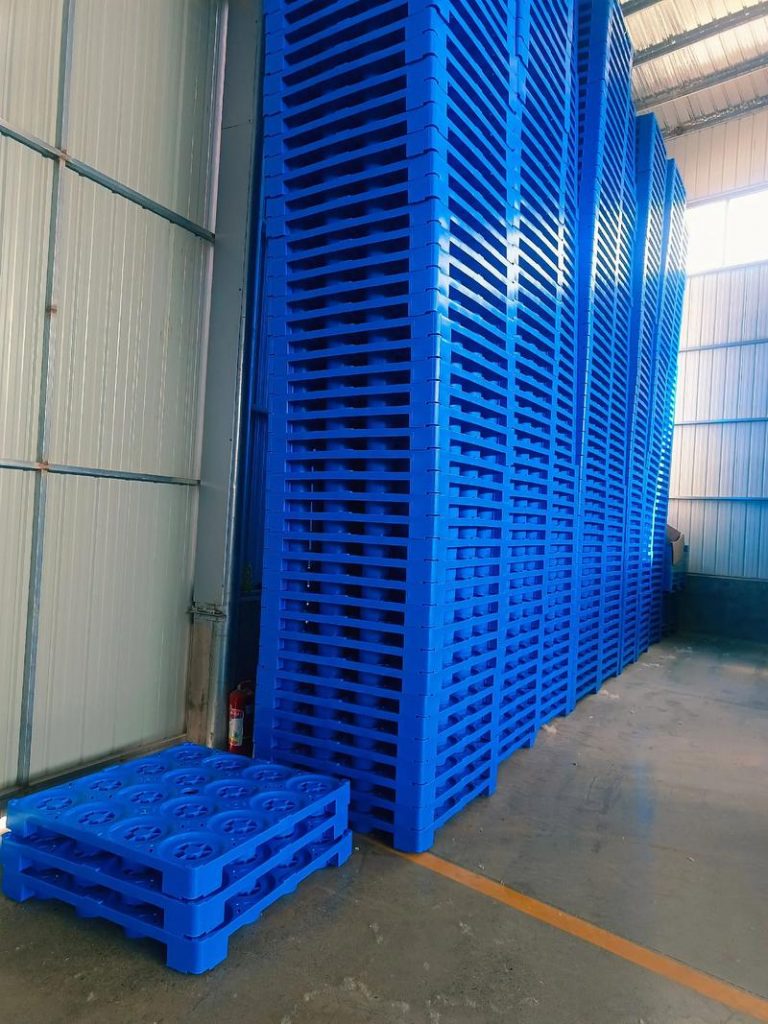
How to Source High-Quality Plastic Pallets for Bulk Procurement
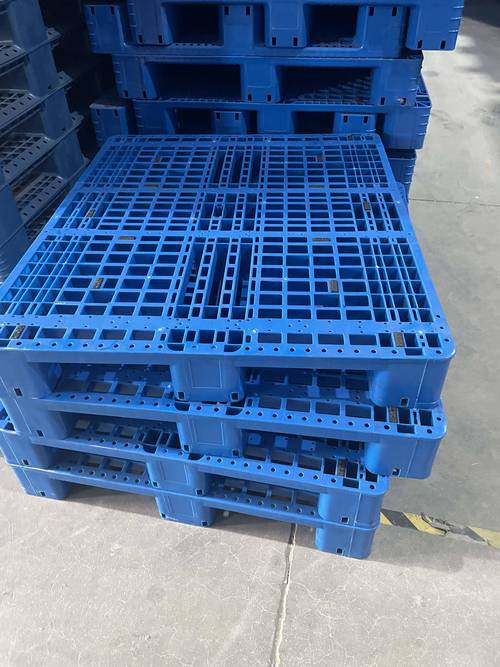
Plastic pallets are a fundamental component for warehouses, logistics operations, and industrial supply chains. For businesses that require large-volume orders, finding reliable suppliers is critical to ensure product quality, timely delivery, and cost efficiency.
This article provides a comprehensive guide on how to identify the best plastic pallet suppliers for large orders, including factors affecting pricing, supplier capabilities, and tips for smooth procurement.
Why Choosing the Right Supplier Matters
When ordering a large quantity of plastic pallets, the supplier you choose can directly impact:
- Cost per unit – Bulk pricing varies by supplier and production scale
- Delivery reliability – Timely shipment prevents warehouse delays
- Quality consistency – Ensures all pallets meet specifications
- Customization capabilities – Tailored sizes, materials, and features
- Long-term partnership potential – Reduces risk in repeat orders
Selecting the right supplier is essential for minimizing operational disruptions and achieving competitive pricing.
Factors to Consider for Large-Volume Plastic Pallet Orders
1. Manufacturing Capacity
Suppliers for bulk orders must have sufficient production capacity:
- Monthly output in thousands of pallets
- Multiple injection molding or compression molding machines
- Capability to produce large, heavy-duty pallets consistently
A supplier with high capacity can handle repeat large orders and reduce lead times.
2. Material Quality
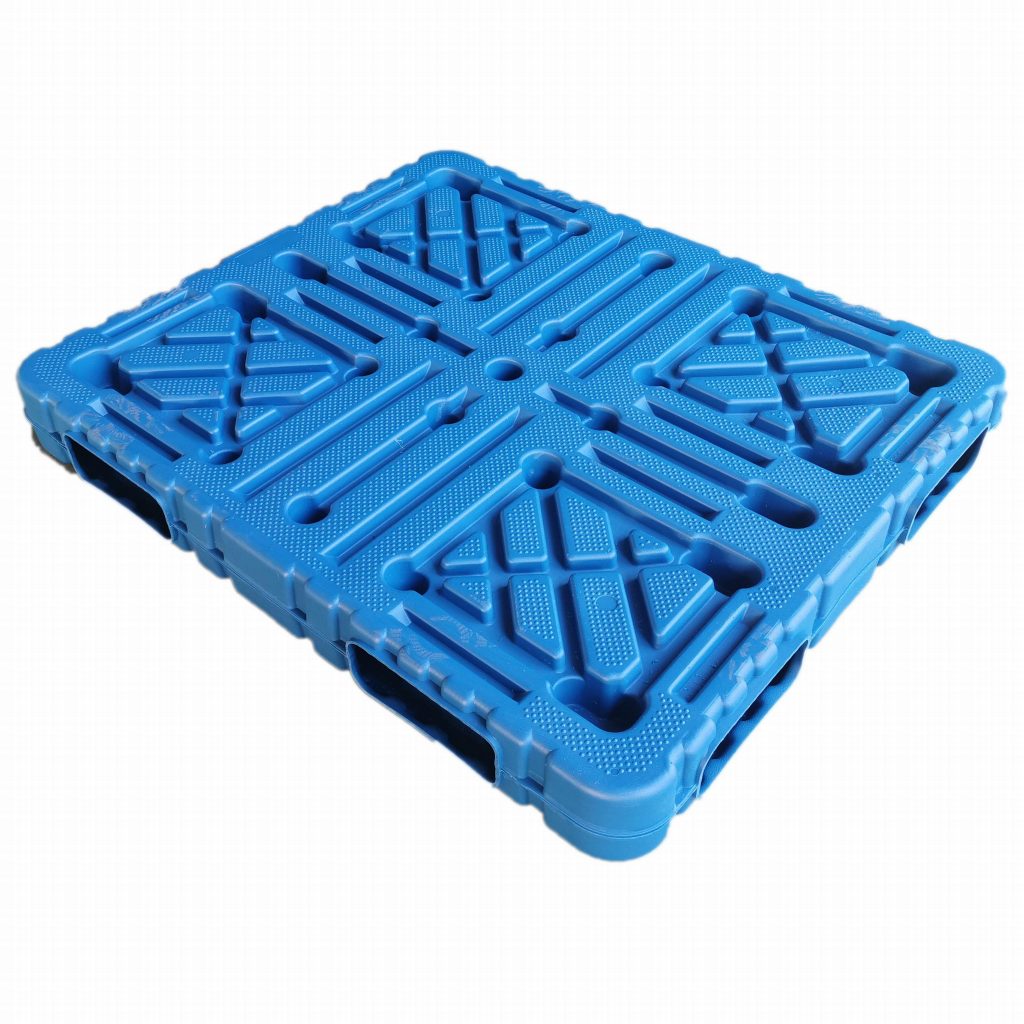
Plastic pallets are typically made from HDPE (high-density polyethylene) or PP (polypropylene). For bulk orders, material choice affects:
- Load-bearing capacity
- Durability and lifespan
- Resistance to chemicals, moisture, and impact
High-quality materials reduce replacement frequency, lowering total cost over time.
3. Load Capacity and Design
Different applications require different pallet specifications:
- Light-duty pallets: 500–1000 kg dynamic load
- Medium-duty pallets: 1000–2000 kg dynamic load
- Heavy-duty pallets: 2000–4000 kg dynamic load or more
Design features for large orders include:
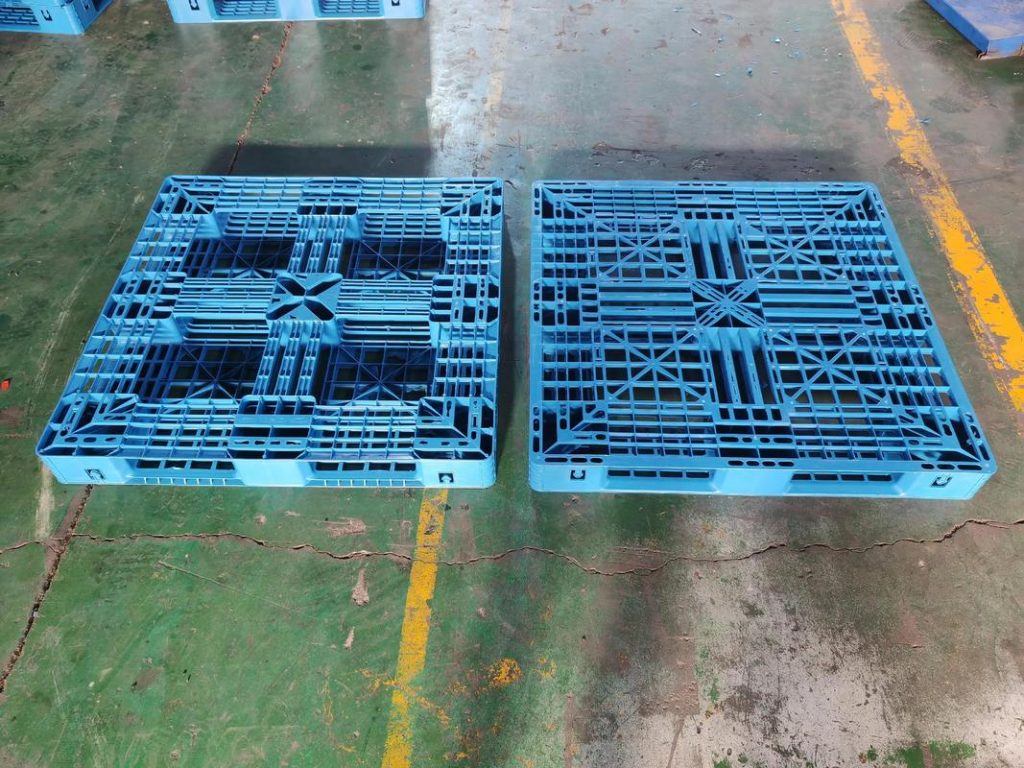
- Rackable or non-rackable pallets
- 2-way or 4-way forklift entry
- Anti-slip surface and reinforced structure
4. Pricing and Bulk Discounts
Wholesale pricing is influenced by:
- Quantity ordered
- Material and pallet type
- Custom features (branding, color, logo)
- Shipping method and destination
Tip: Ask suppliers for tiered pricing based on order size — the larger the order, the lower the per-unit cost.
5. Logistics and Export Capabilities
Reliable suppliers should offer:
- Optimized container loading (20GP, 40HQ)
- Export documentation (invoice, packing list, bill of lading)
- Shipping arrangements to major ports worldwide
- Experience with bulk shipment handling
This ensures large orders are delivered on time without damage.
How to Evaluate the Best Suppliers
When sourcing for large orders, buyers should verify:
- Factory credentials – Production scale, ISO or quality certification
- Experience with bulk exports – Past shipment volume and destinations
- Customization capabilities – OEM, branding, and size adjustments
- Quality assurance process – Load testing, visual inspections, and consistency checks
- Customer support – Clear communication, fast responses, and after-sales service
A well-established supplier will provide reliable quotations, samples, and production timelines before confirming an order.
Applications of Large-Volume Plastic Pallets
Large-order plastic pallets are used in industries such as:
- Warehousing and distribution centers
- Manufacturing and assembly plants
- Construction and heavy industry logistics
- Food and beverage supply chains
- Pharmaceuticals and medical logistics
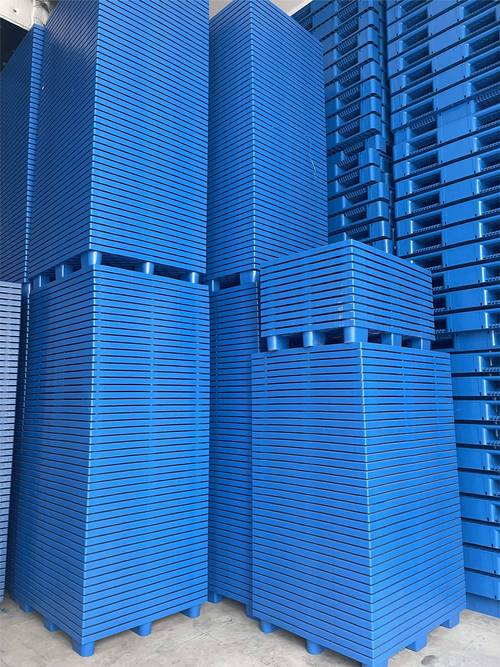
High-volume purchases allow companies to standardize pallet use across multiple locations or projects, simplifying inventory management.
Tips for Ordering Large Quantities
- Specify detailed requirements – Dimensions, load capacity, material type, deck type, and compatibility with forklifts or racks.
- Request samples – Test a few pallets before committing to thousands.
- Plan production lead time – Large orders often require longer manufacturing cycles.
- Negotiate bulk pricing – Higher volume orders should qualify for significant discounts.
- Consider long-term partnership – Reliable suppliers can manage recurring orders and seasonal demand spikes.
Example of Bulk Order Cost Consideration
For example, ordering 1,000 medium-duty HDPE pallets (rackable, 1200×1000 mm):
- Unit price: $25–$30 per pallet
- Total pallet cost: $25,000–$30,000
- Estimated shipping cost (40HQ container): ~$1,500
- Total landed cost: $26,500–$31,500 (~$26.50–$31.50 per pallet including shipping)
This example highlights how bulk ordering reduces unit cost, especially when shipping is optimized.
Conclusion
Sourcing plastic pallets for large orders requires careful consideration of supplier capacity, material quality, pricing, logistics, and customization options.
The best suppliers are those who can consistently deliver:
- High-quality, durable pallets
- Customized solutions for specific operational needs
- Bulk order discounts and reliable shipping
- Long-term supply partnerships
By following these guidelines, businesses can secure high-volume plastic pallets efficiently, ensuring warehouse efficiency, cost savings, and operational reliability.


No reply content