
Custom Lighting Supplier in Zhongshan, China
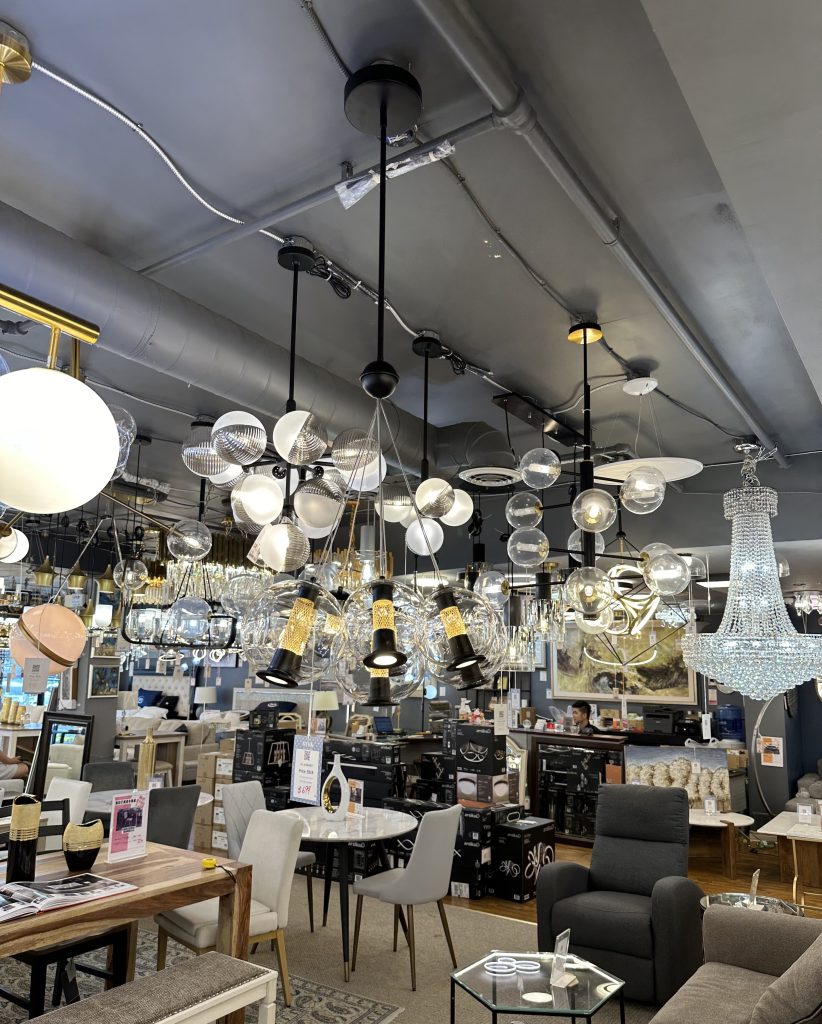
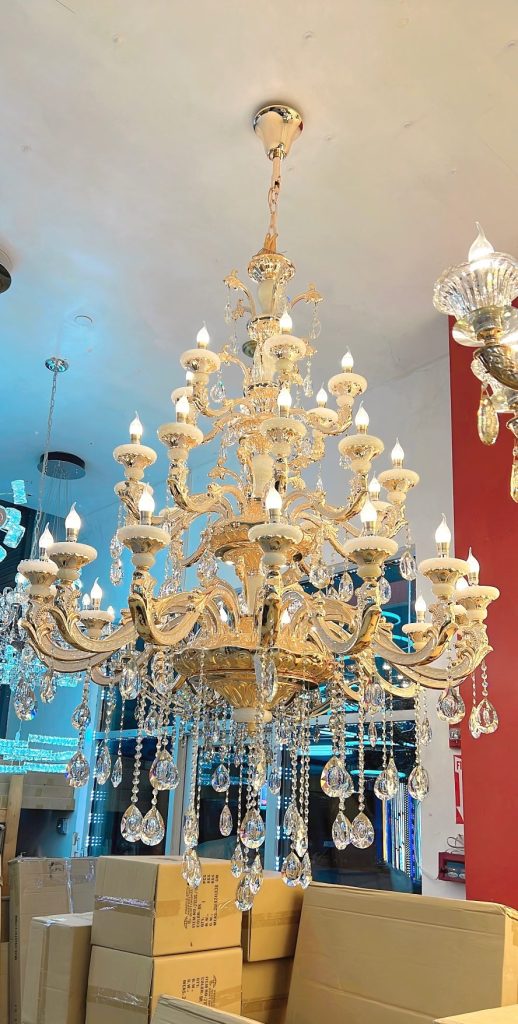
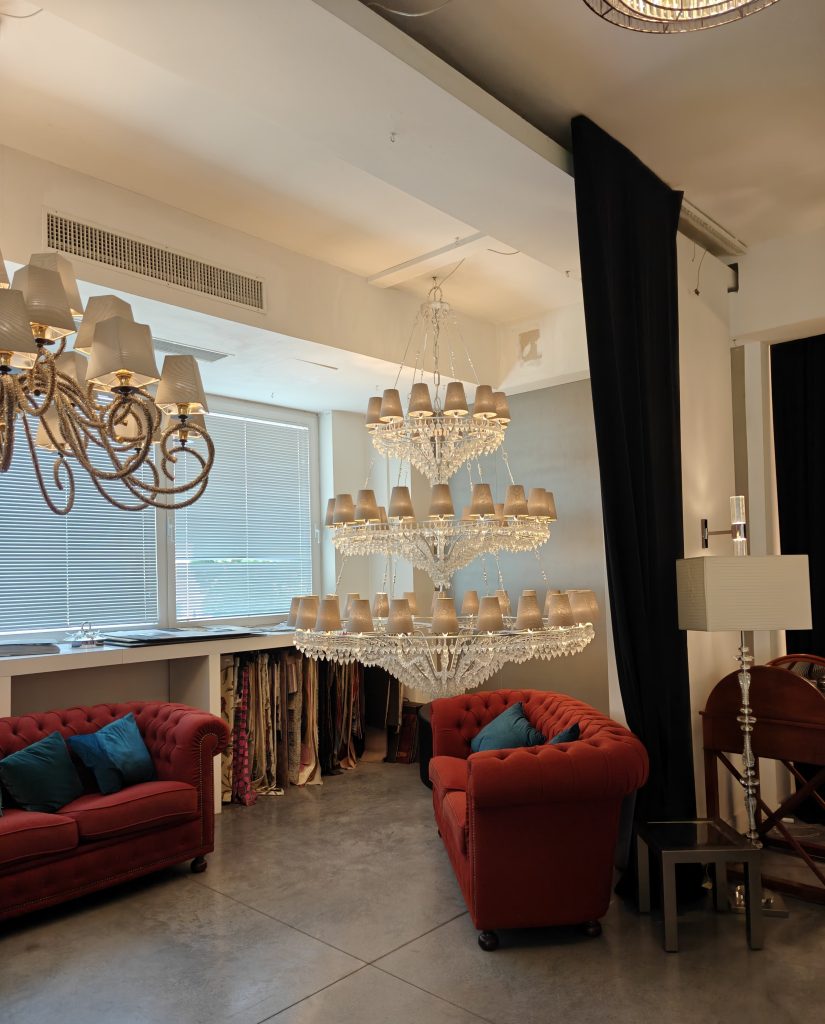
Sourcing chandeliers from China? This guide reveals the engineering behind optical balance, thermal management, and electrical safety. Learn what separates a true manufacturer from a trader.
Introduction: The Physics of a Chandelier
A chandelier is not furniture. It is a dynamic system of light, heat, and gravity.
Most buyers focus on the aesthetics: the finish, the crystal cut, the silhouette. But as a professional supplier, we know that the real value lies in the engineering. A chandelier that flickers, overheats, or sags is not a luxury product—it is a liability.
Based in Guzhen, Zhongshan (the lighting capital of the world), we approach chandelier manufacturing as a discipline of physics. This article explains the technical standards we apply to every fixture, ensuring your investment survives both installation and time.
1. Optical Engineering: CRI, R9, and the Color of Diamonds
The most expensive crystals in the world look dull under bad LEDs. The secret is in the Color Rendering Index (CRI), specifically the R9 value (saturated red).
| Light Source Type | CRI (Ra) | R9 Value | Effect on Crystal/Ambiance |
|---|---|---|---|
| Standard LED | 70-80 | Negative | Makes crystals look grey and lifeless. |
| Commercial Grade | 80-90 | Low Positive | Acceptable for general lighting. |
| Our Luxury Standard | 95+ | >50 | Enhances red tones, making crystals sparkle with fire. |
We don’t just buy chips; we bin them. We ensure MacAdam Ellipse < 3 steps, meaning the human eye cannot detect color differences between individual LEDs in the same fixture.
2. Thermal Management: The Silent Killer of LEDs
LEDs don’t burn out; they overheat. A chandelier with poor heat dissipation will lose 30% of its brightness within a year.
Our Cooling Protocol:
-
Die-Casting Aluminum: For high-wattage fixtures, we use die-cast aluminum bodies, not stamped sheet metal. This acts as a passive heat sink.
-
Thermal Paste: We apply automotive-grade thermal paste between the chip and the housing to eliminate air gaps.
-
Junction Temperature Control: We design to keep the junction temperature (Tj) below 85°C, ensuring a lifespan exceeding 50,000 hours.
3. Structural Integrity: Deflection and Vibration
Large chandeliers (over 1 meter) are susceptible to deflection (sagging) and resonance (vibrating when the wind blows or a door slams).
-
Internal Skeleton: We build an internal stainless steel skeleton. The decorative arms are attached to this skeleton, not just screwed into the canopy.
-
Anti-Sway Wires: For oversized fixtures, we include aircraft cables that anchor the fixture to the ceiling structure, preventing oscillation.
-
Load Calculation: We calculate the maximum load-bearing capacity of the canopy and provide structural certification for engineering firms.
4. Electrical Safety: UL, CE, and the Truth About Drivers
The driver is the heart of the chandelier. Cheap drivers cause flicker and electromagnetic interference (EMI).
-
Class II Double Insulation: All our fixtures feature double insulation to protect against electric shock.
-
Surge Protection: Integrated surge protection (up to 4KV) safeguards against power spikes.
-
Dimming Compatibility: We test our drivers with leading dimmer systems (Lutron, Philips, etc.) to ensure smooth dimming from 0% to 100% without ghosting.
5. The Finish: Salt Spray Testing for Coastal Projects
If your project is near the ocean, standard finishes will corrode within months.
We offer Marine-Grade Finishes:
-
Salt Spray Test: Our premium finishes undergo 96-hour salt spray testing (ASTM B117 standard) to resist oxidation.
-
Multi-Layer Plating: We use a 7-layer electroplating process (Copper -> Nickel -> Chrome/Brass) to ensure the finish adheres permanently.
6. Customization Workflow: From Concept to Crating
We don’t just modify colors; we engineer new forms.
-
Optical Simulation: Using software like Dialux, we simulate the light distribution curve (LDC) to ensure the chandelier lights the intended area (e.g., a dining table) without glare.
-
Structural Mock-up: We 3D print a 1:10 scale model to confirm proportions.
-
Rapid Prototyping: Full-size prototype delivered in 7-12 days.
Frequently Asked Questions (FAQ)
Q1: What is the difference between “Guzhen factory price” and “trader price”?
A: The difference is accountability. A factory controls the welding and the wiring. A trader controls the margin. We are a manufacturing facility located in Guzhen. When you have a technical issue, you speak to the engineer who designed the fixture, not a salesperson reading a script.
Q2: Can you match my specific Pantone color for the metal finish?
A: Yes. We use a spectrophotometer to analyze your sample and mix the paint accordingly. We provide a physical metal chip for your approval before painting the entire batch. Note that matte finishes hide imperfections better than high-gloss finishes.
Q3: How do you handle voltage differences for global shipments?
A: We produce fixtures with universal voltage drivers (100V-277V) as standard. This means a single SKU can be sold in both the US (120V) and Europe (230V) without changing the internal components.
Q4: What is your policy on broken crystals during transit?
A: Crystals are fragile. We include a 3% spare parts allowance (free of charge) with every shipment. For high-value projects, we can pack and ship a separate box of spare crystals directly to the installer.
Q5: Do you provide installation diagrams and templates?
A: Absolutely. Every fixture ships with a detailed Mechanical Installation Plan (MIP). This includes ceiling templates, torque specifications for bolts, and wiring schematics. We also offer video calls with your electrician to walk through the installation.
Conclusion: Engineer Before You Decorate
A chandelier is a marriage of art and physics. By focusing on thermal management, optical purity, and structural integrity, we ensure that the fixture you hang is not just beautiful today, but reliable for decades.
Ready to engineer your next project?
[Request a Technical Specification Sheet] or [Schedule a Live Factory Tour via Video Call].


No reply content