
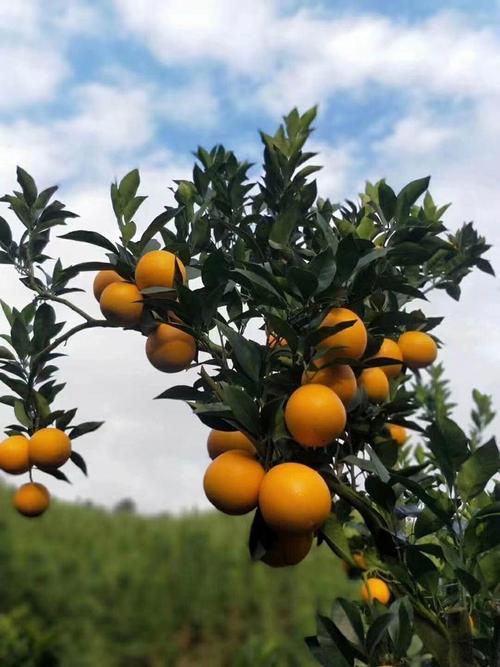
Gannan Navel Orange Orchard China
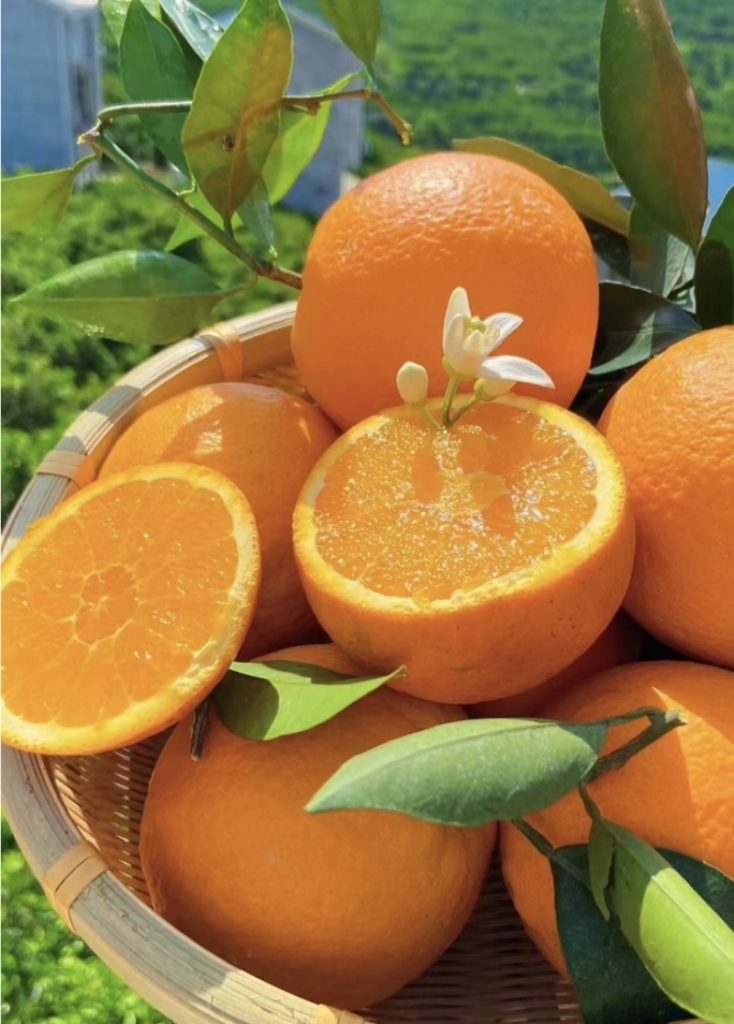
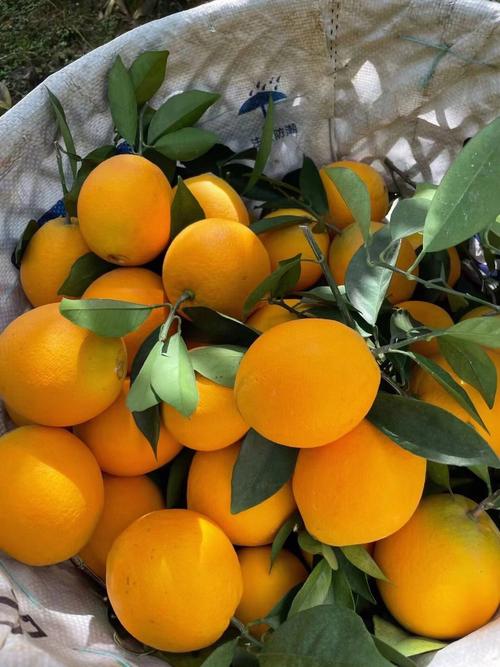
When sourcing Navel Oranges for the wholesale or retail market, many buyers focus solely on Brix levels (sugar content). While taste is vital, professional importers know that consistency, shelf-life, and supply chain transparency determine actual profitability.
As the global demand for citrus rises, here is what separates a premium Navel Orange supplier from a commodity trader.
1. The “Pre-Harvest” Standardization
The quality of a Navel Orange is determined months before harvest. Top-tier growers don’t rely on luck; they rely on data.
-
Orchard Zoning: We map our orchards based on micro-climates. Navels grown on sun-exposed slopes develop thicker, more vibrant skins and higher juice content than those in shaded valleys.
-
Maturity Monitoring: We utilize non-destructive testing to monitor peel color and pulp firmness. We only harvest when the fruit reaches a specific Brix-Acid Ratio, ensuring every shipment tastes identical to the last.
2. Post-Harvest Handling: The Battle Against Desiccation
The biggest enemy of citrus is water loss. A 5% weight loss renders an orange unsellable.
-
Degreening & Curing: Unlike standard packers who rush fruit to market, we implement a controlled curing process. This allows the rind to heal micro-cracks, significantly extending shelf life during long ocean freight journeys.
-
Intelligent Waxing: We use advanced edible coatings (carnauba-based) that regulate gas exchange. This keeps the orange firm and juicy without altering the flavor profile.
3. Supply Chain Transparency (Farm to Fork)
In today’s market, retailers like Tesco or Whole Foods require full traceability.
-
Packhouse Precision: Our packing facilities are GLOBAL G.A.P. certified. Every carton is coded not just by size (72/88/113), but by the specific orchard block it came from.
-
Cold Chain Integrity: Navel oranges must be stored at a consistent 4°C – 8°C. We provide real-time temperature logs for every container, guaranteeing the fruit arrives in optimal condition, even after 30 days at sea.
Comparison: Commodity vs. Premium Sourcing
Feature |
Standard Trader |
Premium Grower (Us) |
|---|---|---|
Sizing |
Mixed sizes, visual grading |
Electronic sizer, calibrated by mm |
Pesticide Use |
Reactive spraying |
Proactive IPM (Integrated Pest Management) |
Packaging |
Basic cartons |
Ventilated, pallet-ready, anti-fungal liners |
Consistency |
Varies by season |
Standardized taste profile year-round |
Conclusion: What to Ask Your Supplier
When negotiating your next contract, move beyond price per kilo. Ask these three questions:
-
“Can you provide the specific orchard location and harvest date for this batch?”
-
“What is your post-harvest curing protocol to prevent stem-end rot?”
-
“Do you offer customized packing (PLU, private label, retail-ready boxes)?”


No reply content