China agricultural product suppliers
In the global spice trade, garlic is often treated as a generic commodity. However, for professional importers and private label brands, the difference between a profitable shipment and a rotting container lies in the details of post-harvest handling and phytosanitary rigor.
Sourcing premium garlic isn’t just about finding the whitest bulbs; it’s about securing a supply chain that guarantees shelf-life, food safety, and year-round availability.
1. The Science of Curing: Why “Fresh” Isn’t Always Better
The biggest mistake buyers make is assuming “freshly harvested” equals “long-lasting.”
-
The 21-Day Cure: Premium suppliers enforce a strict 21-day field-curing process immediately after harvest. This dries the neck and outer skins, preventing neck rot and clove sprouting during long ocean voyages.
-
Moisture Content Control: We maintain a strict 62-65% moisture content in the cloves. Too wet, and it molds; too dry, and it shrivels. Precision here extends shelf life from 3 months to over 9 months in controlled atmosphere storage.
2. Grading Standards: Size Matters (But So Does Density)
Supermarket buyers don’t just want “big garlic”; they want uniformity.
-
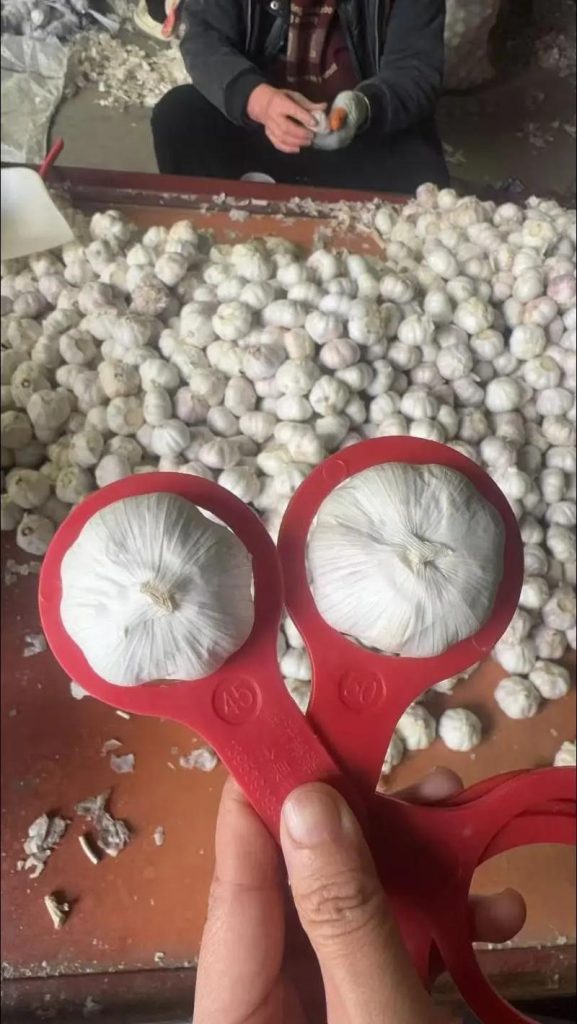
Diameter Calibration: We sort using laser-calibrated graders to ensure strict adherence to sizes (e.g., 4.5cm, 5.0cm, 5.5cm+). This ensures that every net bag contains uniform bulbs, reducing customer complaints at the retail level.
-
The “Solid” Test: We employ optical sorters to reject hollow or “air-filled” bulbs. High-density garlic indicates high allicin content (the active compound), which is what chefs and food manufacturers actually pay for.
3. Phytosanitary Compliance: Navigating Global Barriers
Different markets have radically different entry requirements. A supplier who ignores this will get your container rejected at the port.
-
US Market (FDA/USDA): Requires strict MRL (Maximum Residue Limits) compliance for pesticides like Chlorpyrifos.
-
EU Market: Extremely strict on Listeria and E. Coli testing. We provide full GlobalG.A.P. certification and batch-level pesticide residue reports.
-
Vietnam/Middle East: Often requires specific Phytosanitary Certificates confirming freedom from specific nematodes or white rot.
4. The Cold Chain: From Field to Port
Garlic is highly sensitive to temperature fluctuations (sprouting triggers).
-
Pre-Cooling: Before loading into containers, we pre-cool the garlic to -1°C to 0°C.
-
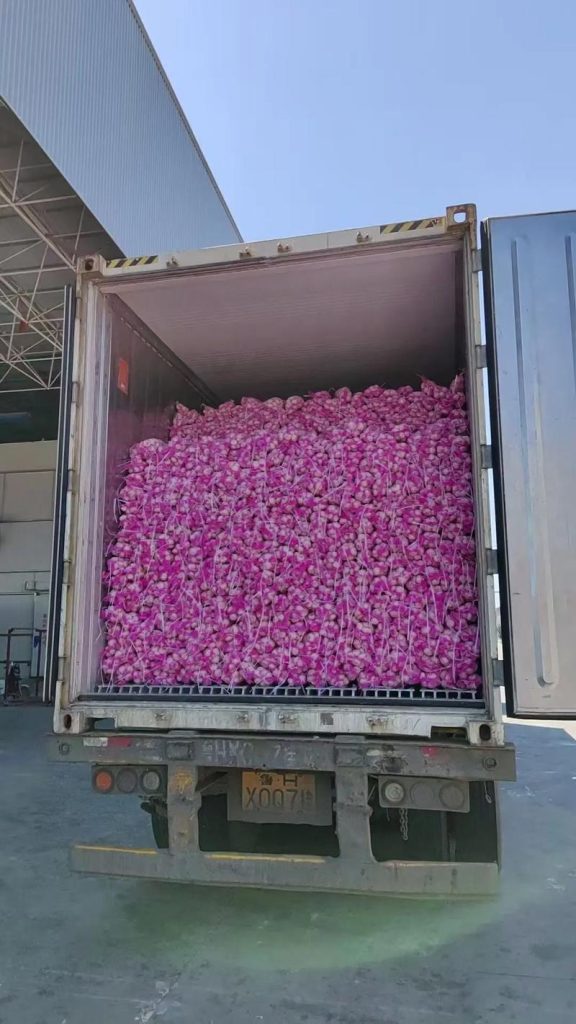
Reefer Mastery: We don’t just use “standard” containers. We utilize Controlled Atmosphere (CA) or Modified Atmosphere (MA) packaging to regulate oxygen and CO2 levels, ensuring the garlic arrives “field fresh” even after 40 days at sea.
Comparison: Commodity vs. Premium Sourcing
Feature |
Standard Trader |
Premium Exporter (Our Focus) |
|---|---|---|
Curing |
Minimal (Risk of rot) |
21-Day Controlled Curing |
Grading |
Manual sorting (Inconsistent) |
Laser/Optical Sorting (Uniform) |
Storage |
Ambient Warehouse |
-1°C to 0°C Cold Storage |
Certification |
Basic Invoice |
GlobalG.A.P., HACCP, Phytosanitary |
Packing |
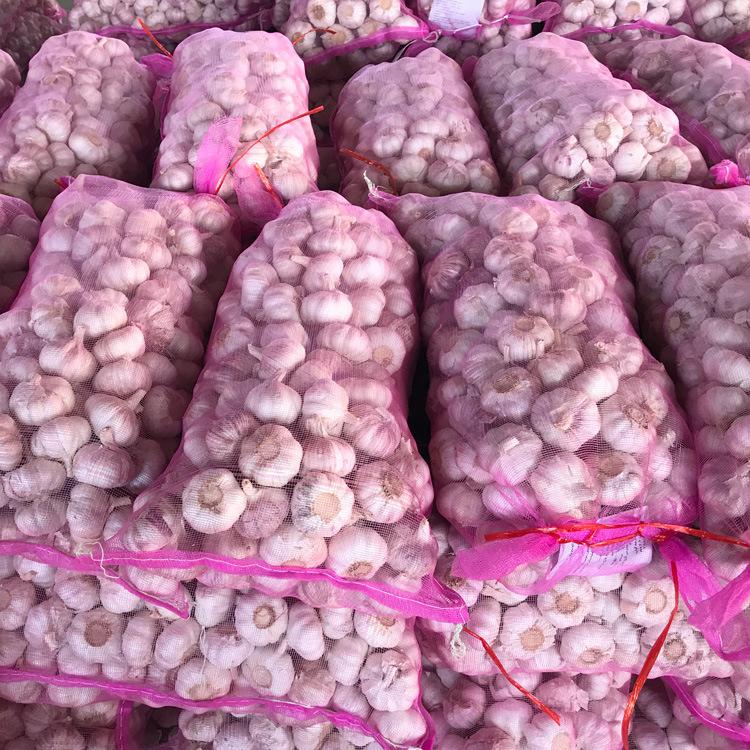
Loose in Mesh Bags |
Ventilated Cartons / Consumer-Ready Packs |
Conclusion: What to Ask Your Supplier
When negotiating your next contract, look beyond the FOB price. Ask these four questions:
-
“What is your post-harvest curing protocol to prevent neck rot?”
-
“Can you provide the pesticide residue report (MRL) for this specific batch?”
-
“Do you use optical sorters to eliminate hollow cloves?”
-
“What is the reefer set-point (temperature/humidity) for the container?”


No reply content