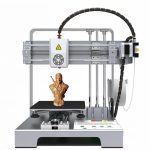
3D Printer Suppliers in Shenzhen China
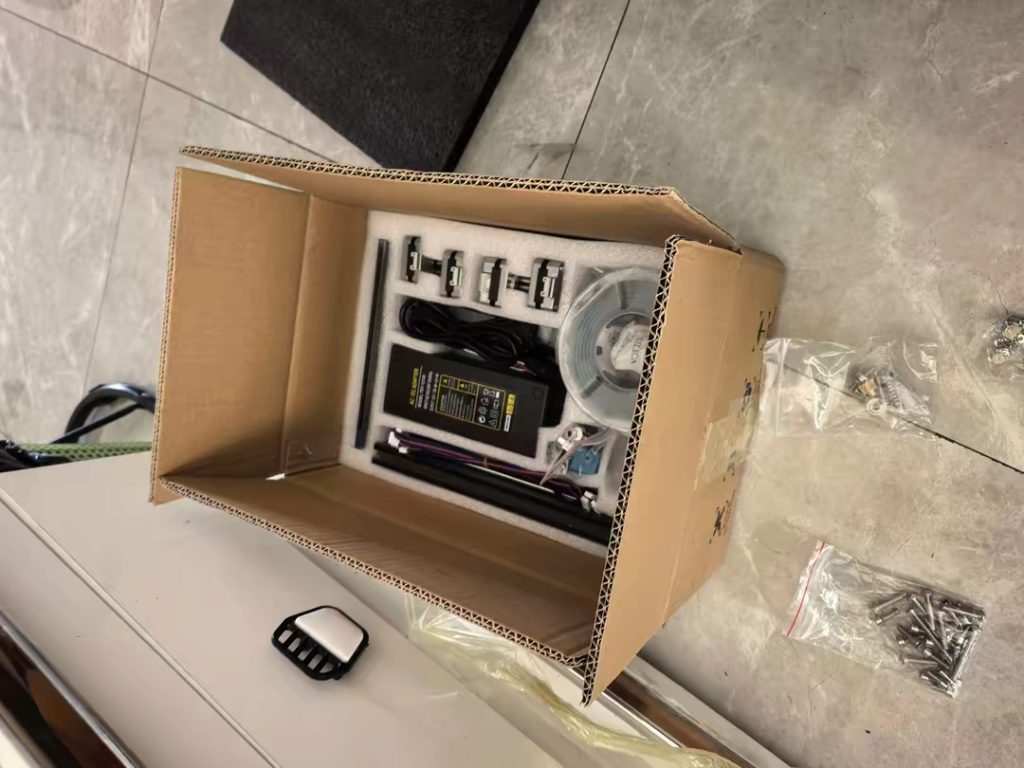
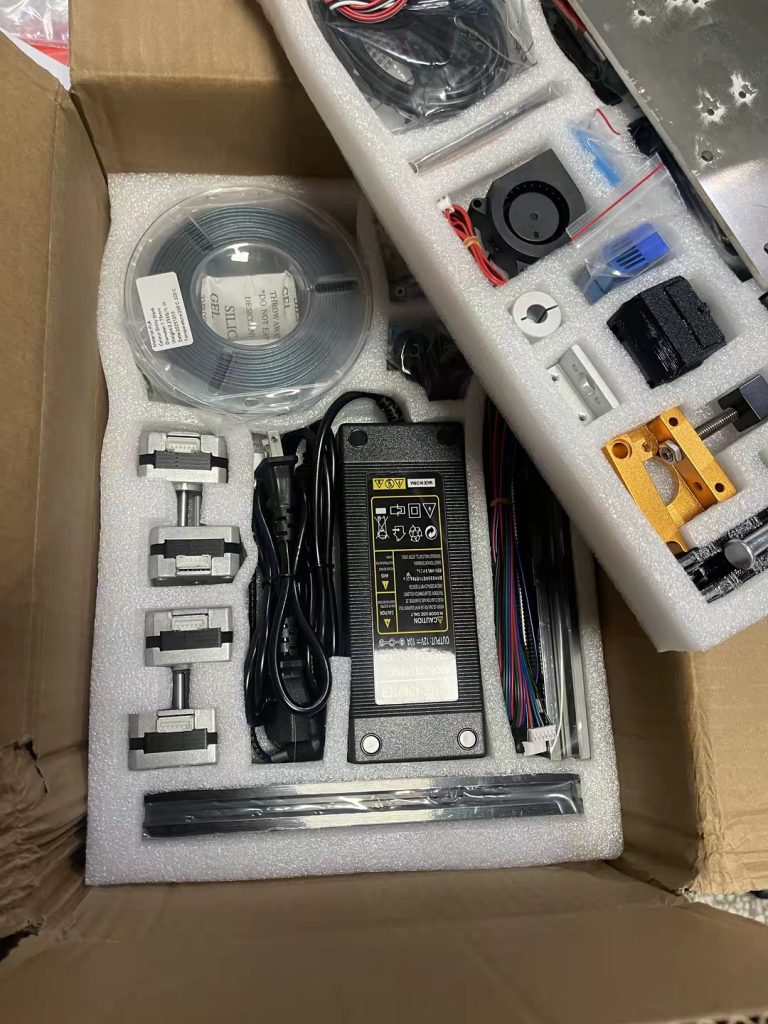
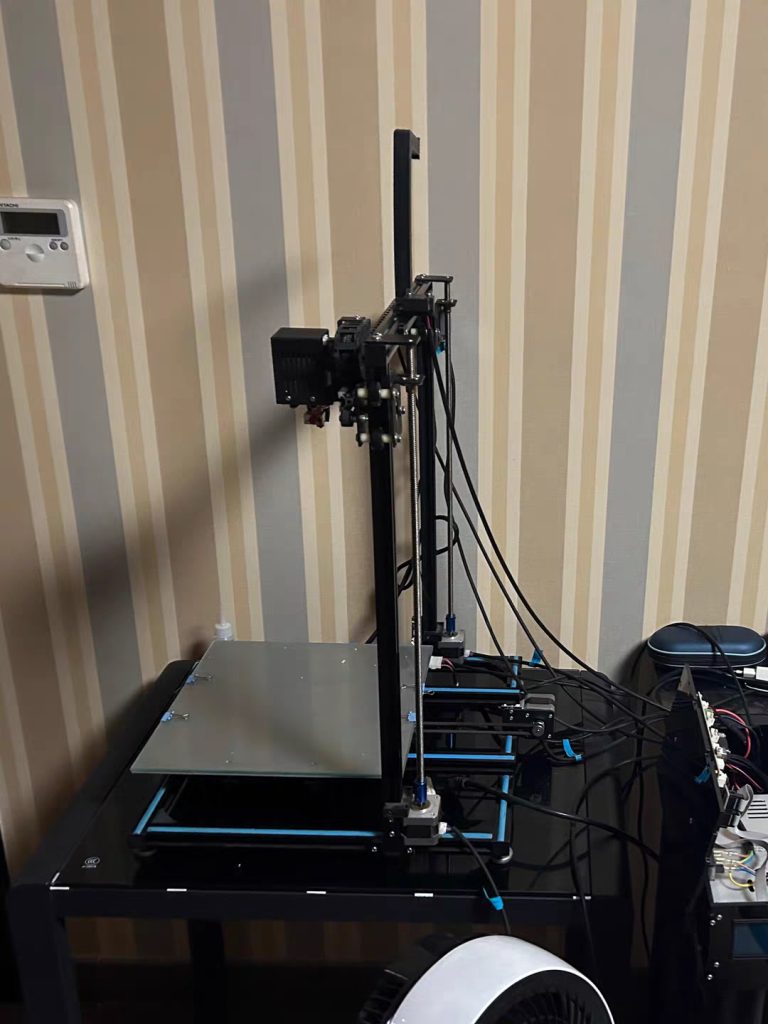
Sourcing industrial equipment from overseas can feel like a high-stakes gamble, especially in the fast-evolving world of additive manufacturing. While Chinese suppliers offer competitive pricing and rapid production cycles, the market is saturated with trading companies posing as factories and startups with inconsistent quality control.
Before you wire a deposit for a commercial 3D printer or a batch of OEM parts, due diligence is not just recommended—it’s essential. Here is a practical framework to verify the reliability of a Chinese 3D printer supplier before you commit.
1. Go Beyond the Business License
Every legitimate company in China has a “Business License” (营业执照). However, this document only proves the entity exists; it doesn’t prove they manufacture 3D printers.
-
Check the Scope of Business: Look for keywords like “Manufacturing” (制造) or “Production” (生产). If it only says “Trading” (贸易) or “Distribution” (经销), you are likely dealing with a middleman.
-
Verify via Official Channels: Use platforms like the National Enterprise Credit Information Publicity System (or ask your supplier to provide a report from it). Check for abnormalities, penalties, or unpaid debts.
2. The Video Call Factory Tour (Non-Negotiable)
Photos on Alibaba or a company website can be easily faked or recycled from other sources. Insist on a live video call.
During the tour, look for:
-
Assembly Lines: Are there dedicated stations for calibration and testing?
-
R&D Department: Do they have engineers working on firmware or hardware design? This indicates they can handle technical support and future upgrades.
-
Inventory: A reliable supplier will have a warehouse with stock of core components (like motors, screws, and hotends), indicating they aren’t just drop-shipping from another factory.
3. Technical Depth Over Sales Talk
A reliable supplier should understand their machines better than anyone. Move beyond price negotiations and ask deep technical questions:
-
“What is the repeatability tolerance of the linear rails used in your Pro series?”
-
“How does your firmware handle resonance compensation (input shaping)?”
-
“Can you provide the STEP files for the machine’s enclosure interface?”
If the sales representative cannot answer these or needs to “check with the factory” for basic specs, they lack engineering transparency.
4. Validate the Supply Chain & Component Sourcing
The reliability of a 3D printer depends heavily on its components. Ask for a list of key component suppliers.
-
Branded Components: Do they use known brands for critical parts (e.g., Mean Well for power supplies, E3D or Phaetus for extruders)?
-
Consistency: Inquire about their IQC (Incoming Quality Control) process for electronic boards. A trustworthy supplier will have a clear procedure for testing motherboards before assembly.
5. Reference Checks & Case Studies
Don’t rely solely on the testimonials posted on their website. Ask for contactable references, preferably in your own country or region.
-
Request a list of universities, research labs, or well-known makerspaces that use their machines.
-
Search for the supplier’s name on Reddit, Facebook groups, or specialized 3D printing forums. Look for threads discussing long-term usage and after-sales responsiveness.
6. Sample Testing & Pilot Runs
For small orders or single units, request a “print-in-place” test print video of a complex model (like a 3D Benchy or a functional gear assembly) using your specific material requirements.
For larger orders:
-
Third-Party Inspection: Hire an independent inspection agency (based in China) to visit the factory before shipment. They can verify quantities, check functionality, and ensure packaging standards meet export requirements.
Conclusion
Verifying a Chinese 3D printer supplier requires moving past surface-level marketing. By combining legal verification, live technical scrutiny, and supply chain validation, you can significantly reduce risk. Remember: a reliable supplier will welcome this level of scrutiny because they have nothing to hide.


No reply content