China Air Compressor Manufacturing Factory
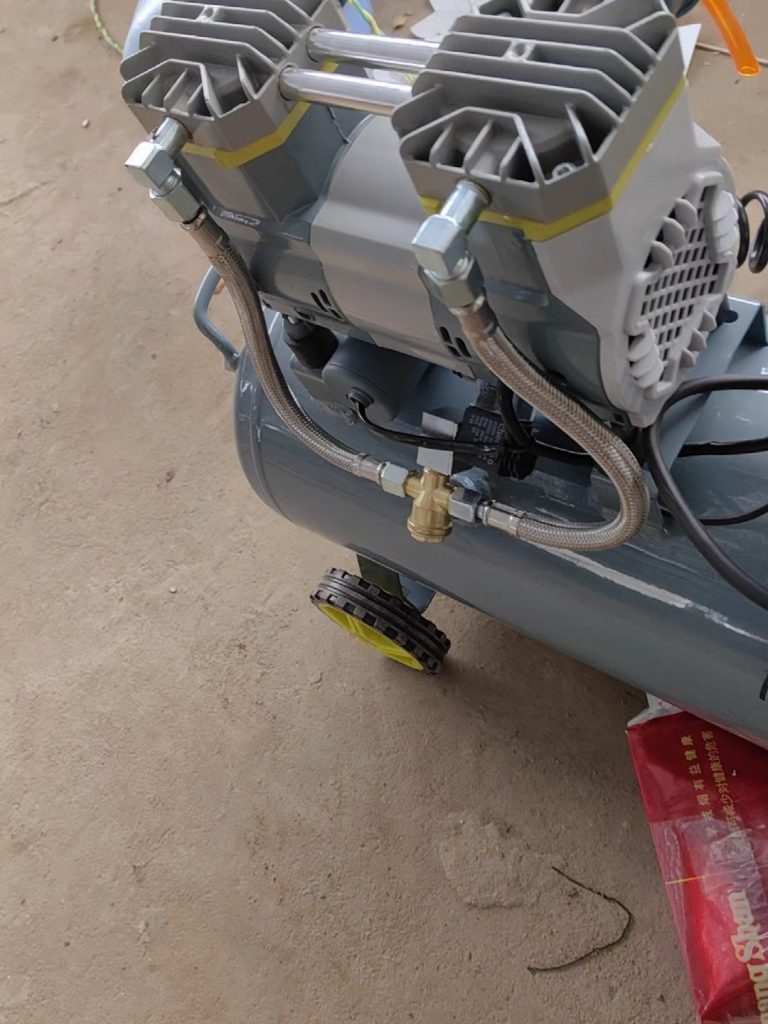
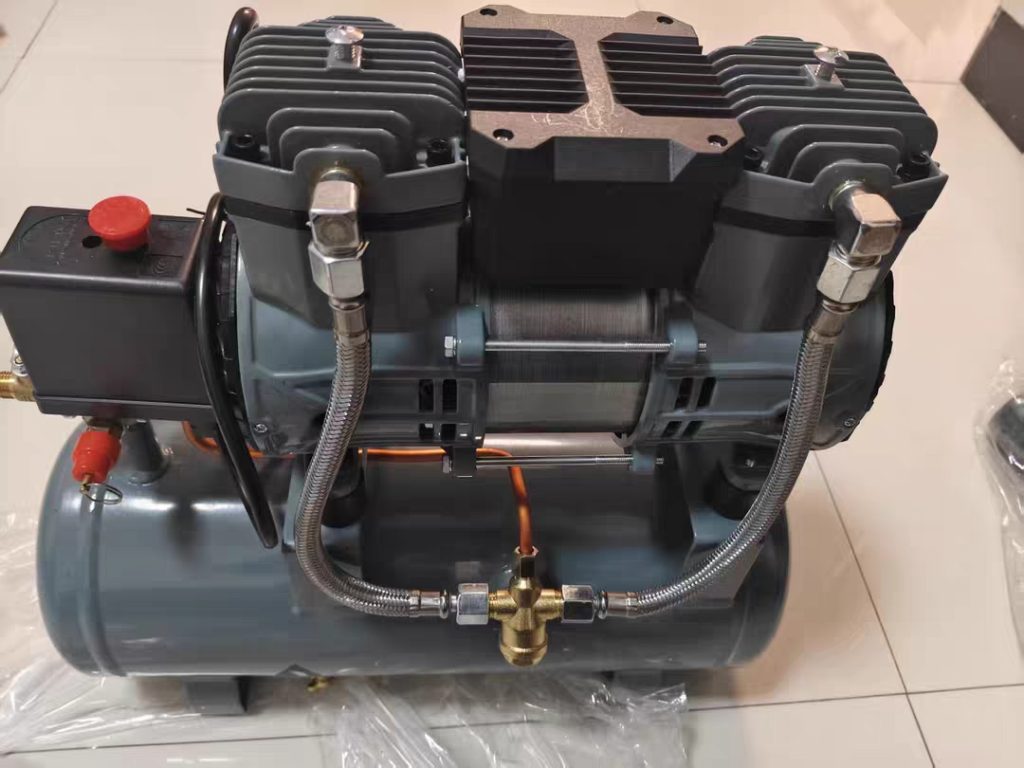
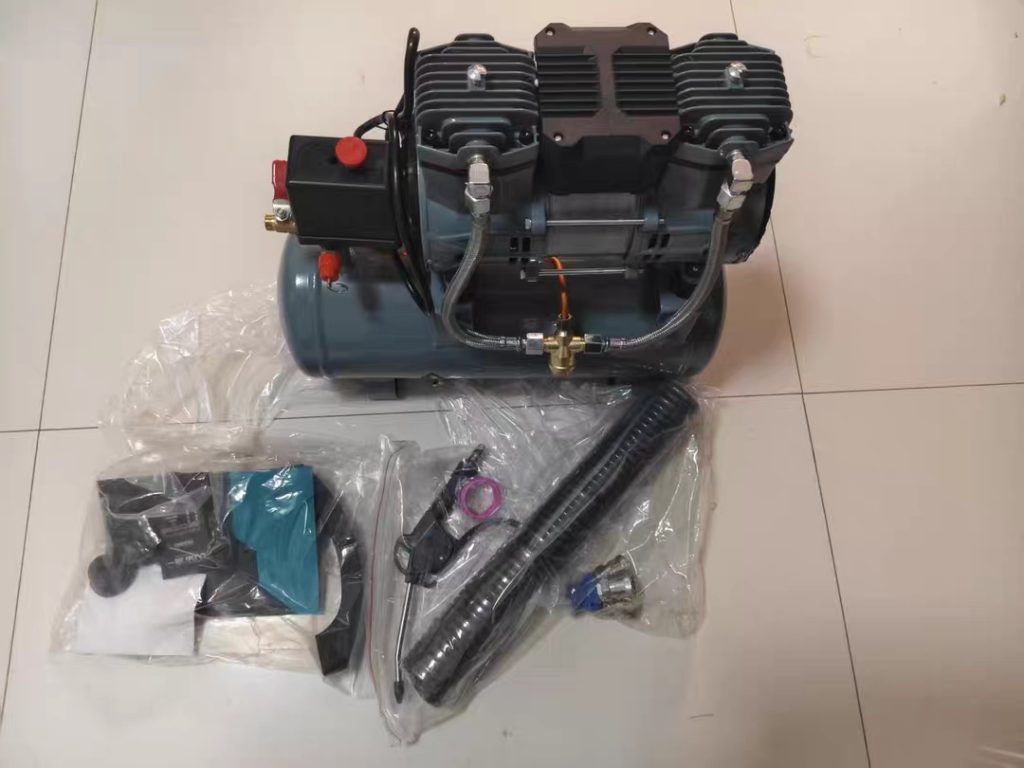
For manufacturing plants and automotive workshops, the air compressor is the heart of the operation. Yet, many procurement decisions are still driven primarily by the initial capital expenditure (CapEx).
Industry data reveals a startling truth: the purchase price of a rotary screw compressor accounts for only 15% of its lifetime cost. The remaining 85% is consumed by electricity bills.
Here is why focusing on energy efficiency and smart engineering is the only way to protect your bottom line.
1. The IE3 vs. IE4 Motor Debate
The motor is the engine of your compressor. While standard motors (IE2/IE3) are cheaper upfront, they bleed money over time.
-
Super Premium Efficiency (IE4): Upgrading to an IE4 class motor might increase the unit price by 10%, but it reduces energy consumption by 3-5% annually. For a plant running 24/7, the ROI (Return on Investment) is achieved in less than 18 months.
-
Direct Drive vs. Belt Drive: We utilize direct drive transmission. By eliminating belt friction and slippage, we ensure 100% of the motor’s power is transferred to the airend, reducing mechanical failure points.
2. Variable Speed Drive (VSD): Stop Paying for “Idle” Air
Fixed-speed compressors run at full capacity even when your factory only needs 30% of the air.
-
Demand Matching: Our VSD Plus technology monitors system pressure in real-time. It automatically adjusts the motor speed to match the exact airflow required.
-
Energy Savings: In fluctuating demand environments (like automotive assembly or textile manufacturing), VSD technology can reduce energy costs by up to 35-50% compared to fixed-speed models.
3. The “Airend” Advantage: Rotor Profile Engineering
The airend is the core where air is compressed. Cheap compressors use generic rotor profiles that leak air internally.
-
Asymmetric Rotor Design: Our airends feature precision-machined asymmetric rotors with specialized coating. This minimizes internal leakage (blowback) and maximizes volumetric efficiency.
-
Cooling Systems: Overheating causes 80% of compressor failures. We engineer oversized aluminum coolers to ensure discharge air temperatures remain low, even in ambient temperatures of 46°C (115°F).
4. Compliance and Connectivity (Industry 4.0)
Modern factories require smart integration.
-
IoT Monitoring: Our units come equipped with smart controllers that offer remote monitoring via mobile apps. You get real-time alerts for maintenance, oil changes, and temperature anomalies, preventing costly unplanned downtime.
-
ISO 8573-1 Compliance: For industries like food & beverage or pharmaceuticals, we provide TUV-certified oil-free options that guarantee air purity classes, ensuring your end product isn’t contaminated.
Comparison: Standard vs. Premium Sourcing
Feature |
Standard Fixed-Speed Unit |
Premium VSD Unit (Our Focus) |
|---|---|---|
Motor Efficiency |
IE2 / IE3 (Standard) |
IE4 (Super Premium) |
Drive Type |
Belt Drive (Friction loss) |
Direct Drive (Zero loss) |
Control |
On/Off (Wastes energy) |
VSD (Matches demand) |
Monitoring |
Basic Pressure Switch |
IoT Smart Controller (Remote) |
Noise Level |
75-80 dB(A) |
< 65 dB(A) (Silent Enclosure) |
Conclusion: What to Ask Your Supplier
When evaluating your next compressor purchase, look beyond the sticker price. Ask these four questions:
-
“What is the Specific Power (kW/m³/min) rating of this unit?” (Lower is better).
-
“Does the motor meet IE4 efficiency standards?”
-
“Can I see the energy savings calculation based on my 8-hour shift?”
-
“Is the airend covered by a separate 5-year warranty?”


No reply content