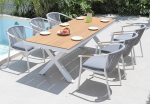
China Foshan custom furniture factory OEM
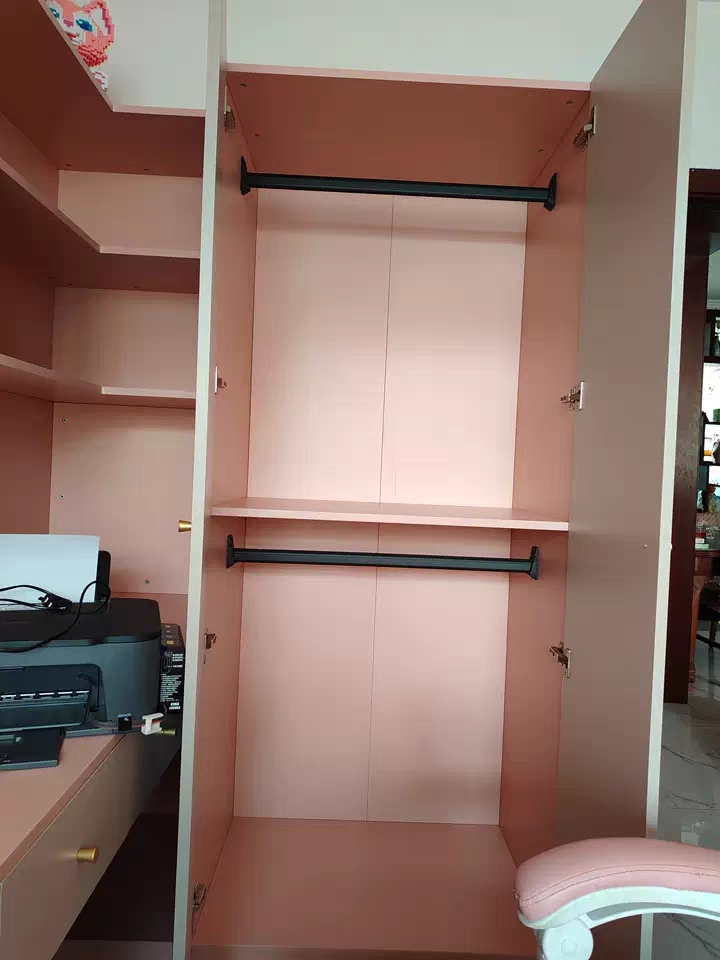
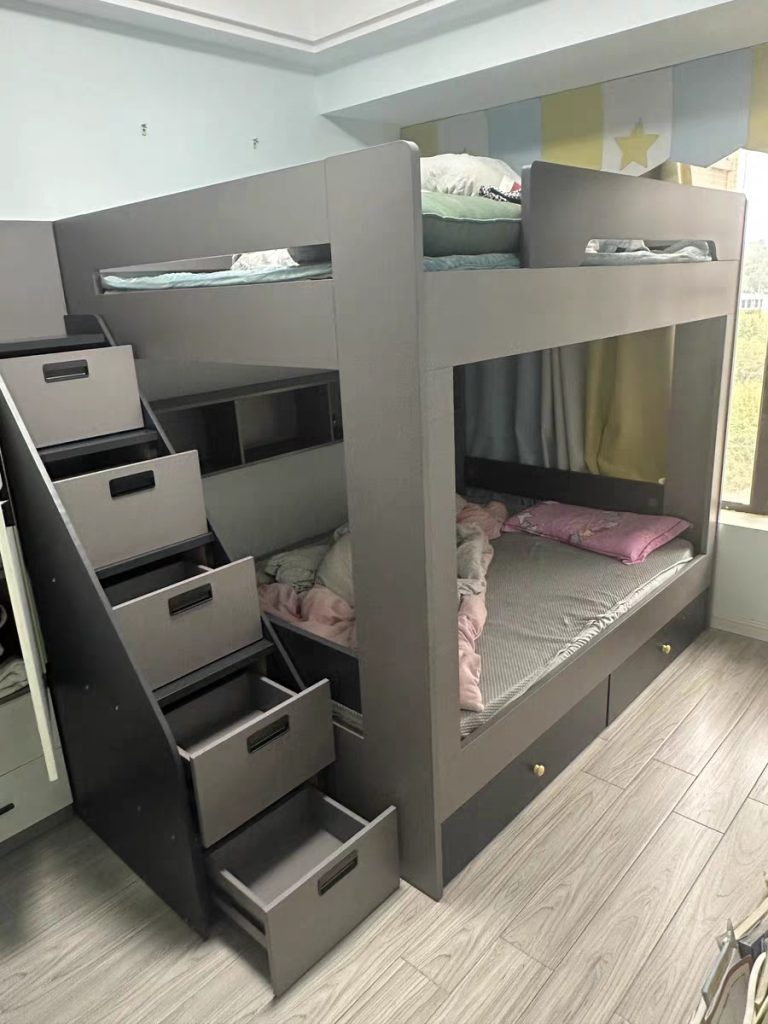
In the world of hospitality and commercial interiors, the difference between a stunning project and a delayed disaster often comes down to the furniture supplier. While many factories can produce a “look-alike” photo, few can deliver on specification integrity, logistical coordination, and compliance.
When sourcing a partner for your next villa, hotel, or apartment complex, here is what separates a true Contract-Grade OEM from a standard trading company.
1. Material Traceability: CARB II, FSC, and the “Paper Trail”
Commercial projects in the US and EU have zero tolerance for illegal logging or high-formaldehyde emissions.
-
Panel Compliance: We provide full documentation for our plywood and MDF, ensuring they meet CARB ATCM Phase II and EPA TSCA Title VI standards for formaldehyde emissions.
-
Chain of Custody: For eco-conscious projects, we offer FSC® (Forest Stewardship Council) certified wood. This isn’t just a label; it’s a tracked supply chain from the forest to the finished cabinet, essential for LEED certification points.
2. Engineering for Logistics: The “Knock-Down” (KD) Factor
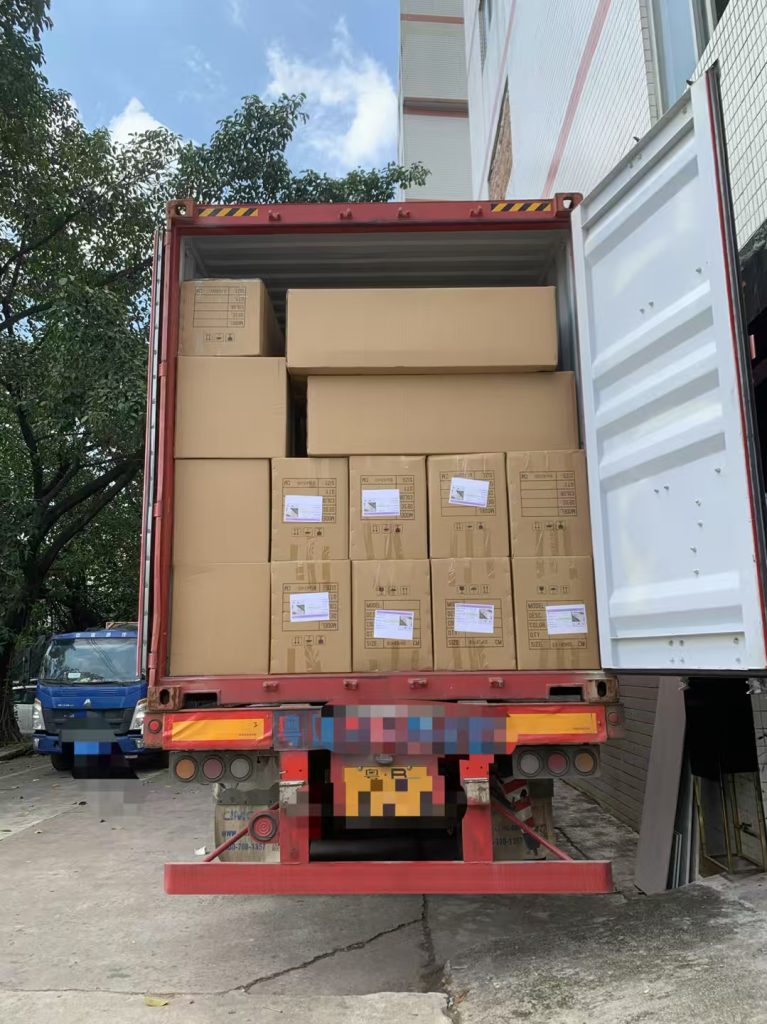
Shipping 500 fully assembled wardrobes to a resort island is a logistical nightmare. A professional supplier engineers for the container.
-
RTA (Ready-to-Assemble) Design: We engineer furniture with precision cam-lock systems and numbered hardware packs. This maximizes container loading (increasing volume by 300%) and reduces freight costs.
-
Protective Packaging: We utilize honeycomb cardboard and corner guards specifically designed for overseas container shipping, preventing the “edge crush” damage common with standard cartons.
3. Finish Durability: The “Moisture & Scratch” Test
Residential furniture cannot survive a hotel environment.
-
Catalyzed Polyurethane: We use industrial-grade finishes that are UV-cured. This creates a hardened surface resistant to hair dye, hot coffee cups, and suitcase bumps—far superior to standard lacquer.
-
Moisture Resistance: In humid environments (like Miami or Singapore), standard MDF swells. We utilize MR Grade (Moisture Resistant) boards and waterproof edge-banding to prevent peeling in humid climates.
4. Project Management: Shop Drawings & Mockups
The biggest risk in custom furniture is the “gap” between expectation and reality.
-
Shop Drawing Approval: Before cutting a single board, we provide detailed CAD drawings and 3D renderings for client sign-off. This eliminates costly rework.
-
Prototype Mockups: For large orders, we produce a “Gold Sample” (Physical Prototype). This serves as the benchmark for quality control (QC) for the entire production run.
Comparison: Trading Company vs. Contract Manufacturer (Our Focus)
Feature |
Standard Trading Co. |
Contract Manufacturer (Us) |
|---|---|---|
Documentation |
Basic Invoice/Packing List |
Shop Drawings, COC, FSC, CARB Certs |
Engineering |
Ships Fully Assembled (Expensive) |
KD/RTA Design (Optimized Loading) |
Hardware |
Generic Hinges (No Brand) |
Blum / Hettich (Lifetime Warranty) |
QC Process |
Visual Check Only |
3-Stage QC (Incoming, In-Process, Final) |
Warranty |
1 Year Limited |
5-Year Commercial Structural Warranty |
Conclusion: What to Ask Your Supplier
When vetting your next manufacturing partner, move beyond “How much per unit?” Ask these technical questions:
-
“Can you provide the Shop Drawings and 3D CAD files for approval before production?”
-
“What is your policy on container optimization? Can you provide a loading plan?”
-
“Do you have CARB II and FSC certificates readily available for the specified materials?”
-
“Who is your hardware supplier? (e.g., Blum, DTC, or Grass)”


No reply content