
China Diesel Generator Manufacturer

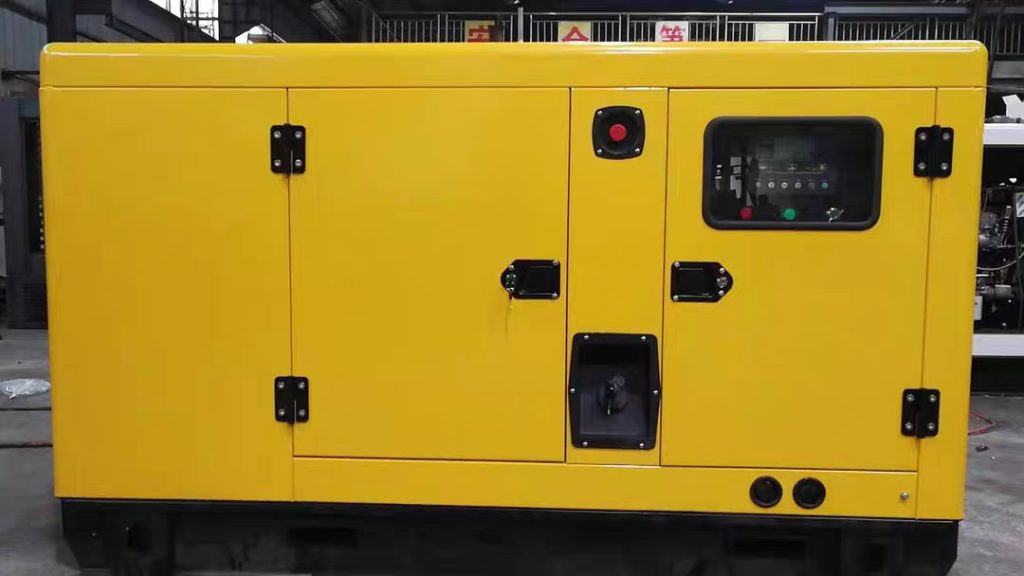
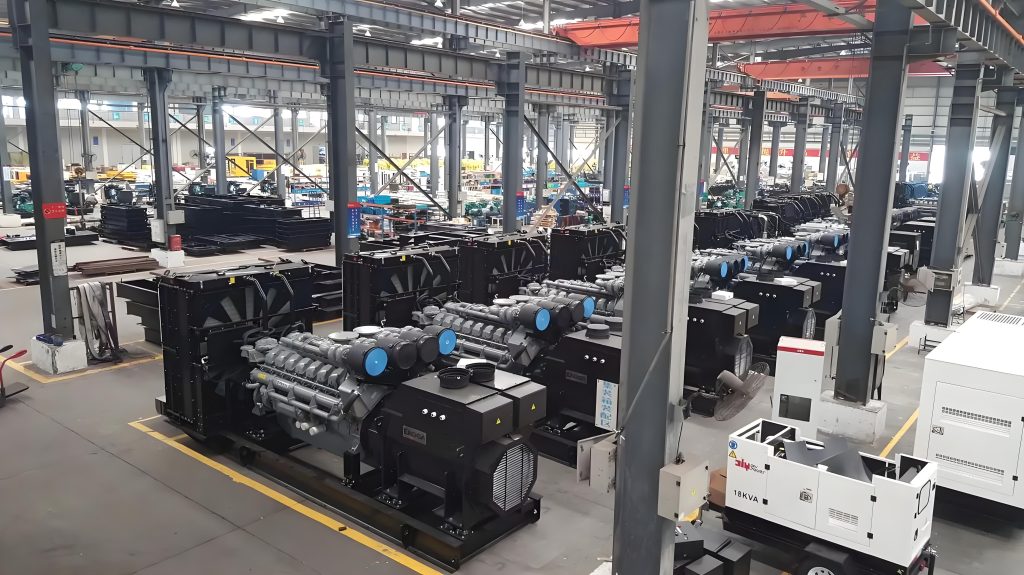
For international buyers of diesel generators, the moment the container leaves the Chinese factory is not the end of the procurement process—it is where the real risk begins. While the price and specifications might be perfect, a power outage two years later due to a lack of spare parts can cripple an entire operation.
Unlike buying a car locally where you can visit a dealership the next day, sourcing from China requires a proactive strategy for After-Sales Service (ASS). Here is how to secure your warranty rights and ensure a steady supply of critical spare parts for your overseas project.
1. Deconstructing the Warranty: The “1 Year / 1000 Hours” Rule
Most Chinese manufacturers offer a standard warranty of 12 months or 1,000 running hours, whichever comes first, starting from the date of Bill of Lading (the shipping date). However, the devil is in the details.
-
Scope of Coverage: Does the warranty cover the entire generator set (genset), or just the engine? Typically, the engine is covered by the engine brand’s policy (e.g., Cummins), while the alternator and controller have separate warranties. Ensure the supplier provides a unified warranty for the whole package to avoid “finger-pointing” between component manufacturers.
-
The “Human Error” Loophole: Most warranties strictly exclude damage caused by improper installation, lack of maintenance, or using contaminated fuel. To protect yourself, request that the supplier provide a detailed Commissioning Checklist and Operation Manual in English. Proper documentation is your evidence that the unit was operated correctly.
-
Geographic Limitations: Confirm if the warranty is valid in your country. Some suppliers charge an extra fee for “Global Warranty” coverage that includes labor costs for local technicians.
2. The Spare Parts Strategy: Don’t Get Stranded
The biggest complaint about Chinese gensets is not the initial quality, but the difficulty of getting parts six months later. Implement a two-pronged approach to spare parts management:
A. The “First-Fill” Package
Insist that your supplier includes a “First-Fill” or “Wear-and-Tear” kit with the shipment. This should include:
-
Filters: Oil filters, Fuel filters, and Air filters (enough for the first 500 hours).
-
Belts: Fan belts and V-belts.
-
Consumables: Coolant and lubricating oil.
-
Small Parts: Fuses, relays, and sensors (temperature and pressure).
B. Local Stocking
For projects requiring long-term operation (mining, hospitals, data centers), negotiate a Spare Parts List based on the generator’s criticality.
-
Critical Components: For essential services, consider stocking a backup AVR (Automatic Voltage Regulator) and Starter Motor locally. These are the most common points of failure and are difficult to ship via air freight quickly due to customs regulations on items containing magnets or batteries.
3. Technical Support: Remote vs. On-Site
Since flying a technician from China to your site is expensive ($3,000–$5,000 for tickets plus daily allowances), modern suppliers rely on remote diagnostics.
-
Video Support: Ensure the supplier offers 24/7 WhatsApp or WeChat video support. A skilled technician can guide your local electrician through 80% of troubleshooting steps.
-
Controller Logs: Modern controllers (Deep Sea, ComAp, SmartGen) store fault codes. Train your team to extract these logs and email them to the supplier. This allows the factory to identify the faulty part before shipping it to you, saving weeks of downtime.
4. Shipping Logistics for Parts
When you eventually need a part shipped from China, speed is everything.
-
Air Freight vs. Sea Freight: For small but critical parts (sensors, circuit boards), always use DHL, FedEx, or UPS. While sea freight might cost $200, it takes 30–45 days. Air freight might cost $800 but arrives in 3–5 days. For a hospital or factory losing $10,000 per day in downtime, air freight is the only logical choice.
-
HS Codes: Ask your supplier for the correct HS Code (Harmonized System Code) for the spare parts. Providing the correct HS code to your local customs agent prevents the parts from being stuck in clearance for weeks.
5. The “Red Line” Clause in Your Contract
Before paying the deposit, add this clause to your Proforma Invoice or Sales Contract:
“Supplier shall dispatch critical spare parts via air freight within 48 hours of fault confirmation. If the genset remains inoperative for more than 14 days due to parts unavailability, the warranty period shall be extended by double the number of downtime days.”
Conclusion
Buying a diesel generator is a long-term relationship, not a one-time transaction. By securing a comprehensive “First-Fill” kit, establishing a protocol for remote technical support, and clarifying the exact terms of the 1-Year/1000-Hour warranty, you transform a potential liability into a reliable asset. In the world of power generation, the quality of your spare parts plan defines the reliability of your power supply.


No reply content