Interviewer: Let’s dive into packaging. For many brands, the unboxing experience is everything. When clients ask you to find a custom gift box supplier in China, where do you actually start? It seems like everyone claims to be a factory online.
Expert: It’s a minefield. The first thing you need to understand is the geography. Unlike lighting which is centered in Guangdong, packaging is split. You have the high-end, export-oriented printers in Shenzhen and Dongguan—these guys handle Apple-level packaging, rigid boxes, and complex structural designs. Then you have the massive volume players in Yiwu and Wenzhou who do millions of folding cartons cheaply. If you want a rigid drawer box with magnetic closure and suede lining, don’t go to a Wenzhou volume printer; they’ll struggle with the handwork. You go to a Shenzhen boutique factory.
Interviewer: “Handwork” is an interesting term. Isn’t China all about automation?
Expert: For standard shipping boxes, yes. But for custom luxury gift boxes, it’s still very much a manual craft. The wrapping, the corner pasting, the insertion of magnets—it requires skilled hands. I always warn clients: if a quote comes back suspiciously low, it means they are using unskilled labor or cheaper board. A $0.50 difference per box often translates to “the workers are rushing, so the glue lines won’t be straight.” For high-end retail, that’s a dealbreaker.
Interviewer: Let’s talk materials. We hear terms like “greyboard” and “art paper,” but what should a buyer really be specifying?
Expert: The soul of the box is the greyboard density. A cheap box uses 600gsm board; a premium box uses 1200gsm or higher, often with a “MDF” core for extreme rigidity. Then there’s the wrap. Are we using textured specialty paper? Leatherette? Or just standard coated paper? A common trick suppliers use is swapping “virgin” paper for “recycled” paper to save cost. Recycled paper has impurities that show up under light colors. If you want a pure white matte finish, you must specify FSC-certified virgin pulp paper.
Interviewer: Sampling seems to be a pain point. How many rounds of prototypes should a buyer expect?
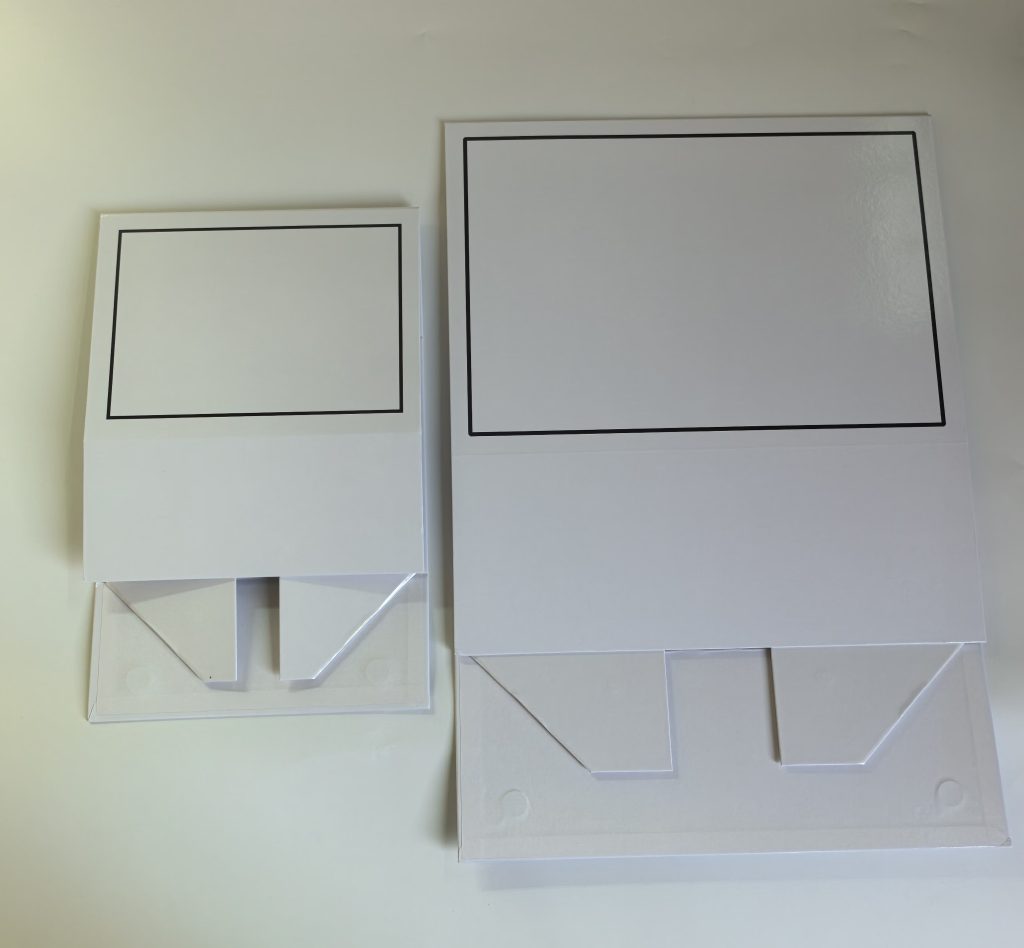
Expert: At least two. The first is usually a White Sample (structure only, no printing). This is crucial. You need to feel the size and the sturdiness. The second is the Golden Sample (pre-production sample) with actual colors, foil stamping, and texture. I’ve seen clients approve a design based on a PDF, and the physical box looks completely different because the Pantone color shifts on textured paper. Never skip the Golden Sample, even if the factory assures you they “know the color.”
Interviewer: What about the “hidden” costs? Dielines and molds, perhaps?
Expert: Exactly. For custom boxes, you are paying for the cutting die (the blade that cuts the shape). That’s a one-time cost, but it can be $200-$500 depending on complexity. Also, beware of the “MOQ” (Minimum Order Quantity) trap. A factory might say MOQ is 1,000 boxes, but if you want a special color for the interior lining, they might require a 5,000-box minimum because of how they buy raw materials. Always ask: “What is the MOQ for the material, not just the assembly?”
Interviewer: Logistics is usually the nightmare here. Gift boxes are essentially air.
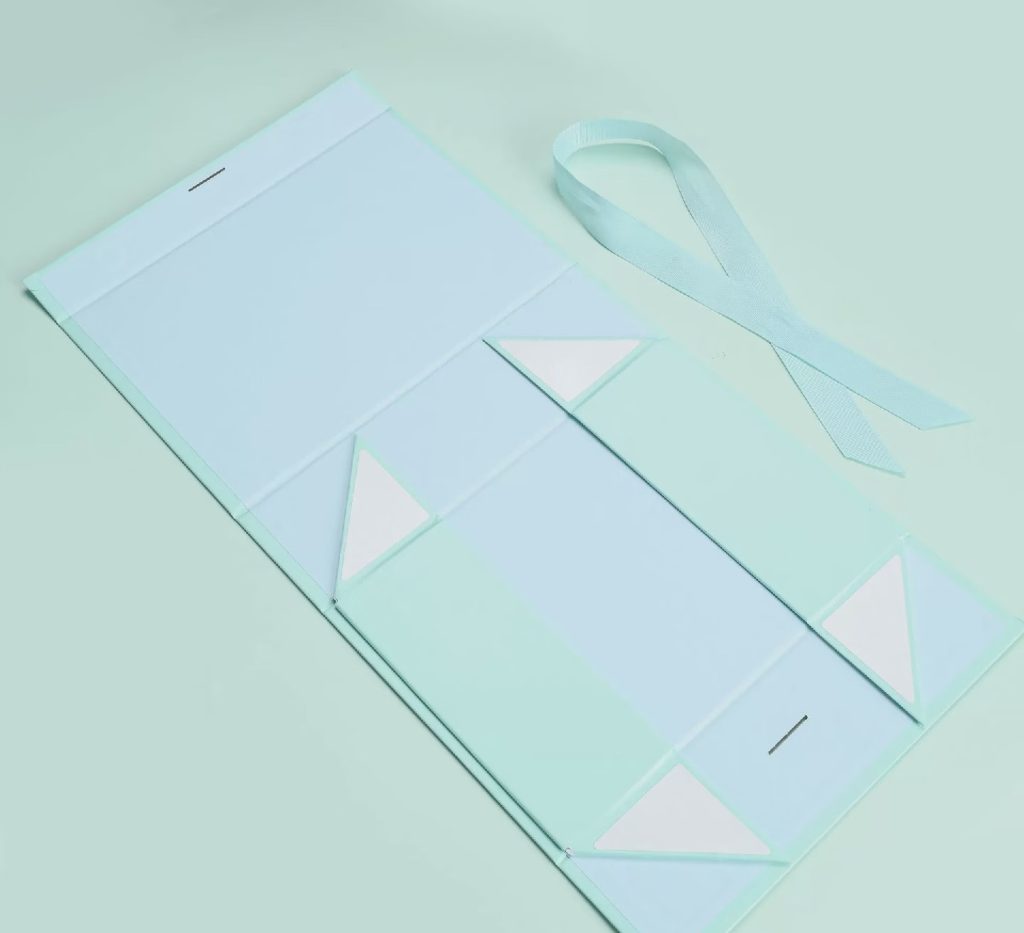
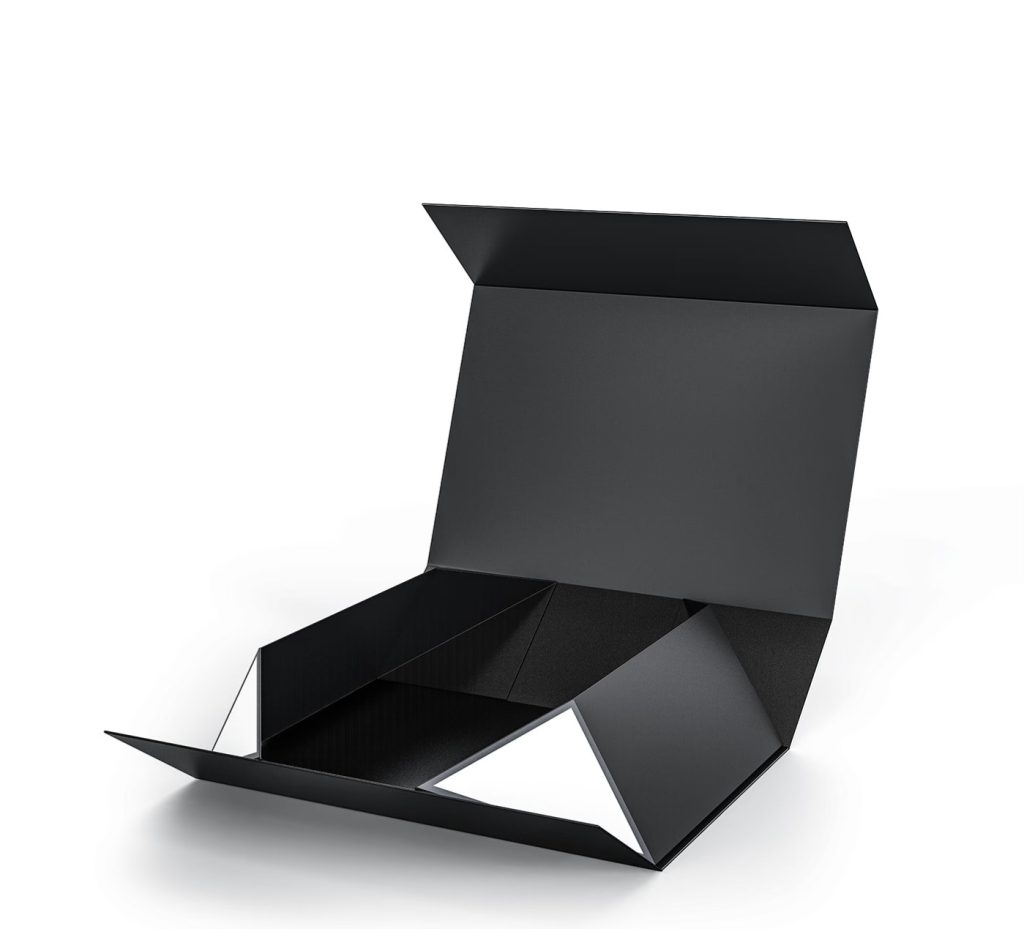
Expert: They are “flat-pack nightmares.” Shipping empty space is expensive. A smart supplier will offer KD (Knocked Down) structures—shipping the box flat and having it assembled locally, or designing it so it nests perfectly. But the real pro tip? Weight distribution. If you have a heavy product going inside the box, the cardboard walls need to be reinforced. I saw a shipment once where the boxes collapsed in the container because the humidity in the port of Rotterdam softened the standard glue used in Southern China. You need humidity-resistant adhesive if shipping to Europe or tropical climates.
Interviewer: Final piece of advice for a designer working with a Chinese packaging supplier?
Expert:Tolerance. Paper is organic; it expands and contracts. If you have a very tight insert that fits a bottle, leave a 1mm tolerance. If you don’t, the dry air in a US warehouse might cause the paper insert to shrink, and the bottle will rattle. Treat your supplier as an engineer, not just a printer. Ask them: “How will this box behave in a cold Chicago winter vs. a humid Bangkok summer?” If they can’t answer that, they’re just selling you cardboard.



No reply content