Around the world, the definition of living space is changing. People are questioning the limitations of traditional construction—long building periods, high labor costs, unpredictable weather delays, and the need for permanent land ownership. In response, a new category of innovative, factory-made housing is emerging: mobile homes, space pod houses, and container houses. These structures are not simply alternatives; they represent an entirely new philosophy about how people can live, travel, and build sustainably.
As a manufacturer specializing in these modern housing solutions, the mission is to turn advanced engineering into practical, comfortable, and aesthetically inspiring living spaces. Each home is designed to move easily, withstand harsh environments, and adapt to different lifestyles—from private residences and commercial developments to tourism resorts and remote work camps.
1. A New Era of Housing: Mobility + Engineering + Lifestyle
Traditional homes are built to stay in one location for generations. Today, many people no longer live that way. Modern work culture, tourism growth, remote living, and rising construction costs have created demand for housing that is:
- Fast to deploy
- Easy to relocate
- Durable under all climates
- Efficient in land use
- Customizable in design
- Eco-conscious and low-waste
Mobile homes, pod houses, and container houses combine all these characteristics in one highly engineered solution. Built in a controlled factory environment, they minimize waste while maximizing precision. Delivered to the site fully assembled or semi-assembled, they transform raw land into a livable environment in a matter of hours.
2. Mobile Homes: Designed for Comfort, Built for Movement
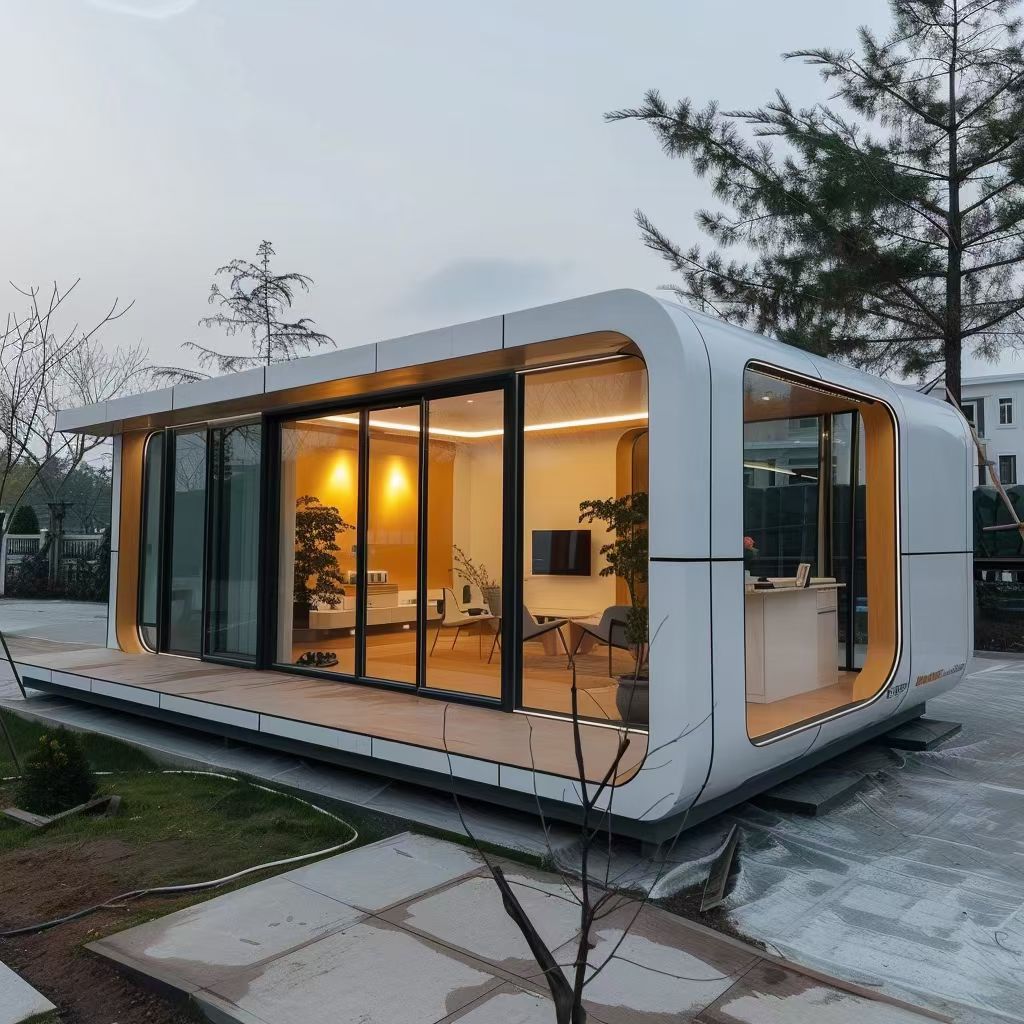
Mobile homes today are far more advanced than traditional trailers or temporary shelters. They are engineered as full-featured living units capable of serving as long-term housing while still offering mobility.
Structural Strength and Durability
Every mobile home is built on a reinforced steel chassis that allows safe transportation over highways or rough rural roads. The frame is resistant to twisting, impact, and vibration, ensuring a long lifespan even after multiple relocations.
Thermal Performance and Weather Protection
Modern insulation systems—thermal panels, energy-efficient windows, moisture-resistant walls—ensure comfort across different climate zones. Whether placed in a desert environment or a snowy mountain area, the interior temperature can be easily stabilized.
Smart Interior Layout
Because mobile homes must maximize limited space, their interiors are designed with remarkable efficiency:
- Multi-purpose cabinets
- Foldable beds or dining tables
- Hidden storage areas
- Compact but fully equipped kitchens
- Modular bathroom units
Even in smaller layouts, the living environment feels spacious thanks to thoughtful circulation design and interior light distribution.
Where Mobile Homes Are Commonly Used
- Seasonal resorts
- Temporary housing for construction or mining projects
- Student or worker accommodations
- Homeowners seeking flexible living
- Remote homesteads or off-grid sites
Mobile homes give people the freedom to live beyond fixed boundaries.
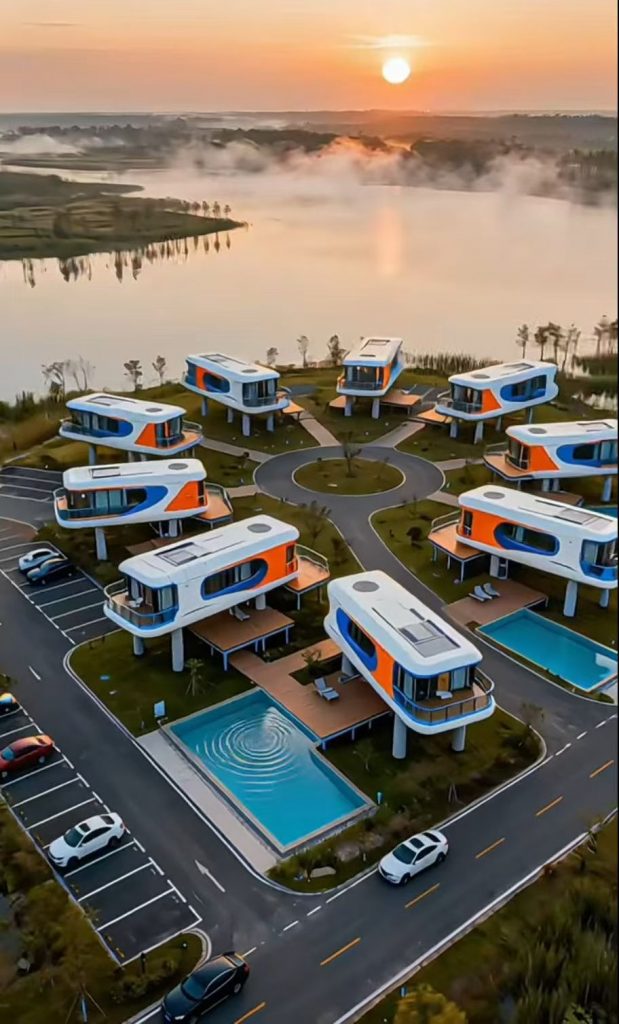
3. Space Pod Houses: Architecture That Blends Future Design With Serenity
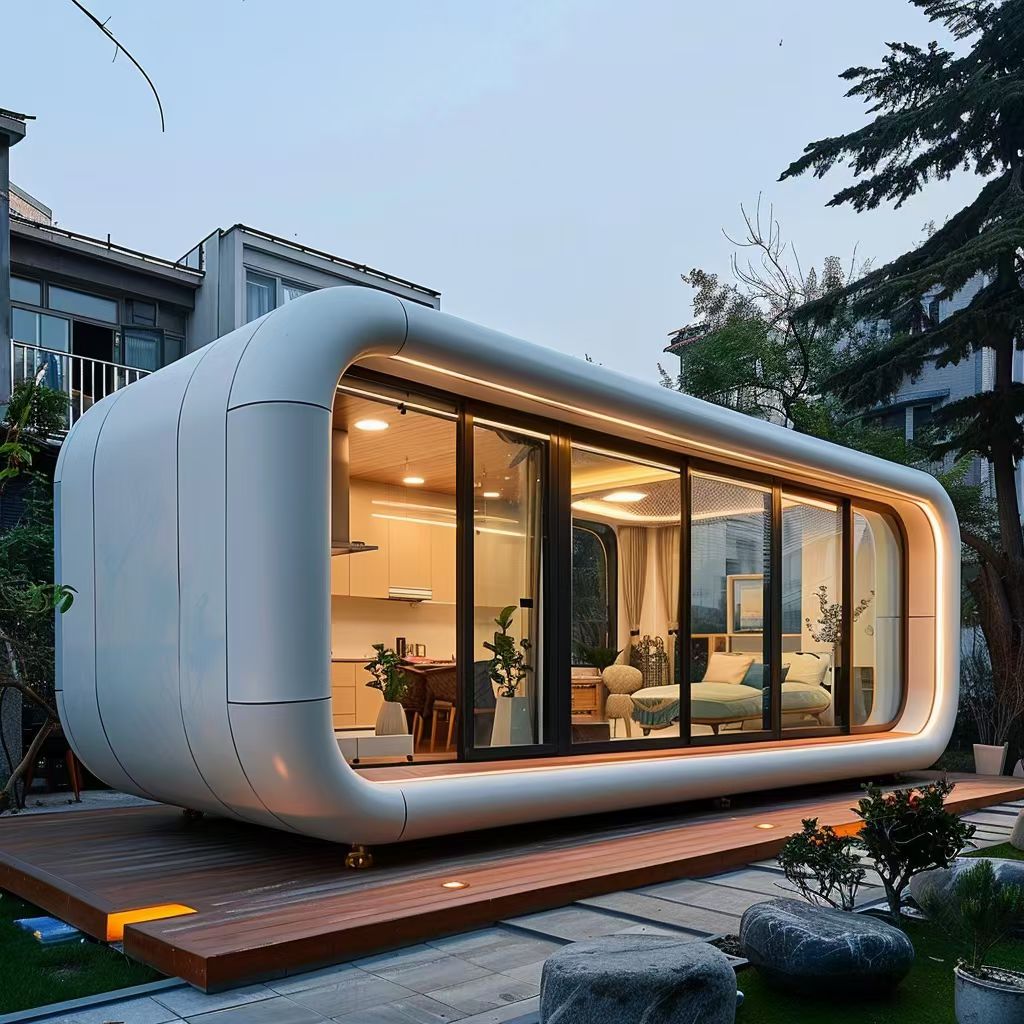
Among modern modular structures, space pod houses stand out for their unique aesthetic and emotional appeal. Inspired by space capsules, minimalist art, and aerodynamic curves, pod houses create a futuristic environment that feels both cozy and spacious.
Visual Impact and Architectural Identity
Unlike boxy traditional structures, pod houses use curved surfaces that naturally repel wind, direct rainwater, and create a soft, organic visual effect. Their design makes them ideal for scenic locations, boutique hotels, and glamping destinations where visual identity matters.
Material Science and Industrial Design
The outer shell is often formed from high-strength composites, insulated panels, or reinforced fiberglass. These materials offer:
- Excellent soundproofing
- Corrosion resistance
- UV protection
- Lightweight transportability
Despite their compact footprint, space pods provide superior environmental protection.
Interior Atmosphere
Stepping inside a pod feels like entering a private retreat. Many designs feature:
- Large panoramic windows
- Circular or curved interior walls
- Ambient LED lighting
- Minimalist built-in furniture
- Optional smart-home systems
The goal is not only practical functionality but emotional satisfaction—creating a space that encourages relaxation and inner calm.
Popular Applications
- Coastal and mountain resort villas
- Eco-friendly glamping camps
- Garden guest rooms
- Artist studios or reading pods
- Romantic couple cabins
Space pod houses turn ordinary landscapes into extraordinary experiences.
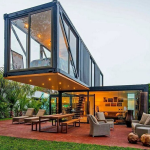
4. Container Houses: Industrial-Grade Strength With Unlimited Creativity
Container houses offer the highest strength-to-cost ratio of any modular building system. Originally designed for global shipping, containers are engineered to survive heavy loads, rough handling, and extreme weather.
The Strength Behind the Design
- Thick structural steel
- Stacking capability for multi-story buildings
- Integrated load-bearing corners
- High wind and impact resistance
This makes container houses ideal for permanent living, commercial applications, and harsh environments.
Factory Transformation
In the manufacturing process, containers are transformed from industrial shells into sophisticated living units:
- Openings are cut for doors, windows, and glass walls
- Insulation and interior walls are installed
- Electrical and plumbing systems are pre-fitted
- Flooring, ceilings, and décor are completed
- Exterior cladding can be added for modern appearance
The result is a home that is both extremely strong and visually customizable.
Design Freedom
Container modules can be combined into larger structures, allowing:
- Two-story or three-story homes
- U-shaped courtyard layouts
- Multi-unit apartment blocks
- Hotel rooms or office spaces
- Creative architecture with extended balconies and terraces
Modular stacking provides architects and property developers with near-infinite flexibility.
5. Sustainable Living Starts With Smart Manufacturing
Sustainability is no longer optional—it is a requirement for modern housing. Mobile, pod, and container homes are naturally eco-efficient due to their construction method and long-term performance.
Environmentally Friendly Advantages
- Less construction waste: Factory precision reduces material loss.
- Reduced carbon footprint: Units require fewer transportation trips.
- Minimal site damage: No large foundations or on-site debris.
- Energy-efficient insulation: Lower heating and cooling costs.
- Recycling possibilities: Container structures are fully recyclable.
By reducing land disturbance and material waste, modular homes contribute to greener urban planning and sustainable tourism development.
6. Precision Manufacturing: Where Engineering Meets Craftsmanship
A modern factory environment ensures that every unit meets consistent quality standards. Every home is produced by skilled technicians using advanced equipment for welding, cutting, assembly, and inspection.
Manufacturing Advantages
- 24/7 controlled environment prevents delays
- Strict process checks guarantee structural integrity
- Computer-aided design ensures perfect fitting
- Pre-installation of utilities shortens installation time on site
- Trained engineers oversee every production step
The result is a housing product that performs reliably for decades.
7. Complete Customization: A Home That Matches Every Vision
No two customers have the same lifestyle. Modern modular homes allow extensive customization, transforming each unit into a personalized space.
Interior Custom Features
- Theme-based décor (modern, rustic, minimalist)
- Fully furnished options
- Integrated smart home systems
- High-end kitchen or bathroom upgrades
- Climate control and energy-saving appliances
Exterior Custom Features
- Different façade materials and colors
- Expanded decks or terraces
- Large glass walls or sliding doors
- Integrated lighting solutions
- Additional modules for bedrooms, offices, or storage
Whether for a private residence, commercial project, or luxury resort, customization ensures every unit feels unique.
8. Practical Applications Across the World
Modern modular homes serve industries and communities worldwide.
Residential Living
- Affordable housing
- Retirement retreats
- Family homes in flexible locations
Tourism and Hospitality
- Off-grid resorts
- Boutique glamping parks
- Remote holiday cabins
Commercial and Industrial
- Office units
- Sales showrooms
- Security rooms
- Worker accommodations
Social and Emergency Use
- Disaster relief shelters
- Temporary hospitals or clinics
- Mobile classrooms
Their versatility is one of their strongest advantages.
9. The Future of Modular Housing: Intelligent, Eco-Friendly, and Borderless
The next decade will bring even more innovation:
- Self-sustaining solar energy systems
- Integrated water filtration and recycling
- Smart-home connectivity for all units
- Lightweight composite structures
- Climate-adaptive building materials
As global populations grow and urban land becomes more limited, modular homes will shift from an alternative to a mainstream solution.
Conclusion: Homes That Bring Freedom, Stability, and Possibility
Mobile homes, space pod houses, and container houses represent far more than modern construction—they represent a new lifestyle philosophy. These homes offer:
- Freedom to relocate
- Strong structural performance
- Faster deployment
- Lower environmental impact
- Complete customization
- Long-term durability
- Aesthetic and emotional satisfaction
Whether for personal living, commercial development, or tourism projects, modular homes provide a path to modern, sustainable, and flexible living.


No reply content