

Introduction: Why Certification Matters in Umbrella Production
In today’s global market, international buyers increasingly prioritize ethical sourcing, compliance, and sustainable manufacturing practices. Partnering with a BSCI (Business Social Compliance Initiative) or Sedex certified factory ensures that your umbrella supply chain meets the highest standards of labor, environmental, and operational responsibility.
For OEM, ODM, and private label umbrella brands, sourcing from a certified factory guarantees:
- Compliance with international social and environmental standards
- Safe working conditions and fair labor practices
- Reduced supply chain risk and increased brand credibility
- Assurance of consistent product quality
BSCI and Sedex certifications are recognized globally, providing a trusted framework for companies importing umbrellas to North America, Europe, and other key markets.
What BSCI / Sedex Certification Means
1. BSCI Certification
- Focuses on social compliance
- Audits factory conditions against labor rights, health & safety, working hours, and ethical practices
- Assures buyers that the supplier operates responsibly
2. Sedex Certification
- Global platform for supply chain risk management
- Provides transparent reporting for labor, health, safety, environment, and business ethics
- Enables buyers to track compliance and identify potential risks
Benefits for Umbrella Brands:
- Ensures production facilities meet international social and environmental standards
- Improves brand reputation among socially conscious consumers
- Reduces risk of supply chain disruptions due to non-compliance
Services and Capabilities of Certified Umbrella Factories
Certified factories typically offer a full spectrum of umbrella production services, including:
1. OEM & ODM Manufacturing
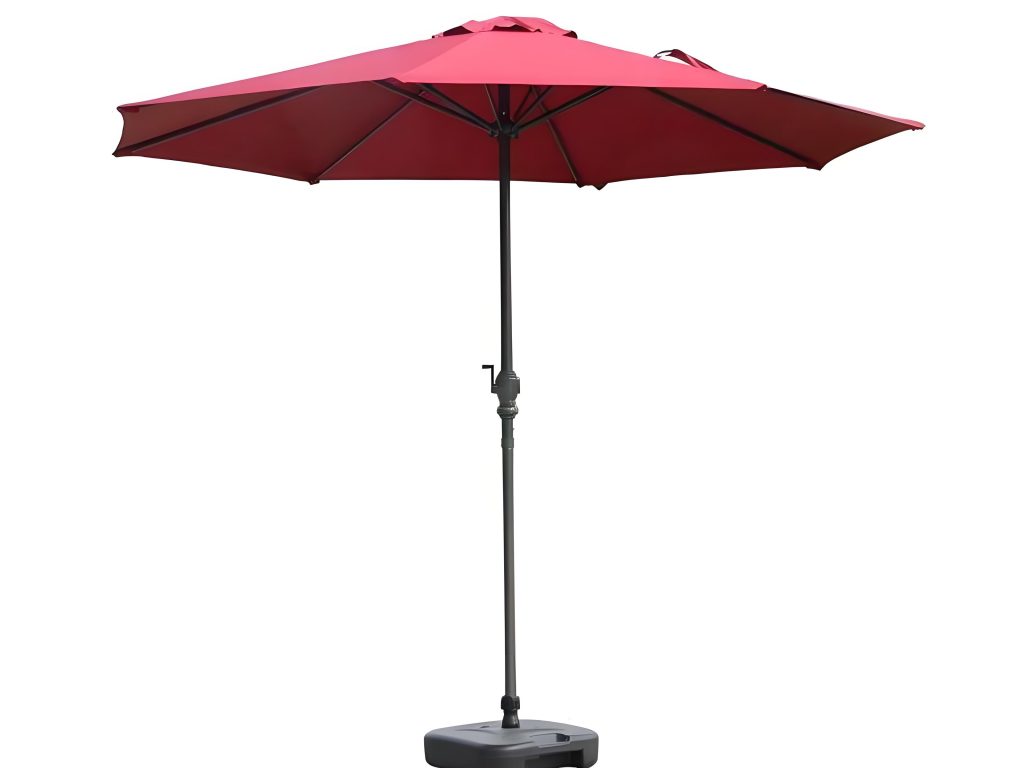
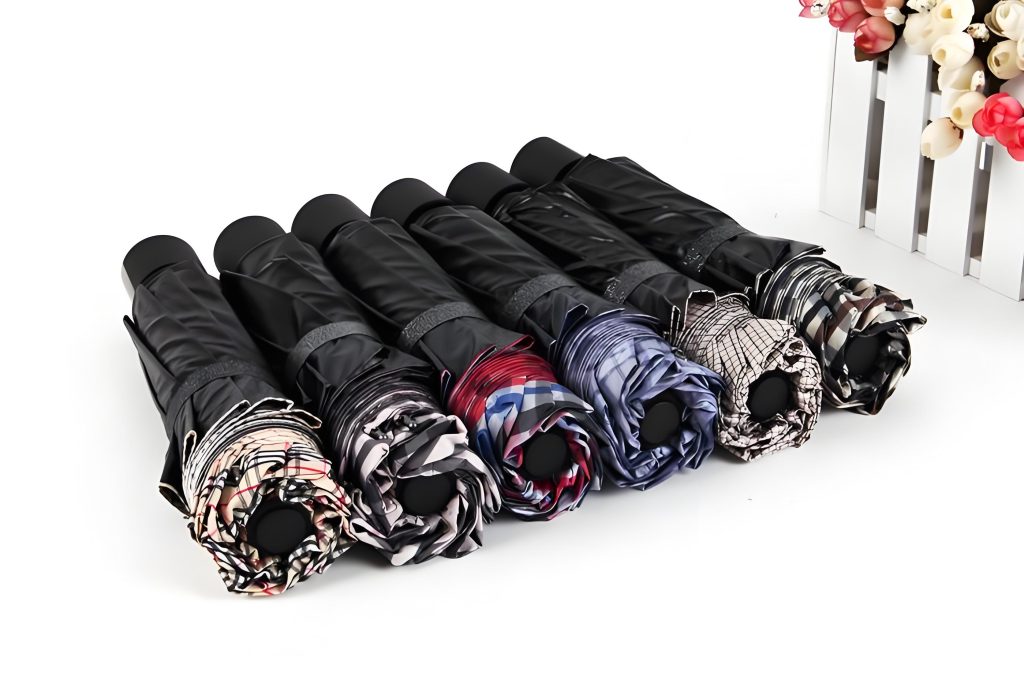
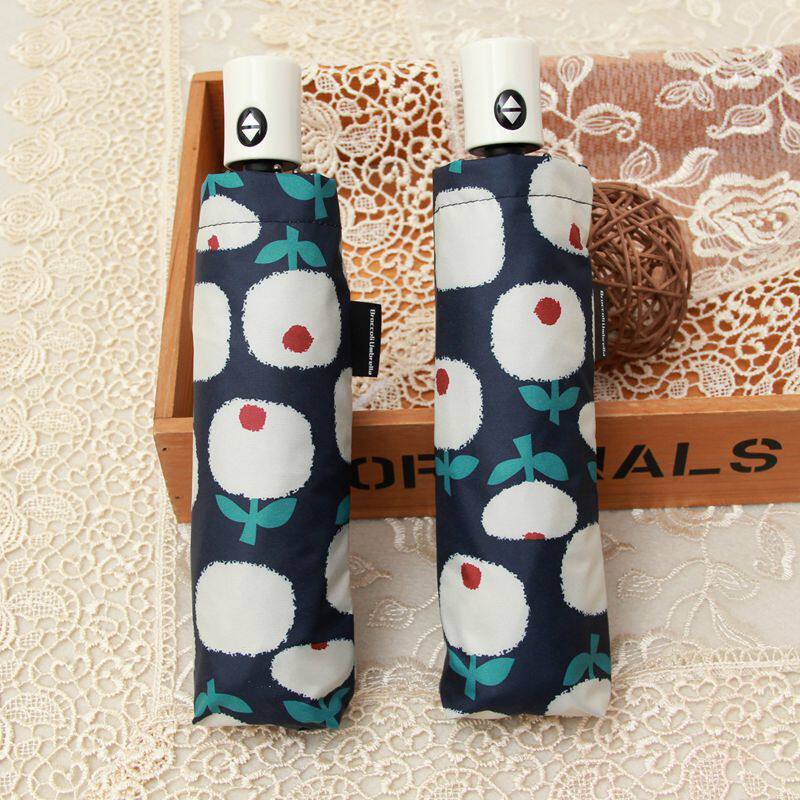
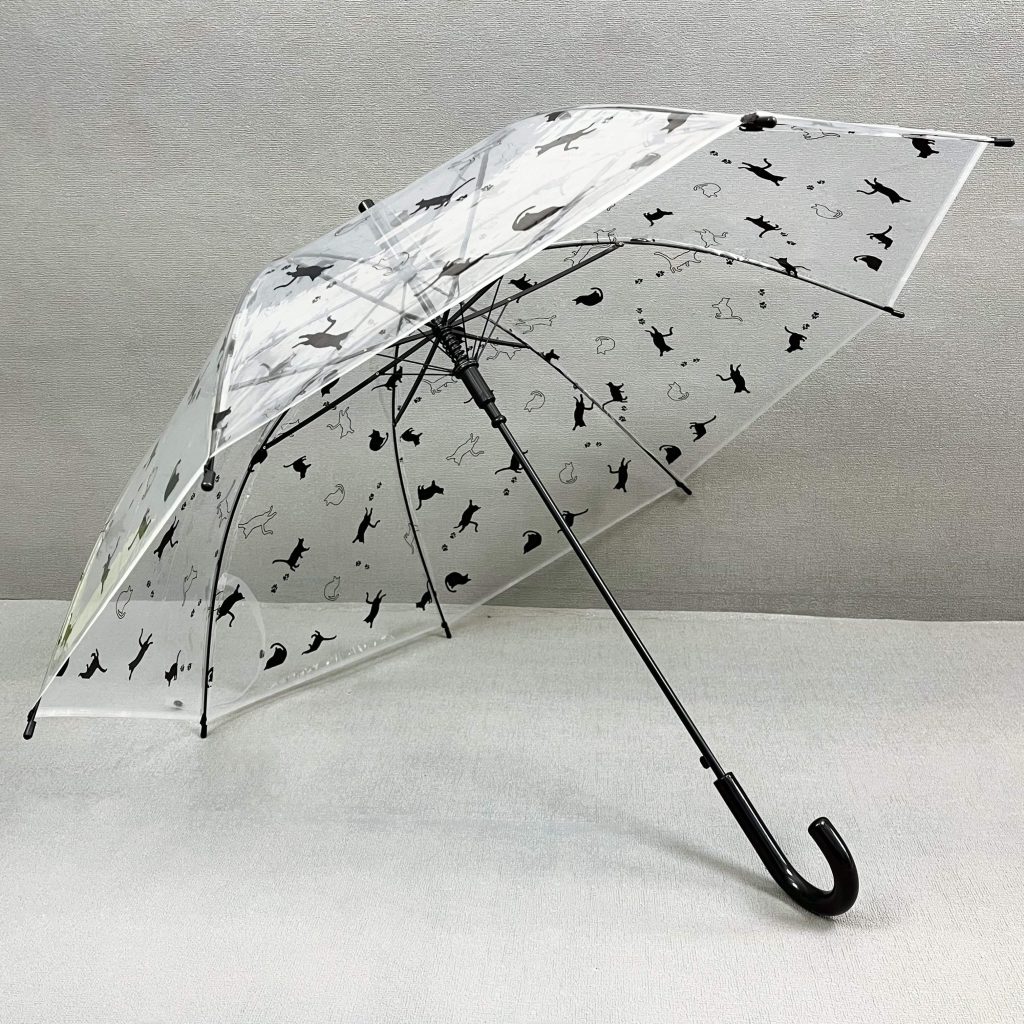
- Tailored umbrella designs for folding, stick, golf, reverse, and patio umbrellas
- Support for private label branding, logos, and packaging
2. Material Consultation
- Expert guidance on canopy fabrics: polyester, pongee, RPET, acrylic
- Technical support for frame materials: fiberglass, aluminum, steel
3. Quality Assurance
- Strict QC procedures to maintain high product reliability
- Performance testing: wind resistance, water repellency, tensile strength
4. Compliance and Reporting
- Documentation and verification for export compliance
- Social audit reports available for international buyers
Technical Performance and Production Standards
Frame and Shaft Materials
| Component | Material | Diameter | Flexibility | Tensile Strength | Typical Use |
|---|---|---|---|---|---|
| Ribs | Fiberglass / Aluminum | 3–5.5 mm | High | ≥ 500 N | Folding, windproof, golf umbrellas |
| Shaft | Fiberglass / Aluminum Alloy | 10–16 mm | Medium-High | ≥ 800 N | Stick, golf, reverse umbrellas |
| Joint | Reinforced Plastic / Metal | N/A | High | N/A | Folding and reverse models |
Canopy Fabrics
| Fabric | Density | Water Repellency | Quick-Dry | UV Protection | Abrasion Resistance |
|---|---|---|---|---|---|
| Polyester | 170–190T | Grade 4 | 10–15 min | UPF 30+ | ≥ 1,000 cycles |
| Pongee | 190–210T | Grade 5 | 5–10 min | UPF 50+ | ≥ 1,500 cycles |
| RPET | 190–210T | Grade 5 | 6–12 min | UPF 40+ | ≥ 1,200 cycles |
| Acrylic | Heavy | Grade 5 | 8–12 min | UPF 50+ | ≥ 1,800 cycles |
Manufacturing Workflow in Certified Factories
- Material Inspection – Verifying shaft, ribs, and canopy fabrics for compliance and performance
- Prototype Development – Creating folding, stick, golf, or reverse umbrella samples
- Production & Quality Control – Testing opening/closing cycles (≥3,000), wind resistance (up to 12 m/s), and waterproofing
- Printing and Branding – Logo application through silk screen, heat transfer, or embroidery
- Packaging & Export Documentation – Ensuring compliance with international standards
Certified factories integrate quality, ethics, and compliance into every step of umbrella production.
Technical Specification Table (Example: Folding Umbrella from BSCI/Sedex Factory)
| Feature | Specification |
|---|---|
| Product Type | 3-Fold Automatic Umbrella |
| Open Diameter | 105 cm |
| Folded Length | 32 cm |
| Rib Material | Fiberglass 4 mm |
| Shaft Material | Fiberglass + Aluminum Alloy |
| Fabric | 210T Pongee |
| Opening/Closing Cycles | ≥ 3,000 |
| Wind Resistance | Up to 12 m/s |
| Water Repellency | Grade 5 |
| UV Protection | UPF 50+ |
| Weight | 420 g |
| Certification | BSCI / Sedex |
Comparison: Certified vs Non-Certified Factories
| Feature | BSCI / Sedex Certified | Non-Certified |
|---|---|---|
| Labor Compliance | Guaranteed | Varies |
| Environmental Standards | Audited | Often Limited |
| Supply Chain Transparency | High | Low |
| Product Quality | High & Consistent | Variable |
| Brand Safety | Protected | Risk of Reputational Damage |
| International Acceptance | High | May Require Additional Verification |
Conclusion: Working with a certified factory reduces legal, ethical, and supply chain risks, while improving brand trust and market access.
FAQ: BSCI / Sedex Certified Umbrella Factories
Q1: What does BSCI certification involve?
BSCI audits factories on labor rights, working conditions, ethical practices, and health & safety.
Q2: What is Sedex certification?
Sedex is a global platform providing supply chain transparency for labor, ethics, health, safety, and environment compliance.
Q3: Are certified factories suitable for OEM / ODM production?
Yes, certified factories offer full customization services while ensuring social and environmental compliance.
Q4: How does certification affect export processes?
Certification streamlines international compliance, reduces audit requirements, and builds buyer trust.
Q5: Can certified factories produce eco-friendly umbrellas?
Yes, many factories integrate RPET fabrics, biodegradable packaging, and sustainable manufacturing practices.
Conclusion: Choosing a BSCI / Sedex Certified Factory
For global umbrella brands, distributors, and retailers, sourcing from a BSCI / Sedex certified factory ensures:
- Ethical and compliant labor practices
- High-quality, durable umbrella production
- Sustainable and environmentally responsible manufacturing
- Risk mitigation and supply chain transparency
Certified factories not only deliver high-performance umbrellas but also strengthen brand credibility in the global market, making them a strategic partner for long-term international business success.


No reply content