The global bubble tea market, valued at $2.8 billion in 2023, is projected to grow at a CAGR of 15% through 2030, driven by Gen Z’s demand for tech-driven, eco-conscious beverage experiences. For café owners and franchise operators, investing in a bubble tea equipment factory that combines innovation, scalability, and sustainability is no longer optional—it’s critical to survival. This article explores how modern factories are redefining equipment design with AI-powered automation, circular manufacturing practices, and hyper-localized customization to help businesses thrive in a post-pandemic world.
—
Why Modern Bubble Tea Equipment Factories Are Essential Generic suppliers risk delivering obsolete or low-quality machines. Professional factories specialize in:
1. Smart Equipment for Efficiency – IoT-Enabled Brewers: Remote monitoring of tea temperatures (±1°C accuracy) and automated cleanup schedules reduce labor costs by 30%. – AI-Driven Inventory Management: Predictive analytics track ingredient usage, minimizing waste and restocking errors.
2. Sustainability as a Standard – Circular Design: Machines built with 100% recyclable stainless steel and modular components extend lifespans by 50%. – Energy Savings: Inverter compressors cut power use by 25%, while solar-ready designs reduce grid dependency.
3. Localized Customization – Regional Compliance: CE (EU), FDA (US), and HACCP (global) certifications ensure seamless market entry. – Cultural Adaptations: Halal-certified milk systems for MENA markets or heat-resistant handles for tropical climates.
—
Core Equipment for a 2030 Bubble Tea Shop Future-proof your store with these tech-forward, eco-friendly machines:
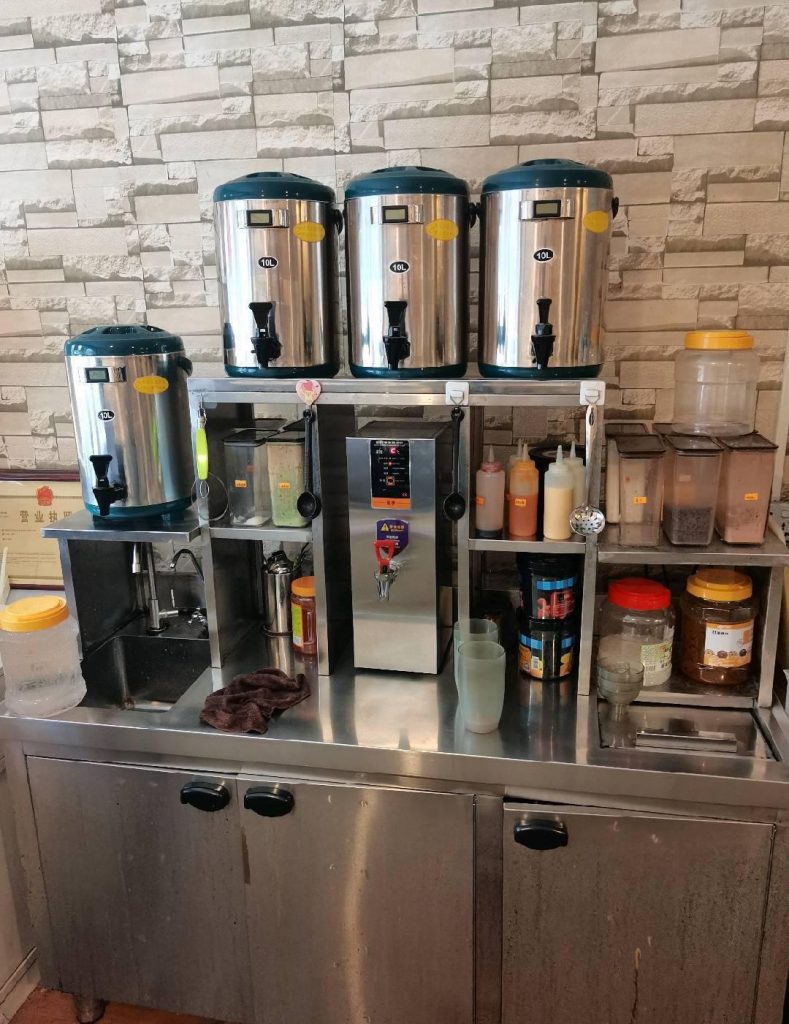
1. AI-Powered Brewing Systems – Adaptive Tea Extractors: Machine learning adjusts steeping times based on real-time sales data (e.g., more oolong during rainy days). – Self-Cleaning Kettles: UV-C sterilization and reverse osmosis filters reduce manual cleaning by 90%.
2. Nitro Cold Brew Stations – Nitrogen Infusion: Creamy, zero-sugar lattes with 30-second pour times. – Smart Temperature Control: Maintain 3–5°C for optimal nitrogen texture.
3. Zero-Waste Packaging Solutions – Compostable Cup Sealers: Heat-seal compostable cups in under 5 seconds. – Tapioca Pearl Recyclers: Separate pearls from wastewater for reuse in future batches.
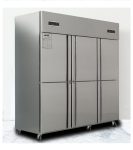
4. Modular Display Systems – Refrigerated Towers: LED-lit, stackable units showcase pre-made toppings while reducing energy use by 40%.
—
Customization: From Niche Cafés to Global Franchises One-size-fits-all equipment fails in today’s fragmented market. Factories now offer:
1. Scalable Configurations – Tier 1 (Indie Cafés): Compact countertop brewers (30 cups/hour) with manual fillers. – Tier 3 (Franchises): Industrial systems (500+ cups/hour) with robotic milk steaming arms.
2. Branding Integration – Laser Engraving: Permanent logos on stainless steel surfaces. – Dynamic Color Schemes: Swappable panels for seasonal campaigns.
3. Specialized Features – CBD/Oat Milk Ports: Dedicated dispensers for trending plant-based options. – Nitrogen Canisters: On-site gas integration for nitro drinks.
—
Quality Assurance in a Competitive Market Factories must guarantee reliability to avoid costly downtimes:
1. Material Testing – XRF scans verify stainless steel purity (304 grade). – Pressure tests validate durability up to 150°C.
2. Performance Trials – Simulate 1,000+ cycles of tea brewing and boba straining. – Real-world testing in partner cafés (e.g., 12-hour shifts in Taipei stores).
3. After-Sales Support – 24/7 remote diagnostics via IoT sensors. – 48-hour spare part delivery via regional hubs in Singapore and Frankfurt.
—
Case Study: A Southeast Asian Franchise’s 200% ROI A Bangkok-based chain partnered with a Chinese factory to optimize operations: 1. Smart Filling Machines: Reduced service time by 40% with auto-capping and ice-crushing modules. 2. Solar-Compatible Display Units: Cut energy costs by 35% in outdoor food courts. 3. Localized Assembly: Avoided 18% import tariffs by using Vietnam-based assemblers.
Result: $2.1 million revenue growth in 18 months.
—
Future Trends: AI, Blockchain, and Beyond Stay ahead with these disruptive innovations: – Blockchain Traceability: Log tea and pearl origins on immutable ledgers for ESG audits. – Voice Commerce: Natural language processing for hands-free orders (e.g., “Alexa, brew a matcha nitro cold brew”). – Carbon Credit Dashboards: Machines calculate per-cup emissions, letting customers offset them via app.
—
How to Partner with a Future-Focused Factory 1. Audit Suppliers: Ensure they invest in R&D (e.g., patents for AI brewing algorithms). 2. Demand Transparency: Request blockchain-based material certifications. 3. Leverage Local Hubs: Use regional warehouses for faster, cheaper shipping.
—
Conclusion The bubble tea equipment industry is at an inflection point where sustainability, intelligence, and customization define success. By partnering with a factory that integrates IoT, circular design, and regional agility, café owners can future-proof operations, reduce costs, and delight eco-conscious customers.
Ready to lead the next wave? Collaborate with a manufacturer that turns trend-driven challenges into competitive advantages.


No reply content