Container House Co., Ltd
——How Modular Steel Structures Are Redefining Sustainable, Flexible Homes
In an era where urbanization collides with sustainability, the search for innovative housing solutions has led to a surprising hero: the shipping container. Once solely a tool for global trade, these steel boxes are now being transformed by specialized factories into modern, efficient, and eco-friendly homes. A leading container house factory, dedicated to pushing the boundaries of residential design, is at the forefront of this movement—turning industrial relics into livable art. This article delves into the factory’s approach to innovative design, the core advantages of container homes, and why they are becoming a go-to choice for modern living.
I. The Factory’s Role: From Steel Boxes to Smart Homes
A container house factory is not merely a manufacturer; it is a design lab that merges industrial pragmatism with architectural creativity. Unlike traditional homebuilders, the factory leverages the inherent strengths of shipping containers—durability, modularity, and portability—and reengineers them for residential use.
-
Modular Production: Containers (standard 20ft/40ft sizes) are cut, reinforced, and fitted with insulation, wiring, and plumbing in a controlled factory environment. This reduces on-site labor and waste.
-
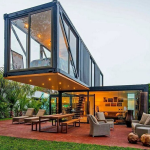
Customization Hub: The factory works directly with clients to adapt containers to unique needs—adding windows, skylights, balconies, or stacking them into multi-story units.
-
Sustainability Focus: By repurposing retired containers (diverting steel from landfills) and integrating solar panels, rainwater harvesting, and recycled materials, the factory minimizes environmental impact.
II. Core Innovations in Container Home Design
The factory’s design philosophy centers on four pillars that make container homes a modern living solution:
1. Space Optimization: Small Footprint, Big Possibilities
Containers are compact, but smart design turns limitations into strengths:
-
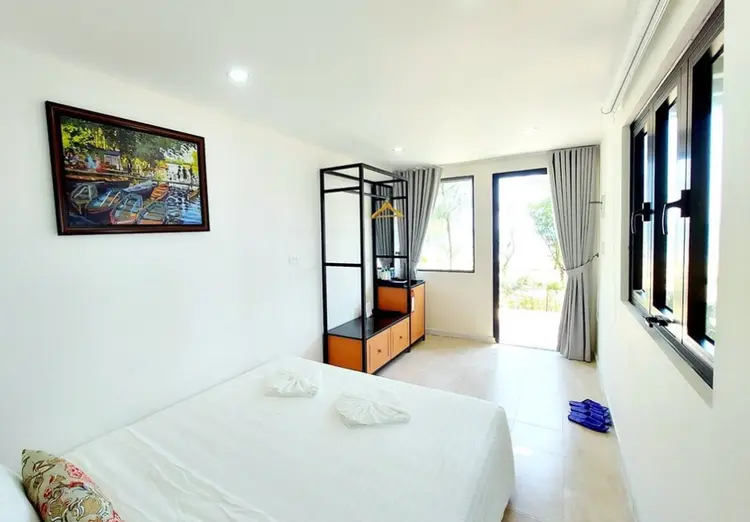
Open-Plan Layouts: Removing interior walls creates flexible living spaces (e.g., a combined kitchen-living area).
-
Vertical Expansion: Stacking containers (2–3 levels) adds bedrooms or offices without expanding the footprint.
-
Multi-Functional Furniture: Fold-out beds, built-in storage, and convertible tables maximize utility in tight spaces.
2. Eco-Friendly Engineering
Sustainability is woven into every stage:
-
Insulation: High-performance foam or recycled denim insulation regulates temperature, cutting energy use by 30–40%.
-
Renewable Energy: Solar panels on roofs and wind turbines (for windy areas) power homes off-grid.
-
Water Conservation: Rainwater collection systems and low-flow fixtures reduce reliance on municipal supplies.
3. Smart Home Integration
Modern container homes are tech-ready:
-
IoT Connectivity: Sensors monitor energy use, security, and air quality, accessible via mobile apps.
-
Automated Systems: Smart thermostats, LED lighting, and voice-controlled appliances enhance convenience.
-
Off-Grid Capabilities: Battery storage (e.g., Tesla Powerwall) stores solar energy for 24/7 use.
4. Aesthetic Versatility
Container homes shed their industrial look with creative finishes:
-
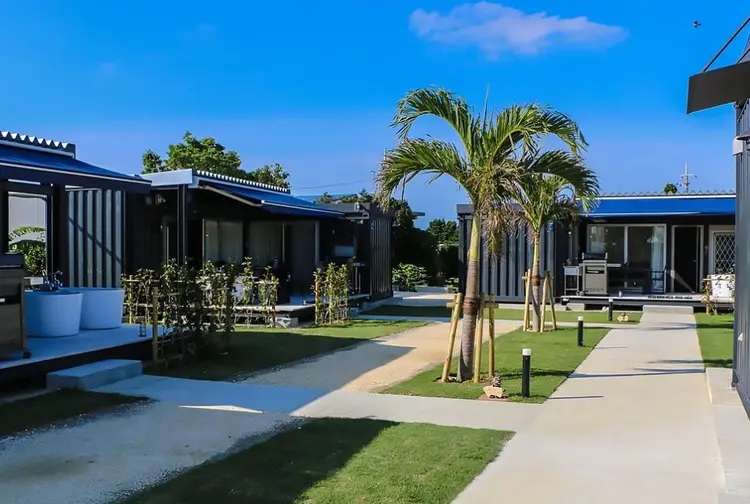
Exterior Cladding: Wood panels, fiber cement, or living green walls blend containers into natural surroundings.
-
Industrial Chic: Exposed steel beams and corrugated metal accents appeal to minimalist tastes.
-
Cultural Fusion: Local materials (e.g., bamboo in tropical regions) are integrated for regional relevance.
III. Advantages Over Traditional Housing
Why choose a container home? The factory highlights five key benefits:
-
Speed: Factory production cuts build time to 4–8 weeks (vs. 6–12 months for traditional homes).
-
Cost: 20–30% cheaper than conventional construction (due to reused materials and modular assembly).
-
Portability: Containers can be transported and reassembled in new locations (ideal for temporary or mobile living).
-
Durability: Steel structures resist fire, pests, and extreme weather (tested for 50+ year lifespans).
-
Scalability: Start with a single container and expand as family or business needs grow.
IV. FAQ: Answering Your Container Home Questions
Q1: Are container homes safe to live in?
A: Yes. The factory reinforces containers with additional steel beams, insulates against temperature extremes, and tests for wind (up to 150 mph) and seismic (Zone 4) resistance. Electrical and plumbing systems meet international building codes.
Q2: Can I customize the layout and size?
A: Absolutely. The factory offers full customization: adjust window/door placement, add lofts, stack containers, or combine with traditional materials (e.g., wood framing for extensions).
Q3: How long does it take to build a container home?
A: Factory production takes 2–4 weeks; on-site assembly (foundation, utilities, finishing) adds 2–4 weeks. Total time: 4–8 weeks (vs. 6+ months for traditional homes).
Q4: Are container homes energy-efficient?
A: Yes. With insulation, solar panels, and smart systems, they use 30–40% less energy than conventional homes. Some models achieve “net-zero” status (producing as much energy as they use).
Q5: What about permits and regulations?
A: The factory assists with local compliance, providing structural drawings, energy efficiency reports, and permit applications. Regulations vary by region but are increasingly supportive of sustainable housing.
Q6: How do I maintain a container home?
A: Low maintenance! Steel exteriors need occasional repainting (every 5–7 years). Inspect seals and insulation annually. The factory provides a 10-year structural warranty.
Q7: Can container homes be used for commercial purposes?
A: Yes. The factory designs container offices, cafes, pop-up shops, and emergency shelters—all with the same modular efficiency.
Q8: What is the lifespan of a container home?
A: With proper maintenance, 50+ years. The steel structure resists rust (with anti-corrosive coatings), and the factory uses marine-grade paint for exteriors.
V. Conclusion: Container Homes as a Modern Living Revolution
The container house factory is proving that innovation doesn’t require starting from scratch—it can start with a steel box. By merging modular design, sustainability, and smart technology, these homes offer a flexible, affordable, and eco-friendly alternative to traditional housing. Whether as a primary residence, vacation home, or office, container homes are redefining “modern living” for a world that values efficiency, creativity, and the planet.
For those ready to embrace a new way of living, the factory stands as a partner—turning industrial simplicity into architectural brilliance.
In short: Container homes aren’t just houses—they’re a statement of sustainable, flexible, and modern living.


No reply content