
3D Printer Suppliers in Shenzhen China
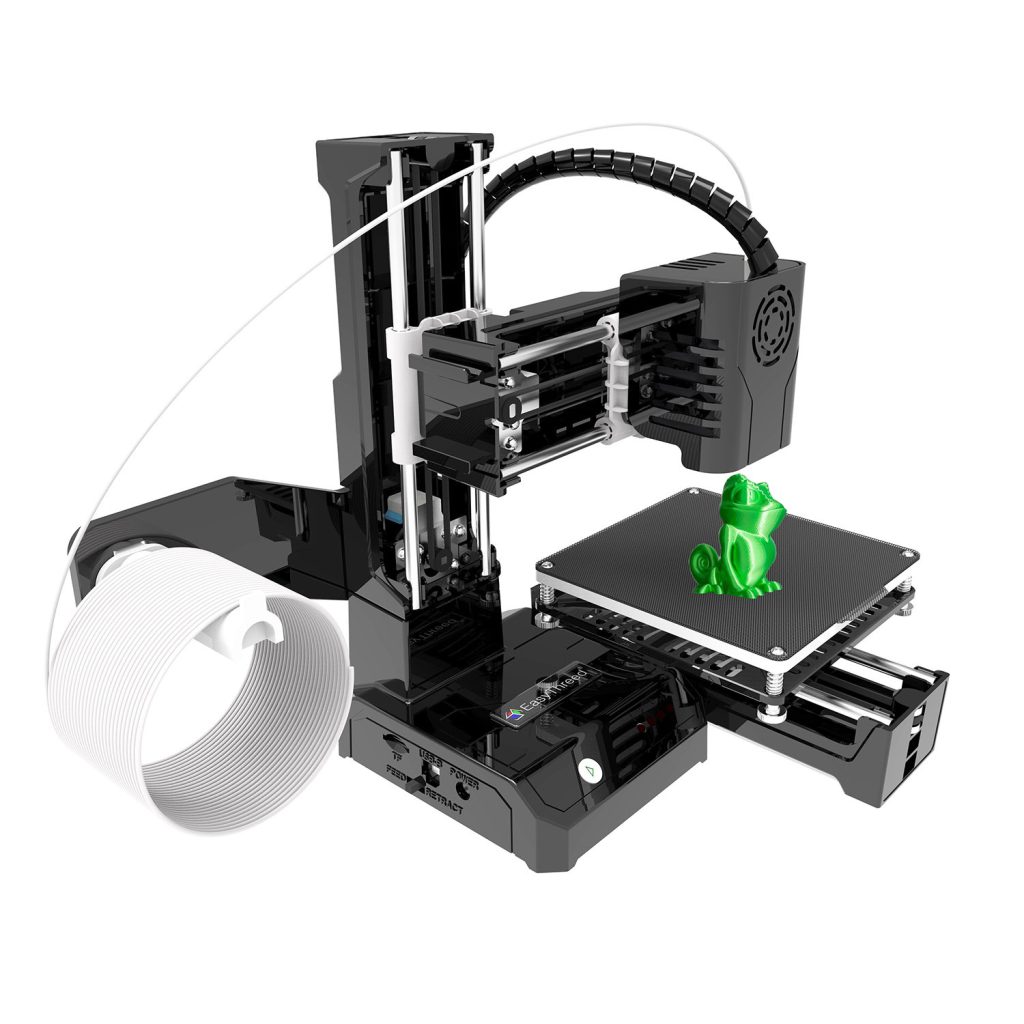
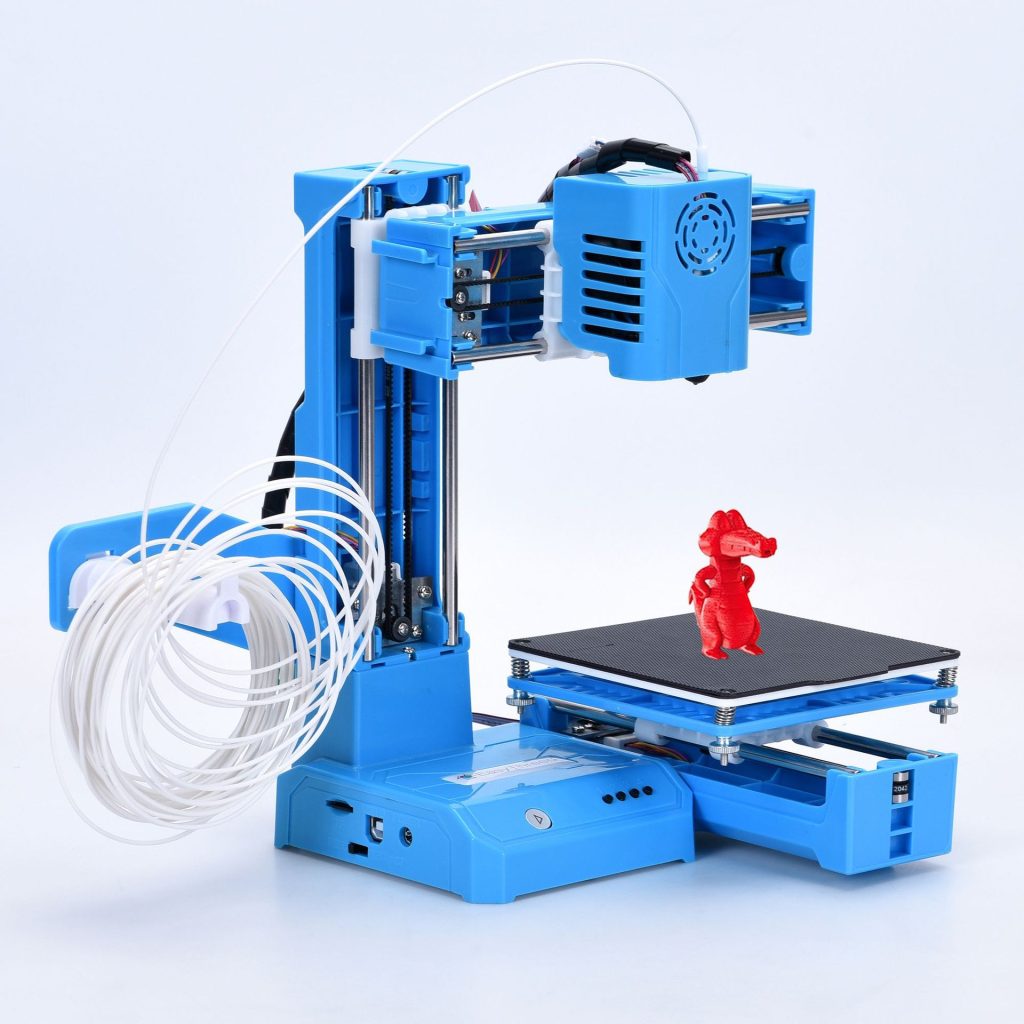
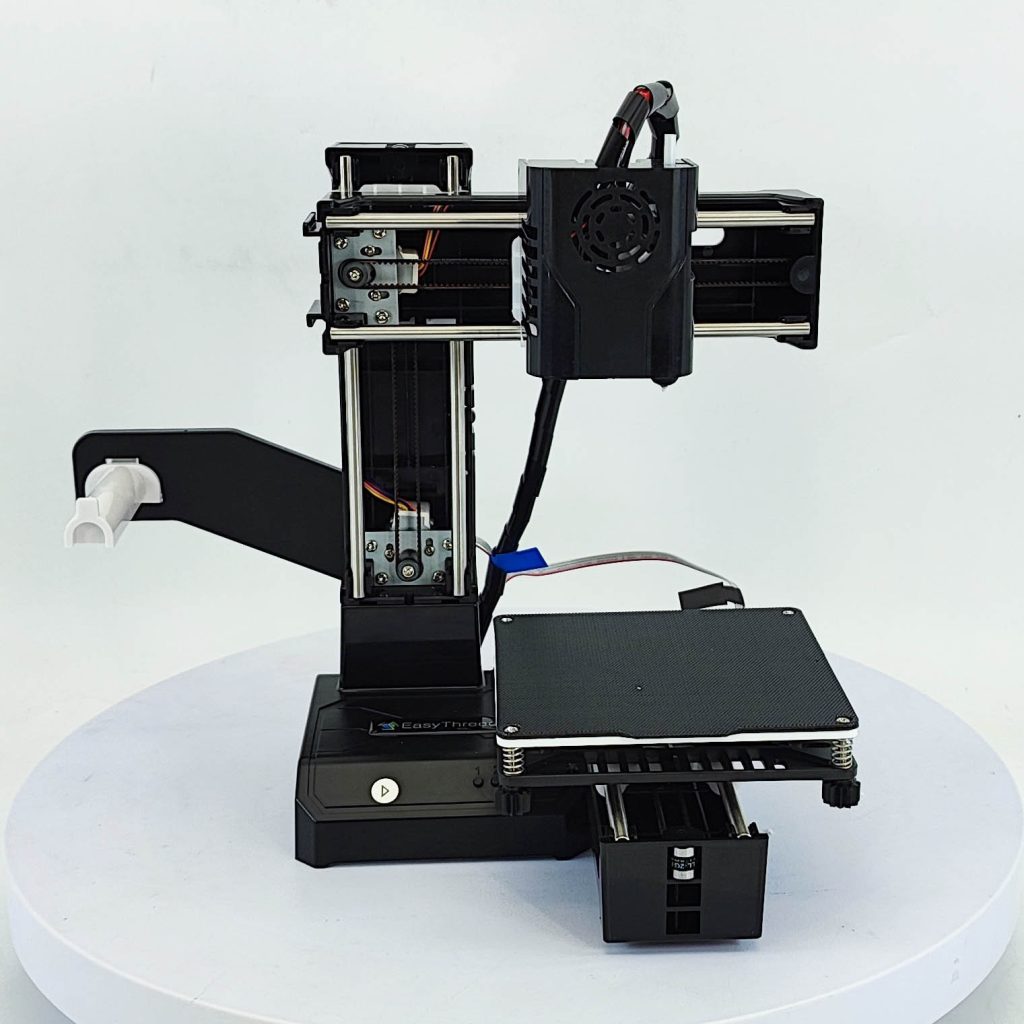
For schools, vocational training centers, and educational institutions, investing in a 3D printing laboratory is no longer a luxury—it is a strategic necessity. As curricula shift towards STEM and project-based learning, administrators face the challenge of selecting a Chinese 3D printer supplier that offers more than just hardware. The goal is to implement a complete ecosystem that aligns with national education standards, ensures student safety, and integrates seamlessly into teaching plans.
Choosing the right partner requires looking beyond the price tag and evaluating the solution through an educational lens. Here is a guide to procuring a 3D printing lab that truly enhances the learning environment.
1. Prioritizing Safety and Durability Over Specs
In a classroom setting, safety trumps speed. High-temperature components, exposed wires, or unstable structures pose significant risks to students.
-
The Strategy: Insist on fully enclosed machines with HEPA filtration systems to keep fumes and hot surfaces away from curious hands. Look for robust, tamper-proof construction designed to withstand the wear and tear of daily student interaction.
2. Ensuring Curriculum Alignment and Ease of Use
A 3D printer sitting unused in a corner is a failed investment. The technology must be accessible to teachers who may not have an engineering background.
-
The Strategy: Select suppliers who provide comprehensive curriculum resources mapped to standards like NGSS (Next Generation Science Standards) or local equivalents. The software interface should be intuitive enough for a middle school student, minimizing the learning curve for educators.
3. Evaluating the Total Cost of Ownership (TCO)
Budget constraints are real. While the initial hardware cost is visible, the ongoing expenses for filament, maintenance, and training can derail a program.
-
The Strategy: Opt for solutions with open-material compatibility to avoid vendor lock-in. Calculate the cost per print and ensure that replacement parts (nozzles, build plates) are affordable and easy to source.
4. The Importance of Localized Support and Training
When a printer fails before a major science fair, waiting a week for an email reply is not an option.
-
The Strategy: Partner with suppliers who offer localized teacher training (both online and on-site) and responsive technical support. A good supplier acts as an educational partner, providing lesson plans and troubleshooting guides.


No reply content