
📦 Bulk Clothing Production for Growing Apparel Businesses
For many fashion entrepreneurs, the biggest challenge is transforming clothing ideas into real products that can be sold in large quantities. Bulk clothing manufacturing allows brands to produce garments efficiently while maintaining consistent quality and strong brand identity.👕 Custom apparel development
🧵 Professional garment production systems
🏷 Brand label and packaging customization
📦 Large-scale clothing manufacturing
🌍 Reliable global apparel supply capabilityBy working with an experienced clothing manufacturer, startups and fashion retailers can launch apparel collections faster, reduce production costs, and maintain stable supply for growing markets.
👕 Why Bulk Clothing Manufacturing Matters for Fashion Brands
In the modern apparel industry, scalability is essential. Clothing brands must produce products efficiently to meet customer demand while maintaining consistent quality.
Bulk clothing manufacturing offers a solution by allowing garments to be produced in larger quantities using structured production systems.
Major advantages include:
📈 improved production efficiency
💰 reduced manufacturing cost per unit
🏷 consistent brand presentation
👕 reliable garment quality
🌍 ability to supply international markets
For fashion startups especially, bulk manufacturing helps build a strong product line without excessive production expenses.
🧥 Understanding the Structure of Bulk Apparel Production
Bulk clothing production is a structured manufacturing process where garments are produced in large quantities according to predefined specifications.
This process ensures that each item remains consistent in quality and appearance.
Typical components of bulk apparel manufacturing include:
👕 product design planning
🧵 fabric sourcing and preparation
📐 pattern development
🪡 sewing and garment assembly
🔍 quality inspection
📦 packaging and distribution
Each stage contributes to the creation of reliable clothing products suitable for retail or wholesale markets.
👚 Clothing Categories Commonly Produced in Bulk
Bulk clothing manufacturing supports a wide range of apparel products across different fashion markets.
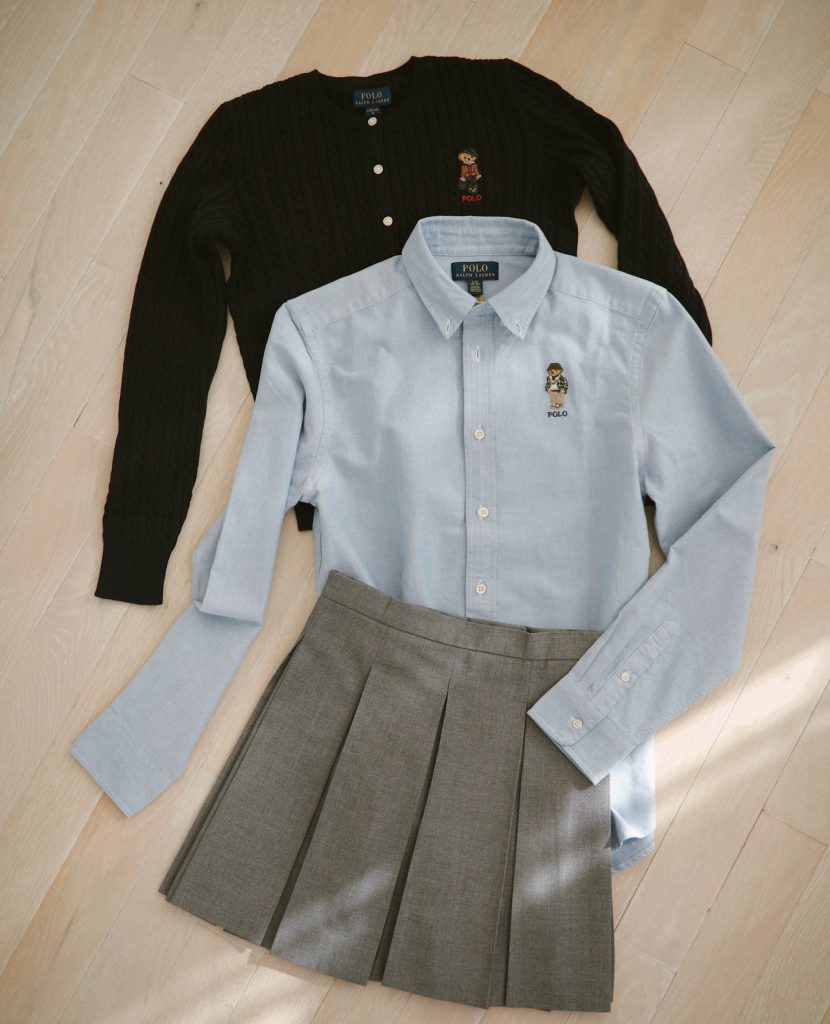
👕 Everyday Casual Clothing
Casual clothing is one of the most popular apparel segments worldwide.
These garments focus on comfort and practicality for daily wear.
Common casual clothing products include:
👕 short-sleeve shirts
👚 lightweight tops
👖 casual trousers
🧥 comfortable jackets
Casual apparel is widely sold through online clothing stores and fashion retailers.
🧥 Hooded Sweatshirts and Outerwear
Hoodies and sweatshirts have become essential items in modern fashion collections.
They are valued for both comfort and versatility.
Popular hoodie characteristics include:
🧵 durable fabrics
👕 relaxed garment cuts
🏷 custom brand labels
🎨 decorative prints or embroidery
These garments are widely used in lifestyle fashion brands.
👖 Athletic and Performance Clothing
Sportswear and athletic clothing are important segments of the apparel industry.
These garments are designed to support physical movement and comfort.
Examples include:
🏃 training shirts
🏋 athletic shorts
🧘 fitness apparel
🚴 activewear pants
Breathable materials and flexible fabrics are often used to improve performance.
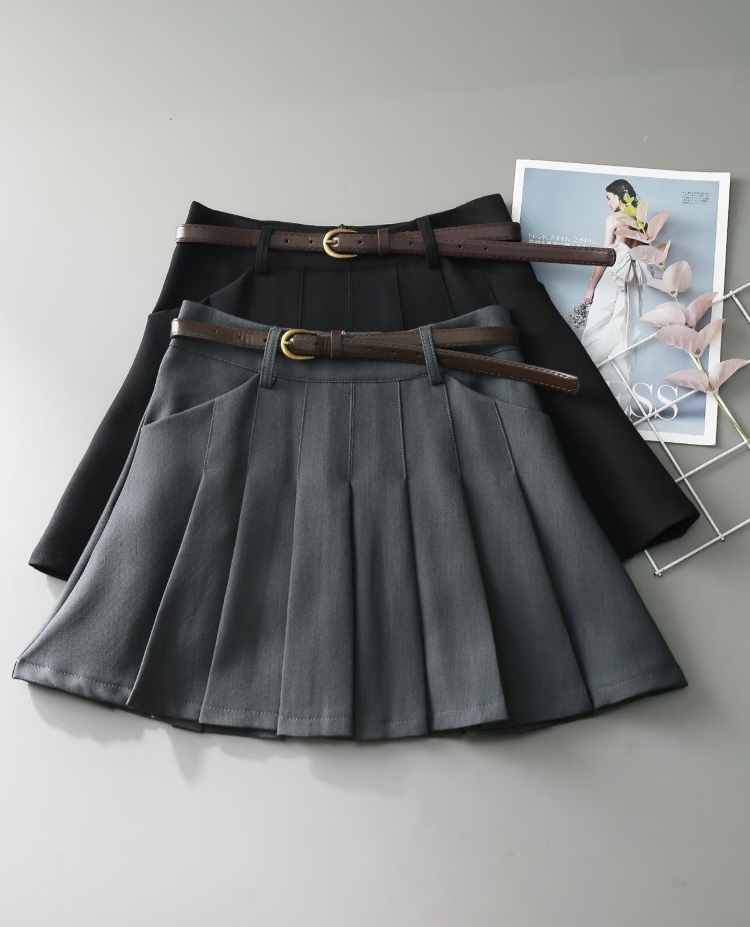
👗 Seasonal Fashion Garments
Fashion collections frequently include seasonal clothing designed for different climates and trends.
Examples include:
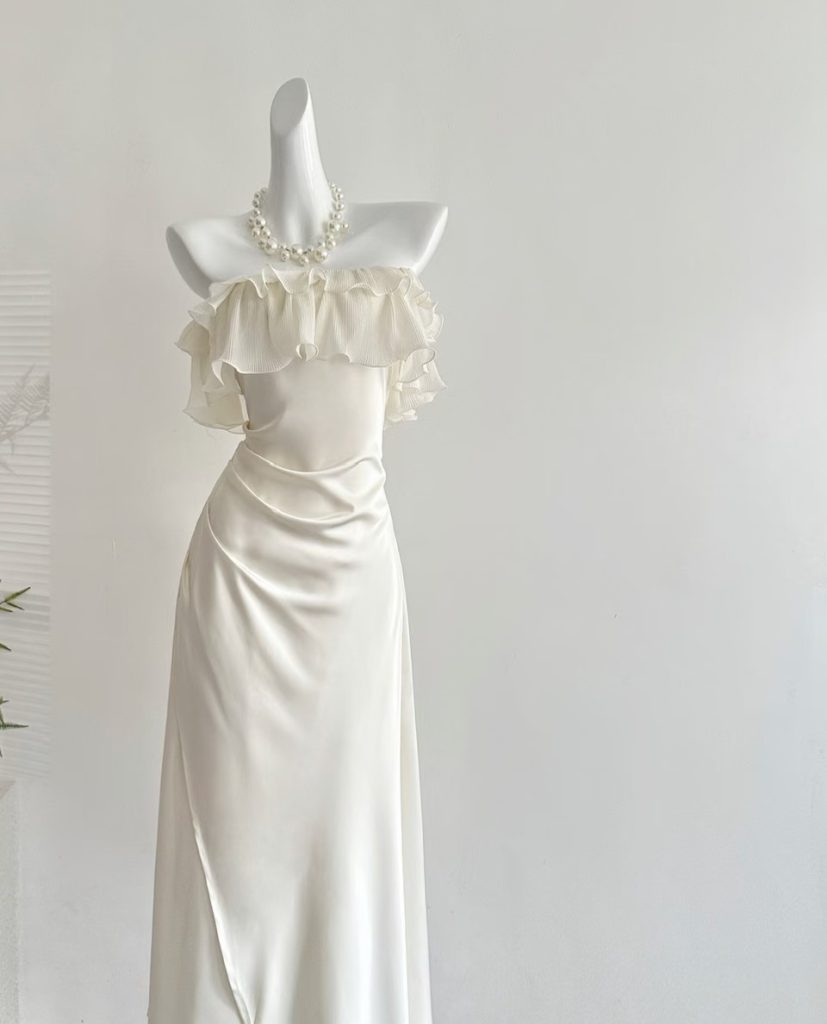
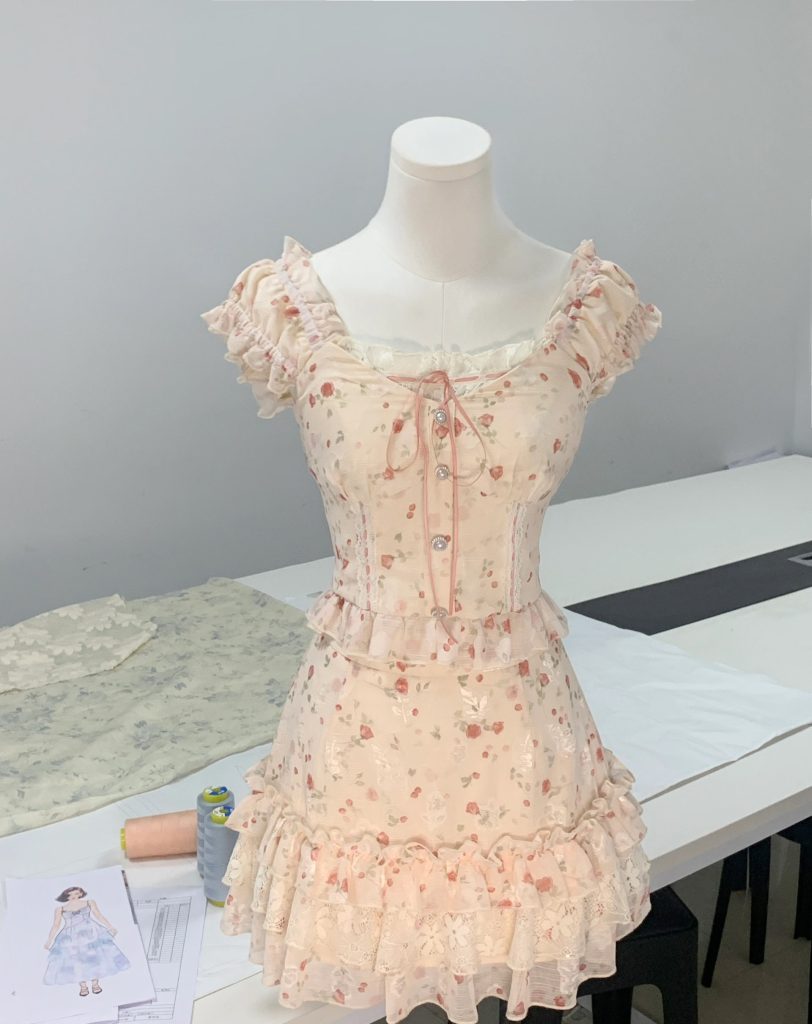
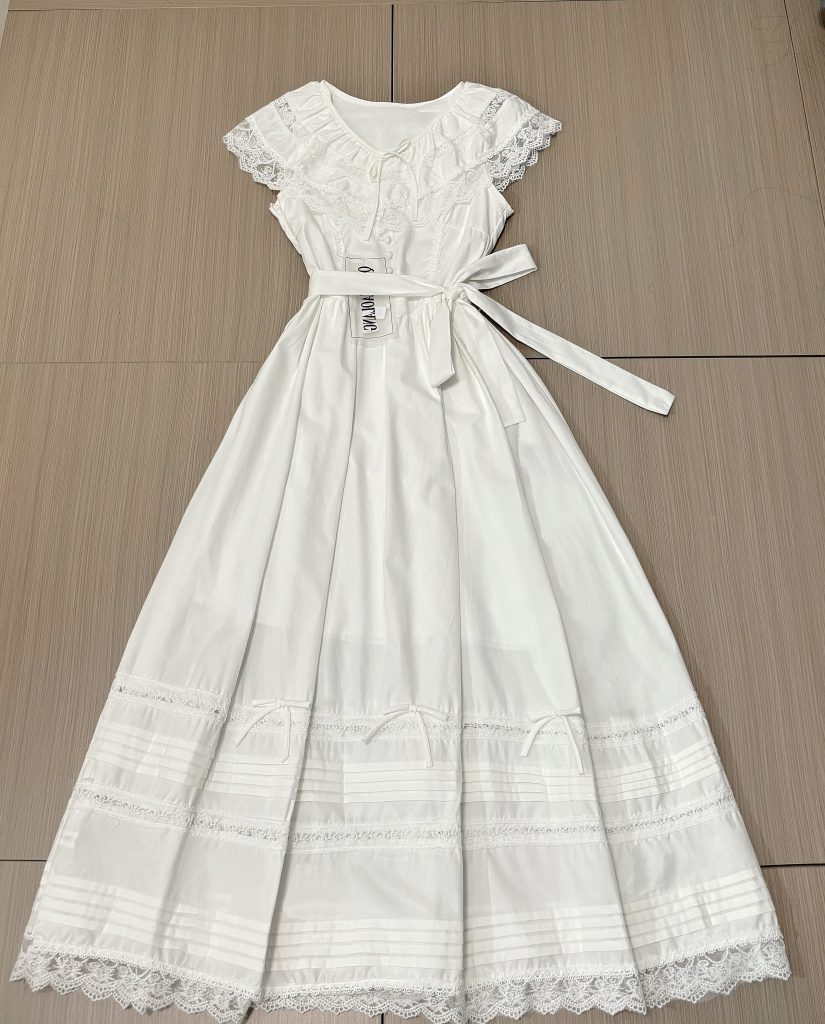
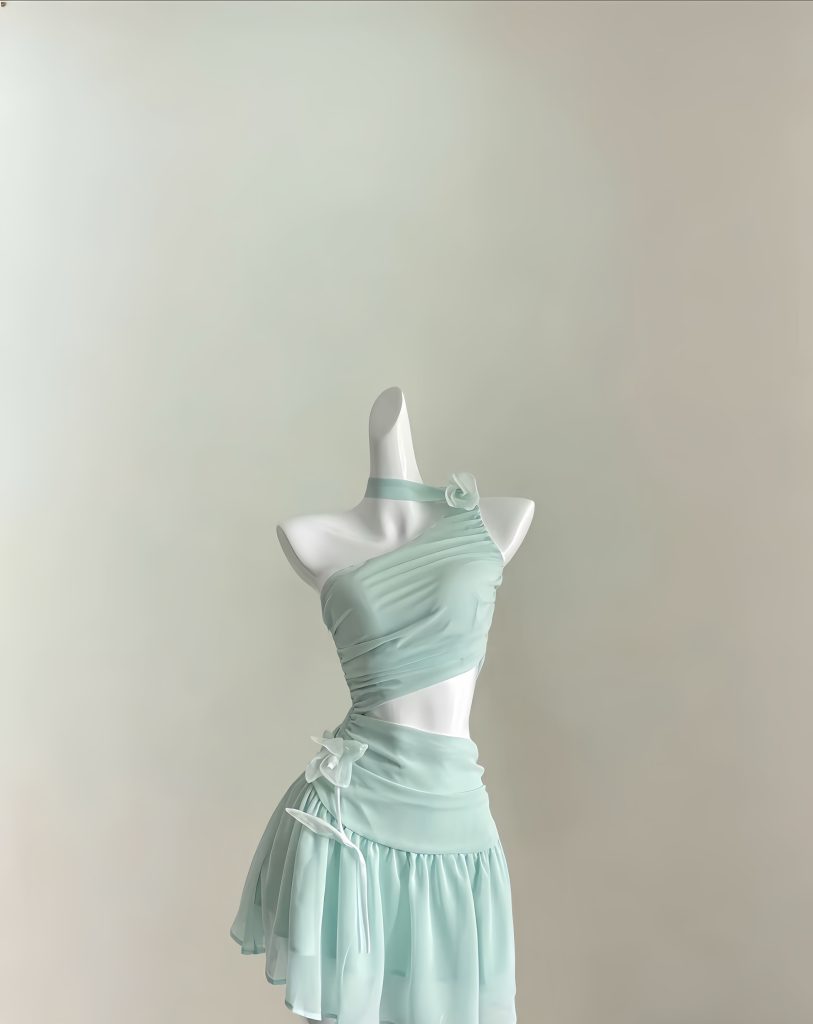
👗 summer dresses
🧥 light jackets
👚 seasonal tops
👖 seasonal trousers
Bulk production allows fashion brands to launch seasonal collections efficiently.
✂ The Bulk Clothing Production Workflow
Producing clothing at scale requires a well-organized manufacturing process.
✏ Product Design and Development
Every clothing product begins with a design concept.
Design teams create specifications that guide the manufacturing process.
Typical design elements include:
🎨 design sketches
📐 technical garment drawings
📏 size specifications
🧵 fabric recommendations
Clear design documentation ensures accurate garment production.
🧵 Fabric Preparation and Material Selection
The selection of fabric is one of the most important steps in apparel manufacturing.
Fabric quality directly influences the comfort, durability, and appearance of clothing.
Important fabric properties include:
🌿 breathability
🧶 softness
🧵 strength
🌱 lightweight construction
Selecting the right fabric helps ensure the final garment meets market expectations.
📐 Pattern Making and Sample Testing
Pattern making transforms clothing designs into technical templates used for cutting fabrics.
These patterns ensure consistent sizing across all garments.
Manufacturers usually create a sample garment to test:
✔ design accuracy
✔ garment fit
✔ fabric performance
Once the sample is approved, large-scale production can begin.
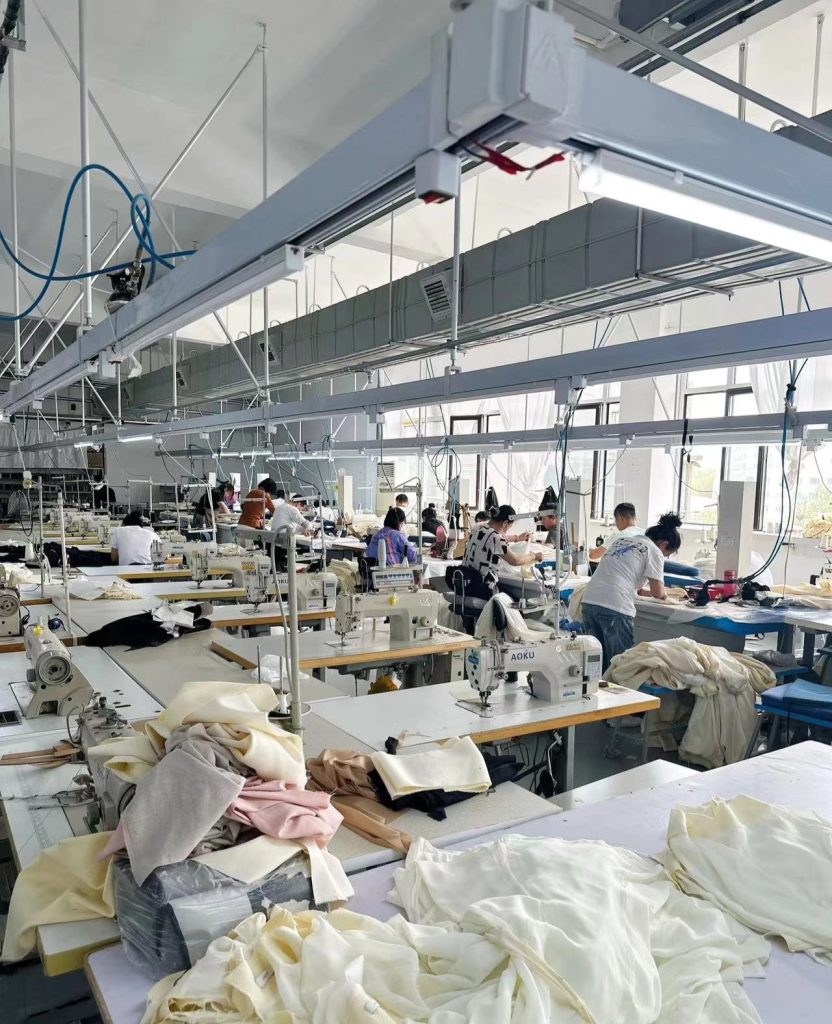
🪡 Sewing and Garment Assembly
During production, fabric pieces are stitched together using specialized sewing equipment.
Key assembly steps include:
🧵 joining garment panels
👕 attaching sleeves and collars
🏷 installing labels and tags
🪡 reinforcing seams for durability
Precision sewing ensures garments maintain both quality and durability.
🔍 Quality Control and Inspection
Quality control ensures that every garment meets the brand’s standards before reaching customers.
Inspection teams review:
✔ garment measurements
✔ stitching quality
✔ fabric condition
✔ overall appearance
Strict quality checks prevent defects and maintain brand reliability.
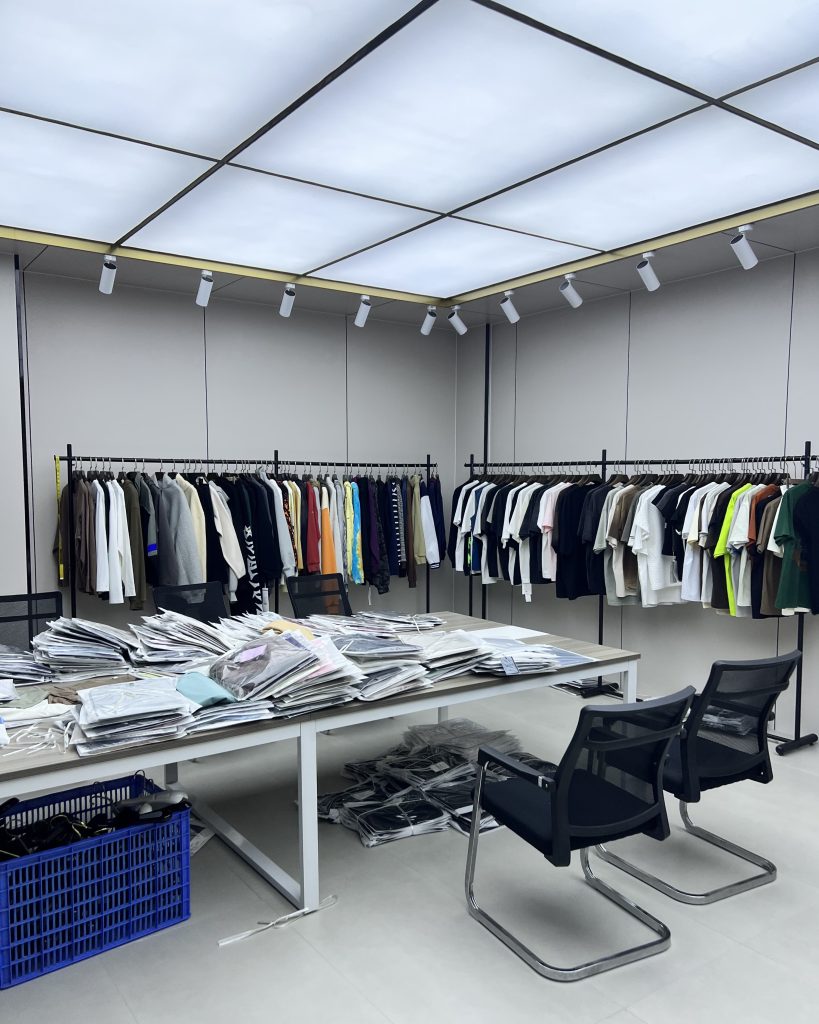
📦 Packaging and Distribution
Once garments pass inspection, they are packaged and prepared for shipment.
Common packaging solutions include:
📦 folded garment packaging
🏷 branded labels and tags
📦 protective shipping cartons
Professional packaging protects garments during transportation and improves product presentation.
🏷 Benefits of Bulk Clothing Manufacturing
Bulk apparel production provides several advantages for clothing businesses.
💰 Lower Production Costs
Producing garments in large quantities reduces manufacturing costs per unit.
This allows clothing brands to maintain competitive retail pricing.
📈 Consistent Product Quality
Bulk production systems follow standardized processes, ensuring that each garment meets the same quality standards.
🚀 Faster Product Launch
Efficient manufacturing allows fashion brands to introduce new collections more quickly.
This is important in an industry where trends change rapidly.
🌍 Expanding Clothing Brands in the Global Market
The clothing industry offers many opportunities for brands willing to develop high-quality apparel products.
Global logistics networks and online retail platforms allow clothing companies to reach customers worldwide.
Major opportunities include:
🌍 international fashion markets
🛍 global online clothing stores
📦 wholesale apparel distribution
👕 niche fashion communities
Brands that combine strong design with reliable manufacturing can build successful global clothing businesses.
🌱 Sustainable Practices in Clothing Production
Modern apparel manufacturing increasingly focuses on sustainability.
Responsible production practices help reduce environmental impact while maintaining product quality.
Examples include:
♻ efficient fabric cutting methods
🌱 environmentally conscious materials
📦 recyclable packaging
🧵 durable garment construction
These practices support long-term sustainability in the clothing industry.
📩 How to Choose a Reliable Clothing Manufacturing Partner
Selecting the right manufacturing partner is a critical step for fashion brands.
Key factors to consider include:
🧵 garment production expertise
📦 manufacturing capacity
🔍 strict quality control systems
🏷 customization capabilities
📈 scalability for growing demand
A reliable manufacturer ensures consistent product quality and stable production supply.
👕 Building a Successful Apparel Business
Launching a clothing brand requires more than just creative designs.
Successful apparel companies focus on strong product quality, reliable manufacturing systems, and effective brand development.
Important success factors include:
👕 unique clothing designs
🧵 professional garment production
🏷 strong brand presentation
🌍 expansion into global markets
By combining these elements, fashion entrepreneurs can build sustainable clothing businesses in competitive international markets.
❓ FAQ – Bulk Clothing Manufacturing
1. What is bulk clothing manufacturing?
Bulk clothing manufacturing refers to producing garments in large quantities using structured production processes to maintain consistent quality.
2. What types of clothing are suitable for bulk production?
Many types of garments can be produced in bulk, including casual wear, sportswear, fashion apparel, and seasonal clothing.
3. Why do fashion brands choose bulk manufacturing?
Bulk production reduces costs, improves efficiency, and ensures consistent product quality.
4. How long does clothing production usually take?
Production time depends on garment complexity, fabric preparation, and order quantity.
5. How is clothing quality maintained during large-scale production?
Quality is maintained through standardized manufacturing processes, skilled sewing operations, and strict inspection procedures.
6. Can new fashion brands start with bulk clothing manufacturing?
Yes. Many clothing manufacturers support production for startups and emerging fashion brands, allowing them to launch their first apparel collections efficiently.


No reply content