

📦 Quick Overview for Importers & Retailers
Looking for a reliable shoe manufacturer for bulk orders or private label footwear? Our factory specializes in OEM/ODM shoe production, supplying wholesalers, retailers, Amazon sellers, and fashion brands worldwide.With advanced manufacturing technology, strict quality inspection, and flexible customization, we produce sports shoes, casual sneakers, leather shoes, kids shoes, and fashion footwear designed for global markets.
✔ Low MOQ for startup brands
✔ Custom logo & packaging available
✔ Export-ready quality standards
✔ Fast production & international shipping
👟 Complete Guide to Custom Shoes Manufacturing for Wholesale Buyers
Footwear is one of the largest and fastest-growing global industries, with demand increasing in fashion, sports, casual wear, and e-commerce retail. Businesses that want to stand out need high-quality shoes combined with strong branding and reliable supply chains.
Working with a professional shoe manufacturer allows companies to create unique products with competitive pricing, making it easier to build a successful footwear brand.
This guide explains shoe types, materials, manufacturing processes, customization options, and sourcing strategies for international buyers.
🌍 Why Global Buyers Source Shoes from Professional Manufacturers
Many retailers, distributors, and online sellers rely on experienced footwear factories to produce their collections.
Key advantages include:
👟 Competitive production costs – ideal for bulk orders
🏭 Modern manufacturing facilities – consistent product quality
🎨 Custom branding options – logos, colors, packaging
📦 Large production capacity – suitable for wholesale buyers
🌎 Export experience – smooth international shipping
This makes professional factories the preferred choice for brands launching new footwear lines.
👞 Major Types of Shoes for Wholesale and Private Label
Different markets demand different footwear styles. Manufacturers typically offer a wide range of options.
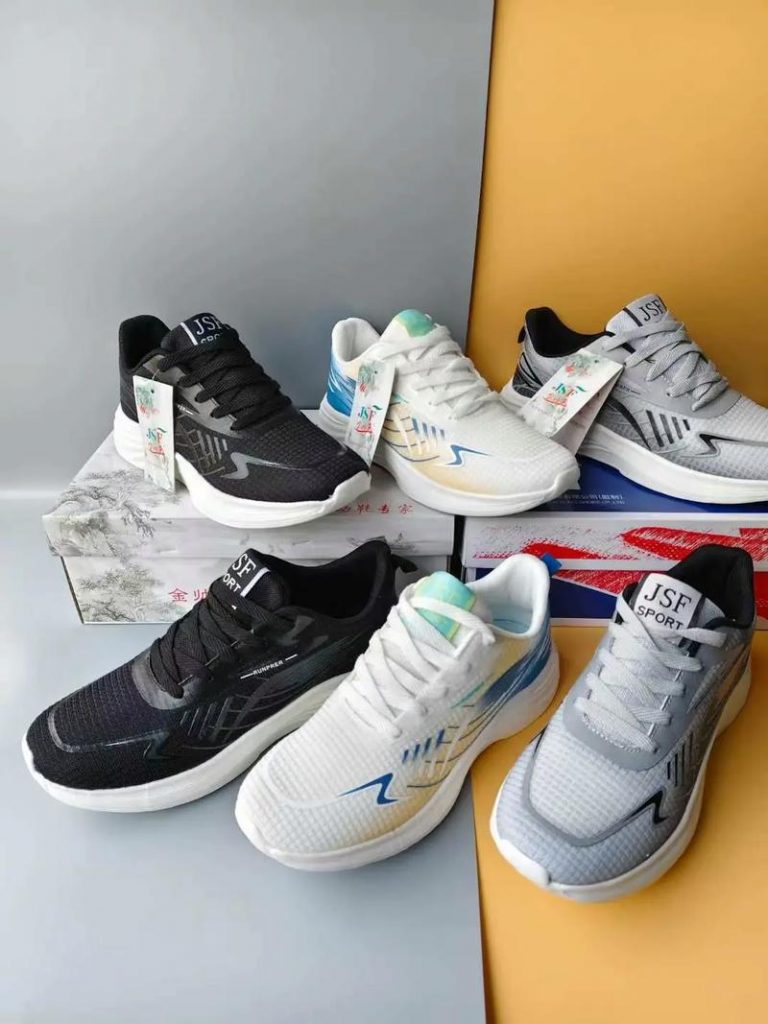
🏃 Sports & Running Shoes
Sports shoes are among the most popular footwear products globally.
Key features:
🏃 Breathable mesh uppers
🦶 Cushioned EVA or rubber soles
⚡ Lightweight construction
💪 Shock absorption technology
Applications:
• Running
• Gym training
• Walking
• Outdoor sports
These shoes are highly demanded by sports retailers and online fitness brands.
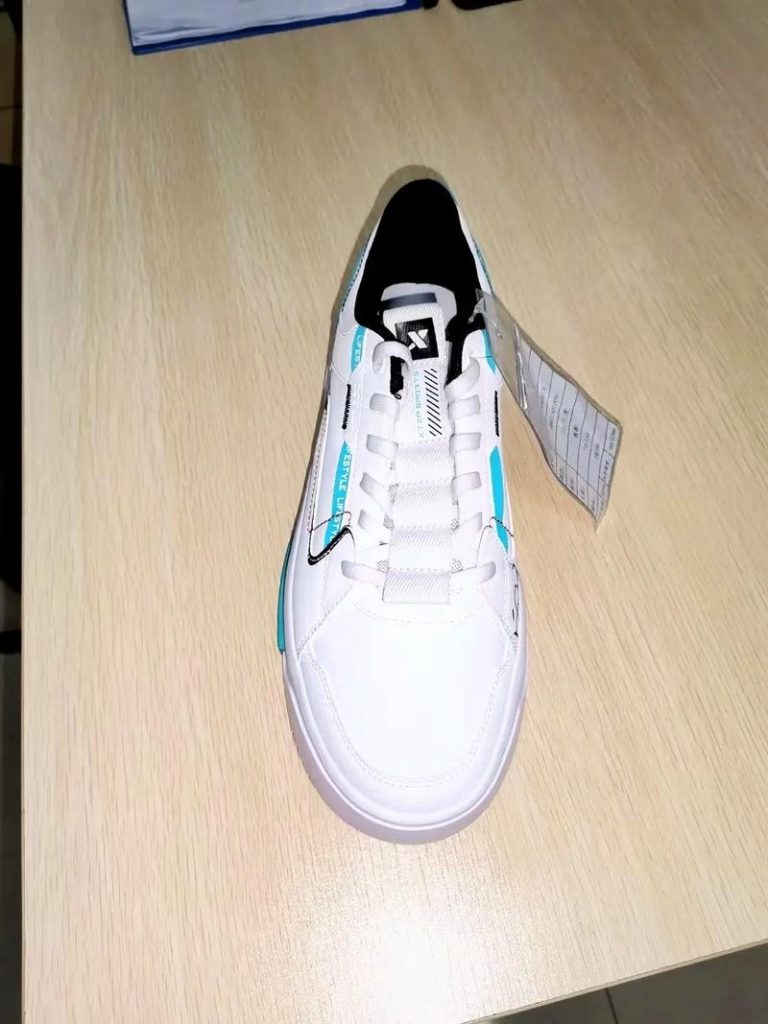
👟 Casual Sneakers
Casual sneakers are everyday fashion essentials.
Popular characteristics:
👟 Stylish designs
🎨 Multiple color combinations
🪶 Lightweight materials
🦶 Comfortable cushioning
Target markets include:
• Streetwear brands
• Fashion retailers
• E-commerce stores
• Young consumers
Sneakers are among the best-selling shoes in global fashion markets.
👞 Leather Formal Shoes
Formal shoes remain essential for business professionals and corporate environments.
Common styles:
👞 Oxford shoes
👞 Derby shoes
👞 Loafers
👞 Monk strap shoes
Advantages:
✔ Elegant appearance
✔ Durable materials
✔ Professional style
These shoes are popular among office workers, executives, and formal event attendees.
👡 Sandals & Summer Shoes
Warm-weather markets have high demand for breathable footwear.
Typical products include:
👡 Beach sandals
👡 Fashion sandals
👡 EVA slippers
👡 Outdoor hiking sandals
Key features:
☀ Lightweight
💧 Water-resistant
🦶 Comfortable foot support
These are top sellers in tropical and coastal regions.
👢 Winter Boots
Cold regions require durable insulated footwear.
Common boot types:
👢 Snow boots
👢 Leather boots
👢 Hiking boots
👢 Waterproof boots
Important features:
❄ Thermal lining
💧 Waterproof materials
🦶 Anti-slip soles
Winter footwear is essential for Europe, North America, and northern markets.
🧵 Materials Used in Modern Footwear Production
Quality materials directly affect comfort, durability, and product value.
Upper Materials
Common options include:
🧵 Genuine leather
🧵 Synthetic leather
🧵 Breathable mesh
🧵 Canvas fabric
🧵 Knit materials
Each material offers different benefits such as breathability, durability, and flexibility.
Sole Materials
The sole determines comfort and performance.
Popular choices:
🦶 Rubber – durable and anti-slip
🦶 EVA – lightweight cushioning
🦶 PU – flexible and shock absorbing
🦶 PVC – economical and durable
Many shoes combine multiple materials for better performance.
Cushioning & Support Components
Modern footwear uses advanced components for comfort:
🧩 Memory foam insoles
🧩 Gel cushioning
🧩 Arch support structures
🧩 Shock-absorbing midsoles
These technologies improve wearability and foot protection.
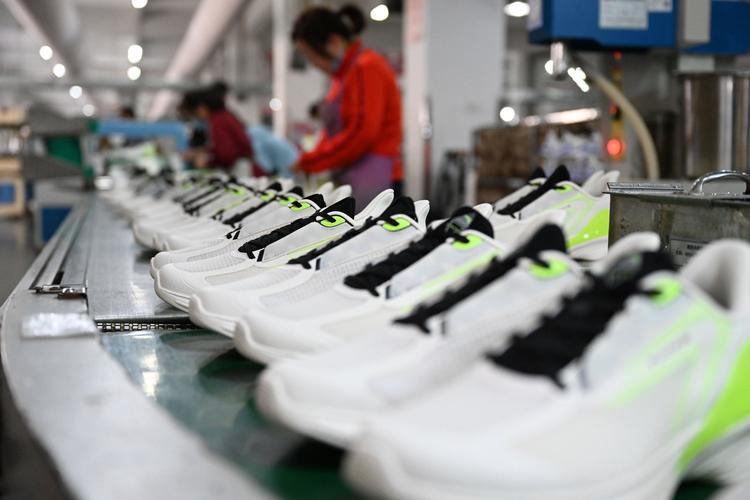
🏭 Shoe Manufacturing Process
Producing high-quality footwear involves multiple stages.
1️⃣ Design & Development
The process begins with:
🎨 Sketching product concepts
📐 Creating digital designs
👟 Developing prototypes
Brands often collaborate with manufacturers to refine fit, style, and functionality.
2️⃣ Material Preparation
Next steps include:
✂ Cutting fabric and leather
📦 Preparing soles and accessories
🧵 Sorting materials by size and color
Precision is crucial to ensure consistent product quality.
3️⃣ Stitching & Upper Assembly
Skilled workers assemble the shoe upper.
Key operations:
🧵 Stitching panels
👟 Attaching lining materials
🔗 Reinforcing stress points
This stage determines durability and appearance.
4️⃣ Lasting & Sole Attachment
The upper is attached to the shoe last and combined with the sole.
Methods include:
🔧 Glue bonding
🔧 Heat pressing
🔧 Stitching reinforcement
This ensures structural strength and proper shape.
5️⃣ Finishing & Quality Inspection
Final processes include:
✨ Cleaning and polishing
📏 Size verification
🔍 Quality inspection
📦 Packaging
Only shoes that pass strict inspection standards proceed to shipping.
🎨 Custom Shoe Manufacturing (OEM / ODM)
Many buyers require customized footwear to build their brands.
Manufacturers typically offer:
🎨 Custom colors
🏷 Private logo printing
📦 Custom shoe boxes
🧵 Unique materials
👟 Exclusive designs
Customization allows brands to differentiate products and increase market value.
📦 Packaging Options for Export
Professional exporters provide various packaging options.
Examples include:
📦 Individual shoe boxes
📦 Eco-friendly packaging
📦 Branded cartons
📦 Retail-ready packaging
Proper packaging ensures safe transportation and better brand presentation.
🌎 Global Markets for Wholesale Footwear
Demand for shoes continues to grow worldwide.
Key markets include:
🇺🇸 North America
🇪🇺 Europe
🇦🇺 Australia
🇲🇽 Latin America
🇦🇪 Middle East
🌏 Southeast Asia
Different regions prefer different styles, making market research essential.
💼 How Importers Choose a Reliable Shoe Supplier
Choosing the right supplier is critical for long-term success.
Important factors include:
✔ Factory experience
✔ Production capacity
✔ Quality certifications
✔ Competitive pricing
✔ Customization capabilities
✔ Export logistics experience
Reliable suppliers also provide samples before mass production.
🚀 Advantages of Working with a Professional Shoe Factory
Partnering with experienced manufacturers offers several benefits:
🏭 Stable production capacity
📈 Competitive wholesale pricing
🎨 Custom branding solutions
🌎 Global export support
📦 Flexible order quantities
These advantages help businesses scale their footwear brands efficiently.
❓ FAQ – Wholesale Shoe Manufacturing
1. What is the typical MOQ for custom shoes?
Most factories require 300–1000 pairs per design, depending on materials and customization.
2. Can I create my own shoe brand?
Yes. Many manufacturers provide private label services, including custom logos, packaging, and exclusive designs.
3. How long does shoe production take?
Typical production timelines:
⏱ Sample development: 7–15 days
⏱ Mass production: 30–45 days
Lead times may vary based on order quantity and complexity.
4. Do manufacturers provide samples?
Yes. Buyers usually receive sample shoes before placing large orders to verify quality and fit.
5. What certifications are required for exporting shoes?
Common standards include:
📄 ISO quality certification
📄 CE compliance (for certain markets)
📄 Material safety testing
6. Can factories ship internationally?
Yes. Most manufacturers work with global logistics partners and can ship via:
✈ Air freight
🚢 Sea freight
🚚 International courier
📩 Start Your Custom Shoe Project Today
Whether you are a retailer, wholesaler, e-commerce seller, or startup fashion brand, working with an experienced shoe manufacturer allows you to launch high-quality footwear products at competitive prices.
From sports sneakers and casual shoes to formal leather footwear, professional factories provide custom designs, reliable production, and global shipping to support your business growth.
👉 Contact us today to request product catalogs, pricing, and samples for your next footwear order.


No reply content