
Garlic is one of the most widely traded agricultural commodities in the world. Used in culinary traditions across Asia, Europe, the Middle East, and the Americas, garlic plays a central role in food processing, seasoning production, pharmaceutical ingredients, and retail fresh produce markets. However, not all garlic is equal. The quality, storage condition, moisture content, processing method, and export handling determine shelf life, flavor intensity, and market value.
As an experienced garlic supplier and exporter with large-scale farming partnerships and professional processing facilities, we understand that international buyers demand consistency, traceability, food safety compliance, and stable supply capacity. Whether you are an importer, supermarket distributor, food processor, or private-label brand owner, selecting a professional garlic supplier directly impacts your supply chain reliability.
This comprehensive guide explains how a professional garlic supplier manages farming, harvesting, grading, processing, packaging, cold storage, and international export. The content reflects practical agricultural experience and global trade knowledge, aligned with E-E-A-T principles: Experience, Expertise, Authoritativeness, and Trustworthiness.
1. Overview of Garlic as a Global Agricultural Commodity
Garlic (Allium sativum) is cultivated worldwide, but China remains the largest producer and exporter globally. Key garlic-producing regions offer:
- Fertile soil conditions
- Distinct seasonal cycles
- Skilled harvesting labor
- Advanced cold storage infrastructure
The global garlic market serves:
- Fresh produce wholesalers
- Supermarkets
- Food processing factories
- Spice manufacturers
- Pharmaceutical ingredient suppliers
Garlic is sold in various forms:
- Fresh whole garlic
- Peeled garlic
- Garlic cloves
- Minced garlic
- Dehydrated garlic flakes
- Garlic powder
Each category requires specific processing and quality standards.
2. Garlic Varieties and Specifications
Professional suppliers typically offer multiple garlic specifications to meet different market needs.
2.1 Normal White Garlic
Characteristics:
- Strong aroma
- High allicin content
- Firm cloves
- Long storage life
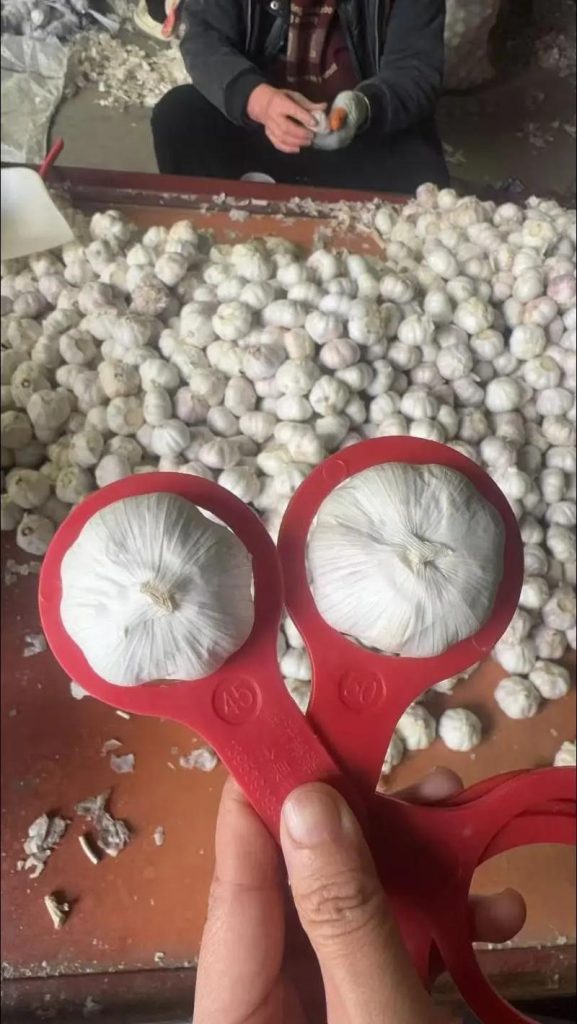
Common sizes:
- 4.5cm
- 5.0cm
- 5.5cm
- 6.0cm+
Size grading directly affects price and export demand.
2.2 Pure White Garlic
Features:
- Brighter skin
- Attractive appearance
- Preferred for premium retail markets
Often exported to:
- Europe
- Middle East
- High-end supermarkets
2.3 Peeled Garlic
Processing steps include:
- Mechanical peeling
- Manual sorting
- Sanitized washing
- Cold storage packaging
Used by:
- Catering suppliers
- Food processing factories
- Ready-meal producers
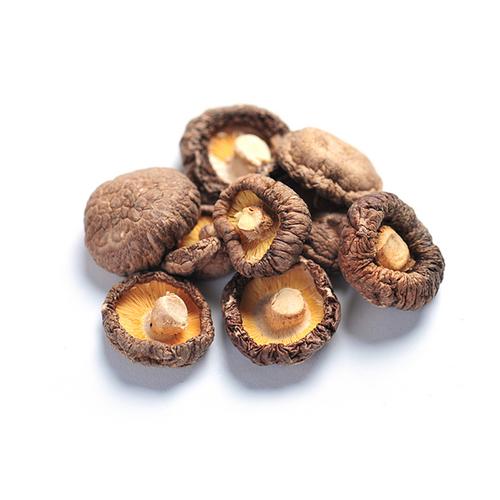
2.4 Dehydrated Garlic Products
Forms include:
- Garlic flakes
- Garlic granules
- Garlic powder
These products require:
- Controlled dehydration
- Moisture testing
- Metal detection
- Food-grade packaging
3. Farming & Harvesting Standards
Quality garlic begins at the farm level.
3.1 Soil & Climate Conditions
Optimal garlic production requires:
- Well-drained soil
- Moderate rainfall
- Cool planting season
- Controlled irrigation
Proper field management reduces disease risk and improves bulb size.
3.2 Harvest Timing
Garlic is harvested when:
- Leaves begin to dry
- Bulb size reaches optimal maturity
- Outer skin layers are firm
Early harvesting reduces flavor intensity, while late harvesting shortens storage life.
3.3 Curing Process
After harvesting, garlic undergoes natural curing:
- Air drying for 10–15 days
- Controlled ventilation
- Moisture reduction
Proper curing enhances storage stability.
4. Processing & Sorting Procedures
A professional garlic processing facility includes:
- Cleaning lines
- Size grading machines
- Root cutting systems
- Polishing machines
- Manual quality sorting
Each batch is inspected for:
- Mold
- Sprouting
- Mechanical damage
- Foreign materials
Food safety is maintained through:
- Clean workshop conditions
- Worker hygiene protocols
- Sanitized equipment
5. Cold Storage & Shelf Life Management
Garlic storage temperature typically ranges between:
- 0°C to 4°C for long-term storage
Humidity is carefully controlled to prevent:
- Sprouting
- Mold growth
- Dehydration
Proper storage extends shelf life to several months depending on variety and conditions.
6. Quality Control & Food Safety Compliance
Professional garlic exporters implement strict quality control systems:
Incoming Inspection
Field inspection and pesticide residue testing.
Processing Inspection
Sorting accuracy and moisture monitoring.
Final Inspection
Size verification, packaging inspection, and weight control.
Laboratory Testing
- Pesticide residue testing
- Microbial testing
- Heavy metal testing
We support compliance with:
- HACCP
- ISO food safety systems
- Phytosanitary certificates
- GlobalG.A.P (upon request)
7. Packaging Options for Export
We offer multiple packaging formats:
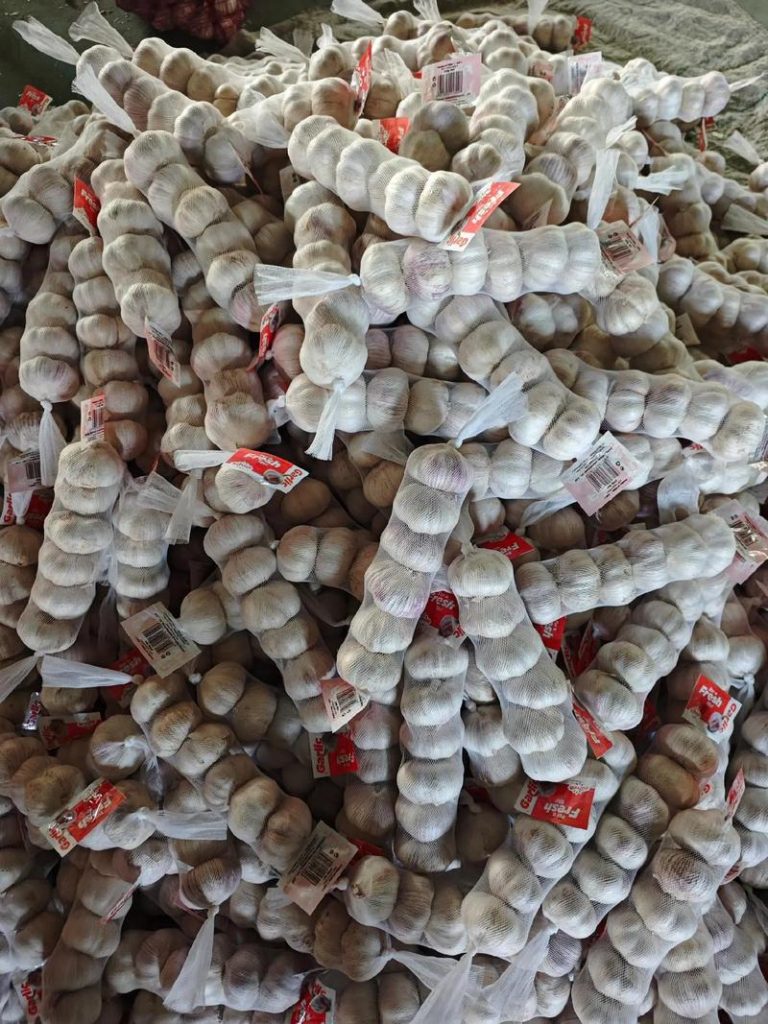
Fresh Garlic Packaging:
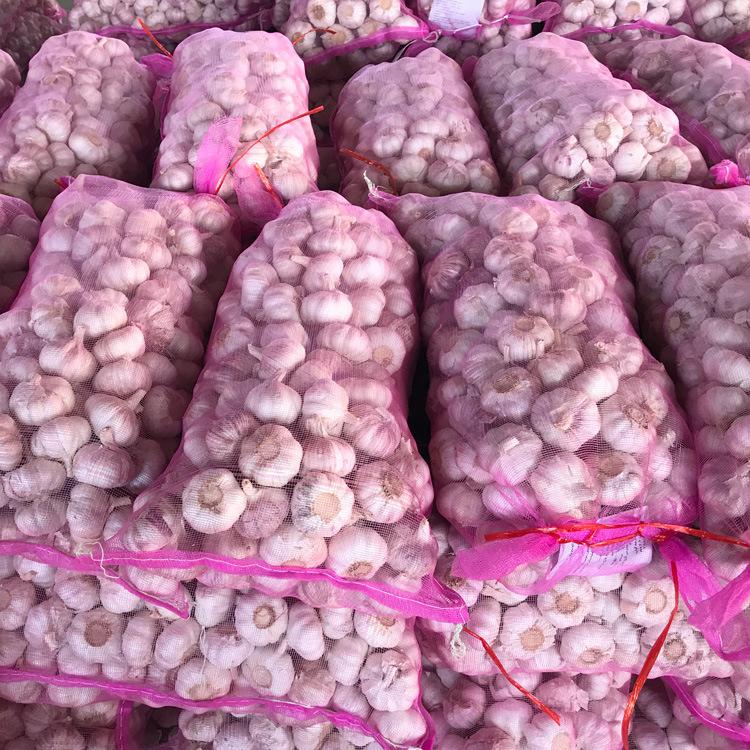
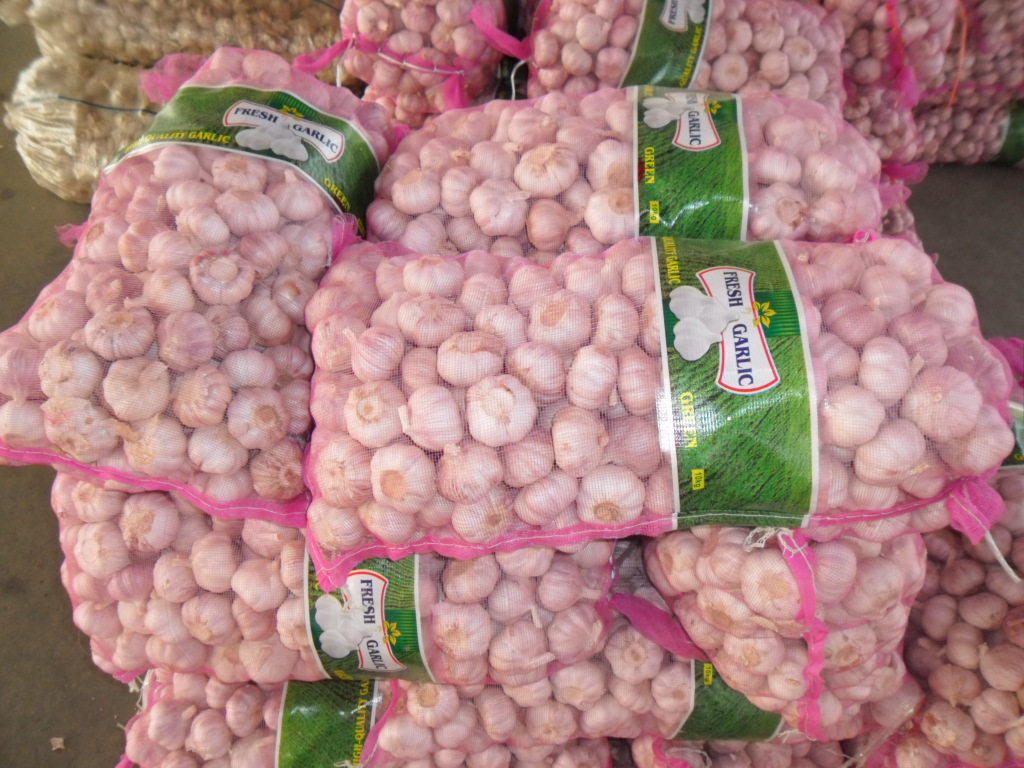
- 5kg mesh bags
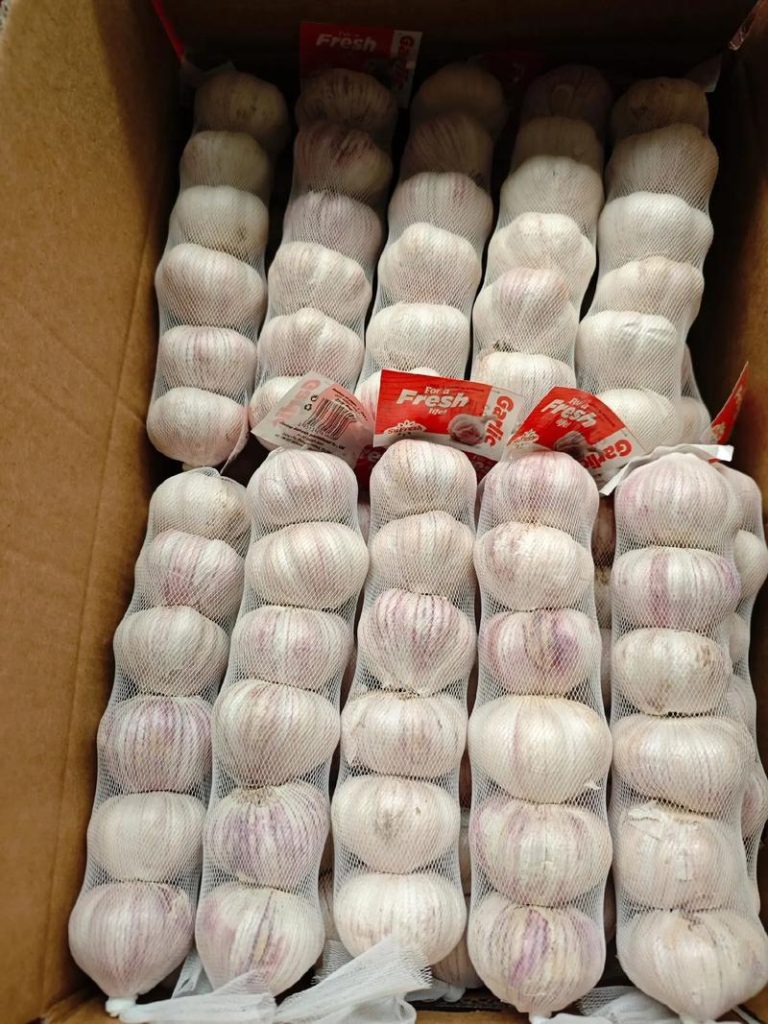
- 10kg cartons
- 20kg cartons
- Small retail mesh bags (200g–1kg)
- Private-label printed cartons
Peeled Garlic Packaging:
- Vacuum-packed bags
- Food-grade plastic containers
- Customized retail packaging
Packaging materials are export-grade and suitable for long-distance shipping.
8. Export Logistics & International Shipping
We export garlic globally with experience in:
- North America
- Europe
- Southeast Asia
- Middle East
- Africa
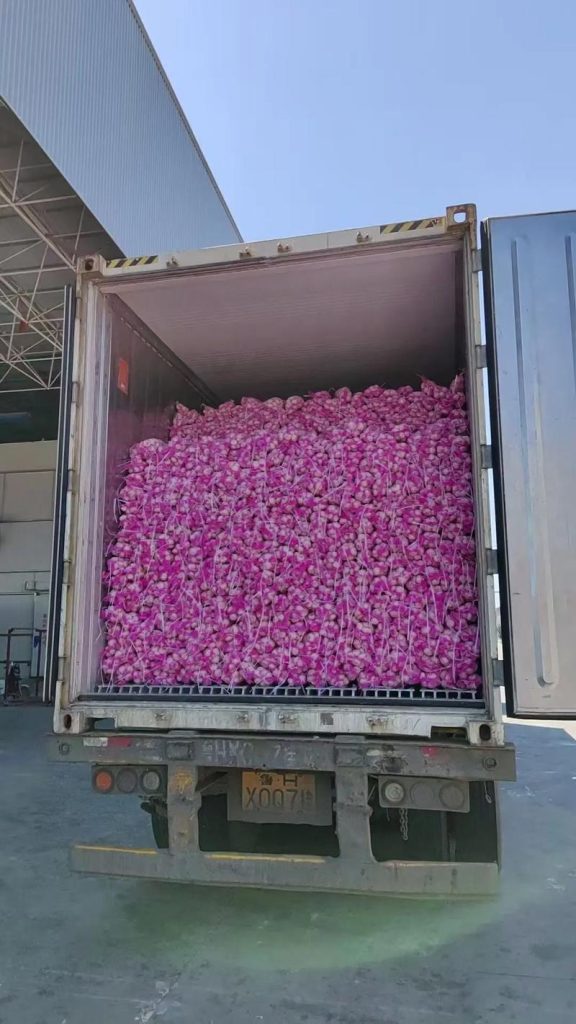
Shipping methods include:
- Refrigerated containers (reefer)
- Dry containers (short transit time)
We provide:
- Phytosanitary certificates
- Certificate of origin
- Commercial invoice & packing list
- Bill of lading
Efficient logistics management reduces spoilage risk.
9. Why Choose a Professional Garlic Supplier?
Garlic is sensitive to:
- Moisture
- Temperature
- Handling damage
- Storage conditions
Unqualified suppliers may cause:
- Mold contamination
- Inconsistent size grading
- Poor shelf life
- Delayed shipments
A professional supplier ensures:
- Stable farm partnerships
- Transparent quality control
- Consistent grading standards
- Timely export documentation
- Long-term cooperation reliability
10. OEM & Private Label Garlic Supply
We support private-label buyers with:
- Custom printed cartons
- Retail-ready packaging
- Barcode labeling
- Brand logo printing
- Size-specific sorting
For long-term distributors, we assist with stable seasonal supply planning.
FAQ — Frequently Asked Questions
1. Can you customize packaging according to our brand requirements?
Yes.
We support:
- Private label printing
- Custom carton design
- Retail mesh bag packaging
- Specific weight packing
- Barcode and logo labeling
Artwork files in AI or PDF format are preferred.
2. What is your MOQ (Minimum Order Quantity)?
MOQ depends on product type:
- Fresh garlic: typically one 20ft container
- Small trial orders: negotiable depending on season
- Peeled or processed garlic: based on packaging specification
MOQ may vary during peak harvest season.
3. What is the delivery time?
Delivery time depends on:
- Order quantity
- Harvest season
- Packaging customization
- Shipping schedule
Generally:
- Fresh garlic during harvest season: 7–15 days after deposit
- Off-season supply: based on cold storage inventory
4. Do you have ready stock available?
Yes.
During peak season, we maintain cold storage inventory of:
- 5.0cm–6.0cm fresh garlic
- Pure white garlic
- Peeled garlic (short-term storage)
Stock availability varies depending on export volume and season.
Please contact us for real-time inventory updates.
5. Do you provide quality inspection reports?
Yes.
We can provide:
- Phytosanitary certificates
- Pesticide residue testing
- Food safety compliance documentation
- Third-party inspection (upon request)
Conclusion: Reliable Garlic Supply Backed by Agricultural Expertise
Garlic supply is more than harvesting and shipping. It requires:
- Controlled farming practices
- Professional curing methods
- Strict grading systems
- Food safety compliance
- Cold chain logistics
- Export documentation expertise
A professional garlic supplier ensures stable quality, consistent sizing, and reliable delivery schedules that protect your distribution business and brand reputation.
If you are looking for a bulk fresh garlic supplier and exporter for wholesale distribution, food processing, or private-label retail, we are ready to provide competitive quotations, packaging solutions, and seasonal supply planning.
We welcome long-term cooperation and are committed to delivering stable quality and transparent service to global partners.


No reply content