Bulk Fresh Garlic Supply for International Food Importers: Complete Guide to Wholesale Garlic Export

🧄 Reliable Fresh Garlic Supply for Global Food Markets
Garlic is one of the most widely used agricultural products in global cuisine. From restaurants and food processors to wholesalers and supermarket distributors, demand for high-quality garlic continues to grow worldwide. Bulk garlic supply allows importers and food businesses to access consistent quality products suitable for cooking, food processing, and retail distribution.🧄 Fresh garlic production and global supply
🚜 Large-scale garlic farming and harvesting
📦 Bulk garlic packaging for international buyers
🌍 Stable export supply for food wholesalers
🏪 Garlic distribution for supermarkets and food processing companiesThrough careful cultivation, professional grading, and reliable export packaging, bulk garlic suppliers help international buyers secure stable agricultural products while creating long-term commercial partnerships and wholesale inquiries.
🧄 Understanding the Global Garlic Supply Market
Garlic is an essential ingredient used in many cuisines around the world. It is valued not only for its strong flavor but also for its versatility in cooking and food production.
Bulk garlic supply involves large-scale harvesting, sorting, packaging, and distribution to international markets.
Important characteristics of commercial garlic supply include:
🌱 consistent crop quality
📦 reliable packaging standards
🚢 efficient export logistics
🌍 stable supply for international buyers
🏪 suitability for food retail and processing
These factors help ensure garlic products reach buyers in optimal condition.
🌱 Why Garlic Is One of the Most Important Agricultural Export Products
Garlic plays an important role in both culinary traditions and food manufacturing.
Its strong flavor and versatile uses make it a staple ingredient in kitchens and food industries worldwide.
🍳 Essential Ingredient in Global Cuisine
Garlic is widely used to enhance the flavor of many dishes.
Common culinary uses include:
🍲 soups and stews
🍝 sauces and marinades
🥩 meat preparation
🥗 vegetable dishes
Because of its intense aroma and flavor, garlic is often used in both fresh and processed forms.
🏭 Important Raw Material for Food Processing
Many food manufacturing companies rely on garlic as a key ingredient.
Examples include:
🧄 garlic paste production
🥫 seasoning and sauce manufacturing
🍜 instant food flavoring
🌶 spice blends and marinades
Consistent garlic supply ensures food producers can maintain product quality and flavor.
📦 High Demand in Wholesale Food Distribution
Food distributors often purchase garlic in large quantities for supply to restaurants, supermarkets, and processing factories.
Advantages of bulk garlic supply include:
📦 cost efficiency
🚚 stable product availability
🏪 consistent retail supply
🌍 support for international food trade
This demand creates strong opportunities for garlic exporters.
🧺 Major Types of Garlic in the Wholesale Market
Garlic products are available in different forms depending on market demand and processing requirements.
🧄 Fresh Whole Garlic
Fresh whole garlic is the most common product traded internationally.
Characteristics include:
🧄 intact garlic bulbs
🌱 natural freshness
📦 suitable for wholesale markets
🍳 ideal for cooking applications
Whole garlic is widely used by restaurants, households, and food processors.
🧄 Peeled Garlic
Peeled garlic offers convenience for food processing and large-scale cooking.
Advantages include:
🧄 ready-to-use garlic cloves
⏱ reduced preparation time
🏭 suitable for food factories
🍳 ideal for commercial kitchens
This product is popular among large food service operations.
🧄 Garlic Paste
Garlic paste is commonly used in food manufacturing and prepared foods.
Features include:
🥄 smooth texture
🌶 concentrated garlic flavor
🍲 easy mixing into recipes
Garlic paste simplifies food preparation while preserving flavor intensity.
🌶 Dried Garlic Products
Dried garlic products offer longer shelf life and easy storage.
Examples include:
🌶 garlic powder
🧄 garlic granules
🥫 dehydrated garlic flakes
These products are widely used in seasoning and processed foods.
🚜 Garlic Cultivation and Harvesting Process
Producing high-quality garlic requires careful agricultural management.
From planting to harvesting, each stage influences the final product quality.
🌱 Garlic Planting
Garlic cultivation begins with selecting high-quality garlic cloves for planting.
Key factors include:
🌱 fertile soil conditions
💧 balanced irrigation
🌞 sufficient sunlight
🚜 proper planting spacing
Healthy crops depend on proper planting techniques and environmental conditions.
🌿 Crop Growth Management
During the growth stage, garlic plants require consistent care.
Important agricultural practices include:
🌿 weed management
💧 irrigation control
🌞 sunlight exposure
🌱 soil nutrient balance
Proper crop management helps ensure healthy bulb development.
🚜 Garlic Harvesting
Garlic harvesting usually occurs once the bulbs reach full maturity.
Indicators of harvest readiness include:
🌿 drying leaves
🧄 fully developed bulbs
📦 suitable bulb size
Harvesting at the right time ensures optimal flavor and storage quality.
🧺 Garlic Processing and Sorting
After harvesting, garlic undergoes several post-harvest handling steps before export.
These processes help maintain product freshness and quality.
🧄 Cleaning and Drying
Fresh garlic bulbs are cleaned and dried to remove soil and excess moisture.
Benefits include:
🧄 improved product appearance
🌬 moisture control
📦 longer storage life
Proper drying is essential for preventing spoilage during storage.
📏 Grading and Sorting
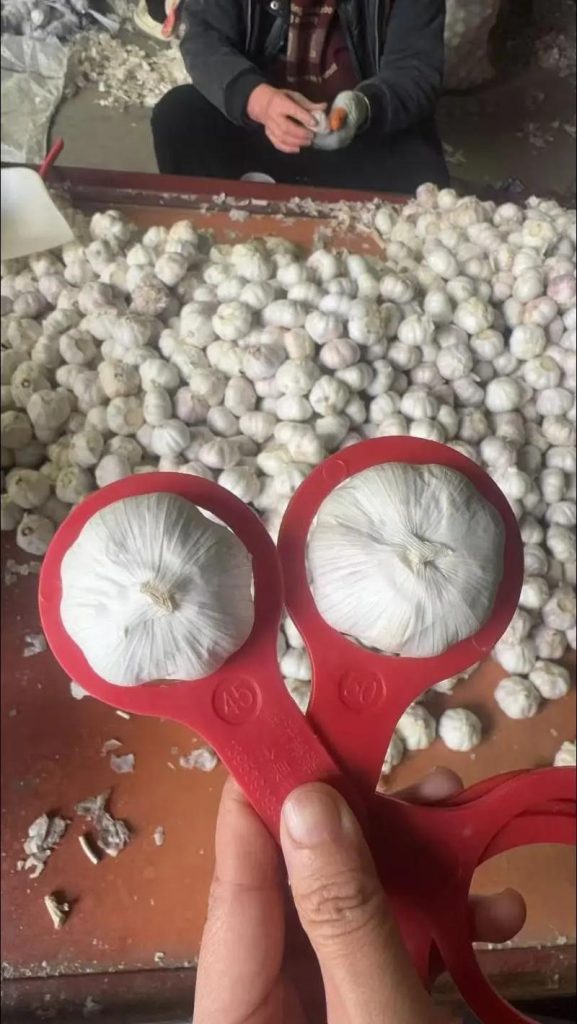
Garlic bulbs are sorted based on size and appearance.
Typical grading factors include:
📏 bulb diameter
🧄 shape consistency
✨ outer skin quality
Grading helps wholesalers supply uniform products to buyers.
📦 Export Packaging
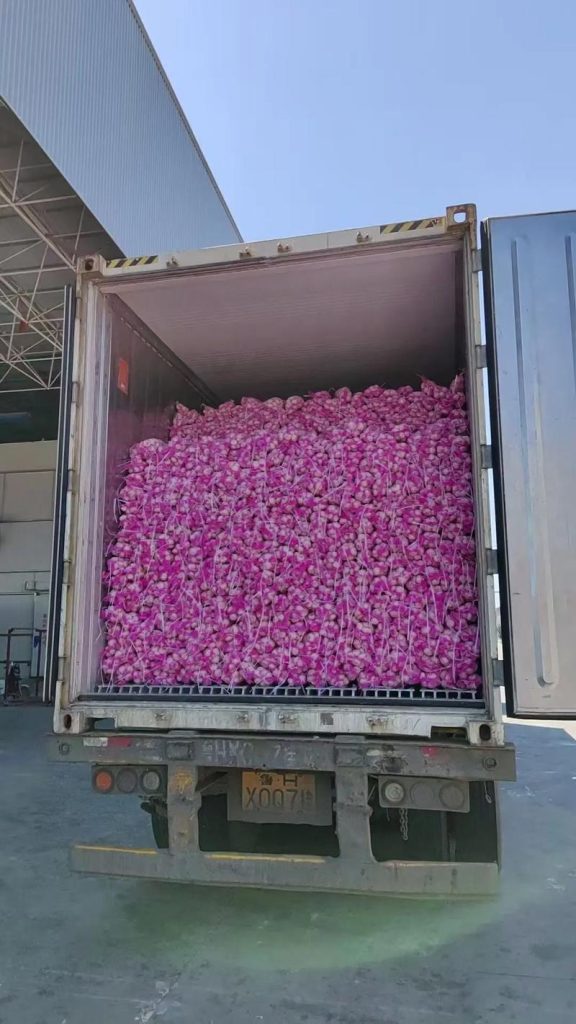
Garlic must be packaged properly for international transport.
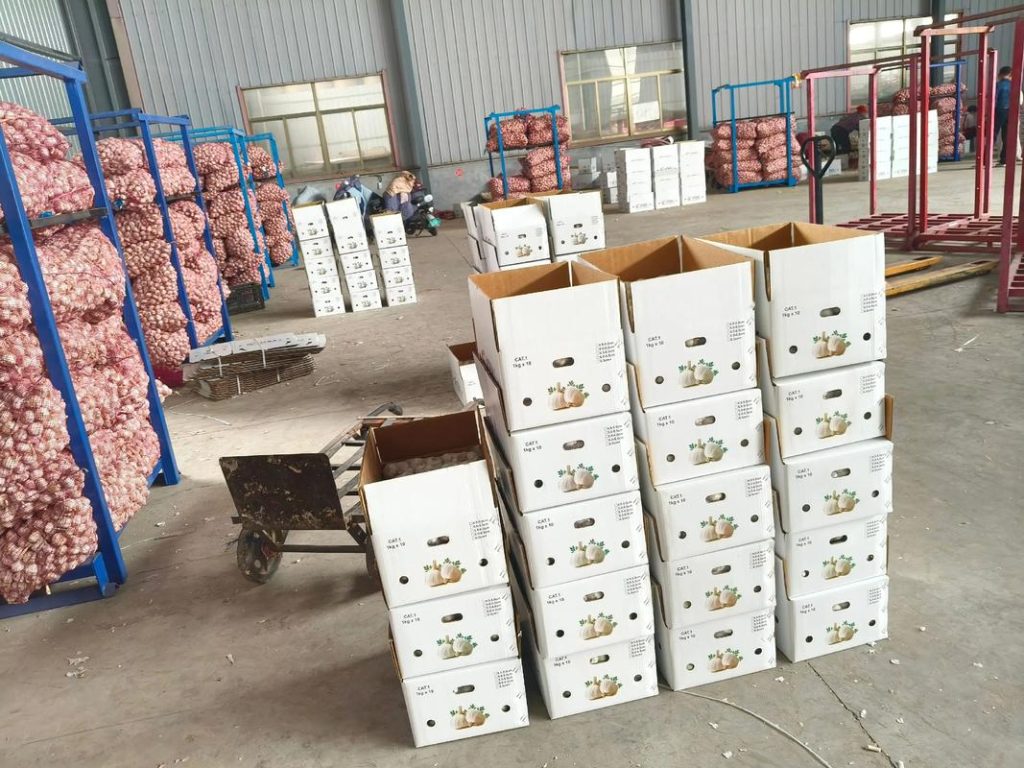
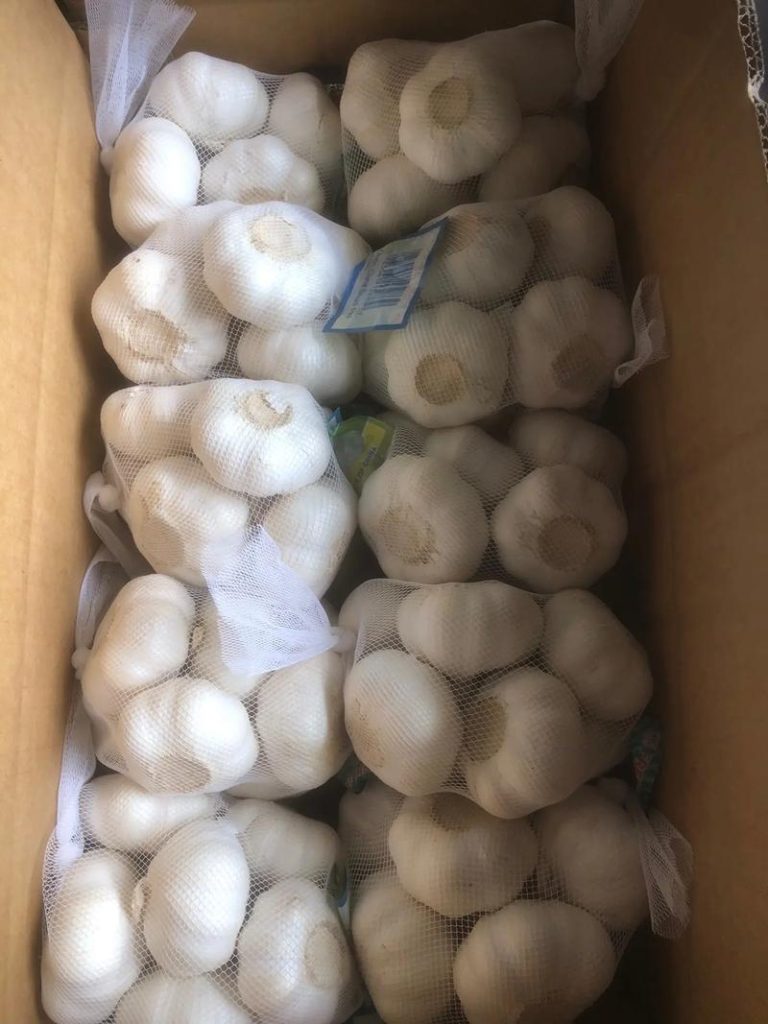
Common packaging options include:
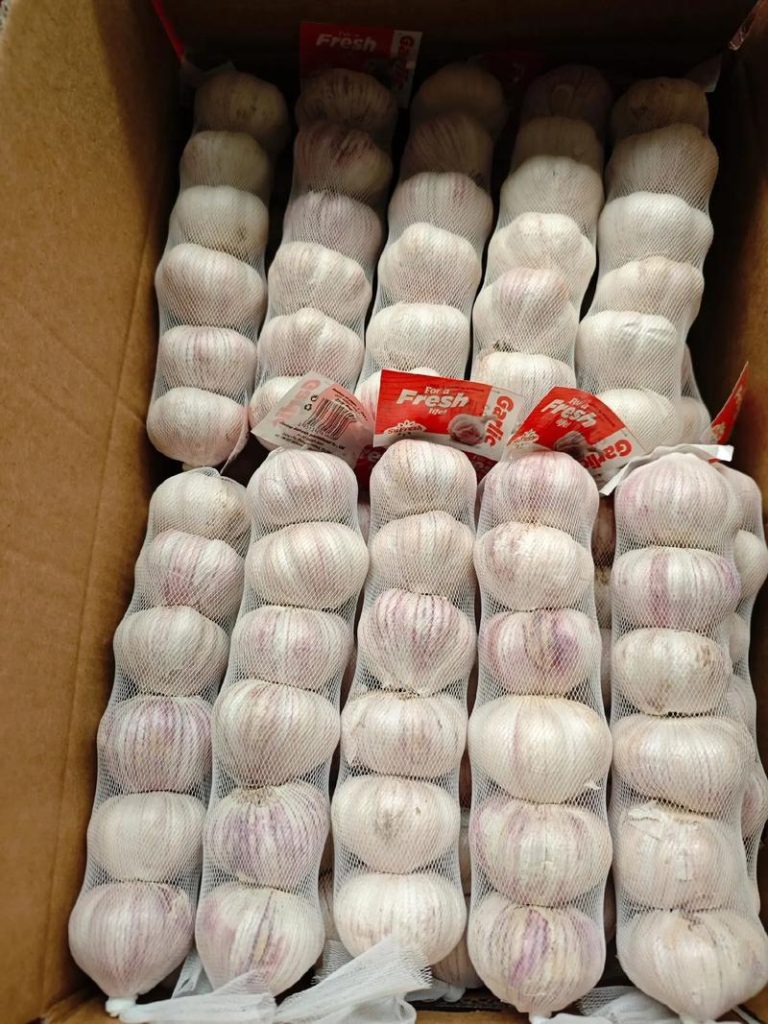
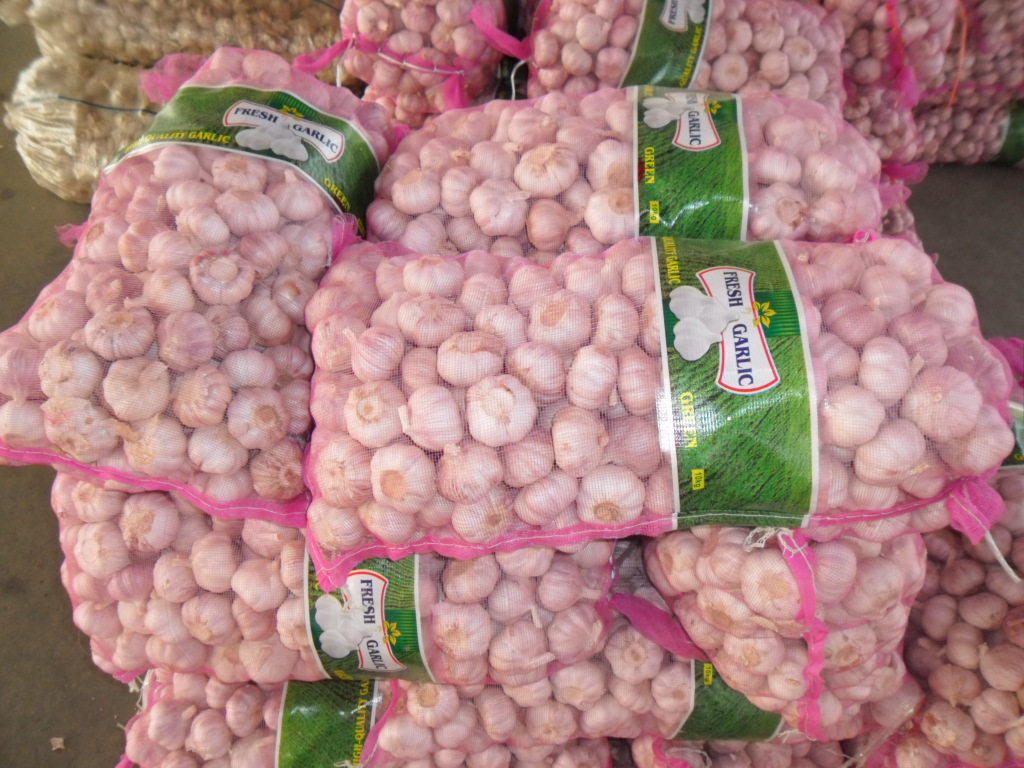
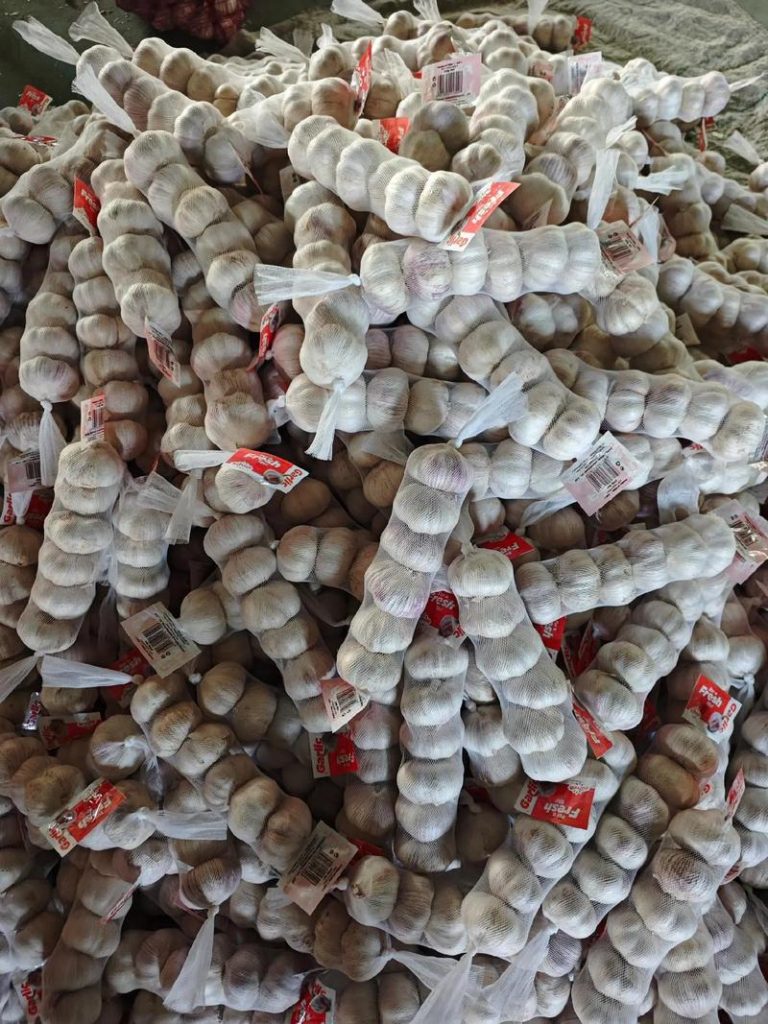
📦 mesh bags
🧺 cartons
🧄 bulk packaging containers
Good packaging protects garlic during shipping and storage.
🌍 Global Garlic Trade Opportunities
Garlic is one of the most widely traded vegetables in international food markets.
Growing demand for flavorful and natural ingredients continues to drive garlic imports.
🍽 Expanding Food Industry Demand
The global food industry relies heavily on garlic for flavor and seasoning.
Growth areas include:
🍲 restaurant chains
🏭 food manufacturing companies
🥫 packaged food brands
These sectors require consistent garlic supply.
🏪 Retail and Supermarket Markets
Supermarkets sell garlic in fresh and processed forms.
Popular retail products include:
🧄 whole garlic bulbs
🧺 packaged garlic cloves
🌶 garlic seasoning products
Retail demand creates strong distribution opportunities.
🌍 International Agricultural Trade
Garlic export markets connect agricultural producers with food businesses worldwide.
Advantages include:
🚢 international food distribution
📦 bulk agricultural trade
🌍 global market expansion
Reliable supply chains help importers secure stable garlic sources.
📩 Choosing a Reliable Garlic Supplier
Importers and distributors must evaluate several factors when selecting a garlic supplier.
Important considerations include:
🧄 product freshness
📦 packaging quality
🚢 export logistics capability
📏 consistent grading standards
🌍 reliable supply capacity
A dependable supplier ensures stable product availability and consistent quality.
📈 Business Opportunities in Garlic Wholesale Trade
The garlic industry provides strong opportunities for food distributors, wholesalers, and agricultural traders.
Growing global demand ensures steady business potential.
Key opportunities include:
🏪 supermarket distribution
🍽 restaurant supply chains
🏭 food processing industries
🌍 international wholesale trade
Businesses that focus on product quality and reliable supply can build long-term relationships with buyers.
❓ FAQ – Bulk Garlic Supply and Export
1. What is bulk garlic supply?
Bulk garlic supply refers to large-scale production, packaging, and distribution of garlic for wholesale buyers, food processors, and retailers.
2. Why is garlic widely used in the food industry?
Garlic adds strong flavor and aroma to many dishes, making it a common ingredient in cooking and food manufacturing.
3. What forms of garlic are available in wholesale markets?
Wholesale markets commonly offer whole garlic bulbs, peeled garlic cloves, garlic paste, and dried garlic products.
4. What factors determine garlic quality?
Important factors include bulb size, freshness, moisture levels, outer skin condition, and proper storage.
5. How is garlic packaged for international export?
Garlic is usually packed in mesh bags, cartons, or bulk containers designed to protect the product during shipping.
6. Why is garlic a strong agricultural export product?
Global demand for garlic continues to grow due to its importance in cooking, food processing, and seasoning industries.


No reply content