
👕 Professional Bulk T-Shirt Manufacturing for Global Clothing Brands
T-shirts are one of the most popular clothing products in the global apparel market. Many fashion brands, promotional product companies, retailers, and distributors cooperate with experienced garment factories in China to produce bulk T-shirts, custom printed shirts, and private label apparel collections.✔ Bulk T-shirt production for wholesale clothing buyers
✔ Custom printing and embroidery branding options
✔ Private label T-shirt manufacturing services
✔ Professional export packaging and global shipping supportIf you are searching for a bulk T-shirt manufacturer in China, working with a reliable garment factory can help you produce high-quality shirts and grow your clothing business.
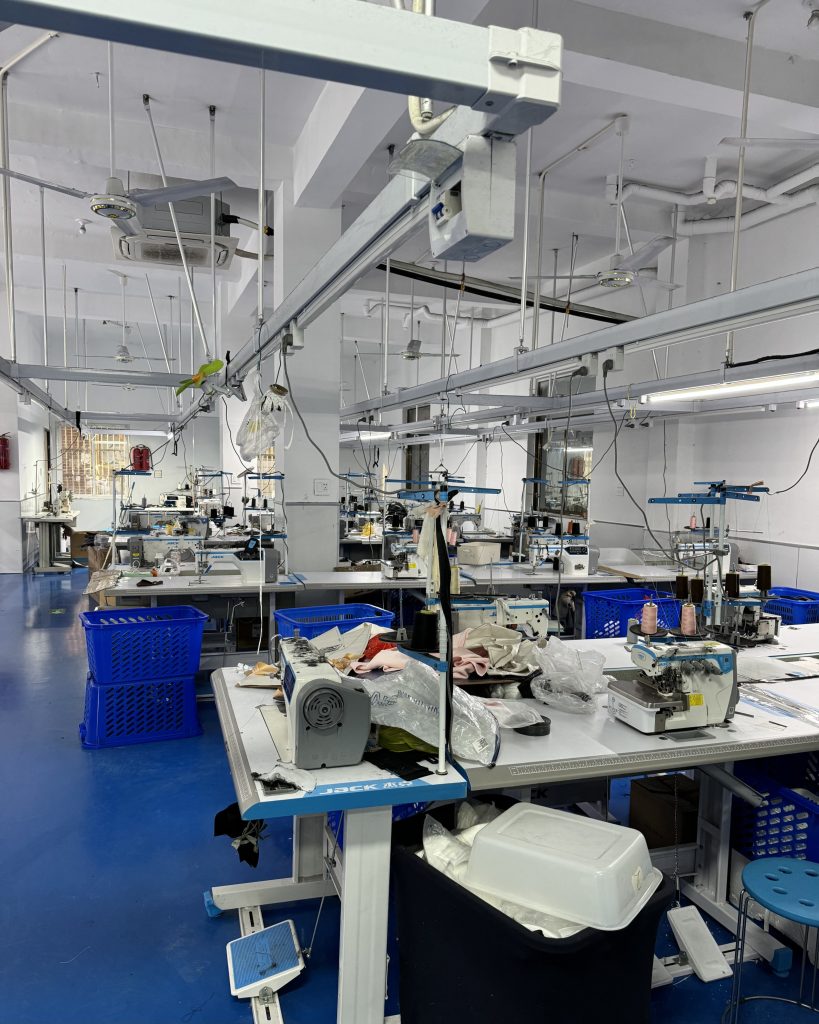
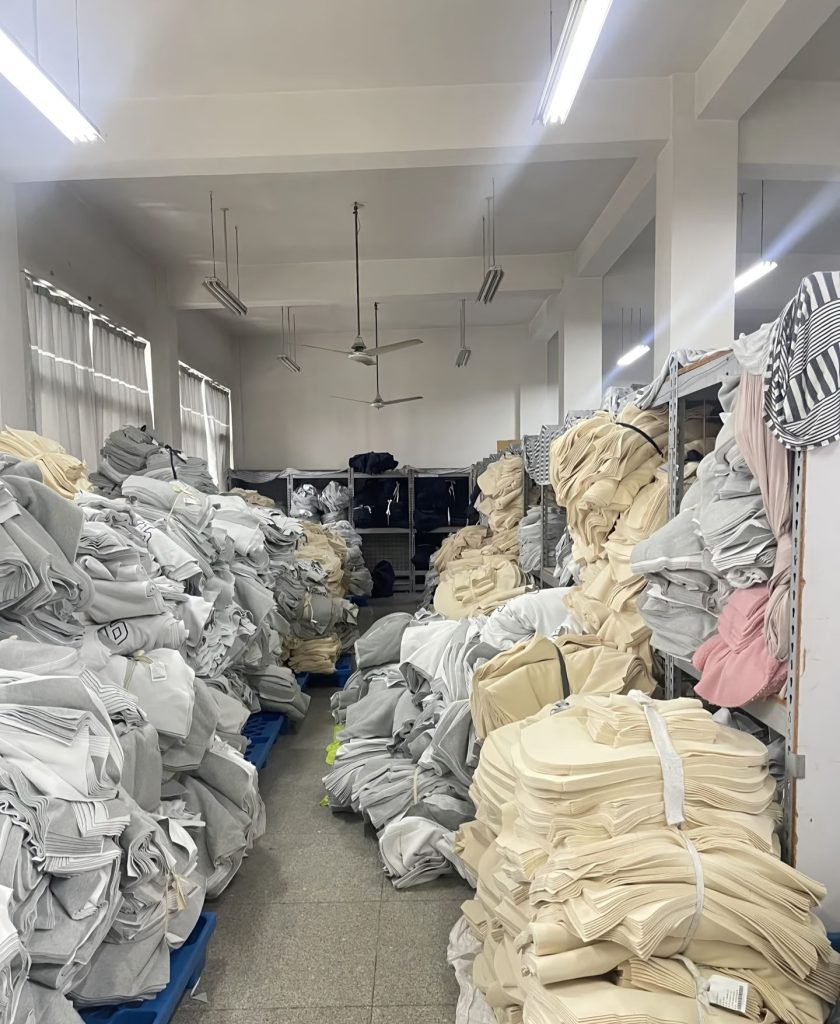
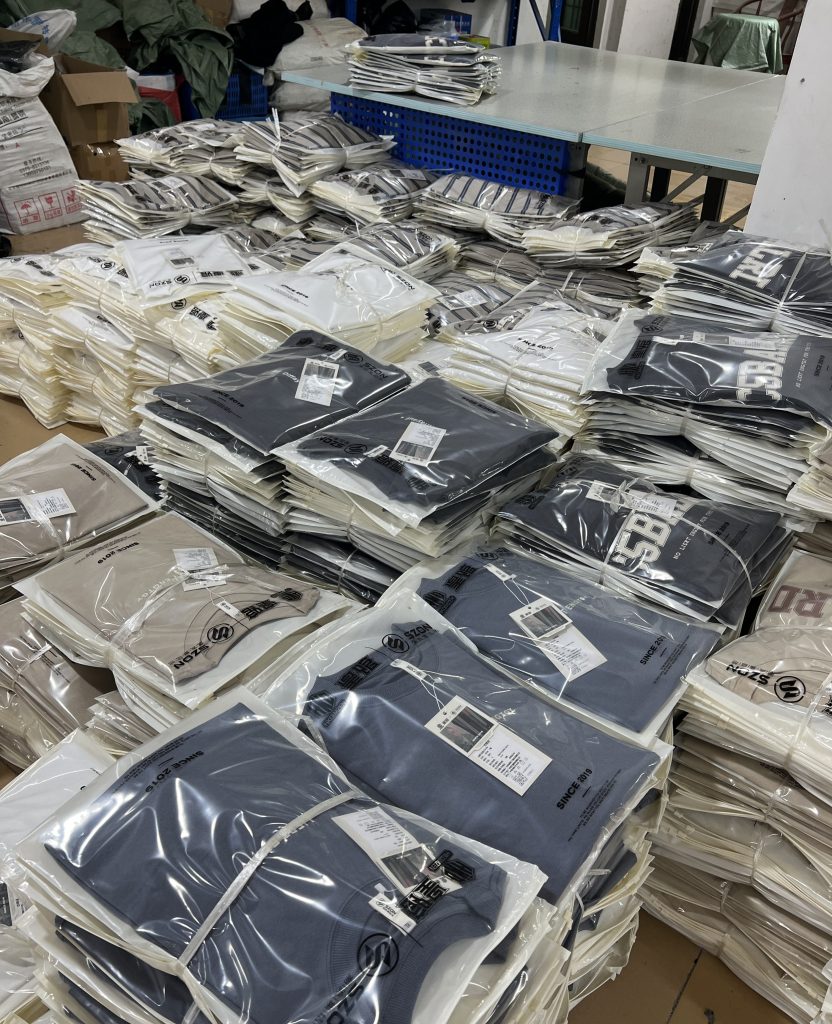
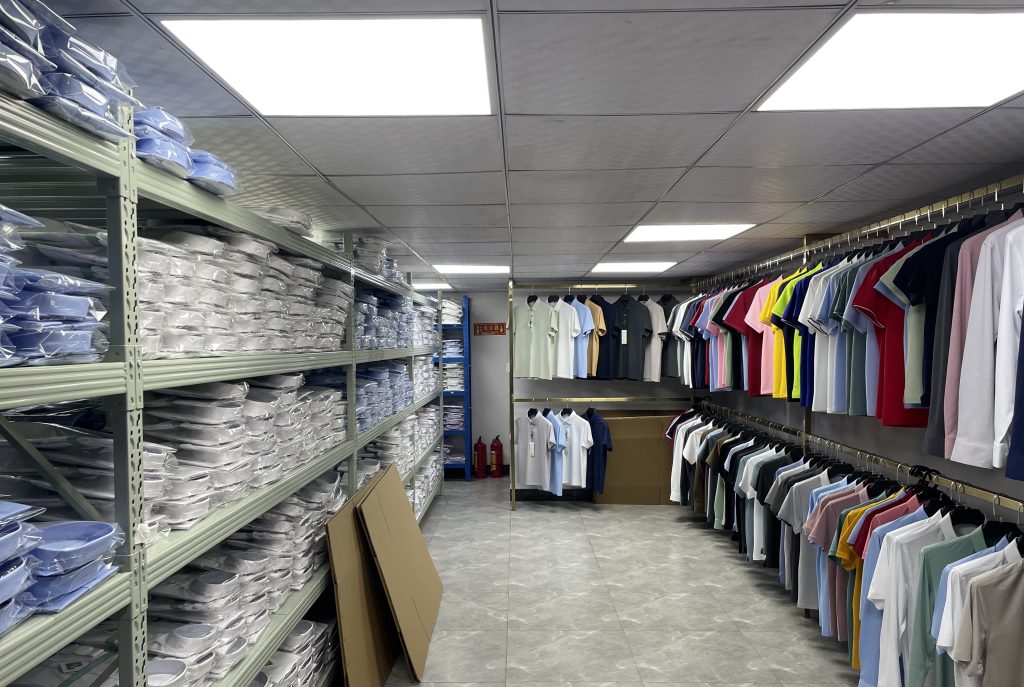
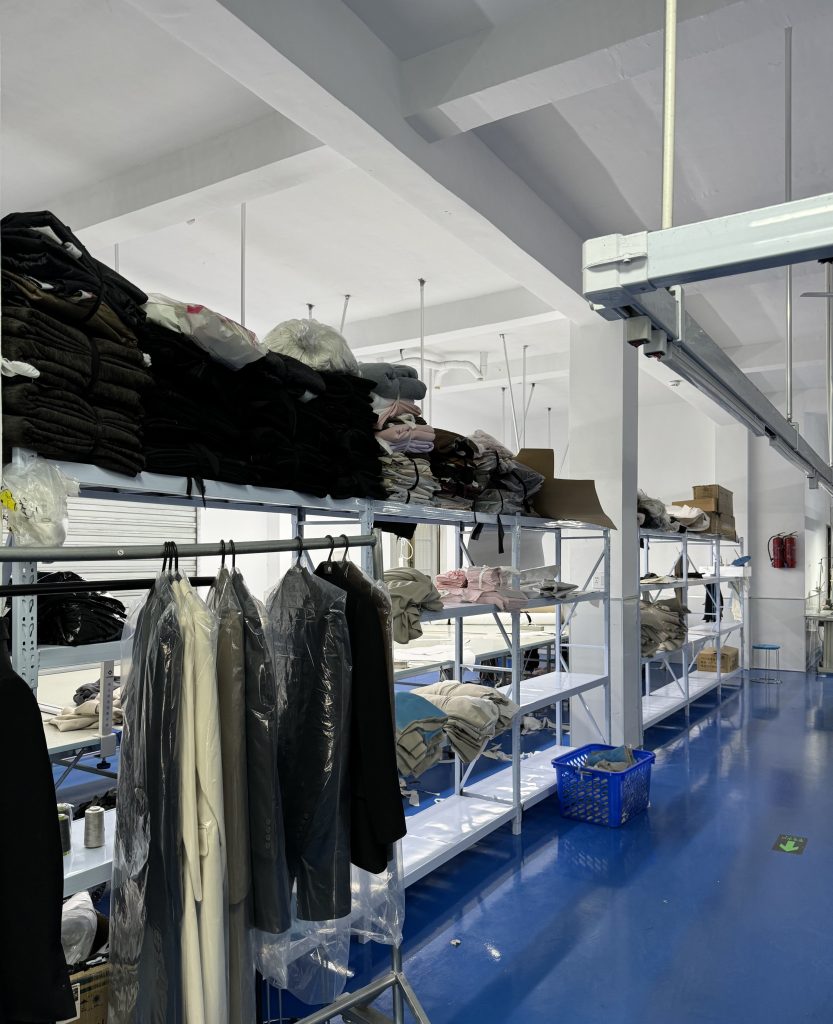
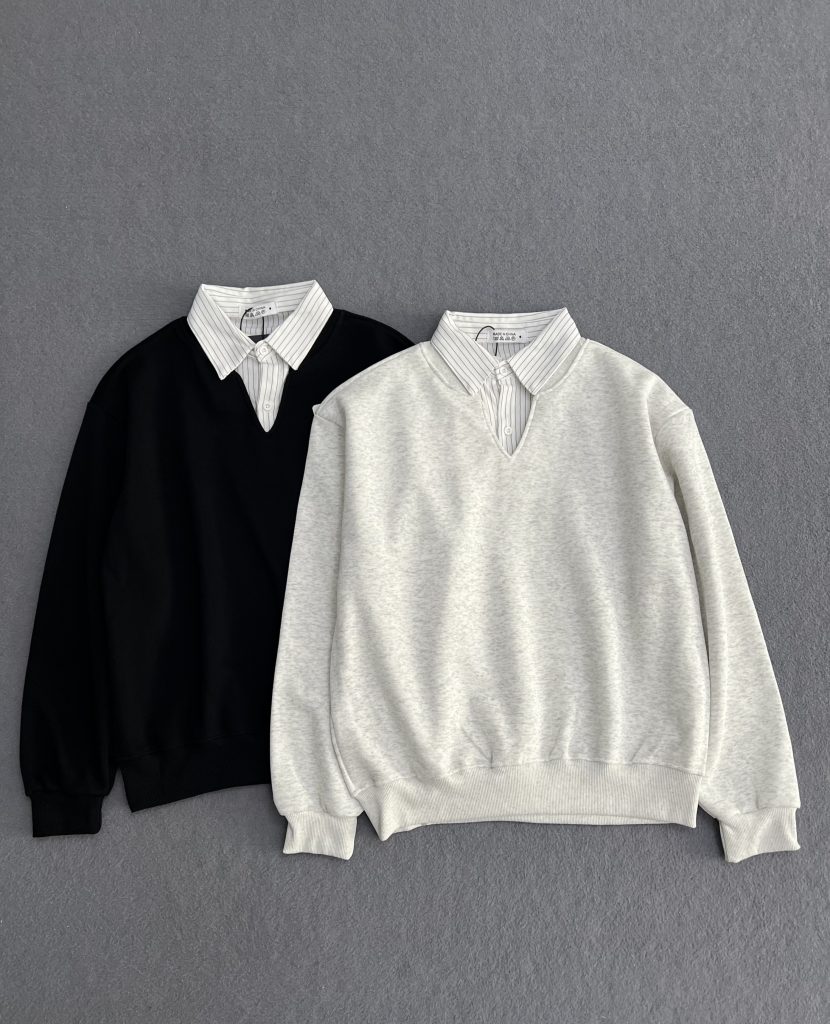
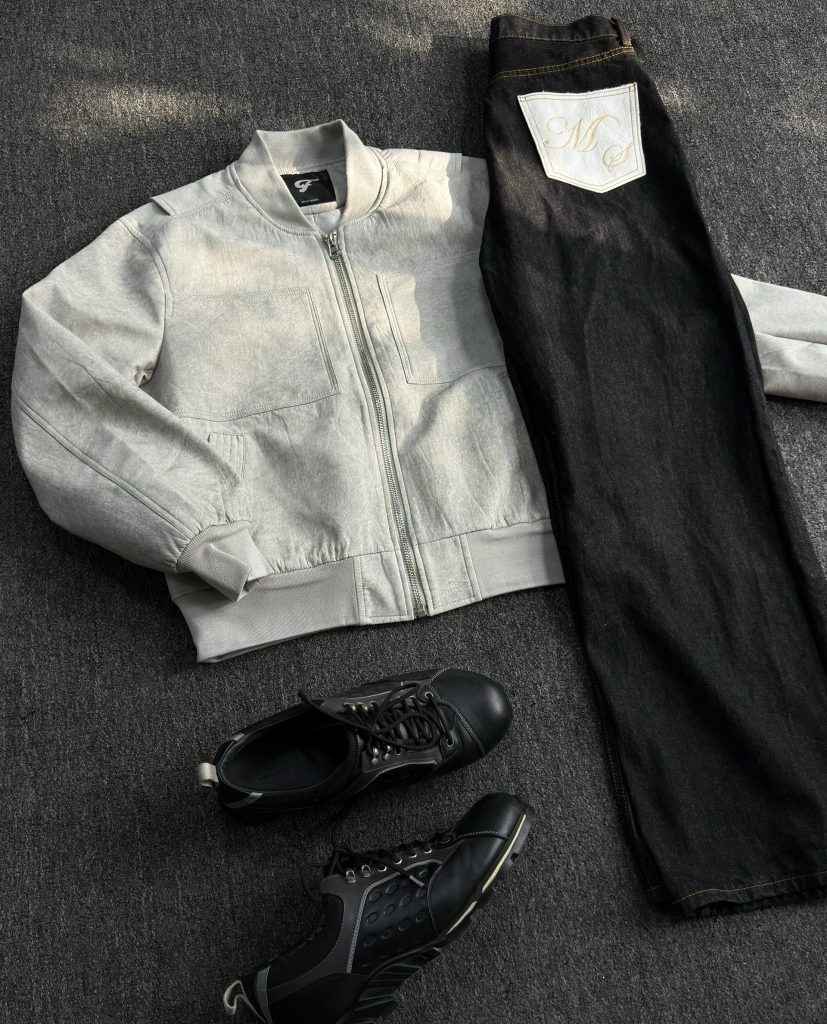
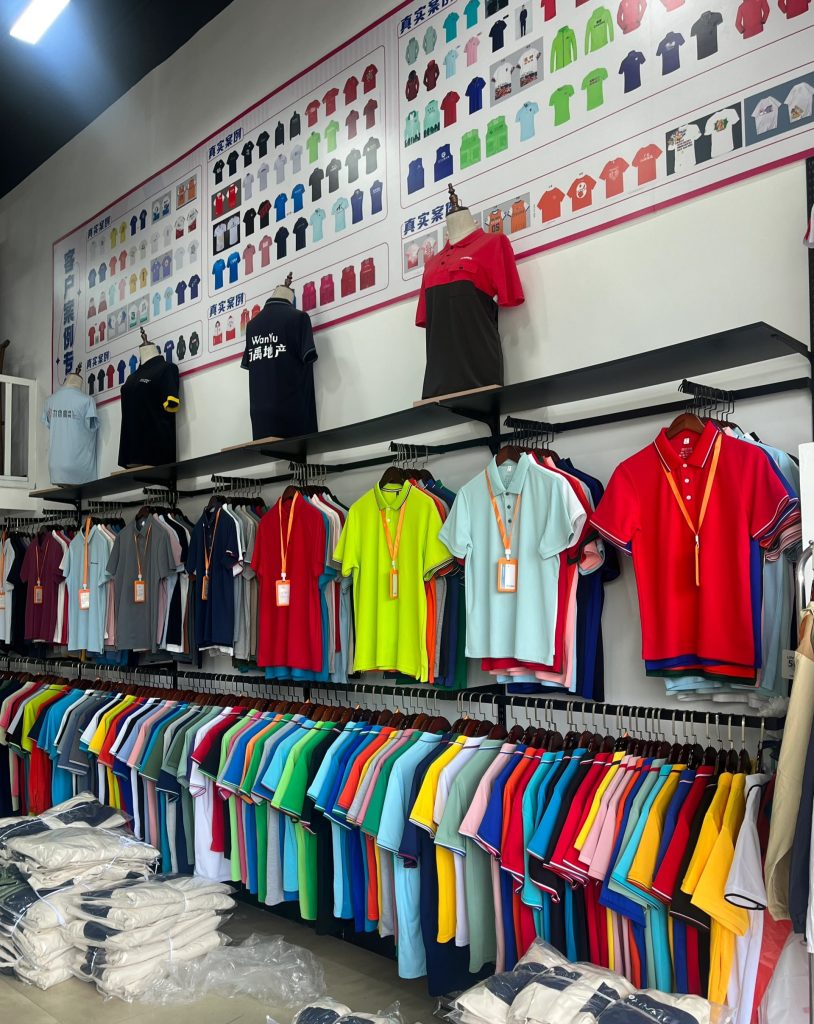
👕 Introduction to Bulk T-Shirt Manufacturing
T-shirts are one of the most widely worn garments in the world. They are used for casual fashion, promotional campaigns, sports teams, company uniforms, and retail clothing collections.
Bulk T-shirt manufacturing allows businesses to produce large quantities of shirts while maintaining consistent product quality and branding.
Companies that commonly purchase bulk T-shirts include:
🛍 Clothing brands
📱 Online apparel stores
🎉 Promotional merchandise businesses
🏫 Schools and organizations
📦 Wholesale clothing distributors
By working with an experienced manufacturer, businesses can create custom T-shirt products designed for their specific market and audience.
🌍 Why Global Buyers Choose T-Shirt Manufacturers in China
China has developed one of the most advanced clothing manufacturing industries in the world. Many international buyers choose Chinese manufacturers due to strong production infrastructure and reliable garment supply chains.
🏭 Large Production Capacity
Garment factories in China are designed to handle high-volume apparel production.
Factories can support:
👕 Large T-shirt manufacturing orders
📦 Wholesale clothing production
🛍 Retail clothing collections
High production capacity ensures stable supply for businesses that require large inventory volumes.
🧵 Wide Range of Fabric Materials
Different T-shirt designs require different fabric materials depending on style and market positioning.
Common materials include:
🧵 Cotton fabrics
🧵 Cotton-polyester blends
🧵 Lightweight jersey fabrics
🧵 Breathable athletic fabrics
Fabric selection affects comfort, durability, and the overall appearance of the garment.
⚙ Modern Garment Manufacturing Technology
Professional clothing factories use advanced equipment to maintain production accuracy and efficiency.
Examples include:
⚙ Automated fabric cutting machines
🧵 High-speed sewing equipment
📐 Digital pattern development systems
🎨 Printing and embroidery machines
These technologies help maintain consistent product quality across large production runs.
🚢 International Export Experience
Many T-shirt manufacturers have experience working with global clothing buyers.
Export services may include:
📦 Export packaging preparation
📄 International shipping documentation
🚢 Global logistics coordination
This experience helps ensure efficient international delivery.
🏭 Key Capabilities of Professional T-Shirt Manufacturers
Reliable clothing factories offer several important services for bulk apparel production.
🎨 Custom T-Shirt Design Development
Manufacturers often assist clients during the design and development process.
Development services may include:
📐 Pattern development
👕 Sample T-shirt production
🎨 Artwork and logo placement
These services help ensure the final product matches the buyer’s design concept.
🧵 Fabric Selection and Custom Materials
T-shirt production requires selecting fabrics that match the intended product purpose.
Manufacturers may offer materials designed for:
🧵 Soft everyday wear
🏃 Sports performance
🌞 Lightweight summer clothing
🧥 Premium fashion collections
Choosing the right fabric improves comfort and product durability.
🎨 Printing and Branding Options
Custom T-shirts often feature unique graphics and branding.
Common decoration techniques include:
🎨 Screen printing
🪡 Embroidery logos
🎨 Heat transfer graphics
🖨 Digital garment printing
These techniques allow businesses to produce distinctive clothing products.
🔍 Quality Control Procedures
Professional manufacturers implement quality inspection processes during production.
Quality control may include:
🔍 Fabric inspection
✂ Cutting accuracy verification
🧵 Stitching quality inspection
📦 Final product inspection
These procedures help maintain consistent product standards.
👕 Types of T-Shirts Produced by Manufacturers
T-shirt manufacturers produce a variety of shirt styles for different markets.
👕 Classic Crew Neck T-Shirts
Crew neck shirts are one of the most common T-shirt styles.
Features include:
👕 Round neckline
🧵 Comfortable fit
🎨 Printed or embroidered logos
These shirts are widely used in casual fashion and promotional clothing.
👕 V-Neck T-Shirts
V-neck shirts offer a slightly different style compared to traditional crew neck designs.
Features include:
👕 V-shaped neckline
🧵 Lightweight materials
🎨 Custom printed graphics
These shirts are popular in modern fashion collections.
🏃 Performance T-Shirts
Performance shirts are designed for sports and physical activities.
Examples include:
🏃 Running shirts
🏋 Workout T-shirts
🚴 Cycling shirts
🧵 Breathable athletic tops
These garments use moisture-management fabrics.
👕 Oversized Fashion T-Shirts
Oversized shirts are popular in modern streetwear fashion.
Features include:
👕 Loose fit design
🎨 Large graphic prints
🧵 Heavyweight fabrics
These garments are widely used by fashion brands targeting younger audiences.
🧵 Customization Options for T-Shirts
Custom T-shirt manufacturing allows brands to personalize many product elements.
Common customization options include:
🏷 Custom brand labels
🎨 Graphic printing
🪡 Embroidery logos
📦 Branded packaging
These elements help clothing brands build recognizable product lines.
⚙ Bulk T-Shirt Production Process
Professional clothing manufacturers follow an organized production workflow.
1️⃣ Product Design and Specifications
Production begins with defining the garment requirements.
Important details include:
📐 T-shirt design
🧵 Fabric materials
📏 Size charts
🎨 Graphic placement
Clear specifications help ensure accurate production.
2️⃣ Sample Development
Manufacturers produce samples before mass production begins.
Samples allow buyers to verify:
🔍 Fabric quality
📏 Garment fit
🎨 Print or embroidery placement
Sample approval confirms readiness for production.
3️⃣ Fabric Cutting
Fabric panels are cut according to approved patterns.
Advantages include:
✂ Accurate garment dimensions
📏 Consistent sizing
⚙ Efficient material utilization
4️⃣ Sewing and Garment Assembly
Garment pieces are assembled on sewing production lines.
Production steps may include:
🧵 Sewing
🎨 Printing
🪡 Embroidery
These processes transform raw materials into finished T-shirts.
5️⃣ Quality Inspection
Finished garments undergo inspection before packaging.
Inspection procedures include:
🔍 Visual inspection
📏 Measurement verification
🧵 Stitch durability inspection
These steps help maintain product quality.
6️⃣ Packaging and Export Preparation
After inspection, garments are prepared for shipment.
Packaging methods may include:
📦 Poly bags
📦 Branded packaging boxes
📦 Export cartons
Products are then shipped to international buyers.
💼 How to Choose a Reliable Bulk T-Shirt Manufacturer
Selecting the right manufacturing partner is essential for clothing businesses.
Buyers should evaluate factories based on several important factors.
✔ Manufacturing experience
✔ Production capacity
✔ Printing and embroidery capability
✔ Quality control systems
✔ Communication reliability
Reliable manufacturers help ensure consistent product quality and stable supply.
📈 Businesses That Use Bulk T-Shirt Manufacturing
Bulk T-shirt production supports many types of businesses.
Examples include:
🛍 Clothing brands
📱 Online apparel stores
🎉 Promotional product companies
📦 Wholesale clothing distributors
🏫 Schools and organizations
These businesses rely on large-scale manufacturing to supply their markets.
🚀 Advantages of Bulk T-Shirt Manufacturing in China
Working with experienced manufacturers offers several advantages.
🏭 Large production capacity
🧵 Skilled garment production teams
🎨 Flexible customization services
📦 Professional packaging solutions
🌍 Reliable international shipping support
These advantages help clothing businesses scale production while maintaining consistent quality.
❓ FAQ – Bulk T-Shirt Manufacturing
1. What is bulk T-shirt manufacturing?
Bulk T-shirt manufacturing refers to producing large quantities of T-shirts based on custom designs, fabrics, and branding requirements.
2. Can manufacturers print custom designs on T-shirts?
Yes. Most manufacturers provide screen printing, embroidery, heat transfer, and digital printing services.
3. What types of T-shirts can be produced?
Factories can produce crew neck shirts, V-neck shirts, performance T-shirts, oversized fashion shirts, and other styles.
4. How long does bulk T-shirt production take?
Typical production timelines include:
⏱ Sample production: 7–14 days
⏱ Mass production: 25–45 days depending on order quantity.
5. Can small clothing brands order bulk T-shirts?
Yes. Many garment manufacturers cooperate with startup clothing brands, retailers, and online stores.
6. Do T-shirt manufacturers provide international shipping?
Yes. Most manufacturers support export packaging and global shipping services.
📩 Start Your Bulk T-Shirt Manufacturing Project
Bulk T-shirt manufacturing allows businesses to create custom apparel products for retail clothing brands, promotional merchandise, and wholesale clothing markets.
Whether you are launching a new clothing brand, expanding your product line, or sourcing shirts for large-scale distribution, working with a professional manufacturer can help ensure reliable production and consistent garment quality.
👉 Contact us today to discuss your T-shirt design requirements, request samples, and receive a professional quotation for your bulk T-shirt manufacturing project.


No reply content