
China Professional Hair Clipper Manufacturing Co., Ltd.
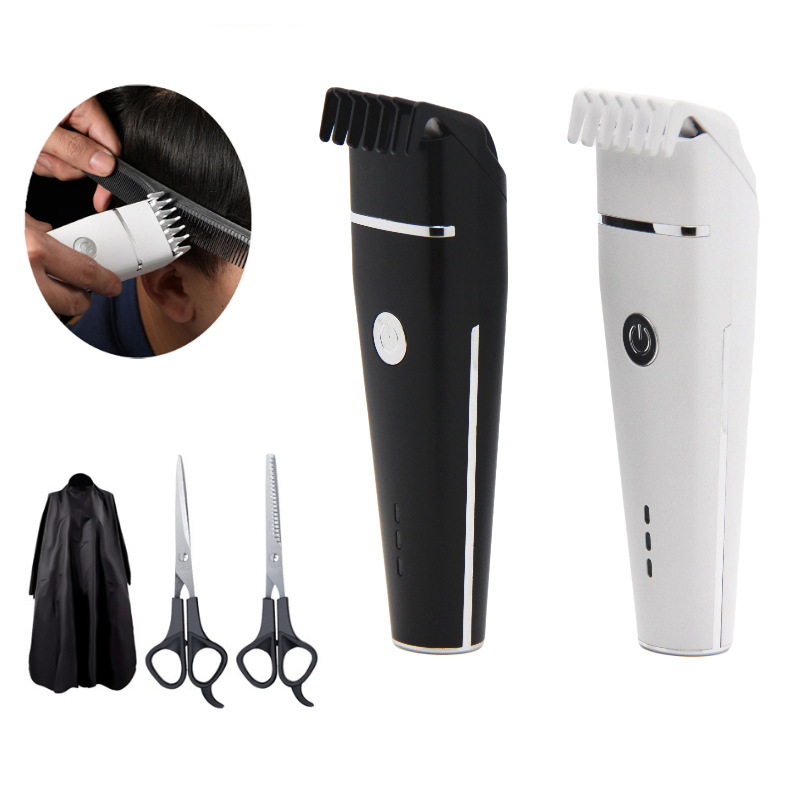
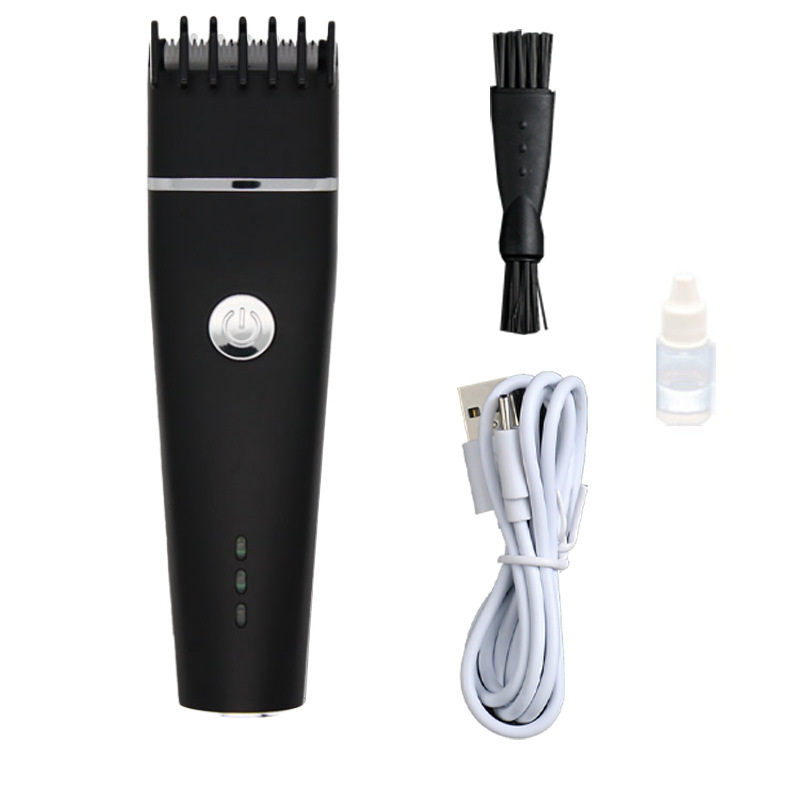
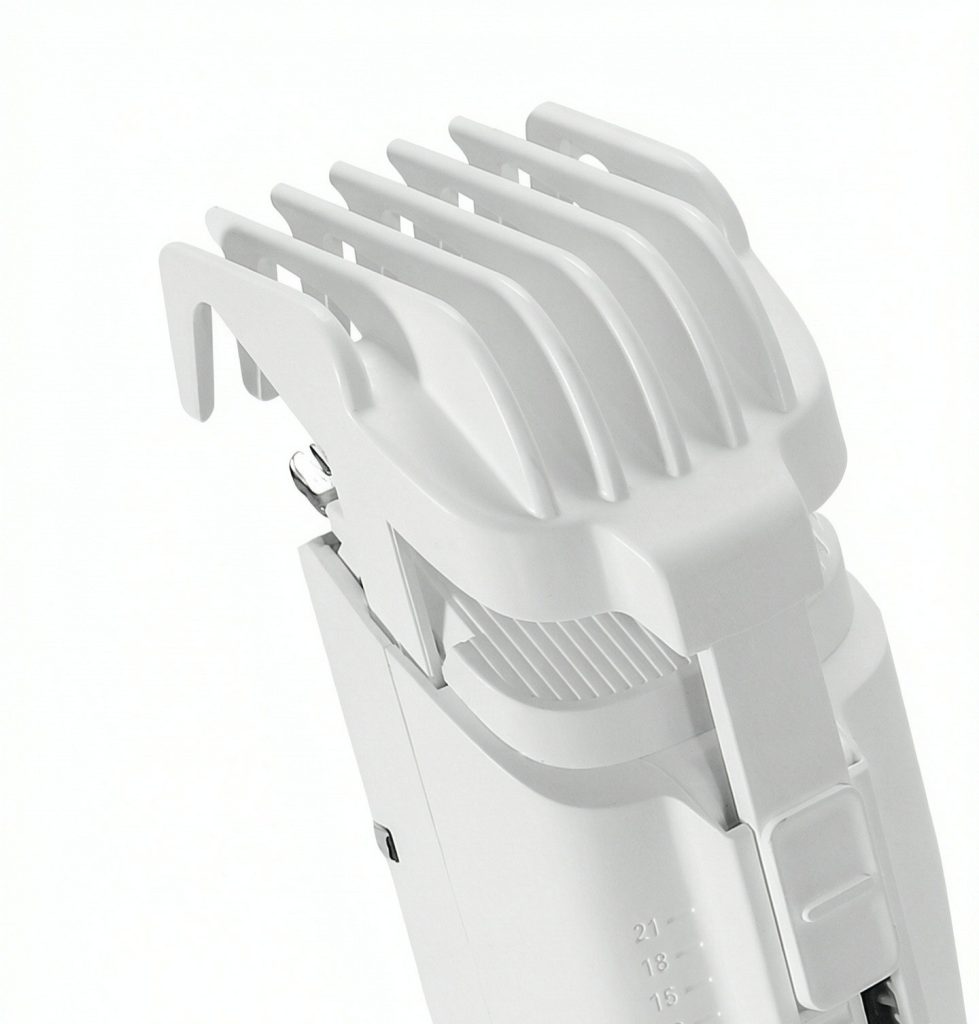
Yes, many Chinese hair clipper manufacturers provide OEM and ODM services. However, the level of customization, minimum order quantity, development capability, tooling requirements, and production process can vary considerably from one manufacturer to another.
For importers and new grooming brands, OEM and ODM production can make it possible to launch a branded hair clipper without building a factory or developing every component independently.
The key is understanding what the manufacturer can actually customize and what you need to provide.
This guide explains how OEM and ODM hair clipper manufacturing works, what buyers should ask, what costs to expect, and how to avoid common problems.
What Is OEM Hair Clipper Manufacturing?
OEM stands for Original Equipment Manufacturer.
In a typical OEM project, the manufacturer already has a product platform or production capability, while the buyer sells the product under the buyer’s own brand.
For example, a manufacturer may already produce a cordless hair clipper. The buyer may request:
-
A custom logo
-
Custom product color
-
Custom packaging
-
Custom user manual
-
Custom accessories
-
Custom labels
The core product may remain largely unchanged.
OEM can therefore be a practical option for companies that want to launch a private-label hair clipper without developing a completely new product.
What Is ODM Hair Clipper Manufacturing?
ODM stands for Original Design Manufacturer.
In an ODM project, the manufacturer generally provides an existing design or helps develop a product based on the buyer’s requirements.
Depending on the factory’s capabilities, the buyer may be able to customize:
-
Product appearance
-
Housing
-
Blade system
-
Control interface
-
Battery configuration
-
Accessories
-
Packaging
-
Product functions
A more complex ODM project may involve engineering, prototypes, tooling, testing, and multiple rounds of sample revisions.
This normally requires more time and investment than basic OEM customization.
What Can Be Customized?
The exact options depend on the manufacturer, but common customization areas include the following.
1. Logo
Logo customization is one of the simplest forms of private labeling.
Possible methods include:
-
Laser engraving
-
Screen printing
-
Pad printing
-
Embossing
-
Printed labels
The appropriate method depends on the housing material and design.
2. Product Color
Buyers may request a custom housing color to match their brand identity.
However, custom colors can require a minimum production quantity because the factory needs to organize specific raw materials or production batches.
3. Packaging
Custom packaging is common for private-label hair clippers.
Options can include:
-
Retail boxes
-
Gift boxes
-
Color boxes
-
Product inserts
-
User manuals
-
Barcode labels
-
Brand stickers
-
Custom cartons
Packaging should be designed around the actual product dimensions and shipping requirements.
4. Accessories
A private-label brand may request a specific accessory combination.
For example:
-
Guide combs
-
Cleaning brush
-
Blade oil
-
Charging cable
-
Charger
-
Protective cap
-
Storage case
-
Replacement blade
Adding accessories can increase both product cost and packaging complexity.
5. Product Appearance
More advanced ODM projects can involve changes to the external design.
This can include:
-
Housing shape
-
Grip
-
Button position
-
Display
-
Decorative elements
-
Surface finish
-
Color combinations
Major appearance changes may require new tooling.
What About Custom Motors?
Motor customization is more complicated than changing a logo or color.
A buyer may request different performance characteristics, but the manufacturer must determine whether the desired motor can work correctly with the existing mechanical and electronic design.
Changes can affect:
-
Cutting performance
-
Power consumption
-
Heat
-
Noise
-
Battery runtime
-
Product weight
-
Electronics
Therefore, buyers should discuss technical requirements with the manufacturer’s engineering team rather than simply asking for a “stronger motor.”
Can the Blade Be Customized?
In some cases, yes.
Blade customization can involve:
-
Blade material
-
Blade shape
-
Blade width
-
Blade coating
-
Blade adjustment
-
Tooth configuration
However, completely new blade designs may require additional tooling and testing.
For a new brand, using an existing proven blade platform may be more practical than developing a completely new blade.
Can the Battery Be Customized?
Battery configuration can sometimes be adjusted, but this requires careful engineering.
Potential variables include:
-
Battery chemistry
-
Rated voltage
-
Capacity
-
Battery dimensions
-
Charging method
-
Protection system
Increasing battery capacity may increase runtime, but it can also affect product weight, charging time, internal space, and transportation considerations.
The manufacturer’s engineering team should confirm that the battery configuration is compatible with the product.
OEM vs ODM: Which Is Better?
Neither is universally better.
It depends on your business strategy.
Factor |
OEM |
ODM |
|---|---|---|
Starting cost |
Usually lower |
Usually higher |
Development time |
Shorter |
Longer |
Customization |
Moderate |
Higher |
Product development |
Limited |
More extensive |
Tooling |
Often unnecessary |
May be required |
Suitable for |
New brands |
Brands seeking differentiation |
Risk |
Generally lower |
Generally higher |
Development flexibility |
Moderate |
Higher |
For a new brand with limited experience, OEM can be a practical starting point.
For an established company that wants a unique product, ODM may provide more differentiation.
What Is the Typical OEM Process?
A practical OEM project may follow these steps.
Step 1: Define the Product
Tell the manufacturer:
-
Target market
-
Product type
-
Target price
-
Expected quantity
-
Required functions
-
Branding requirements
Step 2: Select an Existing Model
The manufacturer provides suitable products from its current range.
Step 3: Request Samples
Test the product before deciding on the final configuration.
Step 4: Confirm Customization
Finalize:
-
Logo
-
Color
-
Packaging
-
Accessories
-
Manual
-
Labels
Step 5: Confirm Artwork
Provide the final logo and packaging artwork.
Step 6: Approve a Pre-Production Sample
The final customized sample should be approved before mass production.
Step 7: Begin Production
The manufacturer produces the order according to the approved specifications.
Step 8: Quality Inspection
The buyer or an inspection company checks the finished products.
Step 9: Shipment
After the order passes the agreed requirements, the products can be prepared for shipment.
What Is the Typical ODM Development Process?
ODM development can be more complicated.
A typical project may involve:
-
Product concept
-
Technical requirements
-
Industrial design
-
Engineering design
-
Prototype
-
Functional testing
-
Sample revision
-
Tooling
-
Pilot production
-
Compliance testing where applicable
-
Mass production
This process requires more communication between the buyer and factory.
What Should Buyers Tell the Manufacturer?
A vague request such as “I want a professional hair clipper” is usually not enough.
Provide as much information as possible.
For example:
Product: Professional cordless hair clipper
Target users: Barbers and professional stylists
Brand: Private label
Battery: Rechargeable
Blade: Adjustable
Color: Custom
Packaging: Custom retail box
Initial quantity: Estimated first order
Target market: Specify destination country or region
Accessories: Guide combs, cleaning brush, charging accessories
Target price: Optional, but useful for selecting an appropriate product platform
This gives the manufacturer a clearer understanding of the project.
How Does MOQ Work for OEM?
MOQ is one of the most important issues to discuss.
A factory may have different MOQs for different customization levels.
For example:
Existing product + no customization
May have the lowest MOQ.
Existing product + logo
May have a moderate MOQ.
Logo + custom packaging + custom color
May require a higher MOQ.
New product design
May require a substantially larger commitment because of development and tooling costs.
Never assume that the manufacturer’s standard MOQ applies to a fully customized project.
What Additional Costs Should Buyers Expect?
The final cost can include more than the unit price.
Potential costs include:
-
Sample fees
-
Logo setup
-
Packaging design
-
Printing
-
Tooling
-
Mold development
-
Engineering
-
Product testing
-
Compliance testing
-
Special accessories
-
Customized colors
Ask the manufacturer to separate one-time costs from recurring production costs.
This makes it easier to understand the real economics of the project.
How Should Buyers Protect Their Product Design?
If you provide your own designs, drawings, logo files, packaging artwork, or technical specifications, clarify ownership before production.
For a serious private-label project, buyers should consider appropriate contractual protection covering:
-
Product design
-
Logo
-
Packaging
-
Technical drawings
-
Mold ownership
-
Confidential information
-
Unauthorized production
The exact legal arrangement should be appropriate for the countries involved and reviewed professionally when the project is significant.
What About Product Certification?
Requirements depend on the product and destination market.
A hair clipper containing a rechargeable battery and electronic charging equipment may have different requirements from a simple corded product.
Before production, tell the manufacturer exactly where the product will be sold.
Ask for documentation related to the specific model and configuration.
Do not assume that documentation for another model automatically covers your customized version.
Changes to electrical components, batteries, chargers, or other important components may affect testing or compliance requirements.
How Should You Control OEM Product Quality?
The most important quality reference should be the approved final sample and written specification.
Do not simply tell the factory:
“Make it the same as the sample.”
Create a clear specification.
It can include:
-
Product model
-
Dimensions
-
Weight
-
Materials
-
Motor specification
-
Battery specification
-
Blade specification
-
Color
-
Logo position
-
Packaging
-
Accessories
-
Functional requirements
-
Acceptable appearance standards
For larger orders, establish inspection criteria before production.
Common OEM Problems to Avoid
Problem 1: Changing Components Without Approval
A manufacturer may suggest replacing a component because of availability or cost.
Do not automatically accept the change.
Important components should only be changed after buyer approval.
Problem 2: Approving Only a Digital Design
A computer rendering cannot show actual plastic texture, assembly quality, button feel, motor noise, or cutting performance.
Always approve a physical sample when practical.
Problem 3: Not Confirming Packaging
Small packaging changes can affect carton dimensions and shipping costs.
Confirm the final packaging before production.
Problem 4: Ignoring Spare Parts
For professional products, replacement blades and other parts can be important.
Discuss spare parts before launching the product.
Problem 5: Changing Specifications During Production
Frequent changes can create delays, additional costs, and quality problems.
Try to finalize the specifications before mass production begins.
How to Choose an OEM/ODM Hair Clipper Manufacturer
A suitable manufacturer should ideally demonstrate:
-
Relevant manufacturing experience
-
Stable product quality
-
Engineering capability
-
OEM/ODM experience
-
Reasonable MOQ
-
Clear communication
-
Quality-control procedures
-
Production capacity
-
Appropriate documentation
-
Reliable after-sales support


No reply content