
China Surfboard and Snowboard Manufacturer Co., Ltd.
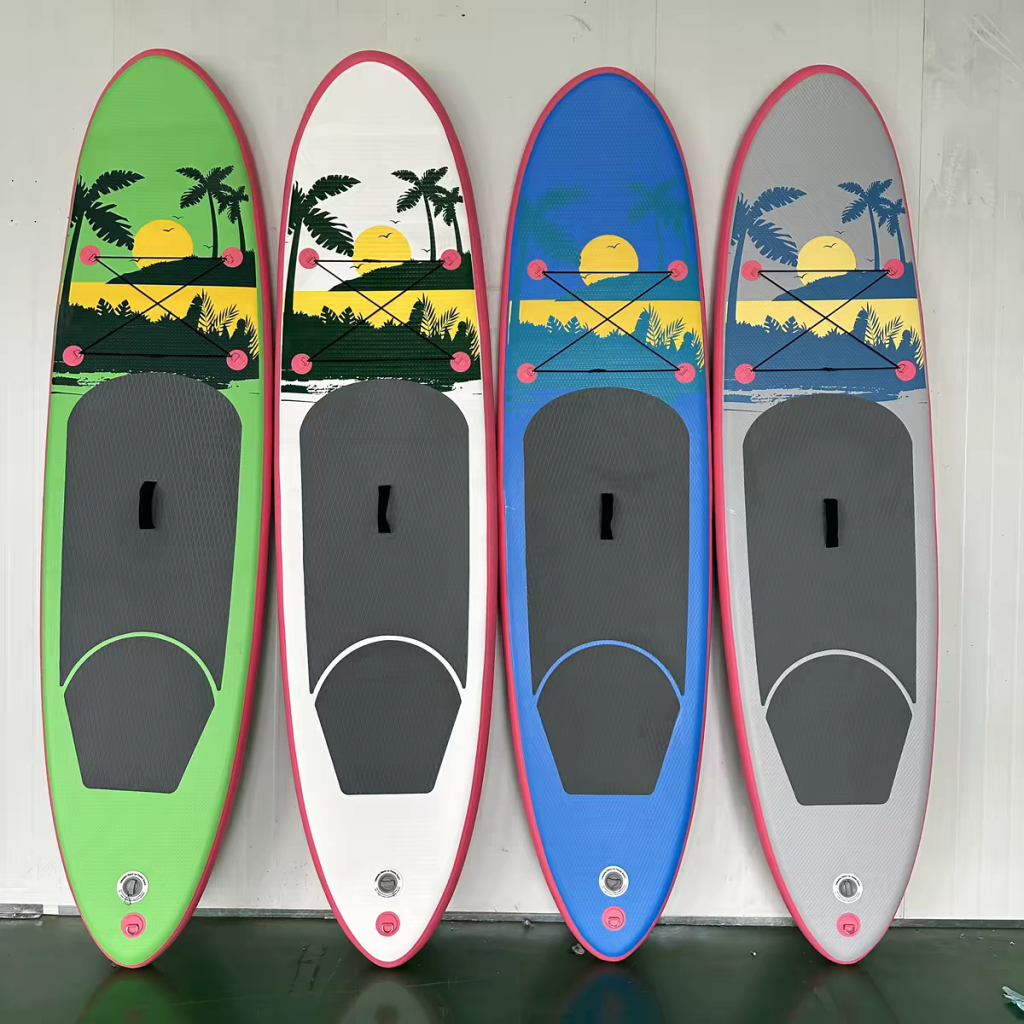
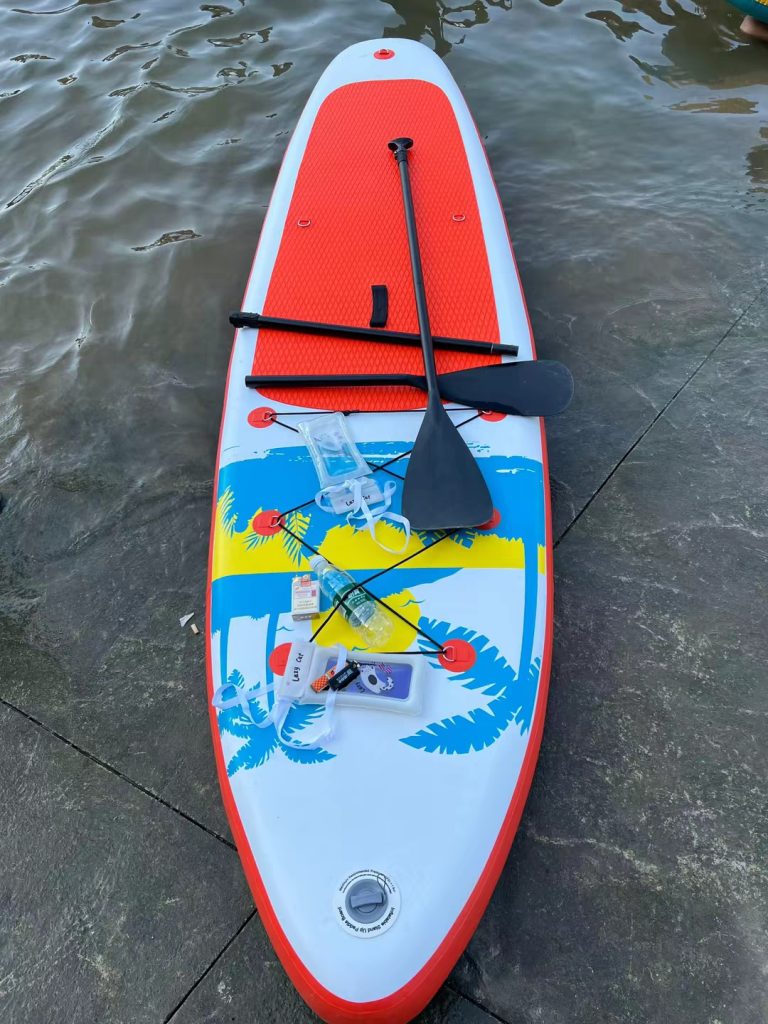
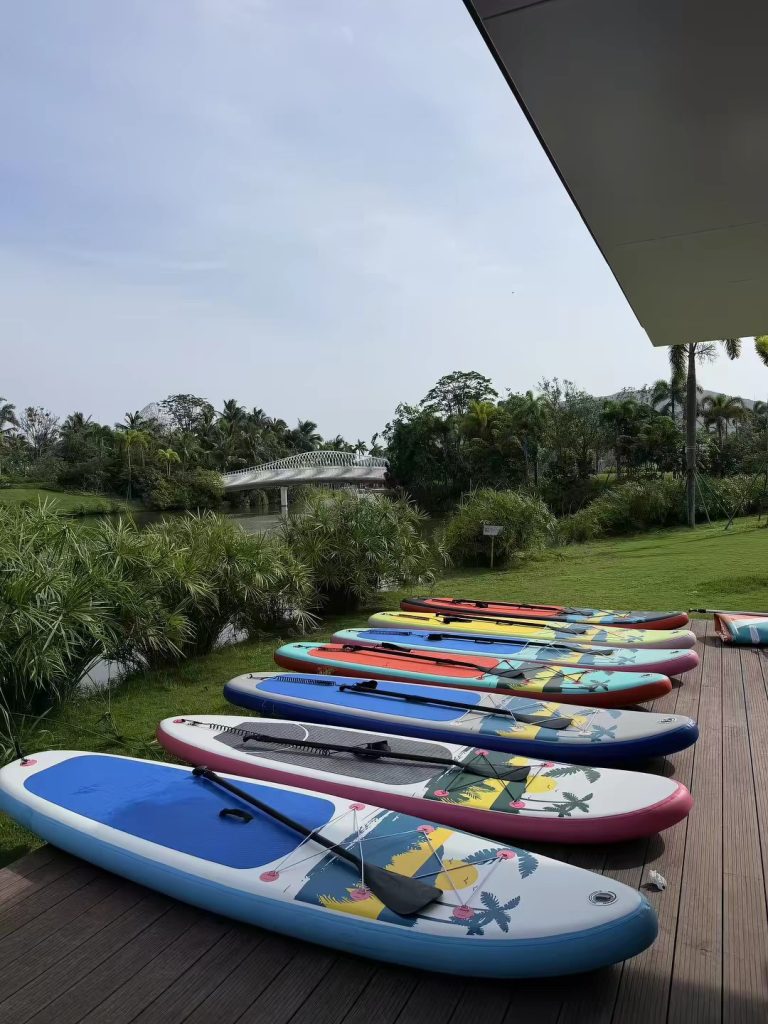
For surf shops, wholesalers, distributors, e-commerce sellers, and private-label brands, OEM and custom surfboard manufacturing can be an effective way to create products that are different from standard models.
Chinese surfboard manufacturers may offer different levels of customization, from simply adding a logo to developing a completely new board shape. However, buyers should understand exactly what the factory can manufacture before placing an order.
This guide explains how OEM and ODM surfboard production works, what can usually be customized, what information a manufacturer needs, and how buyers can reduce production risks.
1. What Does OEM Surfboard Manufacturing Mean?
OEM generally means that a manufacturer produces a product according to the buyer’s specifications and brand requirements.
For surfboards, OEM customization may include:
-
Brand logo
-
Board graphics
-
Colors
-
Dimensions
-
Fin configuration
-
Accessories
-
Packaging
-
User manuals
-
Board bags
-
Retail labels
For example, a buyer may select an existing surfboard model and request a custom logo, custom artwork, and branded packaging.
This is usually simpler than developing a completely new surfboard.
2. What Is ODM Surfboard Manufacturing?
ODM generally involves a manufacturer providing product design and development capabilities.
An ODM project may involve:
-
New board dimensions
-
Custom shape
-
New graphics
-
Custom construction
-
New accessories
-
Product improvements
-
Prototype development
If you do not have your own engineering or surfboard-shaping team, ODM can be useful because the manufacturer may help develop the product.
However, buyers should clearly establish who owns the final design and how design files may be used.
3. What Can Be Customized?
The amount of customization depends on the manufacturer’s capabilities and order quantity.
Logo
One of the simplest forms of customization is adding your brand logo.
Possible locations include:
-
Deck
-
Bottom
-
Nose
-
Tail
-
Packaging
-
Board bag
The manufacturer may require vector artwork such as AI, EPS, or other suitable formats.
Graphics
You can often provide your own artwork.
Confirm:
-
File format
-
Print area
-
Color requirements
-
Position
-
Size
-
Surface finishing
Always approve a visual proof before production.
Colors
Custom colors may be available for the board, graphics, traction pad, accessories, or packaging.
Ask whether there is a minimum order quantity for custom colors.
Dimensions
For custom boards, you may specify:
-
Length
-
Width
-
Thickness
-
Volume
-
Rocker
-
Tail shape
-
Nose shape
-
Rail profile
These specifications should be clearly documented.
4. Custom Board Shapes Require More Development
Changing a logo is relatively simple.
Changing the entire board shape is much more complicated.
A custom board may require:
-
Design
-
Technical review
-
Prototype
-
Sample production
-
Testing
-
Modification
-
Final approval
-
Mass production
This means a completely new surfboard should not normally be treated like a simple logo customization project.
5. Provide a Clear Product Brief
A professional manufacturer needs enough information to understand your requirements.
A product brief can include:
Product Type: Shortboard / Longboard / Funboard / Foam Board
Length: Required specification
Width: Required specification
Thickness: Required specification
Volume: Required specification
Construction: Required construction
Core: Required core material
Graphics: Custom artwork
Logo: Brand logo
Fin System: Required configuration
Accessories: Required accessories
Packaging: Retail or export packaging
Quantity: Initial order quantity
The more precise the brief, the easier it is for the factory to quote and manufacture correctly.
6. Ask Whether the Manufacturer Has Its Own Development Team
For serious custom projects, ask whether the manufacturer has:
-
Product engineers
-
Board designers
-
Shaping specialists
-
Graphic designers
-
Prototype capabilities
-
Sample-development capabilities
A factory that only performs basic assembly may not be suitable for a technically demanding custom project.
7. Ask for a Prototype
Never proceed directly from an idea to mass production when developing a completely new surfboard.
A prototype allows you to evaluate:
-
Shape
-
Dimensions
-
Weight
-
Construction
-
Balance
-
Fin configuration
-
Appearance
-
General performance
After testing, you can provide modifications before final production.
8. Test the Prototype
If the board is intended for real surfing, practical testing is important.
Depending on the product, evaluate:
-
Stability
-
Paddle behavior
-
Turning
-
Maneuverability
-
Balance
-
Weight
-
Comfort
-
Overall handling
Feedback should be recorded systematically.
Instead of telling the manufacturer “the board doesn’t feel right,” provide specific information about what needs to change.
9. Approve a Golden Sample
Once the final prototype is approved, keep one physical sample as the reference product.
This is sometimes called an approved sample or golden sample.
It can be used to compare future production against:
-
Shape
-
Dimensions
-
Construction
-
Color
-
Graphics
-
Logo
-
Accessories
-
Packaging
This is particularly useful for repeat OEM orders.
10. Confirm Material Specifications
Customization is not only about appearance.
The manufacturer should confirm the construction materials.
Depending on the board, this may include:
-
Core material
-
Resin
-
Fiberglass
-
Reinforcement
-
Deck material
-
Bottom material
-
Fin boxes
-
Traction pad
If you change the materials, the board’s weight, durability, flexibility, and performance may also change.
11. Ask About Tooling and Development Costs
Some custom designs require additional development costs.
Potential costs may include:
-
Prototype
-
Tooling
-
Molds
-
Custom packaging
-
Custom accessories
-
Special printing
-
Engineering
-
Development samples
Ask for these costs before starting the project.
Also confirm whether tooling belongs to you, the manufacturer, or is shared under the commercial agreement.
12. Confirm the MOQ for Custom Production
Custom products usually require more planning than standard products.
The manufacturer may set different MOQs for:
-
Custom logo
-
Custom graphics
-
Custom color
-
Custom packaging
-
Custom shape
-
Custom accessories
If your initial order is small, ask whether the factory can modify an existing model instead of developing an entirely new product.
This may reduce both MOQ and development costs.
13. Custom Packaging Is Also Possible
Private-label brands often need more than a logo on the board.
Custom packaging may include:
-
Retail box
-
Instruction manual
-
Product labels
-
Carton markings
-
Board bag
-
Brand stickers
-
Care instructions
-
Barcode labels
Provide the packaging requirements early because packaging development can affect production time.
14. Protect Your Brand Identity
If you are building a surfboard brand, establish clear branding requirements.
Confirm:
-
Logo size
-
Logo position
-
Colors
-
Graphics
-
Fonts
-
Packaging design
-
Product labels
Before mass production, approve the final artwork.
A small mistake in logo position or color can affect an entire production batch.
15. Clarify Design Ownership
For completely custom products, discuss intellectual-property ownership before development.
Questions may include:
-
Who owns the custom design?
-
Who owns the artwork?
-
Who owns tooling?
-
Can the manufacturer sell the same design to other customers?
-
Can the manufacturer use the design in its catalog?
-
Can you request the design files?
These points should be clearly agreed upon before investing significant development costs.
16. Check Production Consistency
After customization, consistency becomes particularly important.
The factory should be able to reproduce:
-
Same dimensions
-
Same shape
-
Same materials
-
Same graphics
-
Same colors
-
Same accessories
-
Same packaging
An approved sample and detailed production specification can help control repeat orders.
17. Establish Quality Standards
Your OEM agreement should not simply state:
“High-quality surfboards.”
That is too subjective.
Instead, establish measurable requirements.
For example:
-
Dimensions
-
Weight tolerance
-
Construction
-
Surface defects
-
Logo position
-
Color requirements
-
Accessories
-
Packaging
-
Carton requirements
The exact standards should be appropriate for the product and market.
18. Consider Pre-Shipment Inspection
For larger OEM orders, pre-shipment inspection can help identify problems before the goods leave China.
Inspection may include:
-
Quantity
-
Dimensions
-
Weight
-
Appearance
-
Graphics
-
Logo
-
Construction
-
Fin system
-
Accessories
-
Packaging
This is especially useful for a new supplier or a new custom design.
19. Understand Production Lead Time
Custom surfboards normally require more planning than standard products.
The process can involve:
Design → Quotation → Prototype → Testing → Modification → Final Sample → Production → Inspection → Packaging → Shipment
Each stage can affect the final delivery date.
Do not assume that a custom order will have the same lead time as an existing product.
20. Calculate the Complete Cost
When comparing OEM suppliers, consider:
Product Cost + Development Cost + Tooling + Packaging + Accessories + Inspection + Freight + Import Costs
A supplier with a higher unit price may still be more suitable if it offers better development support and more consistent production.
OEM vs. ODM Surfboard Manufacturing
Feature |
OEM |
ODM |
|---|---|---|
Existing product |
Common |
Possible |
Custom logo |
Yes |
Yes |
Custom graphics |
Yes |
Yes |
Custom packaging |
Yes |
Yes |
Custom color |
Often |
Often |
New dimensions |
Possible |
Common |
New shape |
Possible |
More suitable |
Product development |
Buyer-led |
Manufacturer-supported |
Prototype |
Sometimes |
Common |
Development complexity |
Lower to medium |
Medium to high |


No reply content