Case Study: How an Australian Family Cut Electricity Bills by 75% with an 8kW Solar + Battery System
China solar power generation and energy storage manufacturing
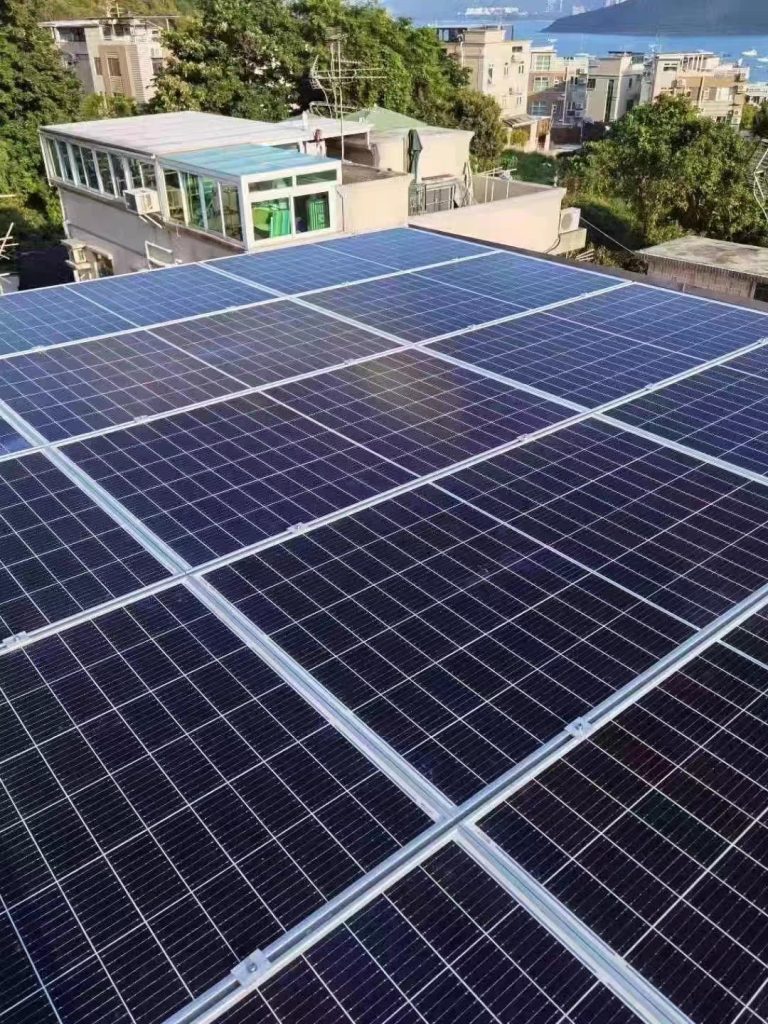
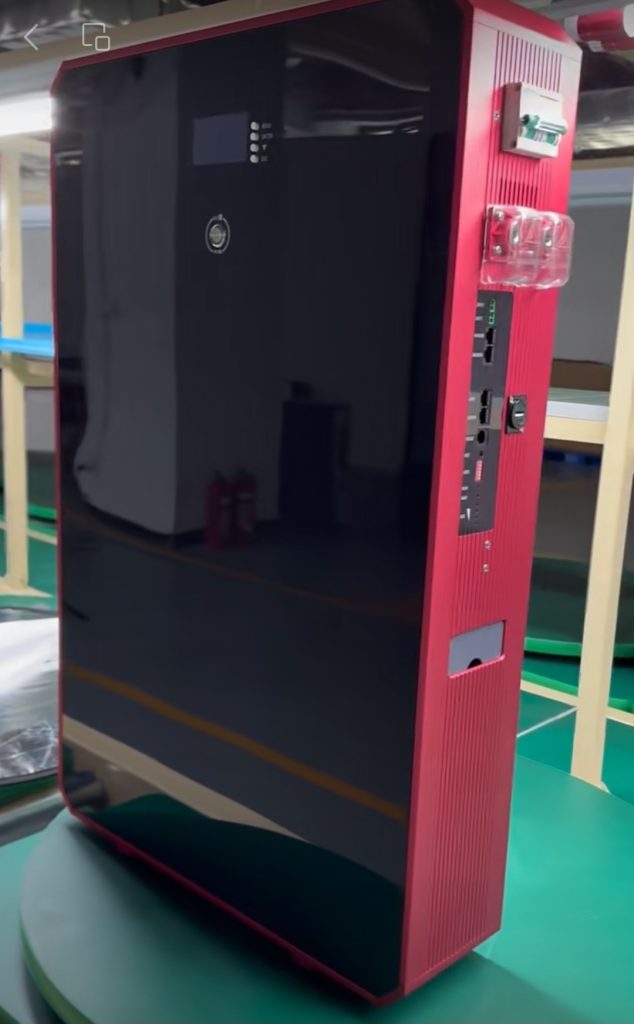
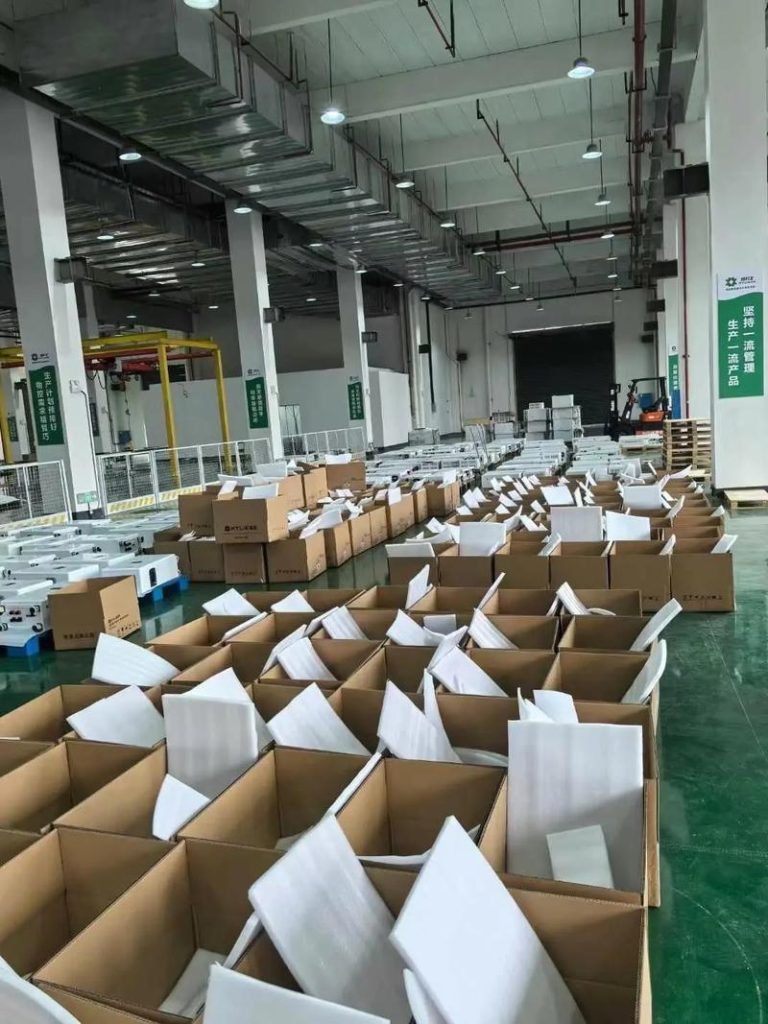
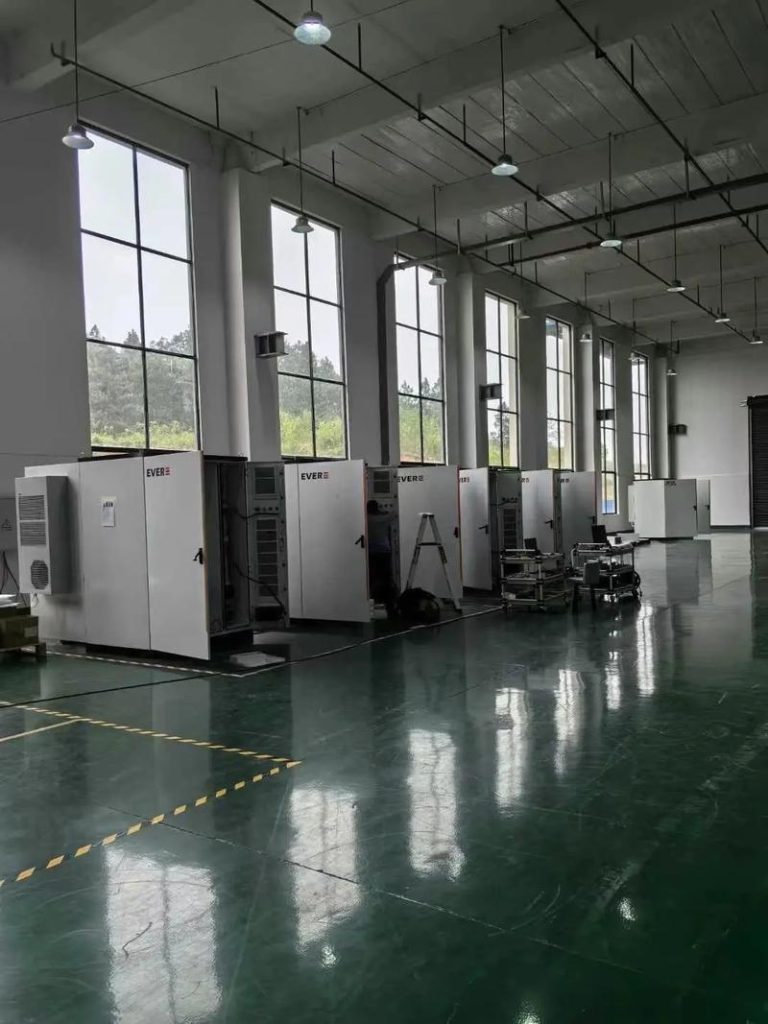
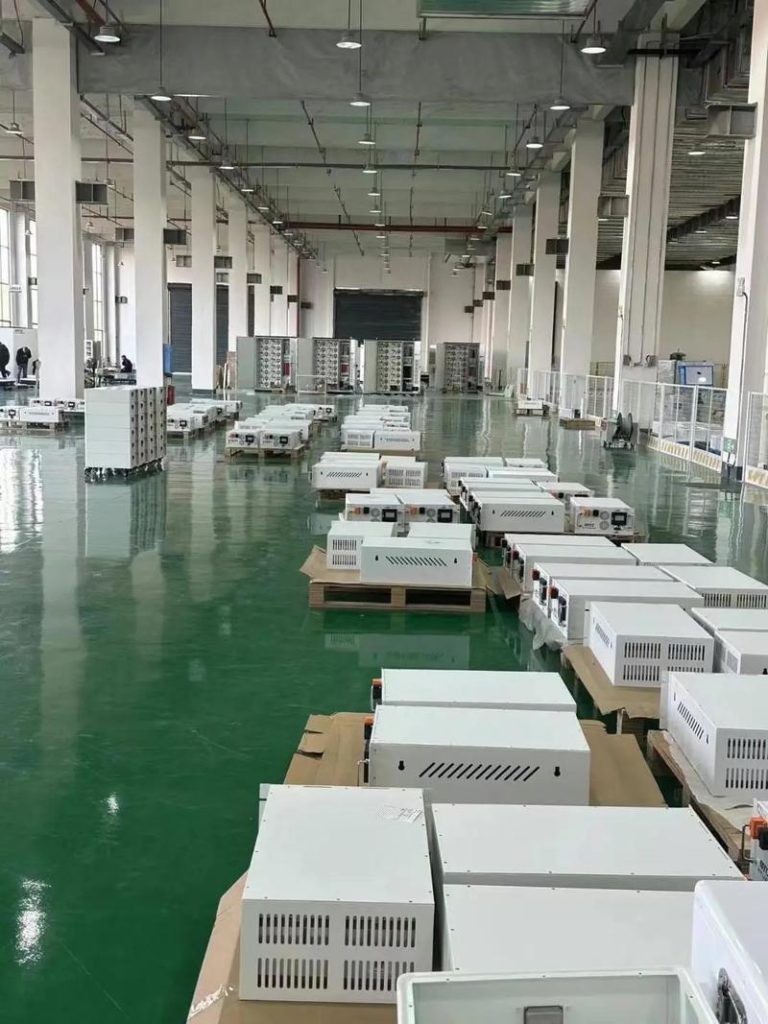
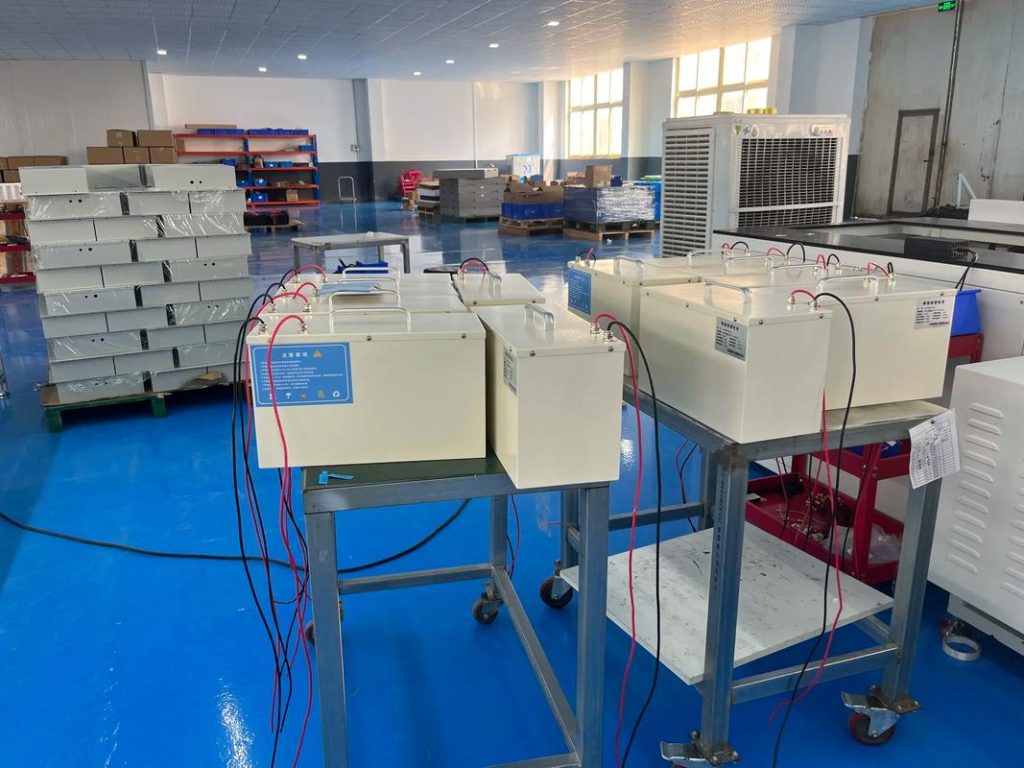
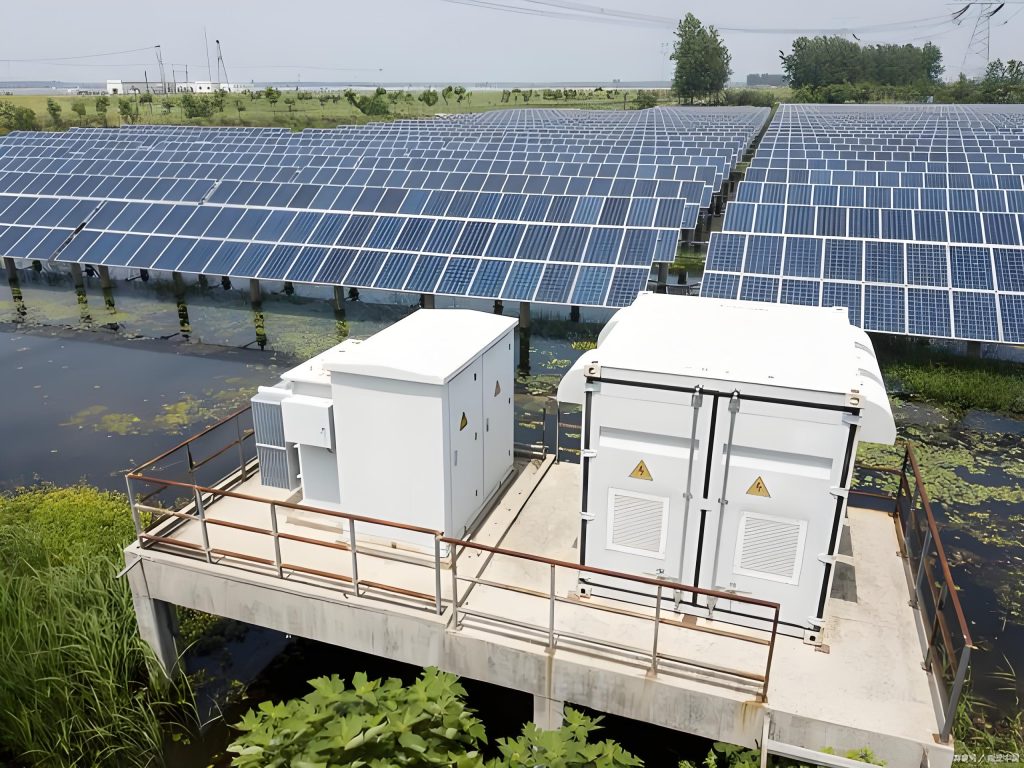
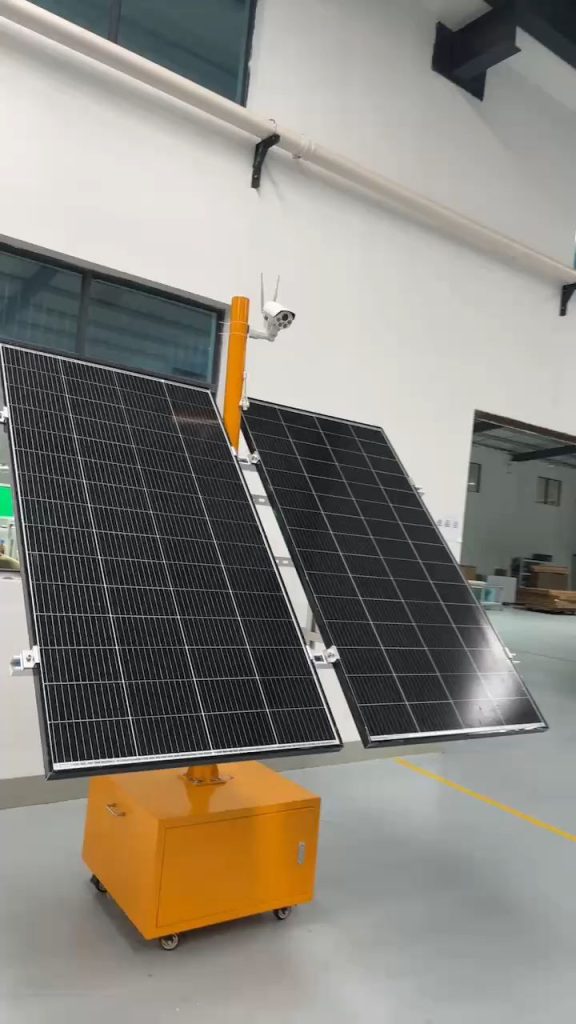
For Australian families, rising electricity bills are a constant headache. In 2024, the average household pays 0.28–0.35/kWh (AUD)—up 22% from 2022 (Australian Energy Regulator data)—with summer spikes hitting 0.50/kWh during heatwaves. But for the Wilson family in Brisbane, Queensland, solar + battery storage turned their 450/month bill into a $110/month expense. Here’s how their 8kW solar + 10kWh battery system slashed costs by 75% and gave them energy independence.
Meet the Wilson Family: A Typical Aussie Household
-
Location: Suburban Brisbane (27°S latitude, 2,200mm annual rainfall, 300+ sunny days/year).
-
Household: 4 people (2 adults, 2 kids aged 8 and 10), 2-story home (220m²) with a north-facing roof.
-
Pre-solar energy use: 1,200 kWh/month (peak summer: 1,500 kWh; winter: 900 kWh) due to air conditioning, pool pump, and evening device charging.
-
Pain point: Monthly bills averaged **450** (including supply charges), with summer peaks of 600.
Their Solution: 8kW Solar + 10kWh Battery System
After consulting a local installer, the Wilsons chose an 8kW solar array paired with a 10kWh lithium-ion battery—optimized for Brisbane’s climate and their high energy use.
System Specs
| Component | Details |
|---|---|
| Solar Panels | 20x JinkoSolar Tiger Neo 410W (monocrystalline, 22.3% efficiency, 25-year warranty). North-facing, 20° tilt (optimal for Brisbane). |
| Inverter | Fronius Primo GEN24 8.2kW (hybrid, supports battery integration, 10-year warranty). |
| Battery | Tesla Powerwall 2 (10kWh usable capacity, 90% depth of discharge, 10-year warranty). Stores excess daytime solar for evening use. |
| Mounting | Clenergy mounting system (cyclone-rated for Queensland storms). |
| Total Cost (pre-incentives) | $18,500 AUD (includes installation, permits, and grid connection). |
How They Cut Bills by 75%: The Math
The key was maximizing self-consumption (using solar energy directly) and minimizing grid reliance—especially during peak pricing hours (4–8 PM).
1. Pre-Solar Annual Costs
-
Monthly bill: 450 → **5,400/year** (including $1,200/year in supply charges).
2. Post-Solar Annual Costs
-
Solar generation: 8kW system produces ~12,000 kWh/year in Brisbane (3.5 “sun hours” daily average).
-
Self-consumption: 8,000 kWh/year (67% of generation) used directly (daytime AC, pool pump, appliances).
-
Battery storage: 3,000 kWh/year stored for evening use (4–8 PM, when grid rates are highest).
-
Grid purchases: Only 1,200 kWh/year (winter nights, low solar output) at 0.30/kWh → **360/year**.
-
Supply charges: $1,200/year (fixed, unavoidable).
-
Total post-solar cost: 360 + 1,200 = 1,560/year** → **130/month.
3. The 75% Savings
-
Annual savings: 5,400 – 1,560 = $3,840 (71% reduction).
-
Peak summer savings: Bills dropped from 600/month to 150/month (75% cut).
Incentives That Slashed Upfront Costs
Australia’s Small-scale Renewable Energy Scheme (SRES) provided a major boost. The Wilsons received $4,200 AUD in Small-scale Technology Certificates (STCs)—a government rebate based on system size, location, and expected output.
-
Net system cost after STCs: 18,500 – 4,200 = $14,300 AUD.
-
Payback period: 14,300 ÷ 3,840/year = 3.7 years (well below the national average of 4–6 years).
Beyond Savings: 3 Unexpected Benefits
1. Blackout Protection
Brisbane’s summer storms often cause outages. The Powerwall kept their fridge, Wi-Fi, and kids’ lights running for 2 days during a 2023 cyclone—something their neighbors envied.
2. Increased Home Value
A 2023 Domain study found solar + battery systems add 10,000–15,000 AUD to home values in Queensland. The Wilsons plan to sell in 5 years and expect a quick return.
3. Carbon Footprint Reduction
Their system avoids 9,600 kg CO₂/year (equivalent to planting 160 trees). “My kids love telling friends we’re ‘solar superheroes,’” says Sarah Wilson.
Challenges & Lessons Learned
-
Shading: A large tree cast shadows on part of the roof. The installer trimmed branches and added optimizers to prevent output loss.
-
Battery sizing: Initially, they considered a 7kWh battery but upgraded to 10kWh after realizing their evening use (pool pump + AC) needed more storage.
-
Grid connection: Brisbane City Council required a structural engineer report for the roof—add 2 weeks to the timeline.
Is an 8kW Solar + Battery System Right for You?
The Wilsons’ success isn’t unique. In Australia, 8kW systems are ideal for:
-
Households using 1,000–1,500 kWh/month.
-
Homes with north-facing roofs (or west/east with adjustments).
-
Families wanting blackout protection (common in NSW/VIC bushfire zones).
Key takeaway: Pairing solar with a battery ensures you use your energy, not the grid’s expensive stuff.
Ready to Cut Your Bills Like the Wilsons?
At [Your Company Name], we’ve installed 600+ solar + battery systems across Australia—from Perth’s coast to Melbourne’s suburbs. Our team handles STC applications, council permits, and cyclone-rated installations.


No reply content