China Air Compressor Manufacturing Factory
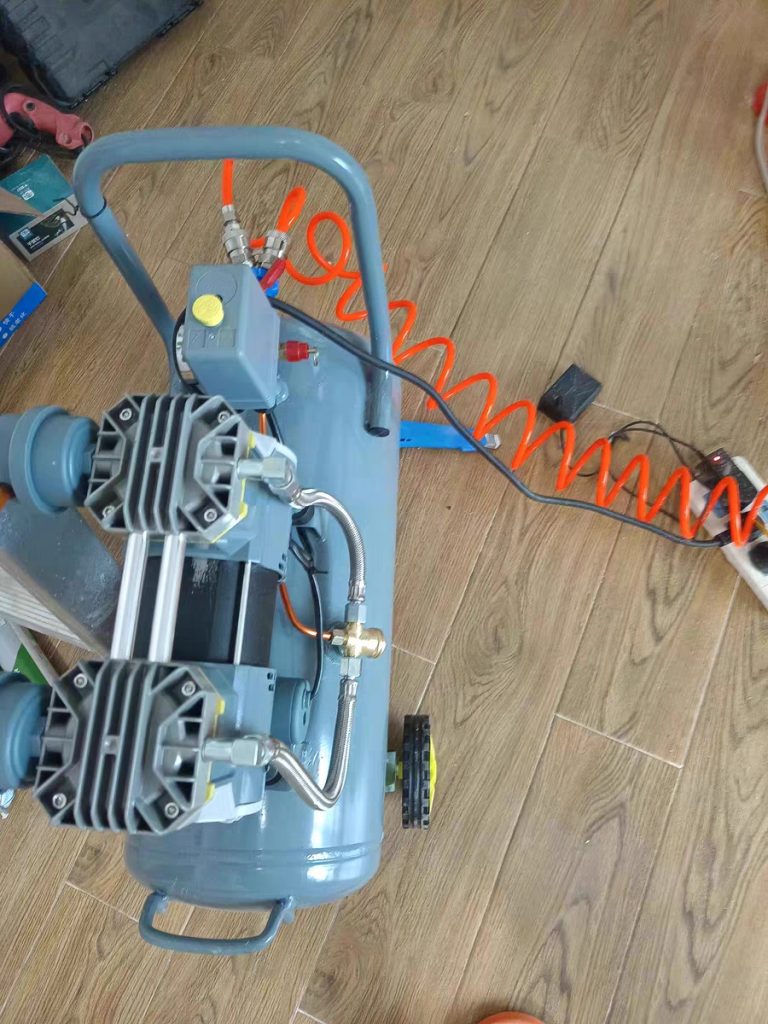
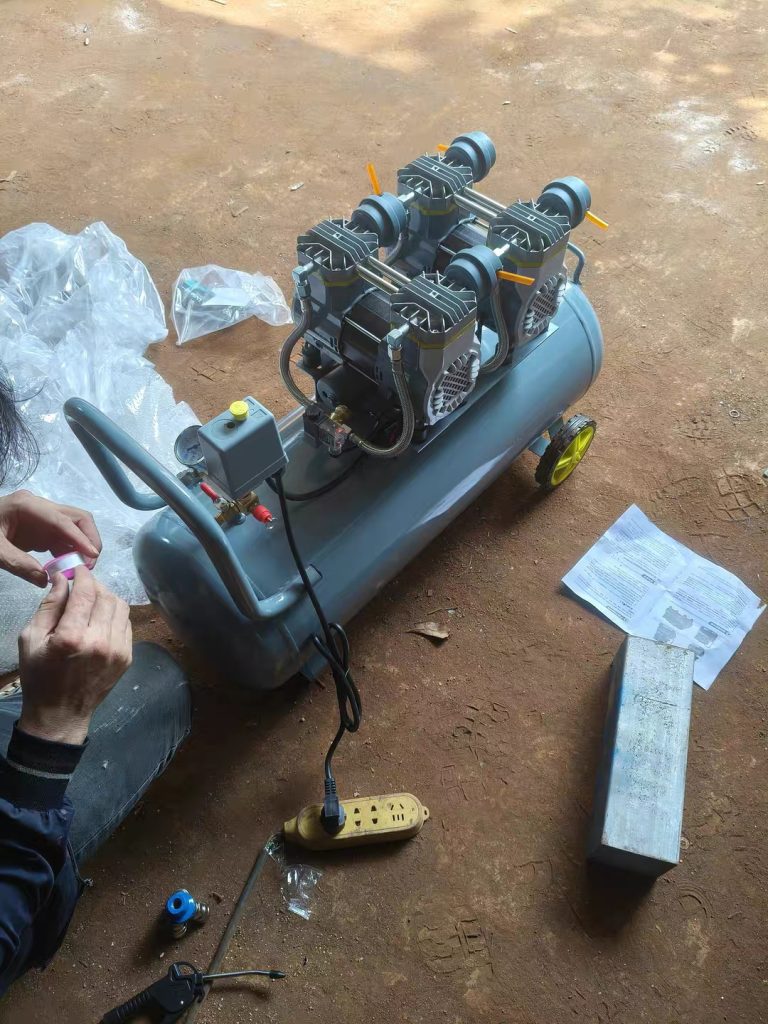
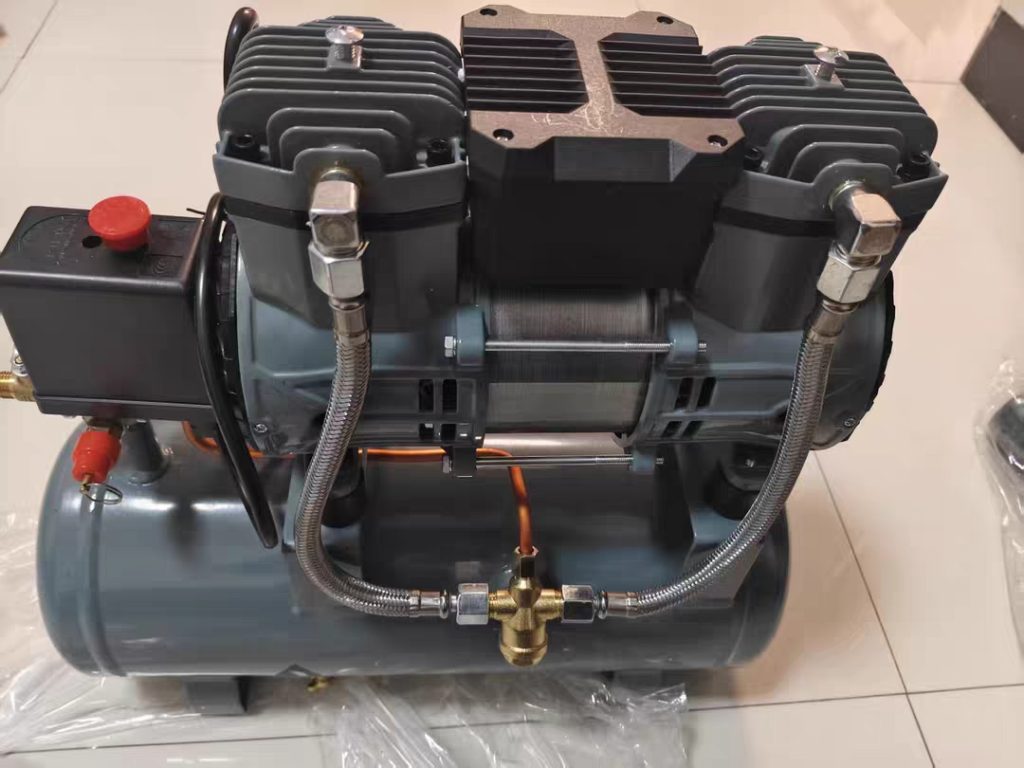
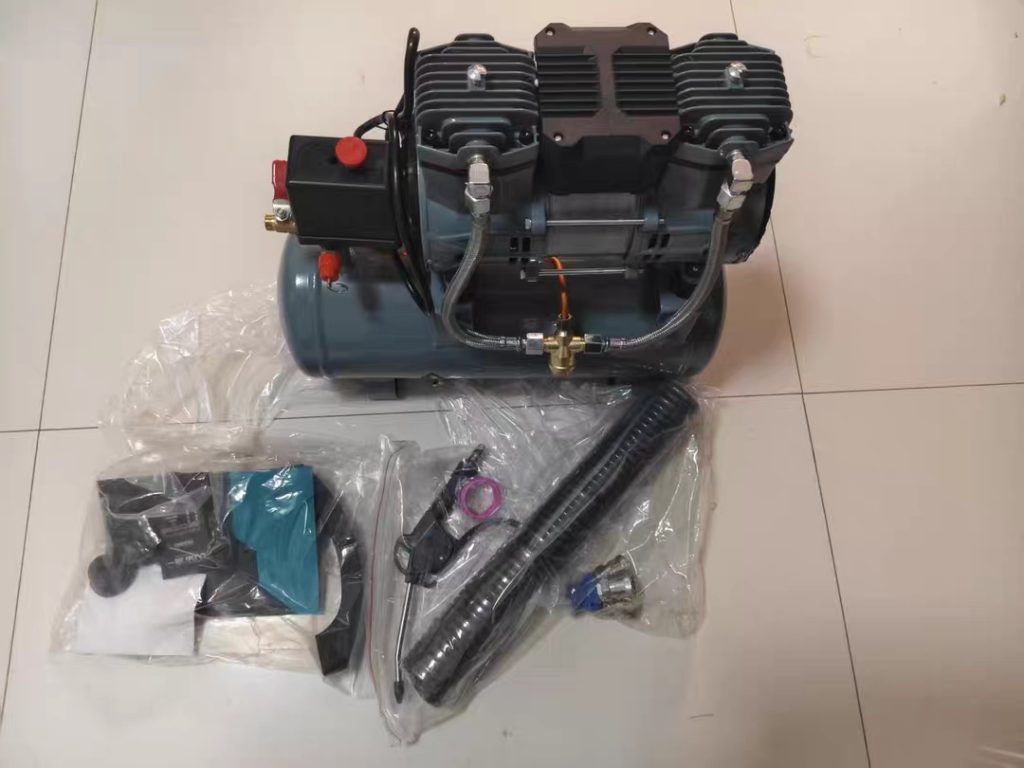
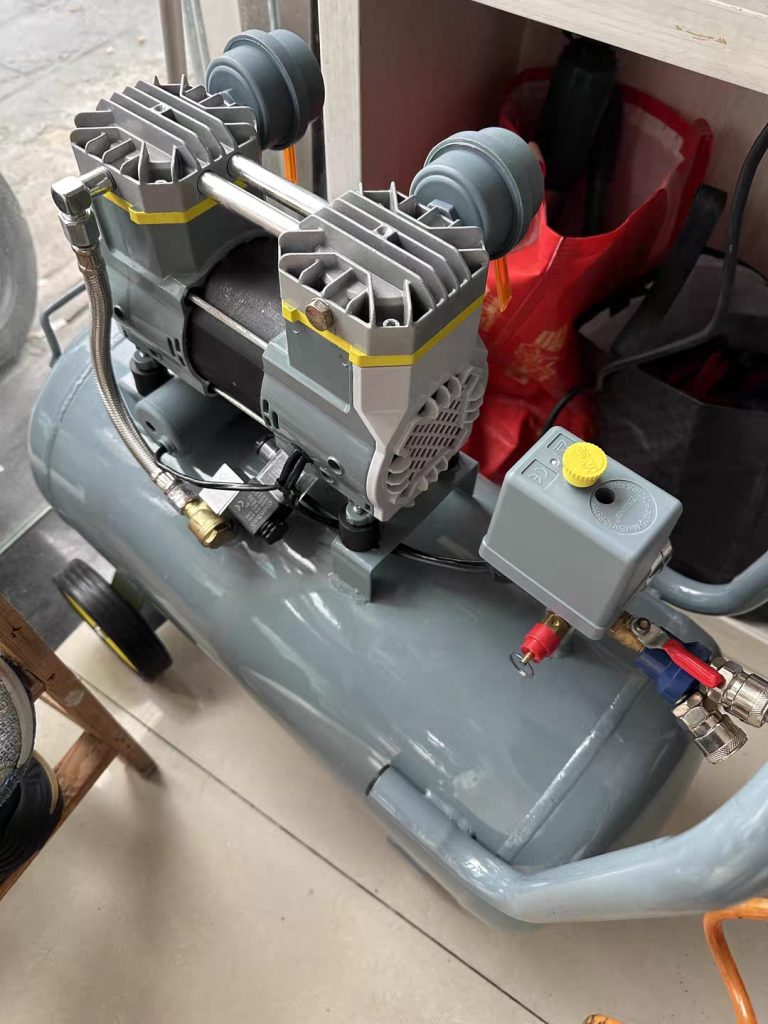
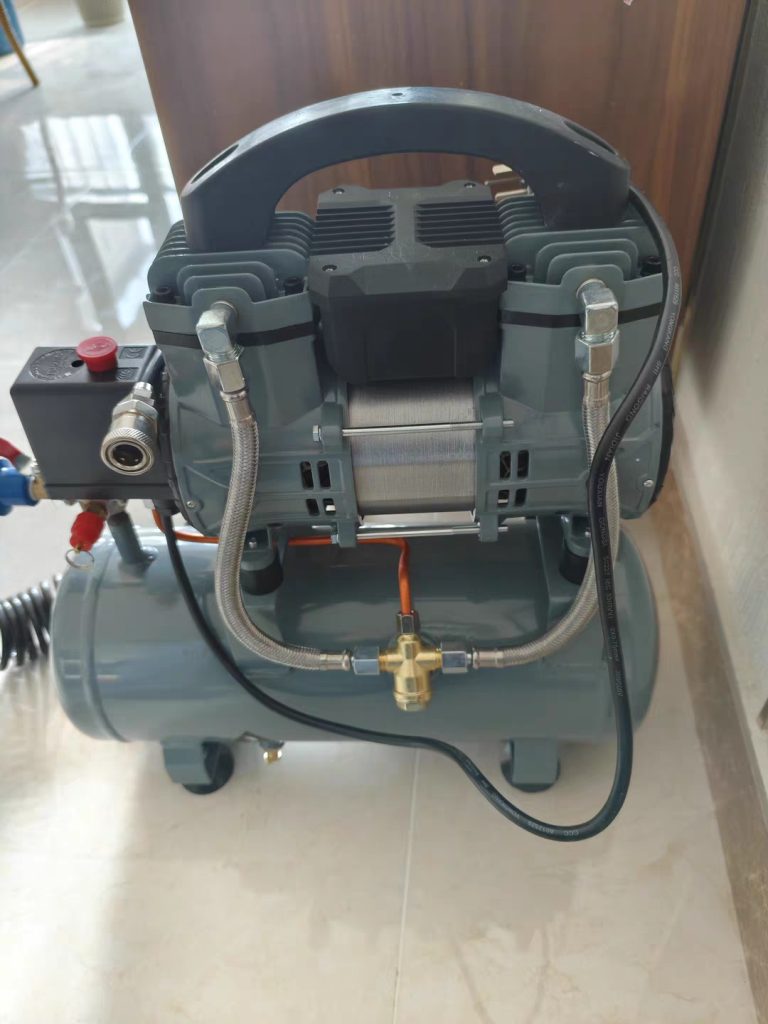
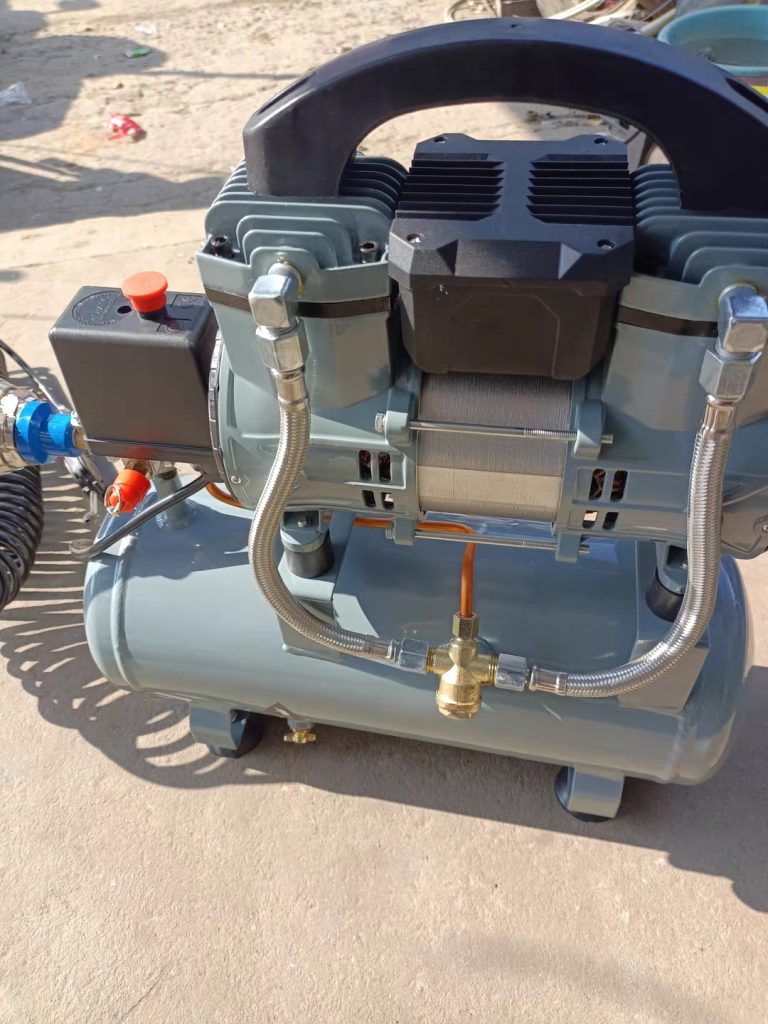
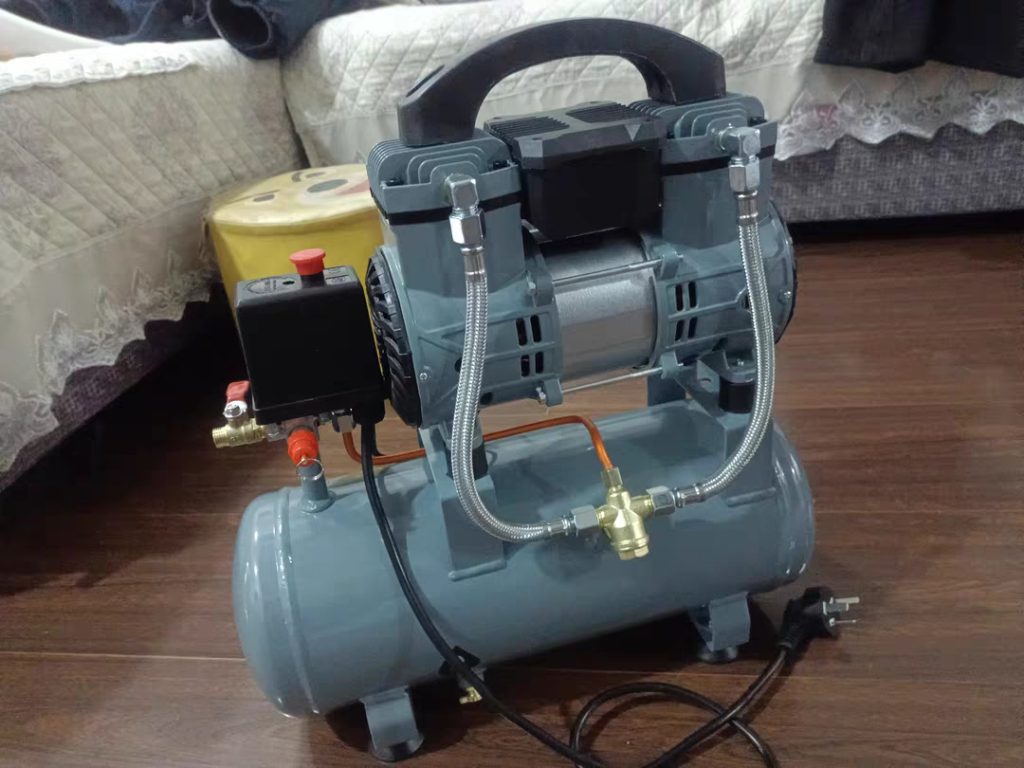
CE certified air compressors meet EU safety, health, and environmental standards, enabling seamless market access. With rigorous testing for pressure, electrical, and mechanical risks, they guarantee reliability for industrial and commercial use.
🛡️⚙️🌍 [Small icons: Shield (safety), Gear (performance), Globe (global compliance)]
The Critical Role of CE Certification in Air Compressor Adoption
In the global market for air compressors—projected to reach $43.8 billion by 2030 (Grand View Research)—CE certification has become a non-negotiable benchmark for safety, quality, and market access. For manufacturers, distributors, and end-users in the European Union (EU) and beyond, a CE marked air compressor signifies compliance with stringent EU directives, reducing legal risks, enhancing user trust, and opening doors to 27+ countries. This guide demystifies CE certification for air compressors, exploring its technical requirements, benefits, and how to select a compliant model that balances performance with regulatory adherence.
Why CE Certification Matters for Air Compressors
The CE mark (“Conformité Européenne”) is a legal declaration that a product meets EU safety, health, and environmental protection standards. For air compressors—classified as “machinery” and often “pressure equipment”—CE certification is mandatory for sale in the EU. Its importance extends beyond compliance:
1. Unlocking the EU Market
The EU is the world’s second-largest air compressor market, accounting for 25% of global demand (Statista, 2023). Without CE certification, products face border rejections, fines, or recalls. For exporters, CE marking is the “passport” to this lucrative market.
2. Ensuring User Safety
Air compressors involve high pressures (up to 600 PSI), rotating parts, and electrical components—posing risks of explosions, electrocution, or mechanical failure. CE certification mandates safeguards like pressure relief valves, emergency stops, and insulated wiring, protecting operators and bystanders.
3. Building Trust and Brand Reputation
Consumers and businesses prioritize CE marked products, associating them with reliability. A 2022 EU survey found 89% of industrial buyers prefer CE certified tools to avoid liability and downtime.
Technical Deep Dive: EU Directives Governing CE Certified Air Compressors
CE certification for air compressors involves compliance with multiple EU directives, each addressing specific risks. The key ones include:
1. Machinery Directive 2006/42/EC
Applies to all “machinery” (including air compressors) and requires:
-
Risk Assessment: Manufacturers must identify hazards (e.g., moving parts, noise, vibration) and implement mitigations (guards, warning labels).
-
Essential Health and Safety Requirements (EHSRs):
-
Stability (prevent tipping during operation).
-
Emergency Stop (accessible within 1 meter).
-
Noise Limits (<85 dB(A) for indoor use).
-
-
Technical Documentation: Includes design drawings, test reports, and user manuals (in EU languages).
2. Pressure Equipment Directive (PED) 2014/68/EU
Applies to compressors with pressure vessels (tanks) exceeding 0.5 bar (7.25 PSI). It classifies equipment by risk (Categories I–IV) and mandates:
-
Material Certification: Steel/aluminum tanks must meet EN 10204 standards (e.g., 3.1 certificates for material composition).
-
Testing: Hydrostatic testing (1.5x working pressure) and non-destructive testing (X-ray/ultrasound) for welds.
-
Marking: PED category (e.g., “Category I”) and notified body number (if applicable).
3. Low Voltage Directive (LVD) 2014/35/EU
Regulates electrical safety for compressors operating at 50–1000V AC or 75–1500V DC. Requirements include:
-
Insulation resistance (>1 MΩ).
-
Overload protection (thermal cutoffs).
-
IP Ratings (e.g., IP54 for dust/water resistance).
4. Electromagnetic Compatibility (EMC) Directive 2014/30/EU
Ensures compressors do not emit excessive electromagnetic interference (EMI) and are immune to external EMI. Testing follows EN 61000 standards (e.g., EN 61000-6-3 for residential EMI).
Benefits of Choosing a CE Certified Air Compressor
Beyond market access, CE certified compressors offer tangible performance and safety advantages:
1. Enhanced Safety Features
-
Pressure Relief Valves: Automatically vent excess pressure to prevent tank rupture.
-
Guarded Moving Parts: Enclose belts, pulleys, and rotors to avoid entanglement.
-
Thermal Overload Protection: Shuts down motors if overheating (e.g., >120°C).
Example: A CE certified 10HP rotary screw compressor includes a dual-stage pressure relief system, reducing explosion risk by 90% vs. non-compliant models.
2. Proven Reliability
CE certification requires rigorous testing:
-
Endurance Testing: 500+ hours of continuous operation to check for leaks or component failure.
-
Vibration Analysis: Ensures minimal vibration (EN 1037 standards) to prevent loosening of fittings.
-
Corrosion Resistance: Salt spray testing (EN ISO 9227) for coastal or chemical environments.
3. Global Recognition
While CE is an EU mark, it is widely accepted in other regions (e.g., Middle East, Africa, South America) as a symbol of quality. For example, Saudi Arabia’s SASO and UAE’s ESMA recognize CE certification for industrial equipment.
Applications: Where CE Certified Air Compressors Excel
CE certification ensures compliance with industry-specific needs:
1. Manufacturing & Automotive
-
Robotic Assembly: Stable air pressure (±1% deviation) for robotic arms (EN 1012-1 standard).
-
Paint Booths: Oil-free models (ISO 8573-1 Class 0) prevent contamination, meeting automotive quality standards.
2. Medical & Pharmaceutical
-
Sterile Air: CE certified oil-free compressors with HEPA filters (EN 1822) deliver clean air for ventilators or drug manufacturing.
-
Lab Equipment: Low-noise models (<70 dB(A)) comply with hospital noise regulations (EN ISO 9614).
3. Construction & Mining
-
Explosion-Proof Design: ATEX-compliant CE models (EN 1127-1) for flammable environments (e.g., coal mines).
-
Durability: Reinforced frames (EN 10025 steel) withstand impacts on job sites.
4. Food & Beverage
-
Hygienic Design: Stainless steel tanks (EN 1.4301) and easy-clean surfaces meet FDA and EU hygiene standards.
-
Temperature Control: Coolers integrated into CE compressors prevent overheating of dairy or brewery products.
How to Select a CE Certified Air Compressor
Follow these steps to ensure compliance and performance:
1. Verify the CE Mark and Documentation
-
Marking: Look for “CE” followed by a 4-digit notified body number (e.g., “CE 0123”) if the product requires third-party testing (e.g., PED Category III/IV).
-
Declaration of Conformity (DoC): A legal document listing applied directives and test results.
-
User Manual: Must include safety instructions, maintenance guidelines, and EU language translations.
2. Match Technical Specs to Your Needs
-
Flow (CFM): Calculate total tool requirements (e.g., 2 nail guns + 1 sander = 3.5 CFM) and add a 20% buffer.
-
Pressure (PSI): Most tools use 90–120 PSI; avoid overbuying (e.g., 150 PSI for 100 PSI tasks).
-
Efficiency: Prioritize IE3/IE4 motors (EN 60034-30) to cut energy use by 15–20%.
3. Evaluate Supplier Credibility
-
Manufacturer Experience: Choose factories with 10+ years of CE certified production.
-
After-Sales Support: Ensure access to spare parts (e.g., seals, filters) and service centers in the EU.
-
Warranty: Opt for 3–5 year coverage for major components (motor, air end).
Compliance and Maintenance: Sustaining CE Certification
CE certification is not a one-time achievement—it requires ongoing compliance:
1. Regular Inspections
-
Annual Safety Checks: Test pressure relief valves, electrical insulation, and emergency stops (per EN 1012-2).
-
Leak Detection: Use ultrasonic detectors to find air leaks (target <5% of total flow).
2. Record-Keeping
Maintain logs of:
-
Maintenance activities (e.g., oil changes, filter replacements).
-
Calibration of pressure gauges and sensors.
-
Incident reports (e.g., near-misses, repairs).
3. Software Updates
For smart CE compressors (IoT-enabled), install firmware updates to patch security vulnerabilities and improve efficiency.
Case Study: European Distributor’s CE Certification Success
Client Profile: A French industrial equipment distributor expanding into Germany and Italy.
Challenge: Non-CE certified compressors faced rejection at EU borders, and customers demanded proof of safety compliance.
Solution:
-
Sourced CE certified 20HP rotary screw compressors (PED Category II, CE 0045 notified body).
-
Provided DoC, test reports, and multilingual manuals.
-
Partnered with a German service center for after-sales support.
Results (12 Months):
-
⬆️ EU market share grew by 25% (CE mark enabled entry into 3 new countries).
-
⬇️ Return rate dropped from 8% to 1% (compliance reduced defects).
-
⬆️ Customer trust scores rose 30% (CE certification cited as a key factor).
Global Compliance: CE vs. Other Standards
While CE is EU-specific, it aligns with global norms:
| Region | Equivalent Standard | Key Similarities |
|---|---|---|
| US | UL, ASME BPVC | Pressure safety, electrical testing |
| China | CCC, GB/T 3853 | Machinery safety, EMC |
| India | BIS, IS 10617 | Quality, performance, safety |
| Australia | RCM, AS 1210 | Electromagnetic, structural |
Conclusion: CE Certification—A Gateway to Safe, Global Air Power
For air compressor buyers, CE certification is more than a legal requirement—it’s a commitment to safety, quality, and market access. By complying with EU directives, these compressors deliver reliable performance, protect users, and open doors to global opportunities. Whether you’re a manufacturer, distributor, or end-user, prioritizing CE certification ensures you invest in equipment that meets the highest standards of excellence.
⭐ User Reviews
Klaus M. 🇩🇪
Distributor, Munich Industrial Supply
⭐⭐⭐⭐⭐
“CE certified 20HP compressors passed German TÜV inspection on first try. PED Category II marking gave our clients confidence. Sales in Italy doubled thanks to the CE passport. Best decision for EU expansion!”
Sophie L. 🇫🇷
Pharmaceutical Engineer, Paris Lab
⭐⭐⭐⭐⭐
“Oil-free CE model with HEPA filter meets ISO 8573-1 Class 0 for sterile air. EN 1822 testing report passed FDA audit. Quiet operation (68dB) complies with lab noise rules. Reliable and safe!”
Marco R. 🇮🇹
Construction Manager, Rome
⭐⭐⭐⭐☆
“ATEX-compliant CE compressor survived 6 months in a coal mine. Explosion-proof design (EN 1127-1) prevented accidents. Only wish the hose was 30ft longer, but safety comes first!”
Aisha K. 🇬🇧
Food Producer, London
⭐⭐⭐⭐⭐
“Stainless steel CE compressor (EN 1.4301) meets FDA hygiene standards. Easy to clean, no rust. Energy-efficient IE3 motor cut bills by 18%. CE mark made it easy to pass local council inspections.”
Hans T. 🇳🇴
Marine Engineer, Oslo
⭐⭐⭐⭐⭐
“CE certified 10HP model with IP67 rating (EN 60529) works on our fishing boat. Salt spray tested (EN ISO 9227) survived 2 years at sea. No corrosion, no downtime. Perfect for marine use!”


No reply content