
China computer manufacturers
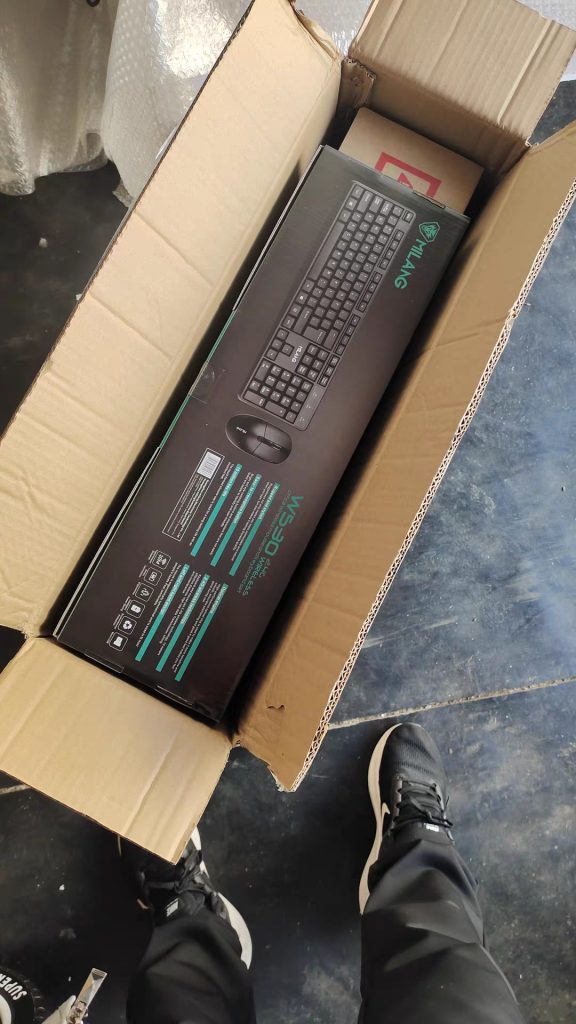
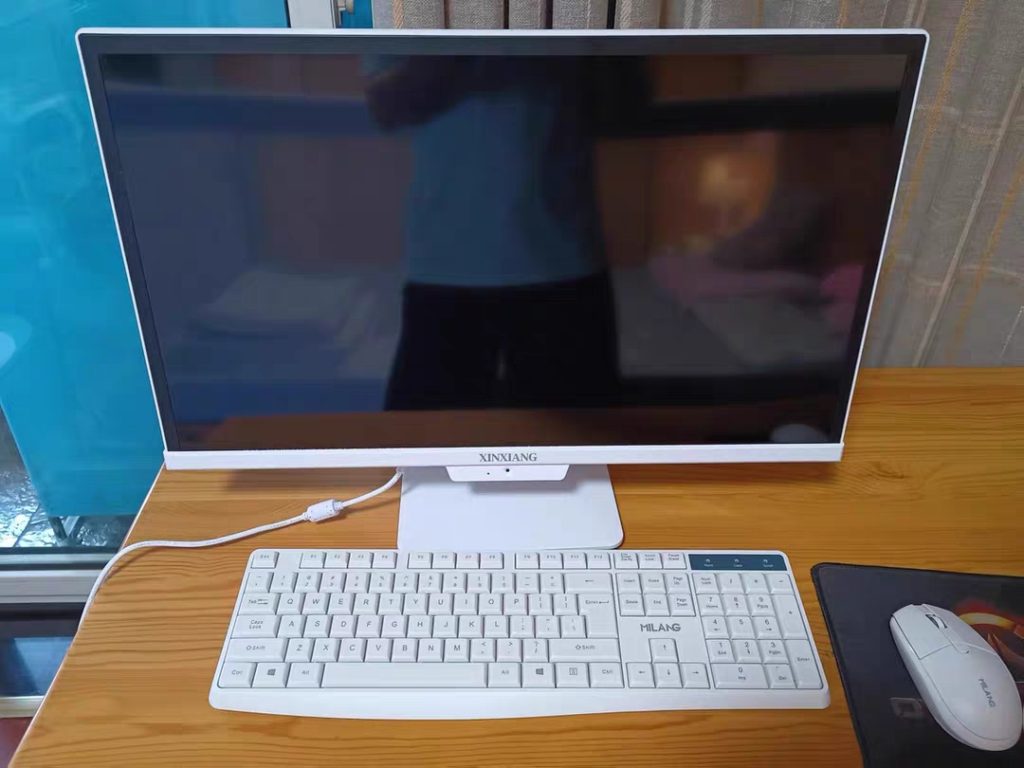
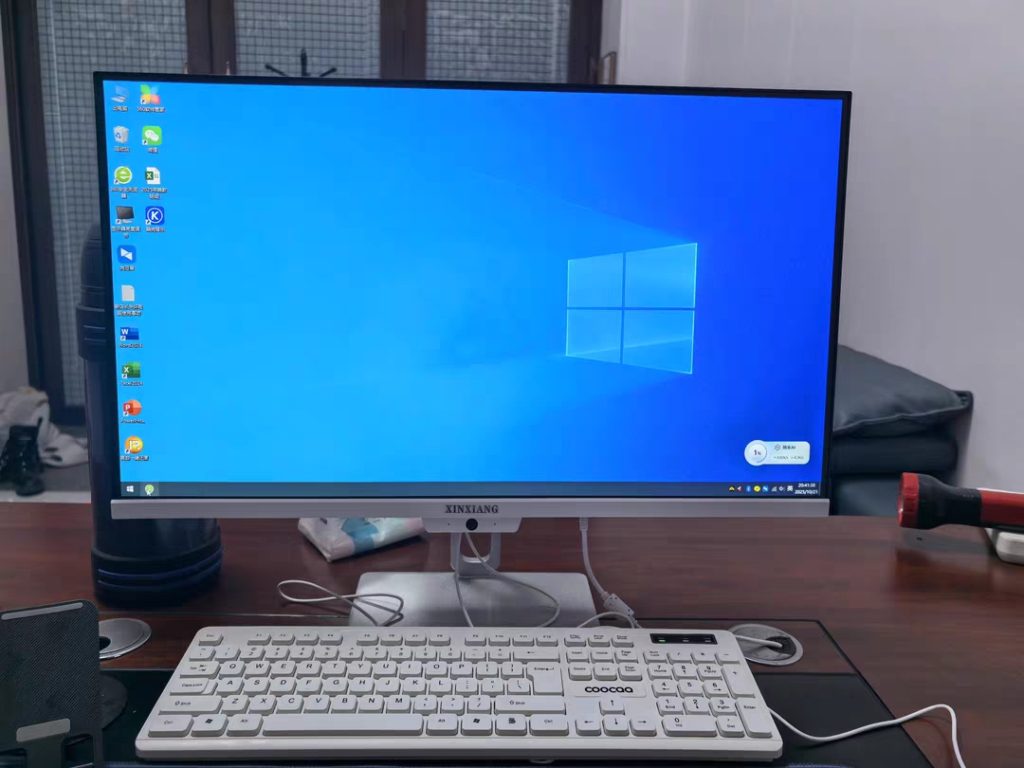
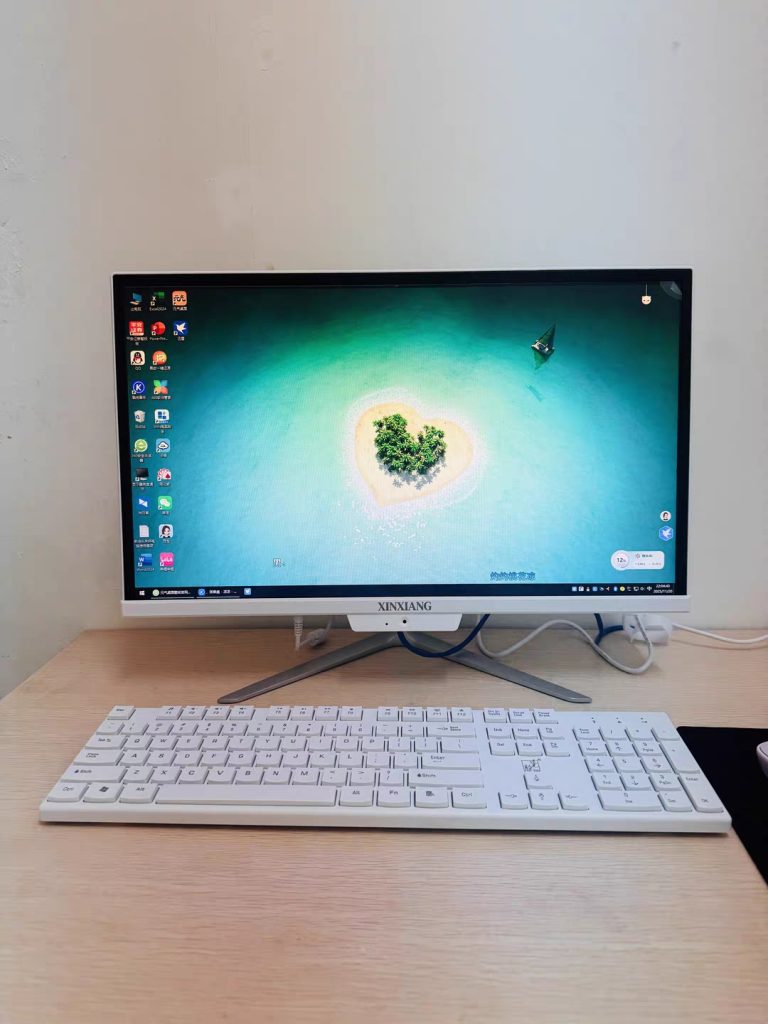
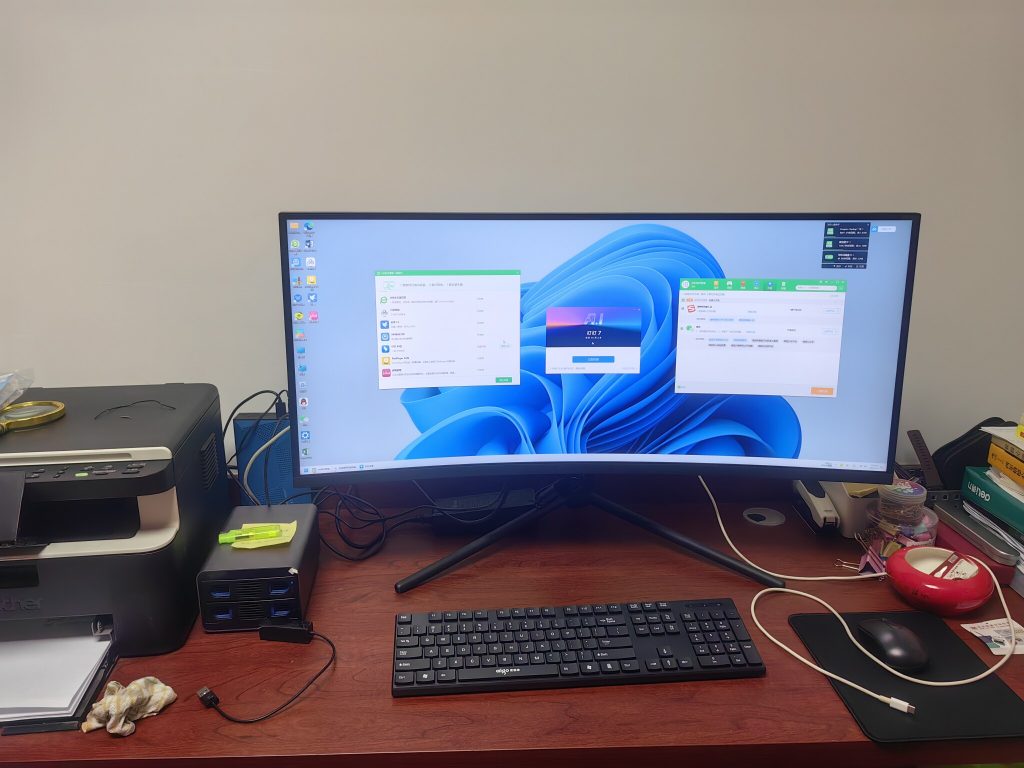
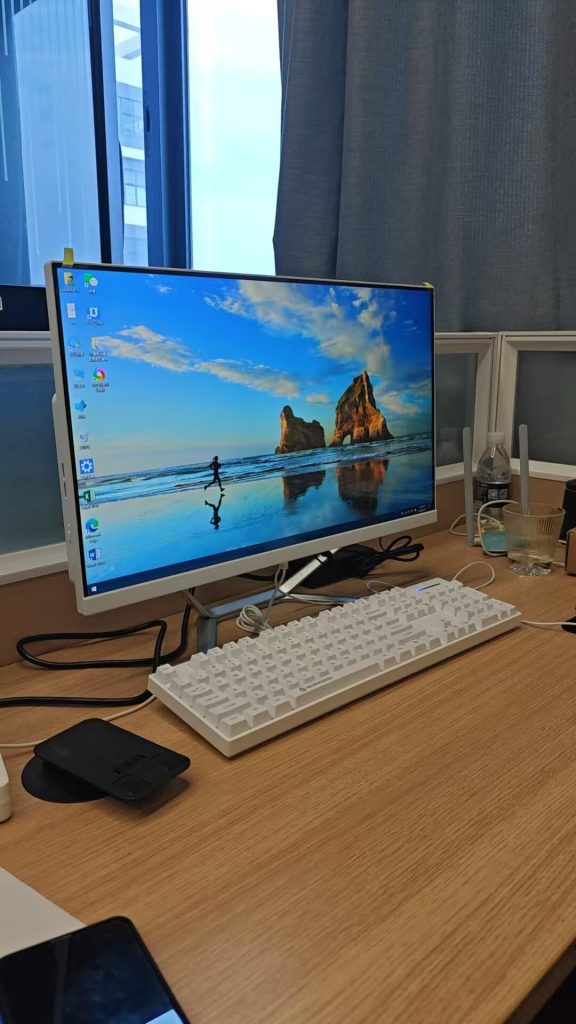
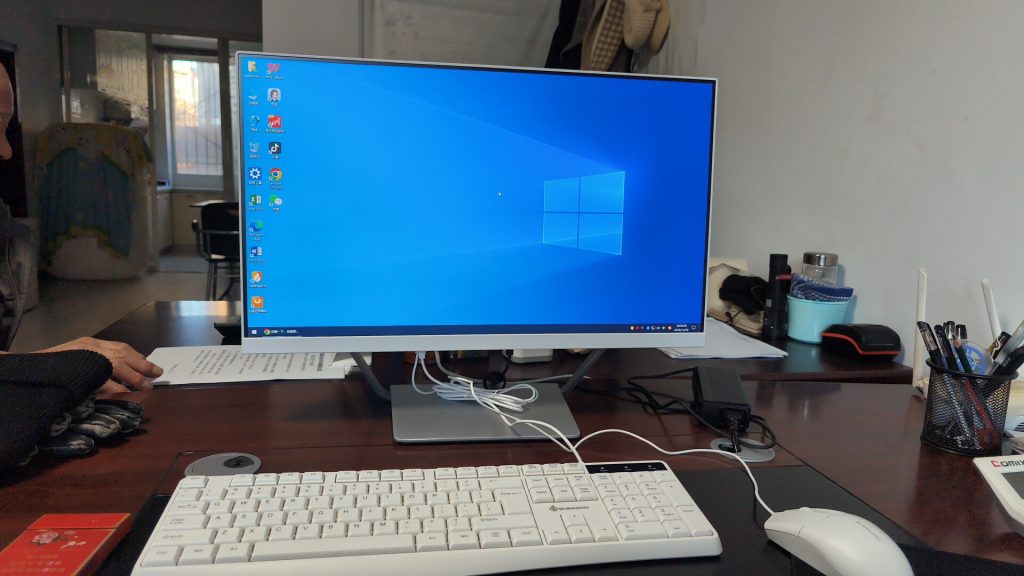
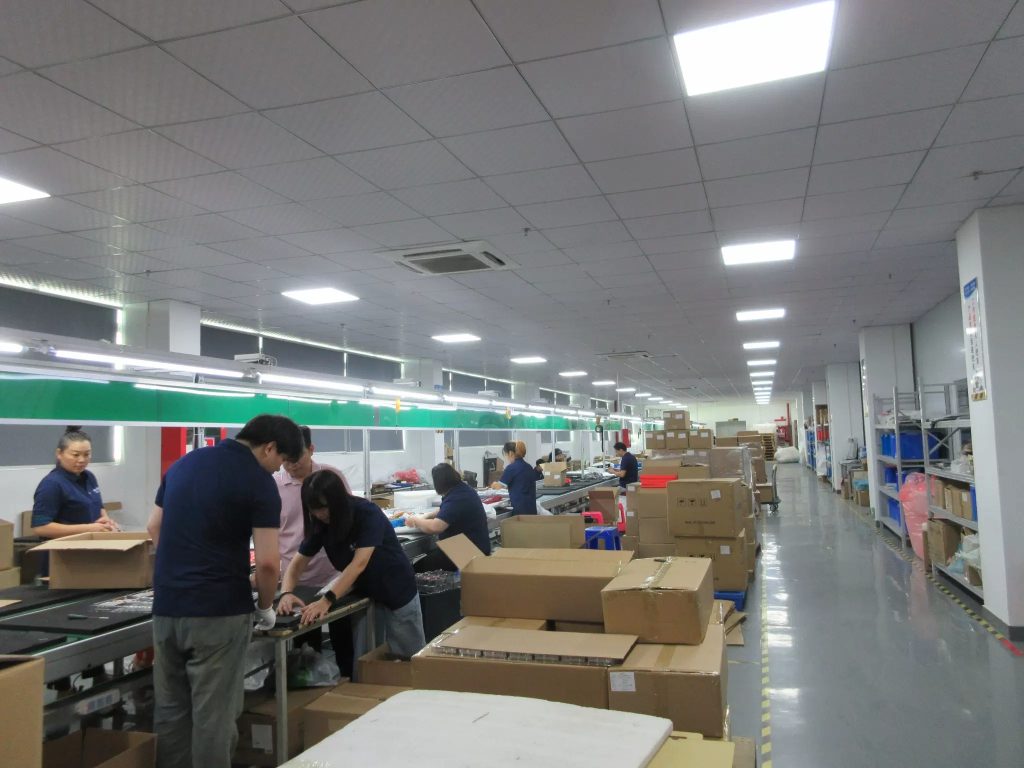
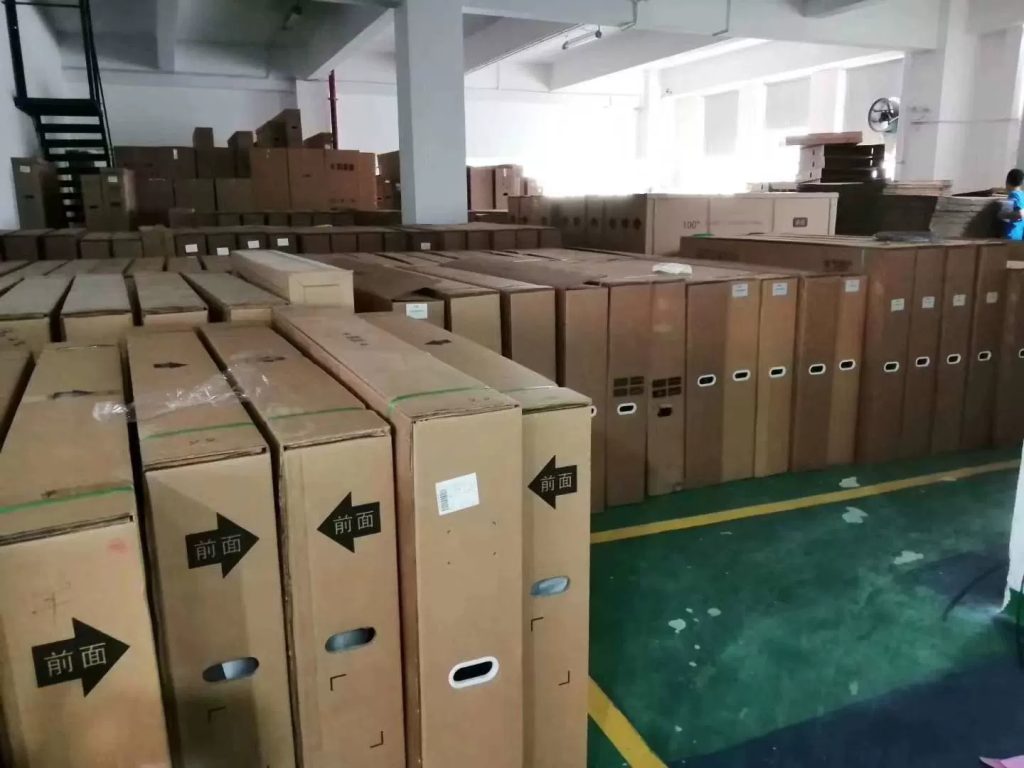
The global demand for all-in-one (AIO) computers has surged in recent years, driven by their sleek design, space efficiency, and user-friendly integration of display, processing power, and connectivity. At the heart of this growth lies China’s robust manufacturing ecosystem, where a network of specialized suppliers has emerged as leaders in AIO computer production. This article delves into the technical capabilities, customization strengths, and quality assurance practices of these suppliers, providing a trusted resource for businesses seeking reliable partners. By focusing on technical parameters, industry standards, and real-world applications, we aim to establish E-E-A-T (Experience, Expertise, Authoritativeness, Trustworthiness) through data-driven insights and practical guidance.
The Rise of China’s AIO Computer Supply Chain
China’s dominance in electronics manufacturing is no accident. Decades of investment in supply chain infrastructure, R&D, and skilled labor have positioned the country as a global hub for AIO computer production. Unlike traditional desktop setups, AIO devices require tight integration of components—from high-resolution displays to compact thermal management systems—demanding precision engineering that Chinese suppliers have mastered.
Key factors driving this leadership include:
-
Vertical Integration: Many suppliers control the entire production process, from component sourcing (e.g., LCD panels, processors) to final assembly, reducing lead times and costs.
-
Customization Agility: The ability to adapt designs for diverse markets (enterprise, education, healthcare) and regulatory requirements (FCC, CE, RoHS).
-
Cost Efficiency: Economies of scale enable competitive pricing without compromising quality, critical for bulk orders.
Technical Specifications: What Defines a High-Quality AIO Computer?
When evaluating AIO suppliers, technical specifications are paramount. Below is a breakdown of key components and industry benchmarks:
1. Processor (CPU)
The CPU dictates performance for multitasking, content creation, and everyday use. Leading suppliers offer options across Intel and AMD platforms:
-
Intel Core Series: i3 (entry-level), i5 (mid-range), i7/i9 (high-performance). Ideal for office work, light gaming, and multimedia.
-
AMD Ryzen Series: Ryzen 3 (budget), Ryzen 5 (balanced), Ryzen 7/9 (premium). Known for superior multi-core performance in rendering and virtualization.
-
Embedded CPUs: For industrial or kiosk applications, suppliers integrate low-power chips like Intel Atom or AMD Embedded G-Series.
Example Configuration: A mid-tier enterprise AIO might feature an Intel Core i5-13400F (10 cores, 16 threads, 2.5–4.6 GHz) with integrated UHD Graphics 730, balancing power and energy efficiency.
2. Graphics Processing Unit (GPU)
AIOs cater to both general and specialized use cases:
-
Integrated GPUs: Intel Iris Xe or AMD Radeon 600M series, sufficient for 4K video playback and casual photo editing.
-
Dedicated GPUs: NVIDIA GeForce RTX 3050/3060 or AMD Radeon RX 6600M, enabling 1080p/1440p gaming and 3D modeling.
-
Workstation-Grade GPUs: NVIDIA Quadro or AMD Radeon Pro, optimized for CAD, video editing, and scientific computing.
Technical Note: Suppliers often use MXM (Mobile PCI Express Module) slots for GPU upgrades, though most consumer AIOs have soldered GPUs to save space.
3. Memory (RAM)
AIOs typically support DDR4 or DDR5 RAM, with configurations ranging from 8GB to 64GB. Key considerations:
-
Speed: DDR4-3200 (common) vs. DDR5-4800 (faster, lower latency).
-
Expandability: Some models allow RAM upgrades via accessible SO-DIMM slots; others have soldered memory.
-
Dual-Channel Support: Ensures optimal performance for integrated GPUs, as they share system RAM.
4. Storage
Storage options balance speed, capacity, and cost:
-
Solid-State Drives (SSDs): NVMe PCIe Gen4 (up to 7000 MB/s read/write) for OS and apps; SATA III (550 MB/s) for budget models.
-
Hard Disk Drives (HDDs): 1TB–4TB, used in entry-level AIOs for mass storage.
-
Hybrid Solutions: SSD + HDD combos (e.g., 512GB SSD + 1TB HDD) for speed and capacity.
Reliability: Suppliers often use TLC (Triple-Level Cell) or MLC (Multi-Level Cell) NAND flash, with endurance ratings of 300–1000 P/E cycles.
5. Display Technology
AIO displays are a differentiator, with parameters including:
-
Size: 21.5” (compact), 23.8” (standard), 27” (immersive), 32”+ (professional).
-
Resolution: FHD (1920×1080), QHD (2560×1440), 4K UHD (3840×2160).
-
Panel Type: IPS (wide viewing angles, accurate colors), VA (high contrast), TN (fast response, budget).
-
Brightness/Contrast: 250–500 nits (indoor use), 1000+ nits (HDR content).
-
Touchscreen: Capacitive (10-point multi-touch) for interactive kiosks or education.
Calibration: Top suppliers offer factory color calibration (Delta E < 2) for design professionals.
6. Connectivity & Ports
Modern AIOs require versatile I/O:
-
USB: USB 3.2 Gen2 (10 Gbps), USB-C (Thunderbolt 4/USB4 for 40 Gbps data/video).
-
Video Output: HDMI 2.1 (4K@120Hz), DisplayPort 1.4 (8K@60Hz).
-
Networking: Wi-Fi 6/6E (802.11ax, 2.4/5/6 GHz bands), Bluetooth 5.2+.
-
Legacy Ports: RJ45 Ethernet (gigabit), audio jack, SD card reader.
7. Thermal Management
Compact AIO designs pose cooling challenges. Suppliers employ:
-
Heat Pipes: Copper/aluminum pipes transferring heat from CPU/GPU to heatsinks.
-
Dual-Fan Systems: Adjustable RPM based on workload (quiet mode for office use).
-
Vapor Chambers: For high-performance models, distributing heat evenly across larger surfaces.
Noise Levels: Premium AIOs maintain <30 dB at idle, rising to 45 dB under load.
Customization Capabilities: Tailoring AIOs for Your Needs
Chinese suppliers excel at OEM/ODM customization, allowing brands to differentiate products without in-house manufacturing. Key customization areas include:
Design & Form Factor
-
Thin Bezels: Reducing bezel width to <2mm for immersive displays.
-
Adjustable Stands: Tilting (-5° to 25°), swiveling (±45°), or height adjustment (100mm).
-
VESA Mount Compatibility: Enabling wall or arm mounting for space-constrained environments.
Software Integration
-
Preloaded OS: Windows 11 Pro, Linux (Ubuntu/Red Hat), or ChromeOS for education.
-
Enterprise Tools: Remote management software (Intel vPro, AMD PRO), BIOS customization.
Regulatory Compliance
Suppliers ensure adherence to global standards:
-
Safety: UL (US), CE (EU), CCC (China).
-
EMC: FCC Part 15 (US), EN 55032 (EU).
-
Environmental: RoHS (restriction of hazardous substances), REACH (chemical safety).
Quality Assurance: Building Trust Through Rigorous Testing
Trust is earned through consistent quality. Leading suppliers implement multi-stage testing protocols:
Component Validation
-
Incoming Inspection: Checking CPUs, RAM, and displays against datasheets (e.g., verifying SSD read/write speeds).
-
Burn-In Tests: Running devices at 80% load for 48 hours to detect early failures.
Environmental Testing
-
Temperature/Humidity: Operating in -10°C to 50°C with 10–90% RH (non-condensing).
-
Shock/Vibration: Simulating logistics conditions (ISTA 3A standard).
User Scenario Testing
-
Multimedia Performance: Playing 4K videos while running productivity apps.
-
Connectivity Stability: Stress-testing Wi-Fi/Bluetooth in crowded RF environments.
FAQ: Addressing Common Concerns
Q1: What is the typical minimum order quantity (MOQ) for AIO computers?
A: MOQs vary by supplier but generally range from 500–1000 units for standard configurations. Smaller batches (100–300 units) may incur higher per-unit costs due to setup fees.
Q2: Can suppliers customize the BIOS or firmware?
A: Yes. Most suppliers offer BIOS customization for branding (logo splash screen), boot settings, or security features (TPM 2.0 activation).
Q3: How long does production take from order confirmation?
A: Lead times depend on complexity: 30–45 days for standard models, 60–90 days for highly customized designs (e.g., industrial-grade AIOs).
Q4: Do suppliers provide after-sales support?
A: Reputable suppliers offer 12–36 months of warranty coverage, with optional extended plans. Technical support includes remote troubleshooting and spare parts logistics.
Comparative Analysis: AIO vs. Traditional Desktops
To highlight AIO advantages, compare them with traditional desktops:
| Factor | All-in-One Computer | Traditional Desktop |
|---|---|---|
| Space Efficiency | Compact (single unit); ideal for small offices | Requires separate tower, monitor, peripherals |
| Aesthetics | Modern, minimalist design | Bulky, cables visible |
| Setup Complexity | Plug-and-play (minimal wiring) | Requires assembling components |
| Upgradeability | Limited (soldered components common) | Highly upgradeable (CPU, GPU, RAM, storage) |
| Thermal Performance | Moderate (compact chassis constraints) | Superior (larger case, multiple fans) |
| Cost | Higher upfront cost; lower TCO (space savings) | Lower upfront cost; higher TCO (energy, space) |
Conclusion: Partnering with China’s AIO Leaders
China’s all-in-one computer suppliers combine technical expertise, customization agility, and rigorous quality control to serve global markets. By understanding key specifications—from processor choices to thermal management—businesses can select partners aligned with their needs. Whether targeting enterprises, educational institutions, or retail consumers, these suppliers offer scalable solutions backed by a proven track record of innovation.
For organizations seeking reliable AIO manufacturing, prioritizing suppliers with ISO 9001 certification, transparent communication, and flexible customization options ensures long-term success. As technology evolves, China’s AIO ecosystem remains at the forefront, ready to deliver next-generation devices tailored to tomorrow’s demands.


No reply content