
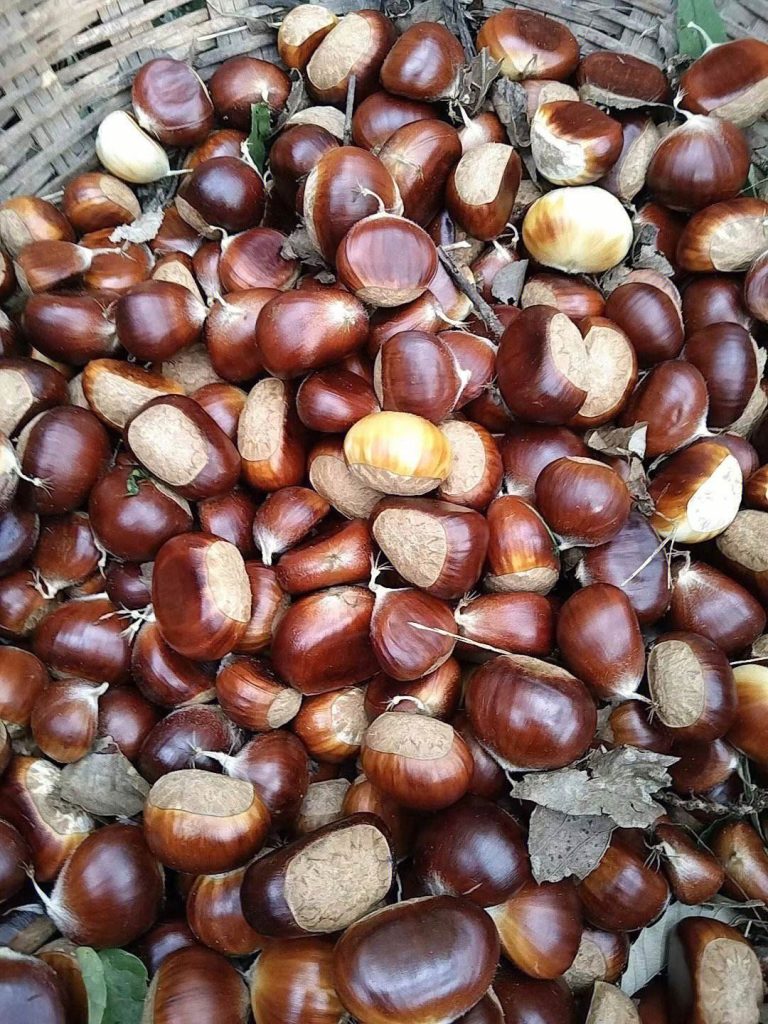
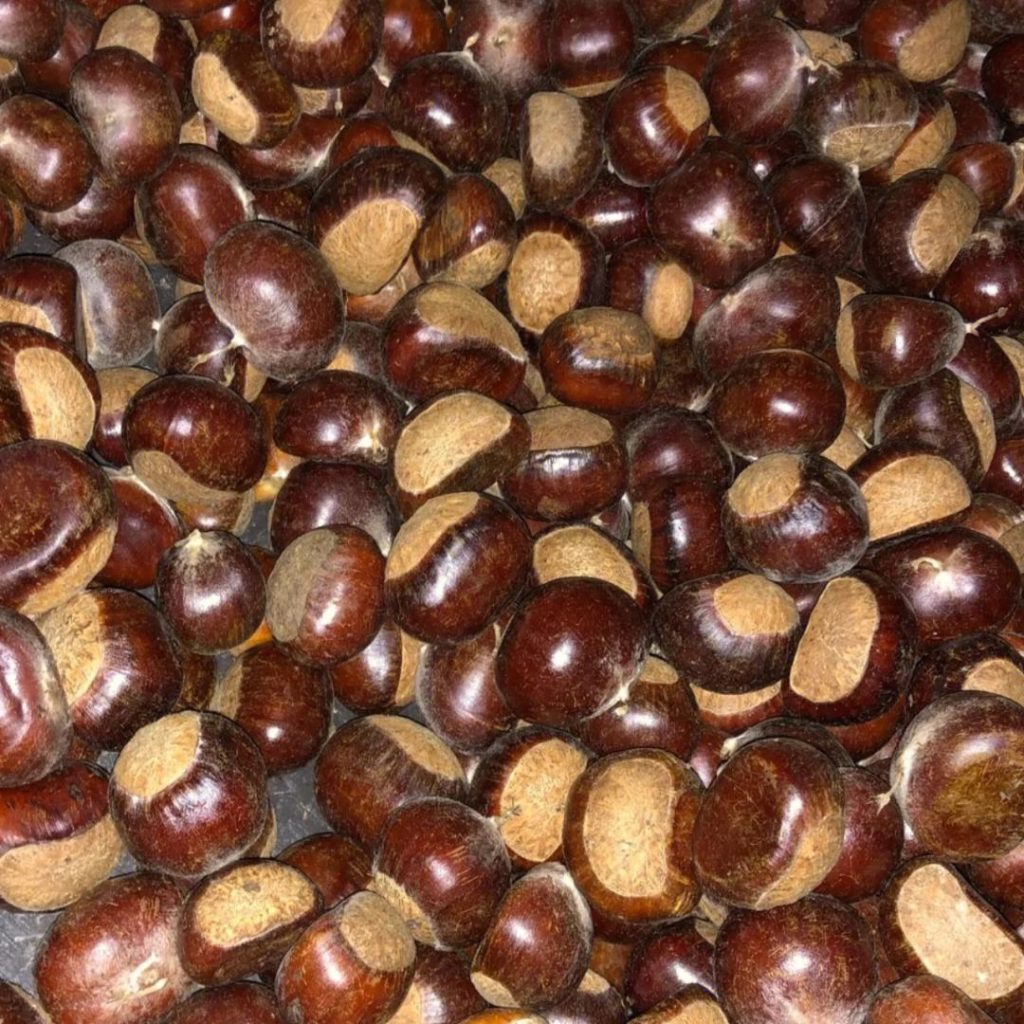
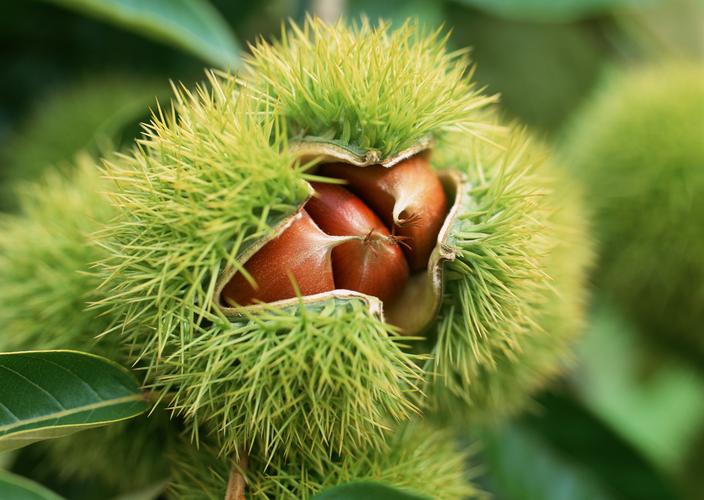
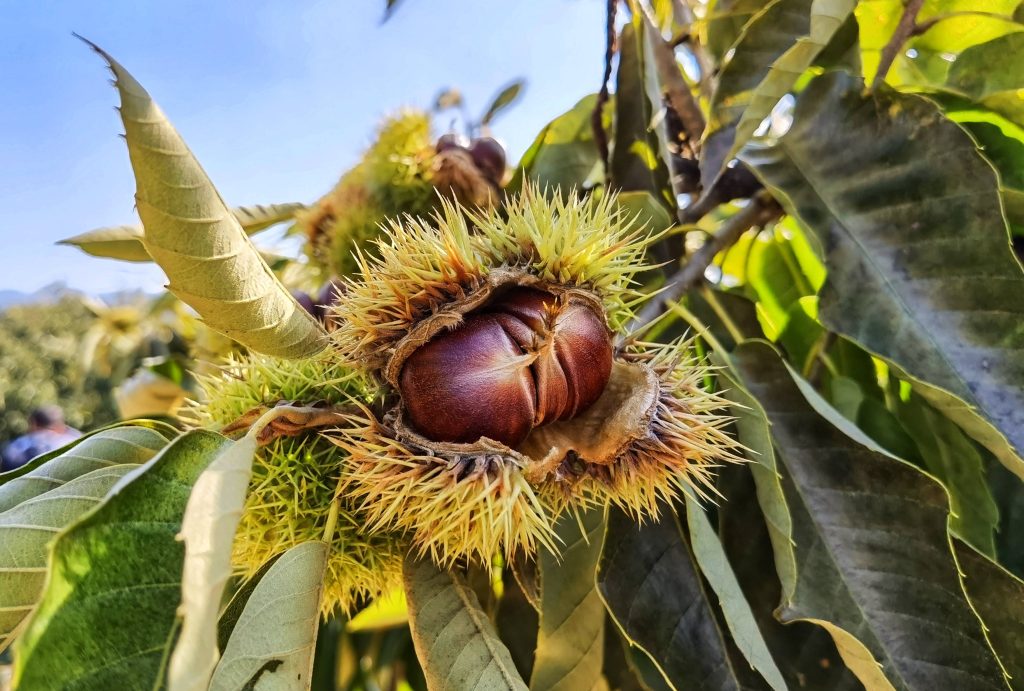
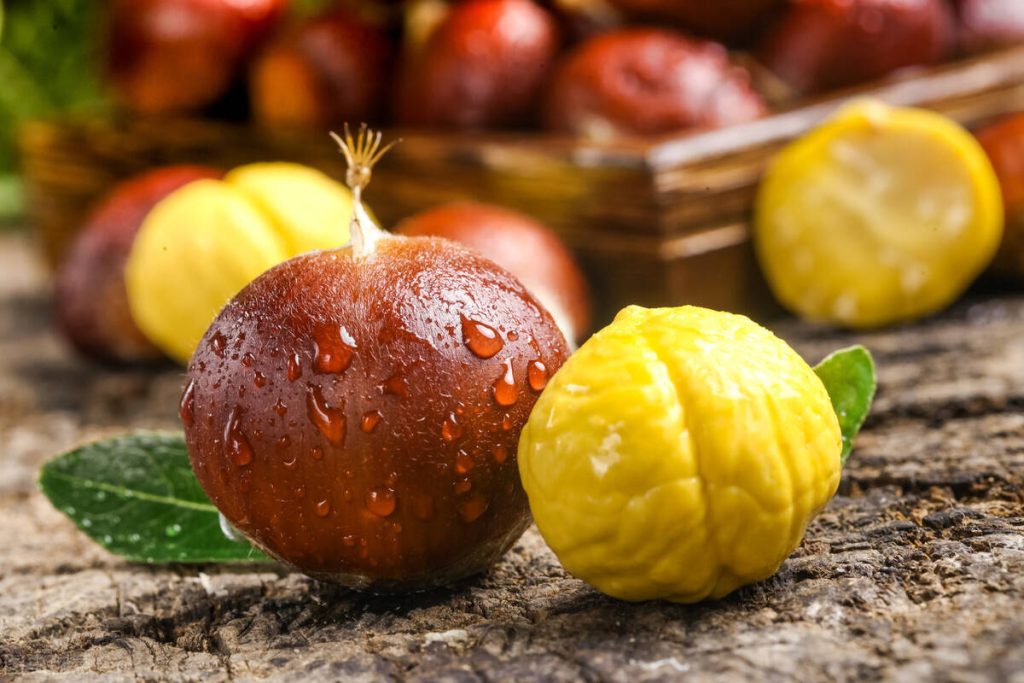
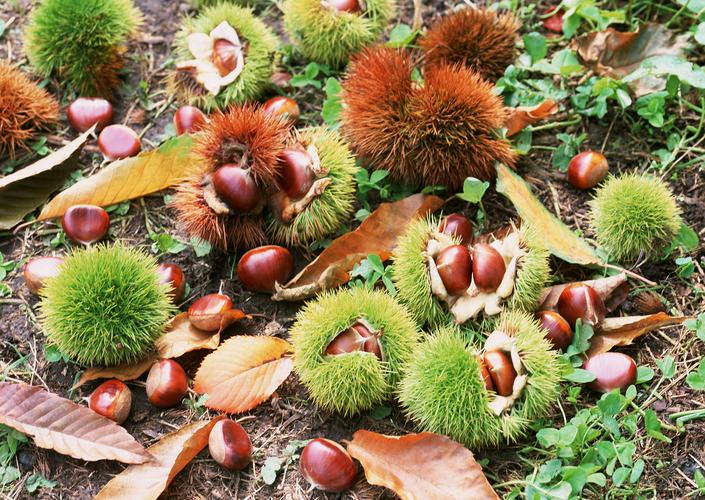
China is the world’s leading producer and exporter of chestnuts, offering a wide range of products including fresh, roasted, frozen, peeled, and value-added chestnuts. As a professional China chestnut supplier, we provide consistent quality, competitive pricing, and reliable logistics to international buyers. This guide introduces our products, quality control, packaging options, shipping process, and how to partner with a trusted supplier for long-term success.
1. Why Source Chestnuts from China?
China has a long history of chestnut cultivation and is responsible for over 80% of global production. The country benefits from favorable climates, fertile soil, and centuries of farming expertise. Chinese suppliers provide:
- Stable and large-scale production
- Competitive pricing
- Wide variety of chestnut products
- Custom packaging and private labeling options
- Mature export infrastructure
Importing from China allows international buyers to balance quality, cost, and reliability, making it an ideal choice for wholesalers, retailers, and food processors.
2. Main Chestnut-Producing Regions
| Region | Key Features |
|---|---|
| Hebei | Large-scale farms, export-oriented, consistent quality |
| Shandong | Sweet varieties, suitable for roasting and snacks |
| Liaoning | Cold-resistant varieties, firm texture, long shelf life |
| Anhui | Traditional cultivation, rich flavor |
| Hunan | Organic and mountain-grown chestnuts, high-end markets |
Different regions produce chestnuts with varying sweetness, size, and texture. Choosing the right region helps match product characteristics to your market.
3. Types of Chestnut Products
3.1 Fresh Chestnuts
- Naturally sweet and firm
- Seasonal: September–December
- Require cold storage
- Popular in retail and food service
3.2 Roasted Chestnuts
- Ready-to-eat snack
- Soft, sweet flavor
- Vacuum-packed for longer shelf life
- Suitable for supermarkets and convenience stores
3.3 Peeled Chestnuts
- Labor-saving and ready for cooking
- Uniform size
- Ideal for restaurants and food factories
3.4 Frozen Chestnuts
- Long shelf life
- Suitable for international shipping
- Used in processed foods and desserts
3.5 Value-Added Products
- Chestnut puree and paste
- Chestnut flour
- Candied chestnuts and snacks
4. Harvest Season
| Region | Harvest Time |
|---|---|
| Northern China | September – October |
| Central China | August – September |
| Southern China | July – August |
Peak export season: September–December. Knowing the harvest season helps plan orders and manage inventory.
5. Quality Standards
Quality is critical for international markets. Buyers should check:
Physical Quality
- Uniform size
- Smooth, clean shells
- Firm texture, thick kernel
- No cracks, black spots, or defects
Taste and Sweetness
- Naturally sweet
- Tender after cooking
Moisture and Safety
- Moisture content controlled to prevent mold
- Pesticide residues and heavy metals tested
- Microbiological safety ensured
Certifications
- Phytosanitary Certificate
- Certificate of Origin
- Health Certificate
- COA (Certificate of Analysis)
- Organic Certification if required
6. Packaging Options
Retail Packaging
- Net bags: 250g, 500g, 1kg
- Vacuum-sealed pouches
- Stand-up zipper bags
- Custom printed boxes
Bulk Packaging
- 5kg / 10kg / 20kg export cartons
- PE inner bags for moisture protection
- Palletized cartons for sea freight
OEM & Private Label
- Custom logo printing
- Multilingual labels
- Nutrition facts and barcodes
- Custom cartons and designs
7. Export Markets
Our chestnuts are shipped globally to:
- United States – peeled and processed chestnuts
- European Union – organic and vacuum-packed
- Japan – premium quality and frozen chestnuts
- Middle East – roasted and ready-to-eat
- Southeast Asia – fresh and roasted varieties
- Australia & New Zealand – retail and wholesale
Understanding market requirements ensures compliance with regulations, food safety, and consumer expectations.
8. Export Process
- Supplier Selection – Verify production capacity and export experience
- Sample Request – Evaluate size, taste, and packaging
- Confirm Specifications – Grade, size, moisture, and sweetness
- Negotiate Terms – Price, MOQ, payment, delivery
- Production & Sorting – Harvesting, grading, and processing
- Quality Inspection – Third-party checks if necessary
- Packing – Retail, bulk, or OEM packaging
- Shipping – Sea freight (bulk), air freight (fast), refrigerated containers (fresh)
- Customs Clearance – Provide invoices, packing list, bill of lading, certificates
9. Shelf Life
| Product Type | Shelf Life |
|---|---|
| Fresh | 30–60 days (cold storage) |
| Frozen | 12–24 months |
| Dried | 12 months |
| Roasted (vacuum-packed) | 6–9 months |
Proper storage and cold-chain logistics are essential to maintain quality during transport.
10. Applications
Chinese chestnuts are widely used in:
- Retail and supermarkets
- Bakeries and confectioneries
- Restaurants and catering
- Snack brands and packaged foods
- Baby food and desserts
- Ice cream and bakery fillings
11. Common Challenges & Solutions
- Mold & Spoilage: Cold chain logistics and moisture control
- Inconsistent Size: Strict grading and inspection
- Packaging Damage: Strong cartons and PE liners
- Customs Delays: Experienced export documentation
- Flavor Loss: Vacuum packaging and fast shipping
12. Choosing a Reliable Supplier
- Own farms or long-term grower contracts
- Proven export experience
- Transparent pricing
- Quality inspection reports
- Cold storage and processing facilities
- OEM and private label capability
Questions to Ask:
- What is your annual production volume?
- Can you provide samples?
- What certifications do you have?
- What is your MOQ?
- How do you ensure consistent quality?
13. Frequently Asked Questions (FAQ)
Q1: Can I order samples?
A1: Yes, samples are available before bulk orders.
Q2: What documents are provided?
A2: Commercial invoice, packing list, bill of lading, certificate of origin, phytosanitary certificate, and COA.
Q3: Do you support private labeling?
A3: Yes, OEM and custom packaging are available.
Q4: How long is shipping?
A4: Sea freight: 20–40 days, Air freight: 5–10 days.
14. Customer Reviews
⭐⭐⭐⭐⭐ Michael R. – USA 🇺🇸
“Excellent chestnuts. Sweet and perfectly packed.”
⭐⭐⭐⭐⭐ Anna K. – Germany 🇩🇪
“Consistent quality and smooth communication.”
⭐⭐⭐⭐⭐ James P. – UK 🇬🇧
“Strong packaging, perfect for retail.”
⭐⭐⭐⭐⭐ Hiroshi T. – Japan 🇯🇵
“Sweet taste and uniform size. Ideal for premium customers.”
⭐⭐⭐⭐⭐ Carlos M. – Spain 🇪🇸
“Reliable long-term supplier.”
⭐⭐⭐⭐⭐ Liam O. – Australia 🇦🇺
“Organic certification valid and complete.”
⭐⭐⭐⭐⭐ Fatima A. – UAE 🇦🇪
“Custom packaging done perfectly.”
⭐⭐⭐⭐⭐ Noah S. – Canada 🇨🇦
“Low moisture, long shelf life.”
⭐⭐⭐⭐⭐ Sophie L. – France 🇫🇷
“Professional service and prompt response.”
⭐⭐⭐⭐⭐ Daniel W. – Netherlands 🇳🇱
“Stable supply even during peak season.”
⭐⭐⭐⭐⭐ Marco B. – Italy 🇮🇹
“Good value for money.”
⭐⭐⭐⭐⭐ Oliver H. – Sweden 🇸🇪
“Fast response and clear communication.”
⭐⭐⭐⭐⭐ Ahmed K. – Egypt 🇪🇬
“Quality exceeded expectations.”
⭐⭐⭐⭐⭐ Lucas D. – Brazil 🇧🇷
“Will continue cooperation.”
⭐⭐⭐⭐⭐ Emily J. – New Zealand 🇳🇿
“Excellent after-sales support.”
15. Final Thoughts and Contact
Importing chestnuts from China is profitable when working with a reliable supplier. By understanding product types, quality standards, packaging, logistics, and risks, buyers can ensure a stable supply and long-term business success.
Contact us today for samples, price quotes, and detailed specifications. Our professional team is ready to help you import high-quality Chinese chestnuts efficiently and safely.


No reply content