
👕 Professional China Clothing Exporter for International Apparel Trade
China has become one of the world’s most important clothing export centers, supplying garments to retailers, fashion brands, wholesalers, and distributors across many countries. A professional clothing exporter provides reliable apparel sourcing, strict quality control, efficient production coordination, and global shipping services.✔ Bulk clothing export for international buyers
✔ Private label and customized apparel solutions
✔ Professional export packaging and logistics
✔ Stable garment supply for wholesalers and retailersIf you are searching for a reliable China clothing exporter, working with an experienced apparel export partner can help you access high-quality garments, competitive prices, and efficient global delivery.
👕 Complete Guide to Working with a China Clothing Exporter
The global apparel industry depends heavily on efficient clothing export networks. China plays a significant role in supplying garments to international markets due to its large manufacturing capacity, advanced textile infrastructure, and experienced garment production workforce.
A professional clothing exporter acts as a bridge between garment factories and global buyers. Exporters coordinate production, manage quality inspections, organize export packaging, and handle international shipping documentation.
Businesses that cooperate with clothing exporters can access a wide range of products including:
👕 Casual apparel
👗 Fashion garments
🏃 Sportswear
👶 Children’s clothing
👔 Workwear and uniforms
Understanding how clothing exporters operate can help buyers build stable international supply chains for apparel products.
🌍 Why Global Buyers Work with China Clothing Exporters
Many retailers and wholesalers cooperate with clothing exporters to simplify the sourcing process.
Key advantages include:
🏭 Access to large manufacturing resources
Exporters often work with multiple garment factories capable of producing different types of apparel.
💰 Competitive product pricing
Large-scale garment production helps maintain cost-effective export prices.
🧵 Wide variety of clothing products
Exporters can supply many garment styles, fabrics, and designs.
🚢 Professional export logistics management
Experienced exporters understand international shipping procedures and documentation requirements.
These advantages make clothing exporters important partners for global apparel sourcing.
🏭 Role of a Clothing Exporter in the Apparel Supply Chain
A clothing exporter performs several essential functions within the garment supply chain.
📦 Product Sourcing and Factory Coordination
Exporters coordinate production with garment factories.
Responsibilities include:
🏭 Selecting suitable manufacturing partners
📐 Confirming product specifications
🧵 Supervising garment production
This ensures the products meet buyer requirements.
🔍 Quality Control Management
Quality inspection is essential before garments are exported.
Inspection procedures include:
🔍 Fabric quality checks
📏 Measurement verification
🧵 Stitching inspection
Exporters help maintain consistent product quality standards.
📄 Export Documentation
International clothing shipments require several documents.
Common export documents include:
📄 Commercial invoices
📄 Packing lists
📄 Shipping documentation
Exporters ensure all paperwork is prepared correctly.
🚢 International Shipping Coordination
Clothing exporters also organize transportation.
Shipping options include:
🚢 Sea freight for bulk shipments
✈ Air freight for urgent deliveries
🚚 Land transportation for regional distribution
Efficient logistics management ensures garments reach buyers on schedule.
👗 Types of Clothing Exported from China
China clothing exporters supply a wide range of apparel products.
👕 Casual Apparel
Casual clothing is one of the most widely exported garment categories.
Examples include:
👕 T-shirts
👖 Jeans
🩳 Shorts
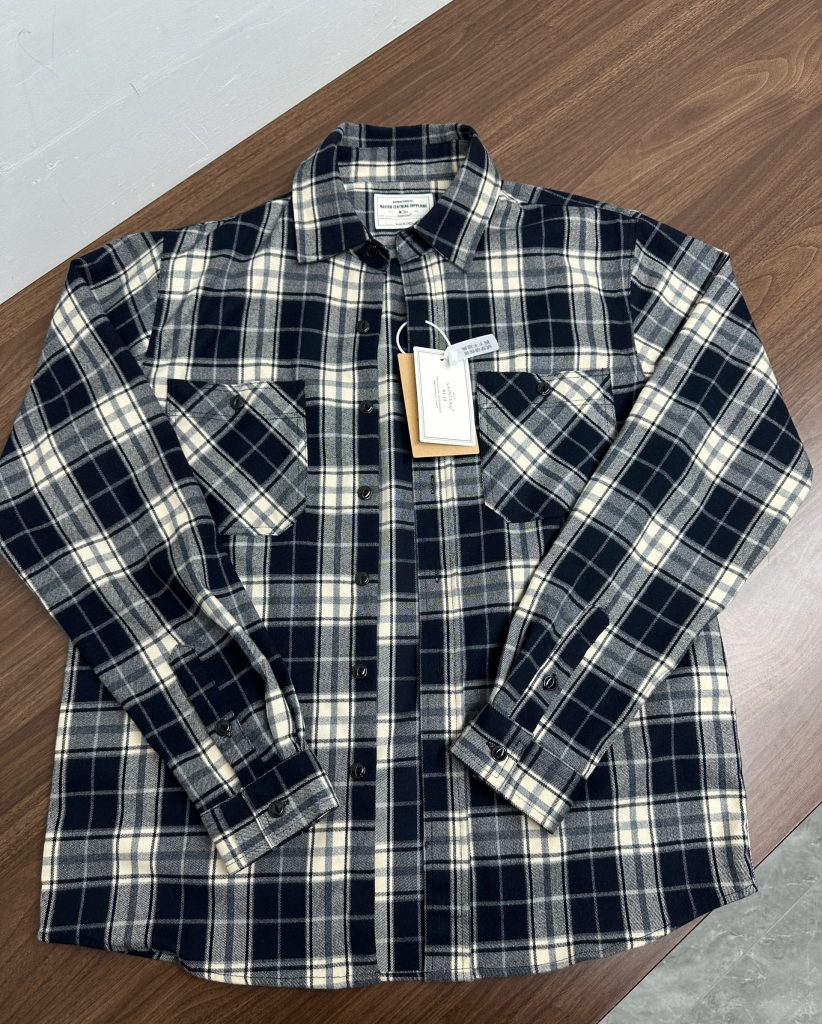
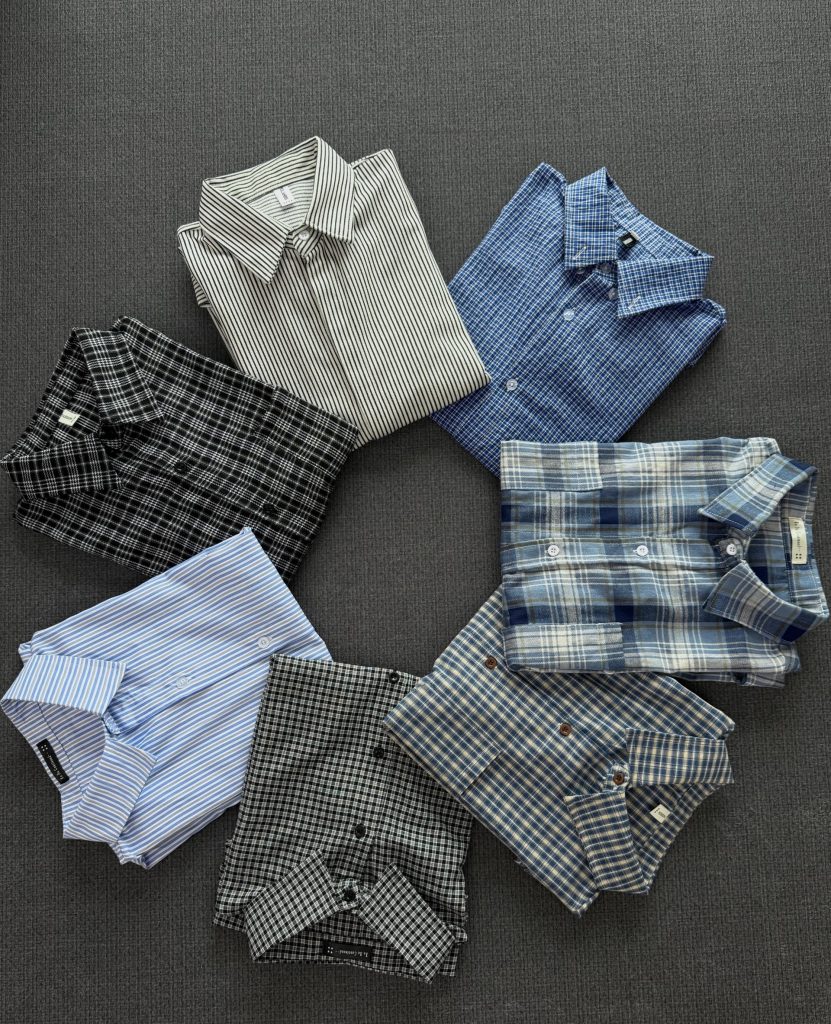
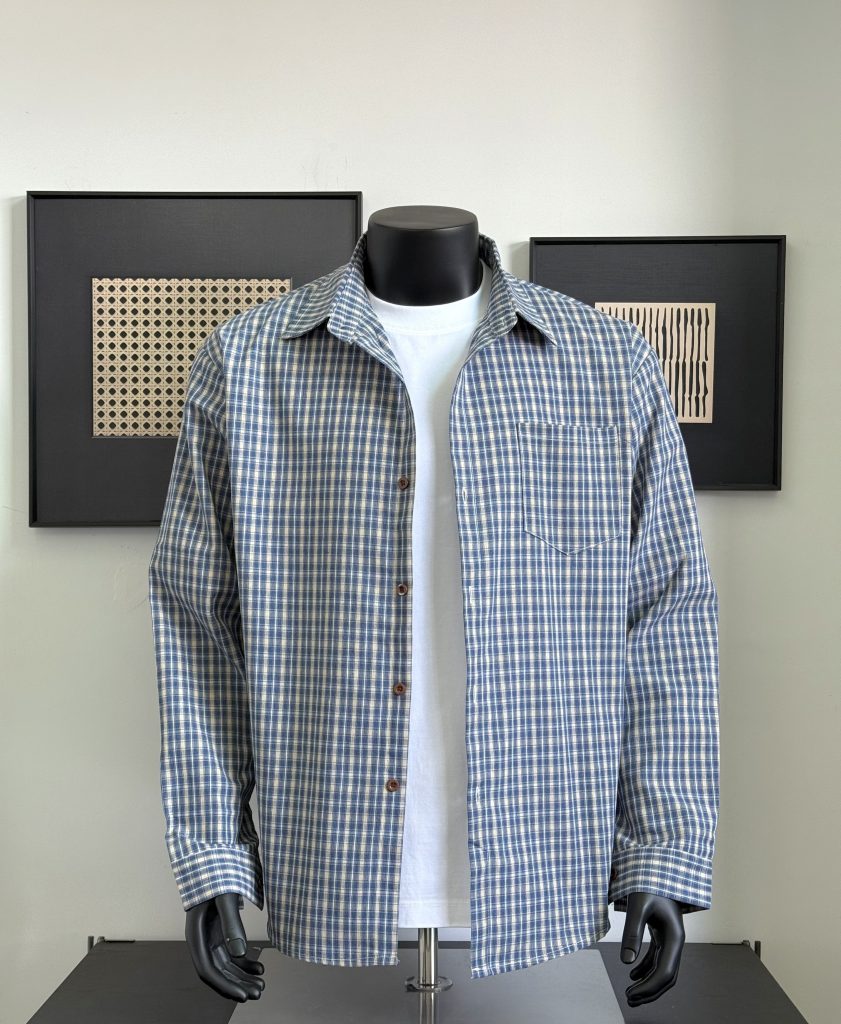
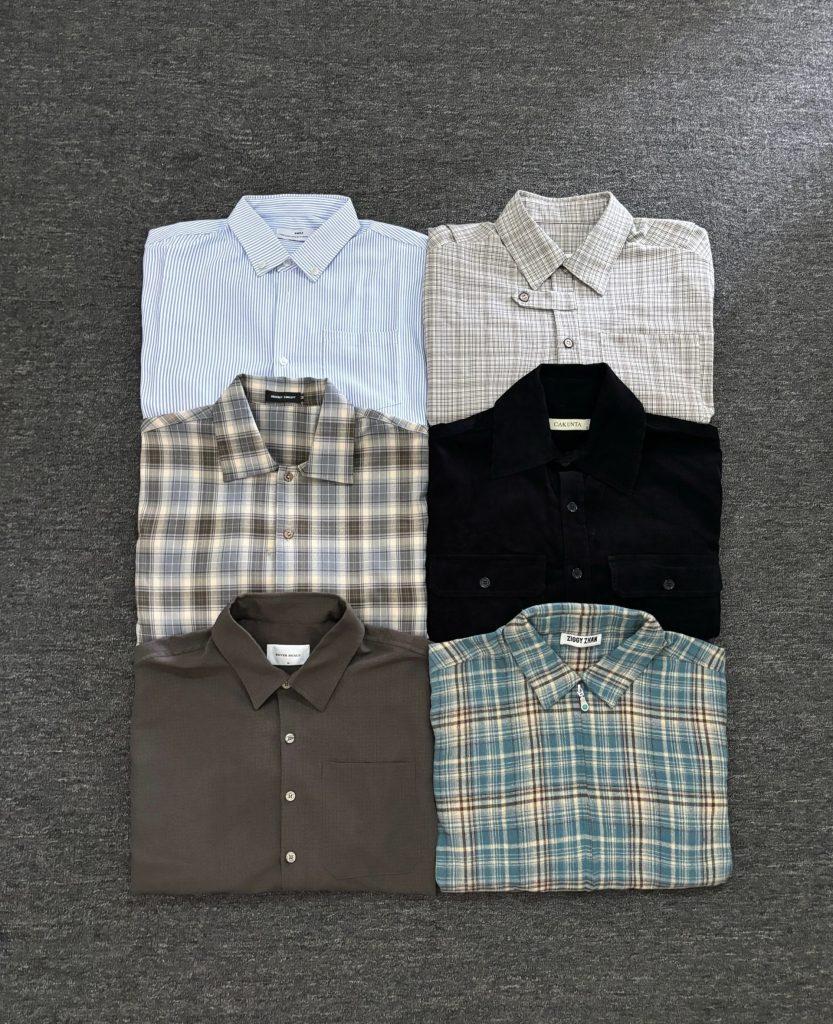
👔 Casual shirts
These garments are popular in retail stores and online marketplaces.
👗 Fashion Garments
Fashion clothing follows seasonal trends and design styles.
Typical items include:
👗 Dresses
👚 Blouses
🧥 Jackets
👖 Fashion trousers
Fashion retailers frequently import these garments to update their collections.
🏃 Sportswear and Activewear
Sportswear has become an important global clothing category.
Examples include:
🏃 Running apparel
🧘 Yoga clothing
🚴 Cycling wear
🏋 Gym clothing
These garments require performance fabrics and durable construction.
👶 Children’s Clothing
Children’s clothing is widely exported to international markets.
Examples include:
👶 Baby clothing
🧒 Kids T-shirts
👗 Children’s dresses
🩳 Kids shorts
Comfort and durability are important characteristics.
👔 Workwear and Professional Uniforms
Many businesses import uniforms and workwear.
Examples include:
👔 Corporate uniforms
🏥 Medical clothing
🏭 Industrial workwear
🏫 School uniforms
These garments emphasize functionality and durability.
🧵 Private Label Clothing Export Services
Many clothing exporters provide private label apparel services for international brands.
Customization options include:
🏷 Brand labels
🎨 Logo printing or embroidery
📦 Custom packaging
👗 Custom clothing designs
Private label manufacturing allows buyers to sell garments under their own brand names.
⚙ Clothing Export Production Process
Understanding the garment export process helps buyers manage their sourcing projects effectively.
1️⃣ Product Requirement Confirmation
The process begins with defining product specifications.
Details may include:
📐 Garment design
🧵 Fabric type
📏 Size charts
📦 Packaging requirements
Clear specifications help avoid production errors.
2️⃣ Sample Development
Before large-scale production begins, garment samples are created.
Benefits include:
🔍 Checking product quality
📏 Confirming measurements
🧵 Testing fabrics and construction
Sample approval is essential before production.
3️⃣ Mass Production
Factories begin producing garments according to approved specifications.
Production processes include:
✂ Fabric cutting
🧵 Sewing and assembly
🎨 Printing or embroidery
Production schedules depend on order size.
4️⃣ Quality Inspection
Finished garments undergo quality inspection.
Inspection includes:
🔍 Visual checks
📏 Size verification
🧵 Stitching evaluation
This ensures garments meet buyer standards.
5️⃣ Packaging and Export Preparation
After inspection, garments are prepared for export.
Common packaging methods include:
📦 Poly bags
📦 Branded packaging boxes
📦 Export cartons
Proper packaging protects garments during transportation.
6️⃣ International Shipping
Exporters arrange transportation to deliver garments worldwide.
Shipping methods may include:
🚢 Sea freight for large shipments
✈ Air freight for fast delivery
Exporters monitor shipments until delivery is completed.
💼 How to Choose a Reliable China Clothing Exporter
Selecting the right exporter is critical for successful apparel sourcing.
Important evaluation factors include:
✔ Export experience
✔ Product quality consistency
✔ Manufacturing network strength
✔ Communication efficiency
✔ Logistics management capability
Reliable exporters help buyers maintain stable clothing supply chains.
🚀 Advantages of Working with an Experienced Clothing Exporter
Cooperating with a professional exporter provides several benefits.
🏭 Access to multiple garment factories
💰 Competitive clothing prices
🎨 Flexible product customization
📦 Professional export packaging
🌍 Global shipping experience
These advantages help buyers simplify international clothing sourcing.
📈 Businesses That Import Clothing from China
Many companies rely on clothing exporters for apparel sourcing.
Examples include:
🛍 Retail clothing stores
📱 Online fashion retailers
👗 Boutique fashion brands
📦 Wholesale apparel distributors
🌍 International garment importers
These businesses use exporters to obtain stable garment supplies and competitive pricing.
❓ FAQ – China Clothing Exporter
1. What products do China clothing exporters supply?
Clothing exporters supply many types of garments including casual clothing, fashion apparel, sportswear, children’s clothing, and workwear.
2. Can exporters provide private label clothing?
Yes. Many exporters offer custom branding services including labels, logos, and packaging.
3. What is the minimum order quantity for clothing export?
Minimum order quantities depend on the garment type and production requirements.
4. How long does clothing export production take?
Typical production timelines include:
⏱ Sample production: 7–14 days
⏱ Mass production: 20–40 days
5. What shipping methods are available for garment exports?
Common shipping options include:
🚢 Sea freight for bulk cargo
✈ Air freight for faster delivery
6. Can clothing exporters ship products worldwide?
Yes. Most exporters provide international shipping services to many global markets.
📩 Start Your Apparel Import Project with a China Clothing Exporter
China clothing exporters play an essential role in the global apparel trade. By coordinating garment manufacturing, quality inspection, and international shipping, exporters help businesses obtain high-quality clothing products efficiently and reliably.
Whether you operate a retail store, fashion brand, online clothing business, or wholesale distribution company, working with an experienced clothing exporter can help you access competitive prices, diverse garment styles, and professional export services.
👉 Contact us today to request product catalogs, discuss clothing export requirements, and receive a quotation for your apparel sourcing project.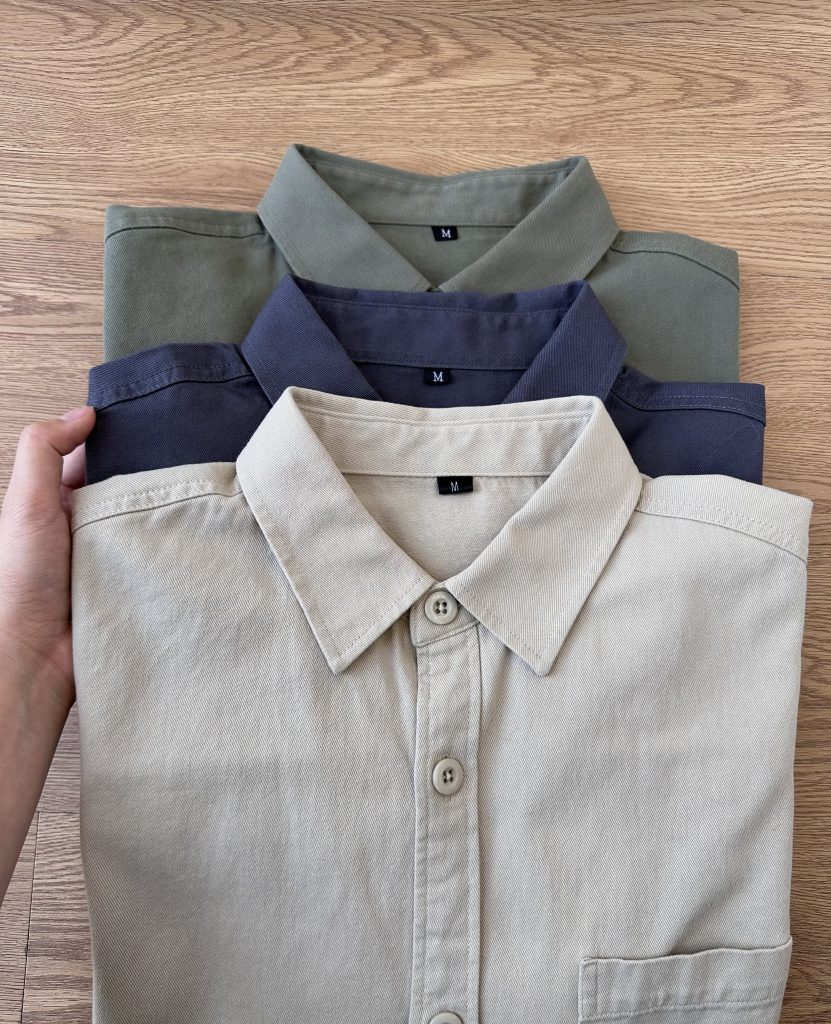


No reply content