
China Guangzhou custom curtains OEM
China
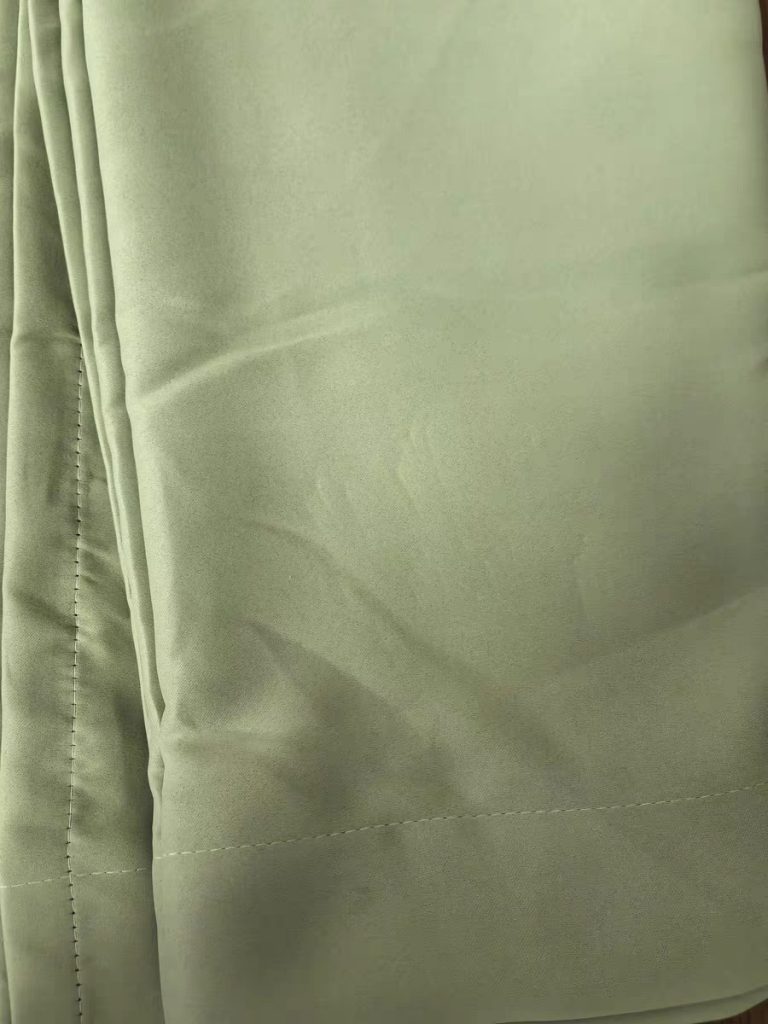
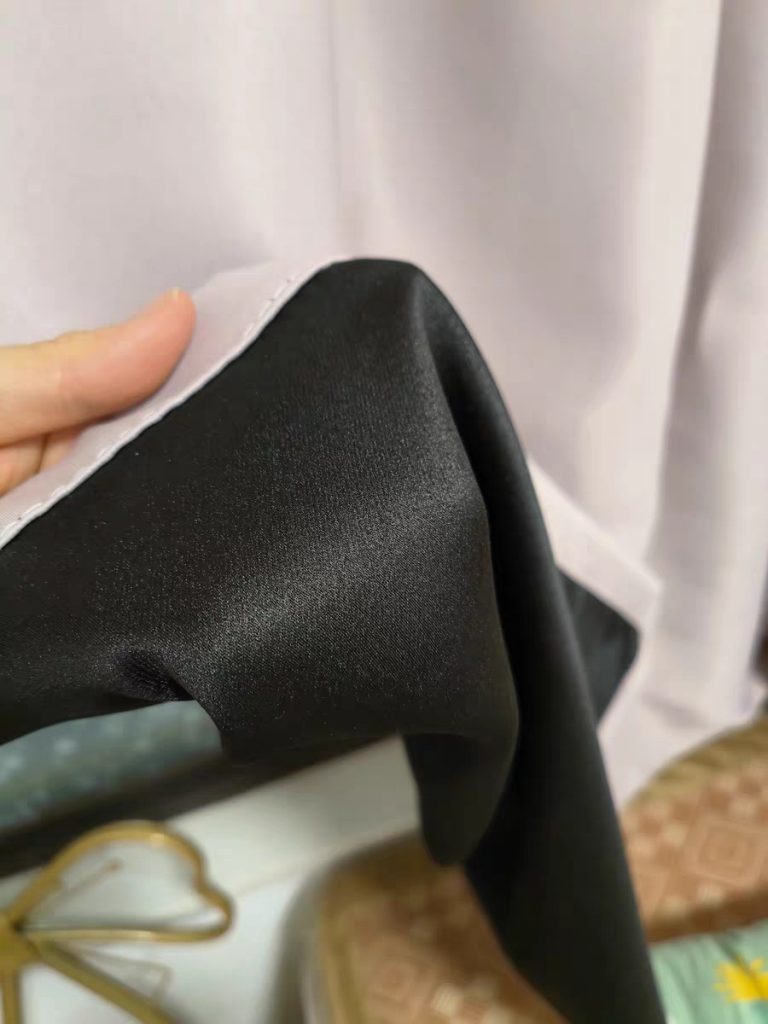
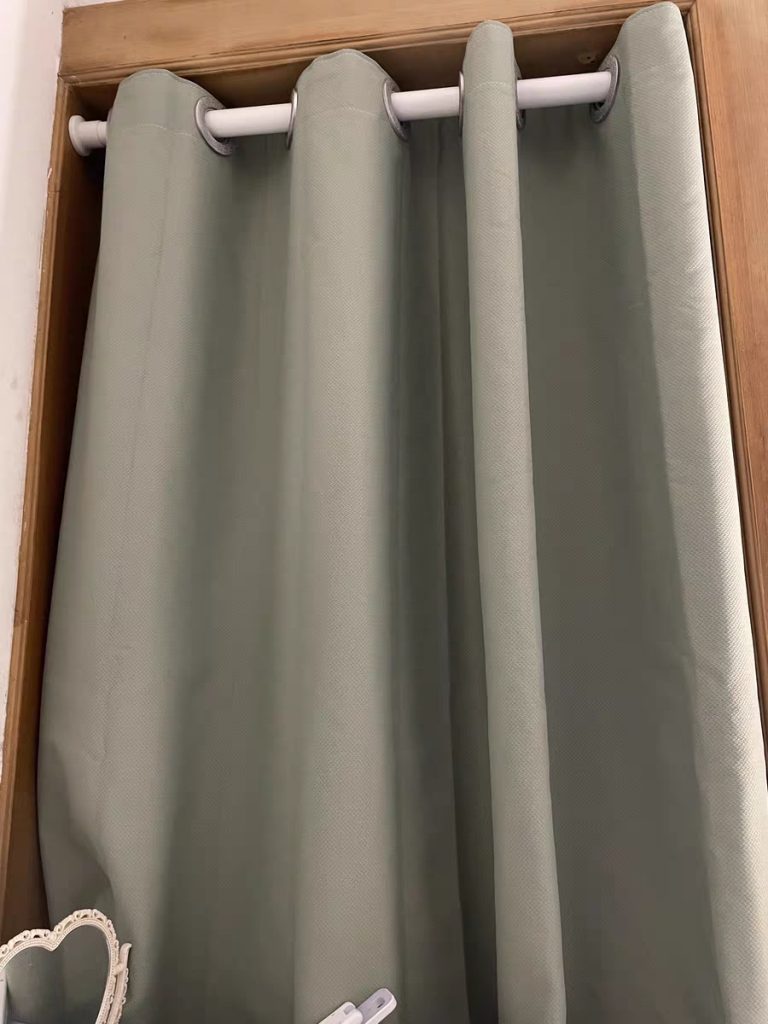
Why the Difference Between a “Vendor” and a “Partner” is Measured in Light Fastness and Seam Accuracy
In the world of interior design and architecture, curtains are often called “the soul of a room.” But for procurement managers and designers, they are a technical product. When you source from a China curtain supplier, the stakes are high: color matching, flame retardancy compliance, and dimensional stability.
This article is written from the perspective of a manufacturing floor manager with 15 years of experience in textile engineering. We will discuss the technical aspects of curtain manufacturing that separate a professional supplier from a trader.
1. Fabric Composition: Beyond Polyester vs. Linen
The feel and performance of a curtain are dictated by yarn composition and weave density. Understanding these allows you to specify the right fabric for the right environment.
| Fabric Type | Yarn Composition | Technical Performance | Best Application |
|---|---|---|---|
| Polyester Sateen | 100% Polyester (High Twist) | Excellent drapability, washable, high color fastness (Grade 4-5). | Hotels, hospitals, commercial spaces. |
| Linen Blend | 20% Linen / 80% Poly | Natural slub texture, breathable, prone to wrinkling. | Residential, boutique hotels, casual settings. |
| Blackout (Triple Weave) | Polyester + Foam/Coating | Blocks 99% of light, thermal insulation, acoustic dampening. | Bedrooms, conference rooms, labs. |
| Sheer Voile | 100% Polyester (Low Denier) | UV resistant, allows soft light diffusion, easy to clean. | Layering, sun rooms, public lobbies. |
2. The Manufacturing Process: Where Quality is Lost or Found
A common mistake is assuming all factories sew the same way. In our facility, we focus on three critical stages:
A. Cutting: The Foundation of Symmetry
-
Automated Spreading: We use computerized spreading machines to lay up to 100 layers of fabric. This ensures that every panel cut from the same batch has identical dimensions.
-
Relaxation Period: Fabric is laid out for 24 hours before cutting to allow for natural relaxation, preventing post-installation shrinkage.
B. Sewing: Seam Strength and Consistency
-
Double Lockstitch: All side hems and bottoms are double-stitched. We use thread with a tensile strength of >3.0 cN/dtex to prevent seam splitting during opening/closing cycles.
-
Pattern Matching: For patterned fabrics, we employ “railroading” techniques and pattern repeats to ensure vertical and horizontal continuity across multiple panels.
C. Finishing: The Final 20%
-
Heat Setting: Panels are passed through a heat-setting chamber (180°C) to lock in the shape and remove wrinkles.
-
Flame Retardant Treatment: For contract projects, we apply a durable FR finish (meeting NFPA 701 or BS 5867) that withstands 50+ washes.
3. Quality Control: The 5-Point Inspection
Before any roll leaves our factory, it undergoes a rigorous inspection protocol:
-
Width Variance: Must be within ±0.5cm of the ordered width.
-
Seam Straightness: Measured against a laser guide; deviation must be <0.2cm over 3 meters.
-
Color Consistency: Checked under D65 standard light against the master swatch.
-
Functionality: All weights, magnets, and hooks are tested for proper insertion and retention.
-
Packaging: Rolled on cardboard tubes, wrapped in plastic film, and boxed to prevent creasing during transit.
FAQ: Addressing Technical Concerns for Procurement Managers
Q1: How do you ensure color consistency across a large order (e.g., 500 hotel rooms)?
A: We dye fabric in “lots.” For large orders, we reserve a specific dye lot number and keep it in our ERP system. If a reorder is needed in 6 months, we can reproduce the exact shade by referencing the original lot parameters and using the same dye house. We also provide a Light Fastness Test Report (Xenon arc lamp test) to prove resistance to fading.
Q2: What is your MOQ (Minimum Order Quantity) for custom blackout curtains?
A: For standard polyester blackout, our MOQ is 300 meters. For custom widths (e.g., 3.5m wide seamless panels), the MOQ increases to 500 meters due to the need for wider looms and specific weaving patterns. We can accommodate smaller trial orders for new clients at a premium.
Q3: Can you provide curtains that meet California Title 19 (TB 117-2013) for fire safety?
A: Yes. We have dedicated production lines for North American markets. We use inherently flame-retardant (IFR) yarns or apply a topical FR finish. We provide third-party lab test reports (e.g., SGS, Intertek) with every shipment to certify compliance.
Q4: How do you handle fabric shrinkage after washing?
A: We pre-shrink all natural fiber blends (linen, cotton) using a Sanforizing machine, which mechanically compacts the fibers. We guarantee shrinkage will not exceed 2% after the first wash. For synthetic blends, shrinkage is negligible (<0.5%).
Q5: What is the lead time for a custom order with grommets and weighted hems?
A: For a standard order of 1000 meters, our lead time is 25-30 days. This includes 10 days for weaving/dyeing, 5 days for cutting/sewing, 3 days for QC/packaging, and 7-10 days for sea freight booking. We can expedite to 20 days for urgent projects with a rush fee.
Conclusion: Your Project Deserves a Technical Partner
Choosing a curtain supplier is not just about price; it’s about the assurance that the fabric will hang correctly, last for years, and meet safety codes. We combine textile engineering with meticulous craftsmanship to deliver results that architects and designers can trust.
Ready to specify with confidence? Send us your project requirements, and we will provide a technical datasheet along with your quote.


No reply content