
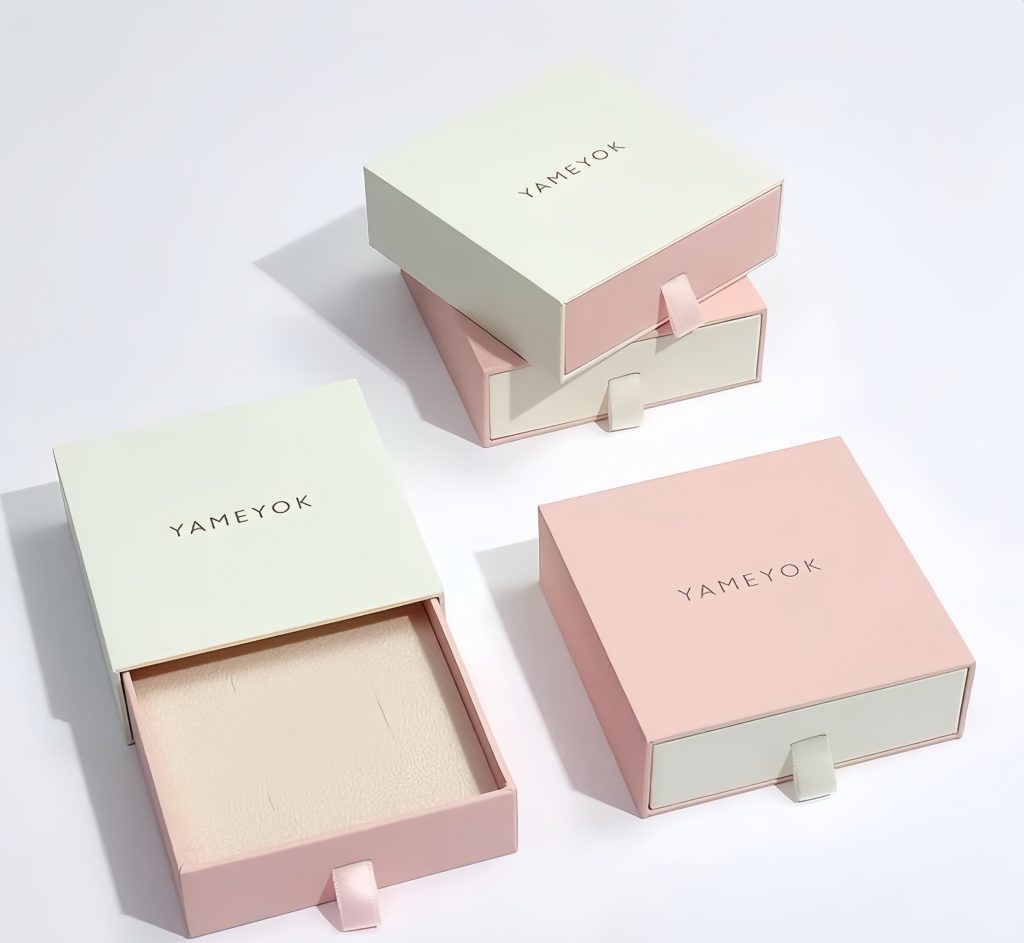
Why Substrate Science and Structural Integrity Define Luxury Packaging
In the luxury goods sector, the packaging is not an afterthought; it is an extension of the brand. For procurement managers and creative directors, a custom gift box is an engineering challenge involving material science, printing optics, and structural mechanics.
As a packaging engineer with 22 years in the industry, I will explain what separates a true China custom gift box supplier from a trading company. We will focus on the technical aspects that ensure your packaging protects the product and elevates the brand.
1. Substrate Selection: The Foundation of Form and Function
The choice of paperboard and wrapping material dictates the box’s rigidity, printability, and tactile feel.
| Material | Technical Specification | Performance Characteristic | Ideal Application |
|---|---|---|---|
| Greyboard (Chipboard) | Density: 650-1100gsm | High stiffness, excellent compressive strength. | Structural body of rigid boxes (set-up boxes). |
| Solid Bleached Sulphate (SBS) | Brightness: >88% ISO | Superior smoothness, high opacity, excellent ink holdout. | Premium folding cartons, lid interiors. |
| Natural Art Paper | Basis Weight: 120-250gsm | Good bulk, natural feel, accepts foil stamping well. | Wrapping material for rigid boxes. |
| Specialty Paper (e.g., Suede) | Coating: PU/PVC | Soft touch, high abrasion resistance, unique aesthetics. | High-end tech packaging, jewelry boxes. |
2. Printing and Finishing: The Optics of Luxury
Achieving brand color accuracy and visual impact requires precise control over the printing process.
-
Color Management: We use G7 calibration and ISO 12647-2 standards. Our presses are equipped with inline spectrophotometers to maintain ΔE < 2.0 across the entire print run.
-
Surface Finishes:
-
Soft Touch Lamination: Provides a velvety feel and reduces fingerprint visibility.
-
Registered Embossing/Debossing: Creates tactile contrast and highlights logos.
-
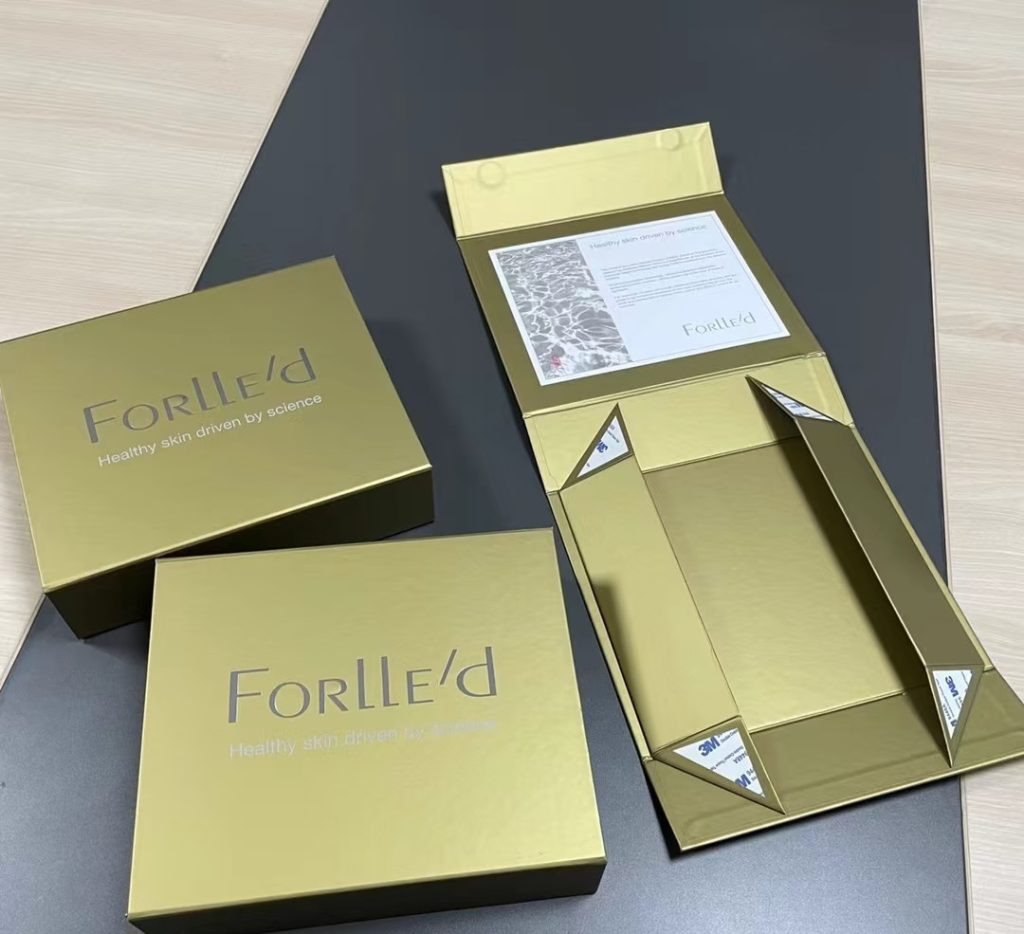
Hot Foil Stamping: Uses genuine gold or pigmented foil for metallic effects with high rub resistance.
-
Spot UV Varnish: Adds high gloss to specific areas, creating a contrast with matte surfaces.
-
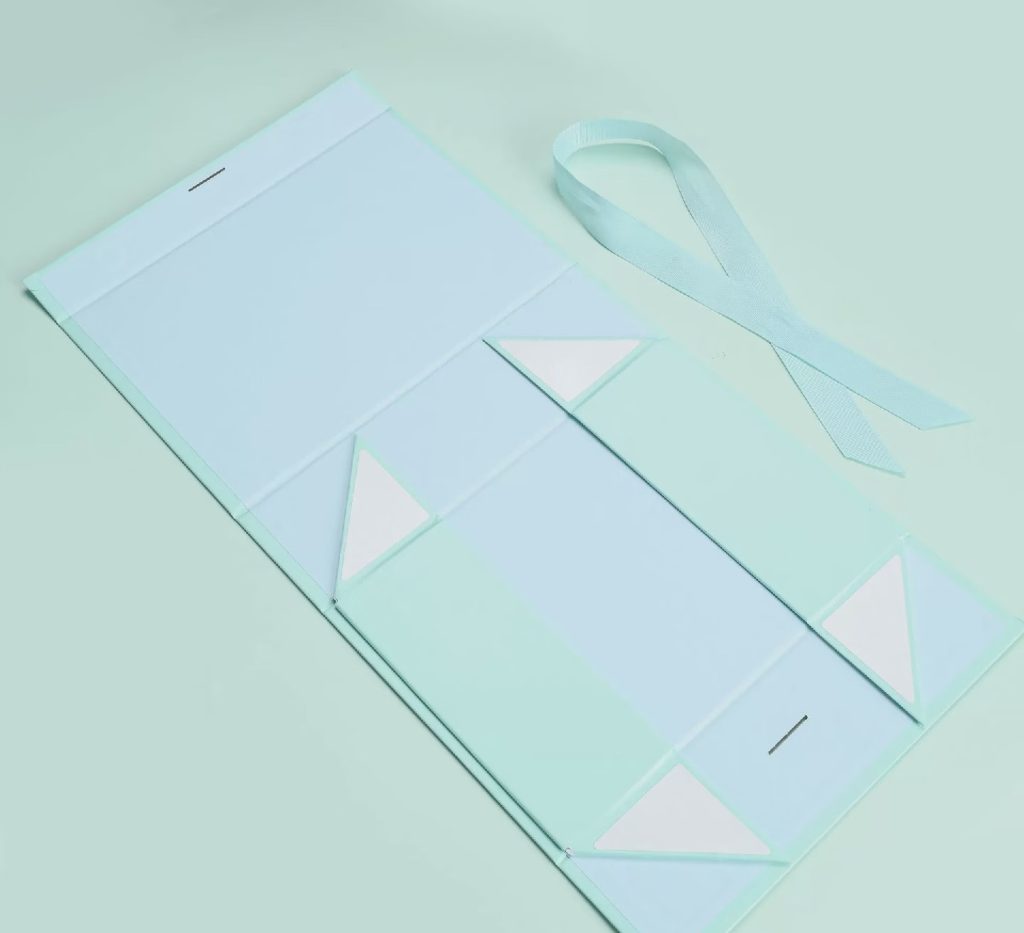
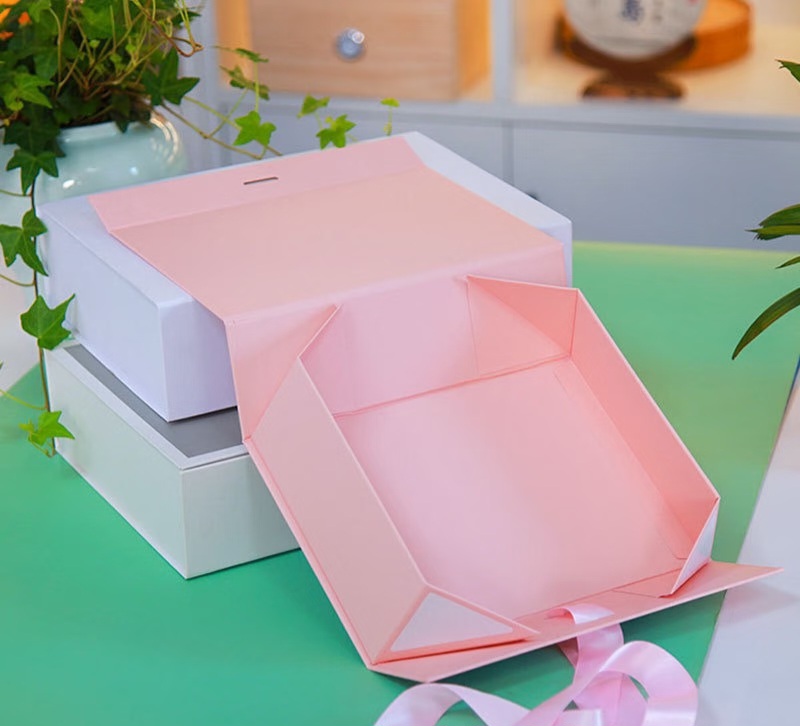
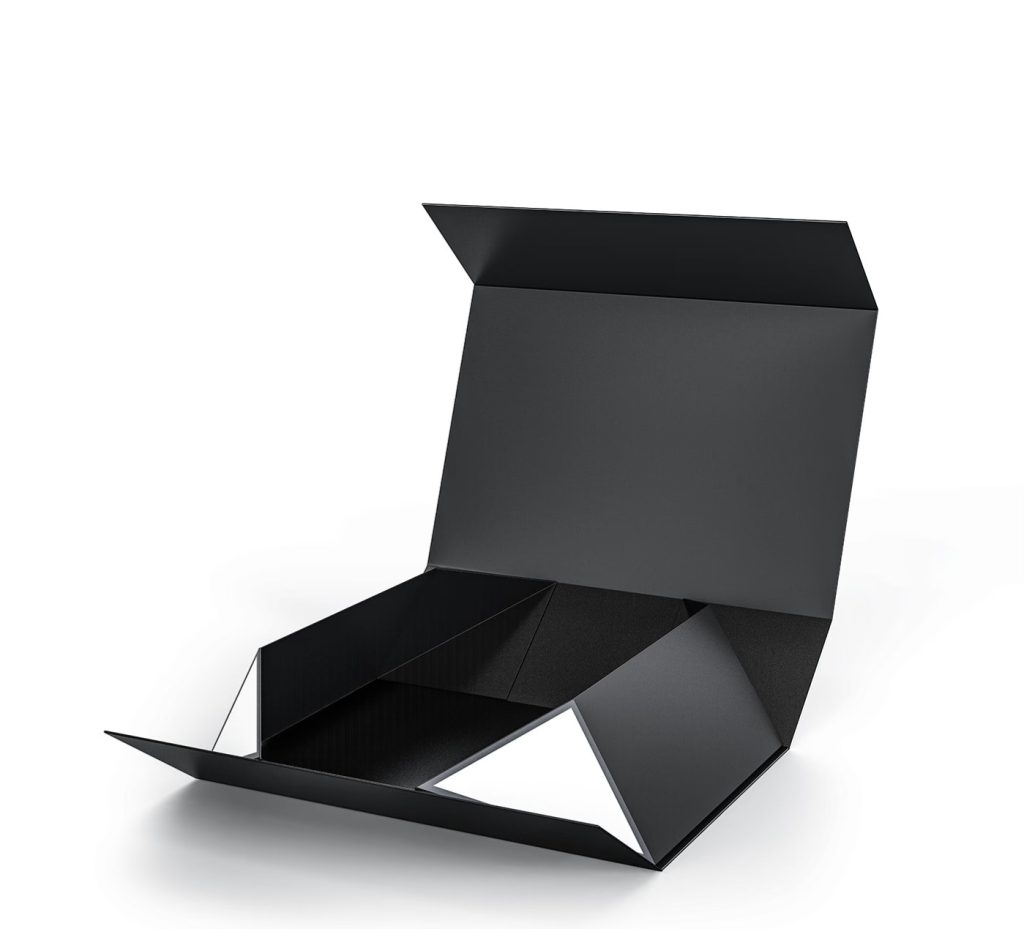
3. Structural Engineering: Beyond the Rectangle
A well-engineered box protects its contents and enhances the user experience.
| Structural Feature | Engineering Principle | Benefit |
|---|---|---|
| Crash-Lock Bottom | Pre-folded bottom flaps that lock into place upon setup. | Faster packing speed, higher bottom strength. |
| Magnetic Closure | Neodymium magnets embedded in wrapped board. | Secure closure with a premium “snap” feel. |
| Requires precise magnet placement to avoid interference. | ||
| Internal Fitments | Custom-cut EVA foam or molded pulp inserts. | Prevents product movement, enhances unboxing reveal. |
| Corner Reinforcement | Use of high-tack PVA glue and corner stays. | Prevents corner blow-out during shipping. |
4. Quality Control: The 5-Point Inspection Protocol
Our QC lab ensures every box meets stringent standards before shipment.
-
Dimensional Accuracy: Measured with digital calipers; tolerance held to ±0.5mm on length/width, ±0.8mm on height.
-
Adhesion Test: Performed on glued seams and laminated surfaces (cross-hatch test).
-
Color Consistency: Checked under D50/D65 standard light booth against master proof.
-
Drop Test: Random samples dropped from 1 meter onto a hard surface (ISTA 1A protocol).
-
Functionality Test: All closures, magnets, and inserts are tested for proper fit and function.
FAQ: Solving Technical Headaches for Procurement
Q1: How do you ensure color consistency between the proof and the mass production run?
A: We use a digital proofing system calibrated to our press characteristics. We provide a press proof (wet proof) for your sign-off before starting the full run. Our presses use closed-loop color control to maintain consistency.
Q2: What is your protocol for preventing scratches on glossy finishes?
A: We apply a protective scratch-resistant lamination (matte or gloss) after printing. Boxes are individually wrapped in glassine paper before boxing. We also use anti-scratch varnish containing silica particles for added protection.
Q3: Can you manufacture boxes with FSC-certified paper?
A: Yes. We maintain an FSC Chain of Custody (CoC) certification. We can provide FSC-certified boxes with the FSC logo printed on the packaging, meeting your sustainability requirements.
Q4: How do you handle tight registration for multi-layer finishing (e.g., foil + emboss)?
A: We use high-precision die-cutting molds and optical registration systems on our foil stamping machines. We perform a registration test on a dummy sheet before running the actual job to ensure perfect alignment.
Q5: What is your MOQ (Minimum Order Quantity) for custom rigid boxes?
A: For standard rigid boxes, our MOQ is 500 pieces. For complex structures with custom inserts or specialty papers, the MOQ increases to 1000 pieces due to mold and setup costs. We can accommodate smaller trial orders at a premium.
Conclusion: Engineer Your Brand’s First Impression
Your packaging is the first physical interaction a customer has with your brand. By partnering with a supplier who understands the science of substrates, the optics of printing, and the mechanics of structure, you ensure a flawless unboxing experience.
Ready to engineer your next packaging project? Send us your dieline and technical specifications. We will provide a feasibility analysis and a detailed quotation within 24 hours.


No reply content