Finding a reliable China custom wholesale CNC machining factory can help businesses produce precision parts, prototypes, industrial components, and custom metal or plastic products at competitive costs.
However, choosing the right CNC machining supplier is not simply about finding the lowest quotation. Buyers also need to consider machining capability, material selection, dimensional accuracy, surface finishing, quality control, production capacity, and international delivery.
This help center guide explains how custom CNC machining works, what products can be manufactured, how to request a quotation, and how to choose a suitable Chinese CNC machining factory for wholesale and custom production.
What Is a China Custom Wholesale CNC Machining Factory?
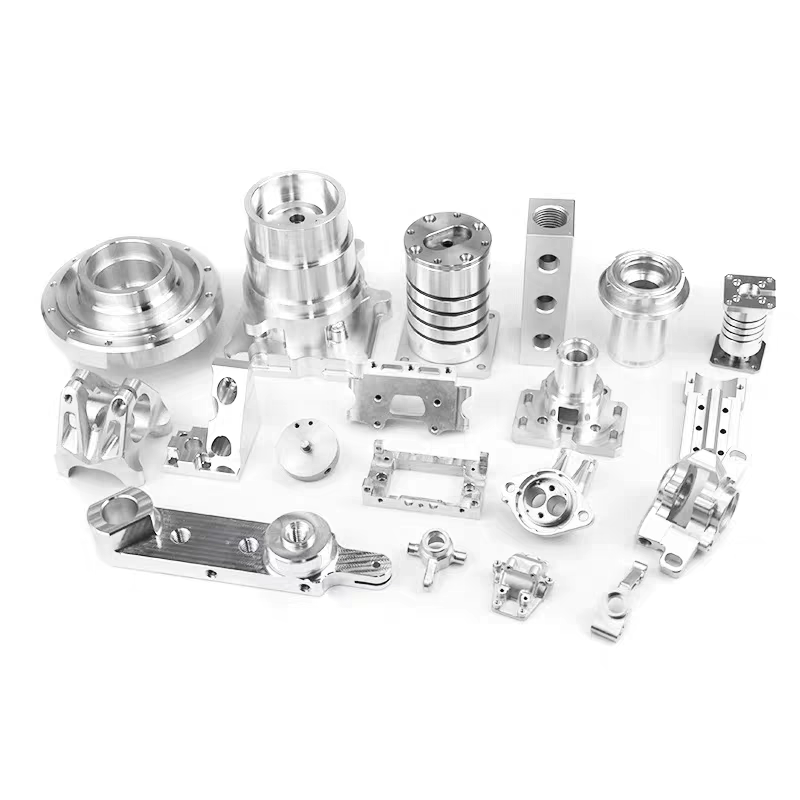
A China custom wholesale CNC machining factory uses computer-controlled machining equipment to manufacture parts according to customer drawings, 3D models, samples, or technical specifications.
CNC machining can produce complex and precise components for many industries, including:
- Industrial machinery
- Automation equipment
- Robotics
- Electronics
- Automotive components
- Medical equipment
- Aerospace applications
- Agricultural machinery
- Hardware products
- Consumer products
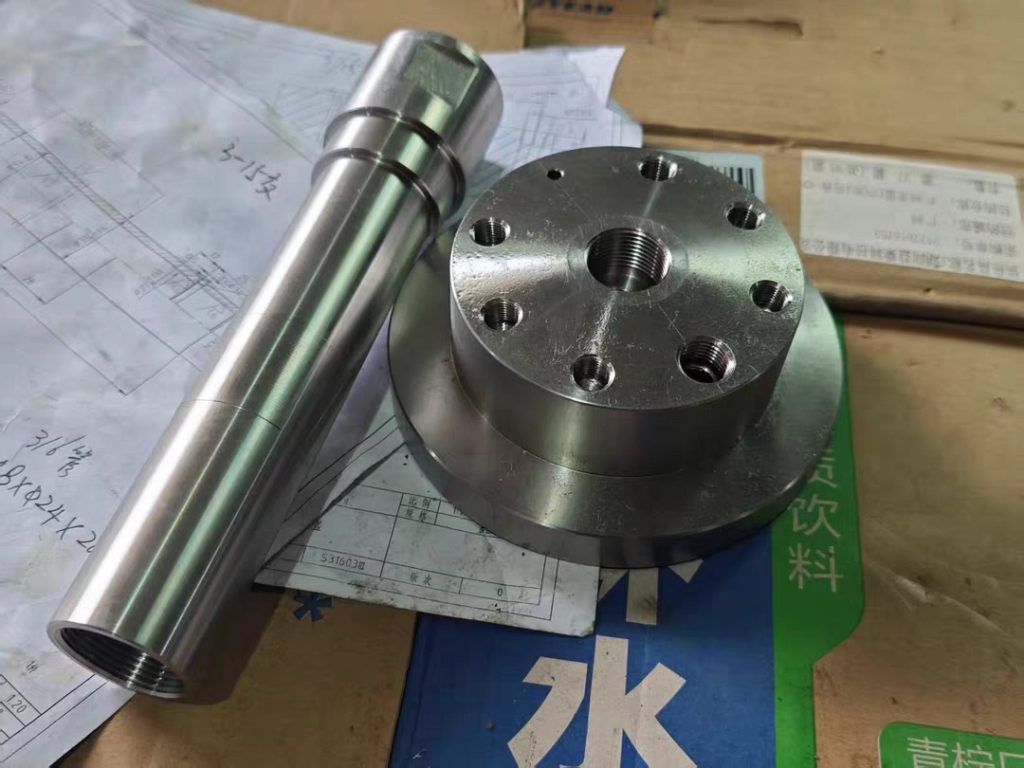
Depending on the design and material, a factory may provide CNC milling, CNC turning, drilling, tapping, grinding, and other precision machining services.
Why Choose a Chinese CNC Machining Factory?
China has a large and mature manufacturing supply chain. Buyers can often source raw materials, machining services, surface treatments, and additional manufacturing processes from the same production network.
1. Custom Manufacturing
Customers can provide their own:
- 2D drawings
- 3D CAD files
- Product samples
- Technical specifications
- Reference images
The factory can manufacture components according to the approved requirements.
2. Wholesale Production
Custom CNC machining is suitable for both small-batch production and larger wholesale orders. The appropriate production method depends on the part design, quantity, material, and required tolerance.
3. Wide Material Selection
Common CNC machining materials include:
- Aluminum
- Stainless steel
- Carbon steel
- Brass
- Copper
- Titanium
- Engineering plastics
- Nylon
- POM
- Acrylic
The best material depends on the part’s strength, weight, temperature resistance, corrosion resistance, and application requirements.
4. Flexible Surface Finishing
After machining, parts can often receive additional surface treatments, including:
- Anodizing
- Powder coating
- Plating
- Polishing
- Brushing
- Sandblasting
- Heat treatment
Surface treatment can improve appearance, corrosion resistance, hardness, or product performance.
What CNC Machining Services Are Available?
CNC Milling
CNC milling is suitable for parts with:
- Flat surfaces
- Slots
- Holes
- Pockets
- Complex contours
- Multi-sided features
It is widely used for custom mechanical components and precision parts.
CNC Turning
CNC turning is suitable for cylindrical or round components such as:
- Shafts
- Bushings
- Pins
- Sleeves
- Threaded components
The workpiece rotates while cutting tools remove material to create the required shape.
CNC Drilling and Tapping
Custom parts may require:
- Precision holes
- Threaded holes
- Counterbores
- Countersinks
These features should be clearly shown in the technical drawing.
Multi-Process Manufacturing
Some products require several machining processes. A suitable factory may combine milling, turning, drilling, finishing, and inspection to complete the final component.
How Does Custom CNC Machining Work?
Step 1: Submit Your Design
The first step is to provide the factory with your product information.
Useful files include:
- STEP
- STP
- IGES
- IGS
- DWG
- DXF
- PDF technical drawings
If you do not have a complete technical drawing, a sample or clear product reference may still help the factory evaluate the project.
Step 2: Design and Manufacturing Review
The factory reviews the design to determine:
- Material requirements
- Machining processes
- Production difficulty
- Required tools
- Surface finishing
- Inspection requirements
The factory may also identify design details that could affect production cost or machining efficiency.
Step 3: Quotation
The quotation may depend on:
- Material
- Part size
- Part complexity
- Machining time
- Order quantity
- Tolerance requirements
- Surface finishing
- Packaging
- Delivery requirements
Providing complete technical information helps reduce quotation changes.
Step 4: Prototype or Sample Production
For a new project, producing a prototype or sample before mass production can help verify the design.
The sample may be checked for:
- Dimensions
- Fit
- Function
- Material
- Surface finish
- Assembly compatibility
Step 5: Bulk Production
After the sample or design is approved, the factory begins production according to the confirmed specifications.
Production may include:
- Material preparation
- CNC programming
- Machining
- Deburring
- Surface treatment
- Cleaning
- Quality inspection
- Packaging
Step 6: Final Inspection
Quality inspection is an important part of precision machining.
The inspection process may check:
- Overall dimensions
- Critical tolerances
- Hole positions
- Thread quality
- Surface finish
- Material specifications
- Visual defects
For precision components, buyers should confirm inspection requirements before production begins.
How to Choose a Reliable China Custom CNC Machining Factory
Check the Factory’s Machining Capabilities
Before placing an order, confirm whether the manufacturer can produce your specific type of component.
Important factors include:
- Available CNC equipment
- Maximum machining size
- Material capabilities
- Precision requirements
- Surface treatment options
- Production capacity
Review Sample Quality
A sample can help you evaluate the factory’s actual manufacturing quality.
Pay attention to:
- Dimensional accuracy
- Surface quality
- Edge finishing
- Threads
- Holes
- Overall workmanship
Confirm Quality Standards
Before mass production, define the acceptance standards clearly.
You may need to specify:
- Key dimensions
- Acceptable tolerances
- Surface finish
- Material requirements
- Inspection methods
Consider Long-Term Supply Capability
If you need regular wholesale production, choose a factory that can support repeat orders and maintain consistent quality.
A reliable long-term supplier should be able to manage:
- Repeat production
- Design updates
- Increased quantities
- Product variations
- Ongoing quality requirements
What Information Should You Provide for a CNC Machining Quote?
To receive a more accurate quotation, provide:
- Product drawings
- 3D CAD files
- Material requirements
- Order quantity
- Surface finishing requirements
- Tolerance requirements
- Application information
- Packaging requirements
- Delivery destination
If you have multiple parts, it is helpful to provide a complete parts list with the required quantities for each component.
How Can Buyers Reduce CNC Machining Costs?
Choose the Right Material
Different materials have different costs and machining requirements. Select a material based on actual product performance requirements.
Optimize the Design
Some designs require additional machining time or specialized tools. A production-friendly design may help reduce unnecessary manufacturing costs.
Increase Order Quantity
For many products, larger quantities can reduce the average cost per part by improving production efficiency.
Avoid Unnecessary Tight Tolerances
Extremely tight tolerances may require additional machining and inspection. Tolerances should be specified according to the actual function of the part.
Plan Surface Treatment in Advance
Surface finishing can affect the total cost and production schedule. Confirm the required treatment before placing the order.
What Industries Use Custom CNC Machined Parts?
Custom CNC machined components are used in many industries.
Industrial Equipment
CNC machining can produce:
- Machine components
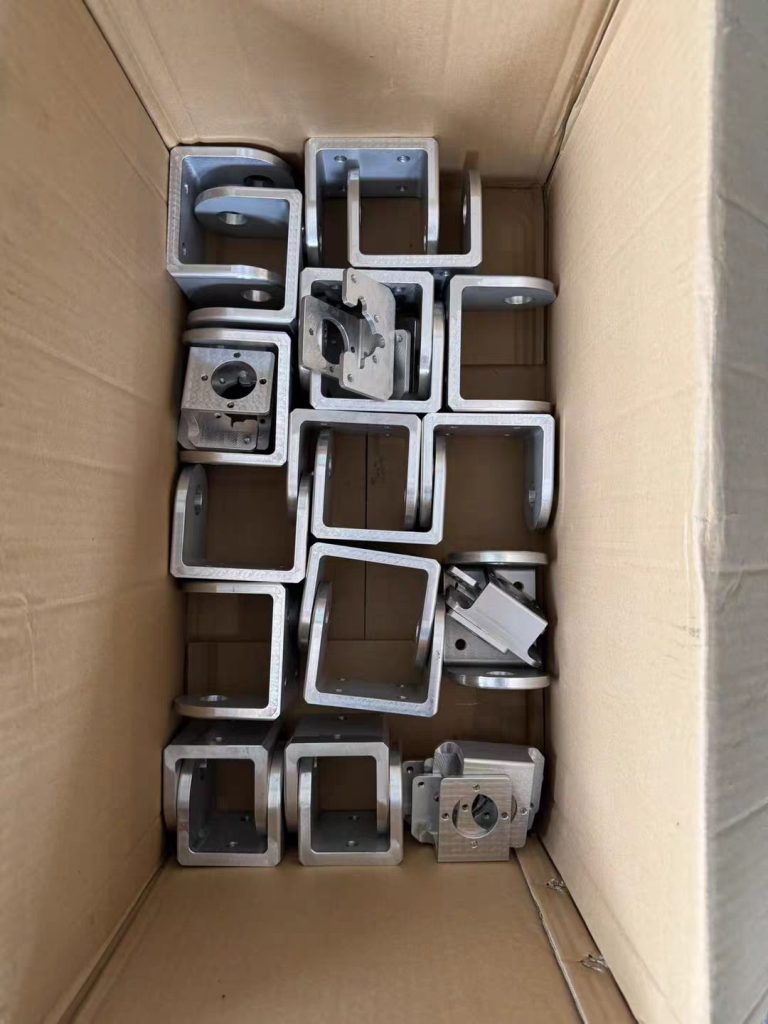
- Brackets
- Shafts
- Housings
- Fixtures
Automation and Robotics
Custom parts may include:
- Robot components
- Precision brackets
- Mechanical joints
- Mounting parts
Electronics
CNC machining can be used to manufacture:
- Metal housings
- Heat sinks
- Mounting components
- Structural parts
Automotive Applications
Custom machined parts may be used in:
- Testing equipment
- Mechanical systems
- Custom vehicle components
- Replacement parts
Agricultural Machinery
CNC machining can support the production of:
- Machinery components
- Connecting parts
- Mounting brackets
- Precision mechanical parts
Common Mistakes When Ordering CNC Machined Parts
Providing Incomplete Drawings
Missing dimensions or unclear specifications can lead to misunderstandings.
Not Defining Critical Tolerances
Not every dimension requires the same level of precision. Critical dimensions should be clearly identified.
Choosing Only the Lowest Price
A very low quotation may not include the same level of quality control, materials, or finishing.
Skipping Prototype Testing
For new products, testing a prototype before mass production can reduce the risk of expensive errors.
Changing Specifications During Production
Design changes after production begins may cause delays and additional costs. Final specifications should be confirmed before manufacturing.
Frequently Asked Questions (FAQ)
1. What types of parts can a China CNC machining factory produce?
A CNC machining factory can produce custom metal and plastic components such as shafts, brackets, housings, gears, fixtures, connectors, machine parts, and other precision components.
2. Can I send a 3D CAD file for a quotation?
Yes. Common file formats include STEP, STP, IGES, IGS, DWG, and DXF. A technical drawing with dimensions and tolerances is also helpful.
3. What materials can be used for CNC machining?
Common materials include aluminum, stainless steel, carbon steel, brass, copper, titanium, nylon, POM, acrylic, and other engineering plastics.
4. Can I order a small quantity?
Many CNC machining factories can support prototype production and small-batch orders. The available quantity depends on the part design and manufacturing requirements.
5. Can the factory provide surface finishing?
Many manufacturers can provide or arrange finishing options such as anodizing, polishing, sandblasting, powder coating, plating, and other treatments.
6. How do I ensure that the parts meet my specifications?
Provide clear drawings, define important tolerances, confirm material requirements, and establish inspection standards before production.
7. Can I request a sample before placing a wholesale order?
Yes. A prototype or sample is recommended for new products, especially when the part has complex dimensions or strict functional requirements.
8. How long does CNC machining production take?
The production time depends on the design complexity, material availability, quantity, machining process, surface treatment, and inspection requirements.
9. Can a CNC factory handle repeat orders?
Yes. Repeat production is common for industrial and wholesale customers. Keeping approved drawings, samples, and production specifications can help maintain consistency.
10. How can I request a quotation?
Send your drawings or 3D files together with the material, quantity, tolerance, surface finishing, and delivery requirements. The factory can then review the project and provide a customized quotation.
Final Thoughts
A reliable China custom wholesale CNC machining factory can provide a complete solution for businesses that need precision components, prototypes, small-batch production, or long-term wholesale manufacturing.
The best results come from clear technical information, suitable material selection, accurate drawings, defined quality standards, and effective communication.
Before placing a large order, buyers should evaluate the factory’s machining capabilities, request samples when necessary, confirm production specifications, and establish clear inspection requirements.
If you are looking for custom CNC machined parts from China, prepare your drawings, product requirements, quantity, and material specifications. A professional factory can then evaluate your project and provide a suitable production solution and quotation.


No reply content