
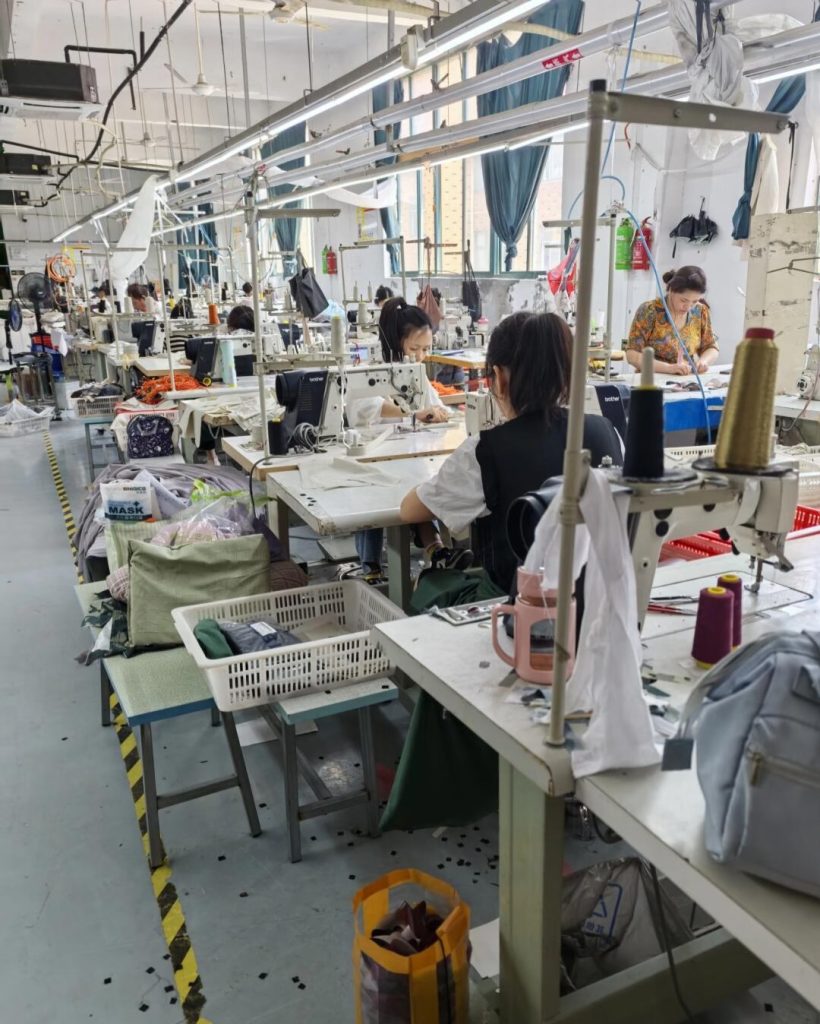
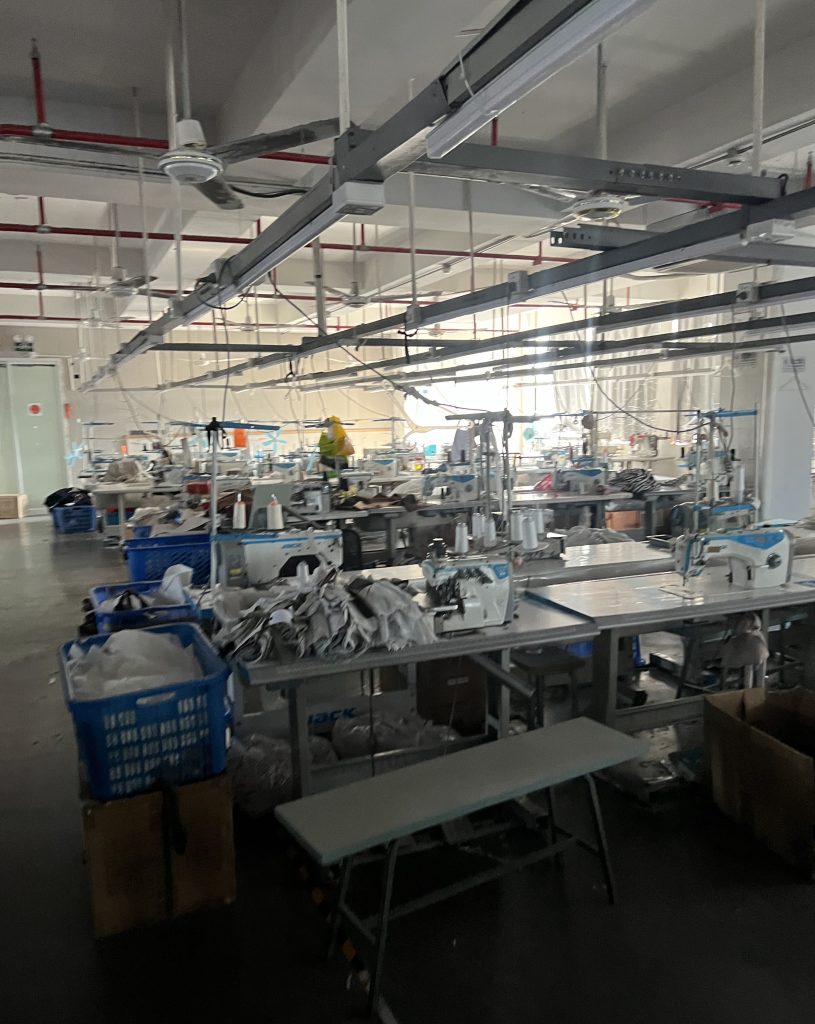
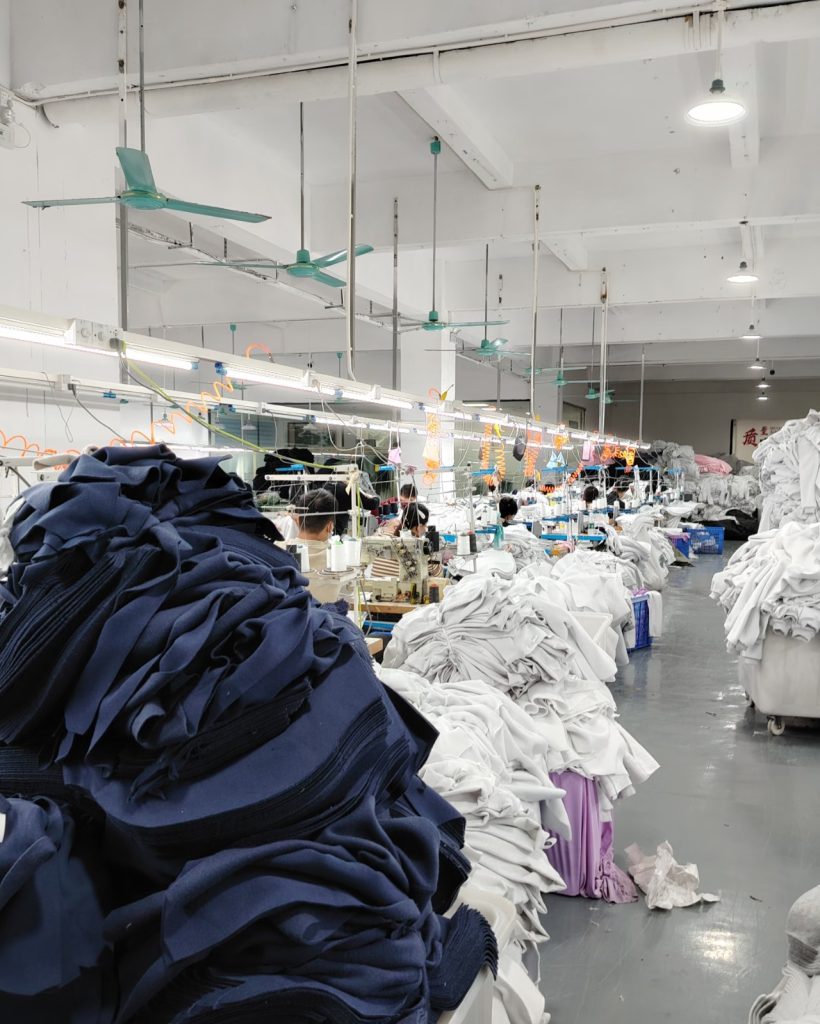
Finding a reliable China custom wholesale men’s clothing factory can help brands, retailers, wholesalers, and online sellers develop unique apparel collections with competitive production costs. However, choosing the right manufacturer requires more than simply searching for the lowest price.
This help center guide explains how to work with a Chinese custom men’s clothing factory, what customization options are available, how the production process works, how to control quality, and what buyers should prepare before placing an order.
What Is a China Custom Wholesale Men’s Clothing Factory?
A China custom wholesale men’s clothing factory is a manufacturer that produces men’s apparel according to a buyer’s specifications. Instead of purchasing only ready-made products, buyers can customize the design, fabric, colors, sizes, labels, packaging, and other product details.
Typical products may include:
- T-shirts
- Polo shirts
- Hoodies
- Sweatshirts
- Jackets
- Shirts
- Pants
- Shorts
- Tracksuits
- Workwear
- Casualwear
- Streetwear
- Uniforms
- Seasonal men’s fashion
Custom manufacturing is suitable for clothing brands, wholesalers, importers, retailers, e-commerce sellers, and businesses that want to create their own private-label apparel.
Why Choose a Chinese Custom Clothing Factory?
China has a mature garment manufacturing supply chain covering fabric production, accessories, cutting, sewing, printing, embroidery, washing, packaging, and export logistics.
For international buyers, working directly with a factory can offer several advantages:
1. Flexible Customization
Buyers can develop products based on their own designs and brand requirements. Customization may include:
- Product style
- Fabric composition
- Fabric weight
- Color
- Size chart
- Logo
- Printing
- Embroidery
- Woven labels
- Hang tags
- Packaging
2. Wholesale Production
Factories can produce larger quantities for wholesalers, retailers, and brands. The exact minimum order quantity depends on the product design, fabric, color, and production requirements.
3. Private Label Manufacturing
A factory can help create clothing with your own brand identity, including custom labels, packaging, and product details.
4. Product Development Support
If you have an idea but do not have a complete technical specification, an experienced manufacturer may help convert your concept into a production-ready product.
What Can You Customize?
The level of customization depends on the factory and product category. Before starting production, buyers should clearly define their requirements.
Design Customization
You may provide:
- Sketches
- Product images
- Technical drawings
- Existing samples
- Reference garments
- Size specifications
The factory can then review the design and determine whether it can be produced according to the requested requirements.
Fabric Customization
Fabric selection affects comfort, appearance, durability, and cost.
Common options include:
- Cotton
- Polyester
- Cotton-polyester blends
- Nylon
- Linen blends
- Fleece
- French terry
- Denim
- Stretch fabrics
Buyers should confirm the fabric composition, weight, texture, shrinkage, and color before mass production.
Logo and Branding Customization
Common branding methods include:
- Screen printing
- Digital printing
- Embroidery
- Heat transfer
- Woven labels
- Silicone labels
- Rubber patches
The best method depends on the design, fabric, quantity, and desired appearance.
Packaging Customization
Custom packaging may include:
- Individual polybags
- Custom stickers
- Brand hang tags
- Printed boxes
- Custom cartons
- Folding methods
- Shipping marks
Proper packaging can help protect garments during international transportation.
How Does the Custom Clothing Production Process Work?
A professional custom clothing project usually follows several stages.
Step 1: Submit Your Requirements
Provide as much information as possible, such as:
- Product type
- Quantity
- Target market
- Design files
- Fabric preferences
- Size requirements
- Logo files
- Packaging requirements
- Delivery destination
The clearer your information is, the easier it is for the factory to provide an accurate quotation.
Step 2: Product Evaluation and Quotation
The factory reviews your design and requirements. The quotation may depend on:
- Material
- Product complexity
- Quantity
- Printing or embroidery
- Accessories
- Packaging
- Production time
A low initial price is not always the best choice. Buyers should also consider quality, communication, production capability, and delivery reliability.
Step 3: Sample Development
For new custom products, a sample is usually recommended before mass production.
The sample allows you to check:
- Fit
- Fabric
- Color
- Logo position
- Stitching
- Product construction
- Overall appearance
If changes are required, the sample can be adjusted before bulk production.
Step 4: Sample Approval
Once the sample meets your requirements, confirm the final specifications in writing.
Important details include:
- Approved fabric
- Final colors
- Size chart
- Logo artwork
- Label details
- Packaging requirements
This helps reduce misunderstandings during mass production.
Step 5: Bulk Production
After confirmation, the factory arranges material purchasing and production.
The production process may include:
- Fabric preparation
- Cutting
- Printing or embroidery
- Sewing
- Finishing
- Inspection
- Folding
- Packaging
Step 6: Quality Inspection
Quality control is an important part of custom apparel manufacturing.
Inspection may check:
- Measurements
- Sewing quality
- Fabric defects
- Color consistency
- Logo quality
- Stains
- Loose threads
- Packaging
Buyers should establish quality standards before production begins.
Step 7: Export and Delivery
After production is completed, the goods can be arranged for international delivery through suitable transportation methods.
Depending on the destination and shipment size, buyers may consider:
- Express delivery
- Air freight
- Sea freight
- Door-to-door logistics
- Container shipping
The most suitable method depends on the shipment volume, delivery time, destination, and budget.
How Should Buyers Choose a Reliable China Custom Men’s Clothing Factory?
Before placing a large order, buyers should evaluate the manufacturer carefully.
Check Customization Capability
Make sure the factory can produce your required product type and customization level.
Some manufacturers focus mainly on standard products, while others specialize in OEM and private-label production.
Confirm Production Capacity
Ask whether the factory can handle your expected order quantity and future repeat orders.
A supplier should ideally be able to maintain consistent production quality as your business grows.
Request Samples
Samples are one of the most effective ways to evaluate a manufacturer.
Do not judge a factory only by photographs. The actual sample can reveal important details about:
- Fabric quality
- Fit
- Sewing
- Logo application
- Finishing
Confirm Production Time
Production time may vary depending on:
- Order quantity
- Product complexity
- Fabric availability
- Custom accessories
- Seasonal demand
Always confirm the estimated production schedule before ordering.
Communicate Clearly
Good communication is essential for custom manufacturing. A buyer should provide complete product information and confirm important details in writing.
What Information Should You Send When Requesting a Quote?
To receive a more accurate quotation, prepare the following information:
- Product name
- Product images or design files
- Quantity
- Size breakdown
- Fabric requirements
- Color requirements
- Logo requirements
- Label requirements
- Packaging requirements
- Delivery country
- Target production schedule
The more complete the information, the less likely the quotation will need major adjustments later.
Common Mistakes When Buying Custom Wholesale Men’s Clothing
Choosing Only by the Lowest Price
The lowest price may involve lower-quality fabric, limited quality control, or unexpected additional costs.
Always compare the full value of the supplier rather than price alone.
Ordering Bulk Production Without a Sample
A product may look good in a design image but have problems during actual production. A sample can help identify issues before a large investment is made.
Not Confirming the Size Chart
Different markets may use different sizing standards. Always confirm the exact measurements for each size.
Changing the Design After Production Starts
Major changes after production begins can cause delays and additional costs. Finalize the product specifications before mass production.
Providing Incomplete Artwork
Logo files should ideally be provided in a clear, high-quality format. Poor-quality artwork may affect printing or embroidery results.
How Can Buyers Reduce Custom Clothing Costs?
Several factors can influence the final production cost.
Increase Order Quantity
Larger quantities may reduce the average production cost, depending on the product and materials.
Reduce Unnecessary Complexity
Simple designs can be more efficient to produce than garments with many complicated details.
Select Suitable Materials
Different fabrics and accessories have different costs. The right material should balance quality, performance, and budget.
Plan Early
Last-minute orders may create higher transportation costs and limited production options. Early planning gives buyers more flexibility.
Is Custom Wholesale Clothing Suitable for Small Brands?
Yes. Custom manufacturing can be suitable for small and growing brands, especially when the product design is clear and the order quantity matches the factory’s production requirements.
Small brands may start with a limited product range and gradually increase order quantities after testing market demand.
A practical approach is to:
- Start with a small product collection.
- Develop samples.
- Test customer demand.
- Collect feedback.
- Improve the products.
- Increase future production quantities.
Frequently Asked Questions (FAQ)
1. What types of men’s clothing can a China factory customize?
Factories may customize T-shirts, polo shirts, hoodies, sweatshirts, jackets, shirts, pants, shorts, tracksuits, workwear, uniforms, and other types of men’s apparel. The exact product range depends on the manufacturer’s production capabilities.
2. Can I add my own logo to wholesale men’s clothing?
Yes. Common options include printing, embroidery, woven labels, heat transfers, patches, and other branding methods.
3. Can I create a completely new clothing design?
Yes. Buyers can provide sketches, technical drawings, reference images, or existing samples. The factory can evaluate the design and develop a sample according to the requirements.
4. Do I need to order a sample before bulk production?
A sample is strongly recommended for new custom products. It allows you to check the fabric, fit, colors, logo, measurements, and workmanship before mass production.
5. How long does custom men’s clothing production take?
The production schedule depends on the product design, order quantity, fabric availability, customization requirements, and current factory workload. The exact schedule should be confirmed before placing the order.
6. Can I customize clothing labels and packaging?
Yes. Many custom clothing projects include brand labels, hang tags, stickers, polybags, cartons, and other packaging requirements.
7. How do I get a quotation from a custom clothing factory?
Send your product design, estimated quantity, fabric requirements, logo details, size information, packaging requirements, and delivery destination. Complete information helps the factory provide a more accurate quotation.
8. Can a China clothing factory produce repeat orders?
Yes. Repeat production is common for wholesale and private-label clothing. Keeping approved samples and detailed product specifications can help maintain consistency between orders.
9. Can I customize different colors and sizes in one order?
In many cases, yes. However, the available color and size combinations may depend on the product, fabric, and production quantity.
10. What should I check before placing a large order?
You should confirm the product specifications, sample quality, fabric, size chart, logo details, packaging, production schedule, payment terms, and quality requirements before starting bulk production.
Final Thoughts
Choosing the right China custom wholesale men’s clothing factory can help businesses develop unique products, build their own brands, and create long-term wholesale supply relationships.
The key to a successful project is clear communication and careful preparation. Before ordering, define your design, materials, quantities, branding, packaging, and quality requirements. Request samples when necessary, confirm all important details, and choose a manufacturer that can support both your current order and future growth.
If you are looking for custom wholesale men’s clothing, prepare your product requirements and contact a suitable factory for a detailed quotation and production evaluation.


No reply content