
China electric fireplace manufacturer
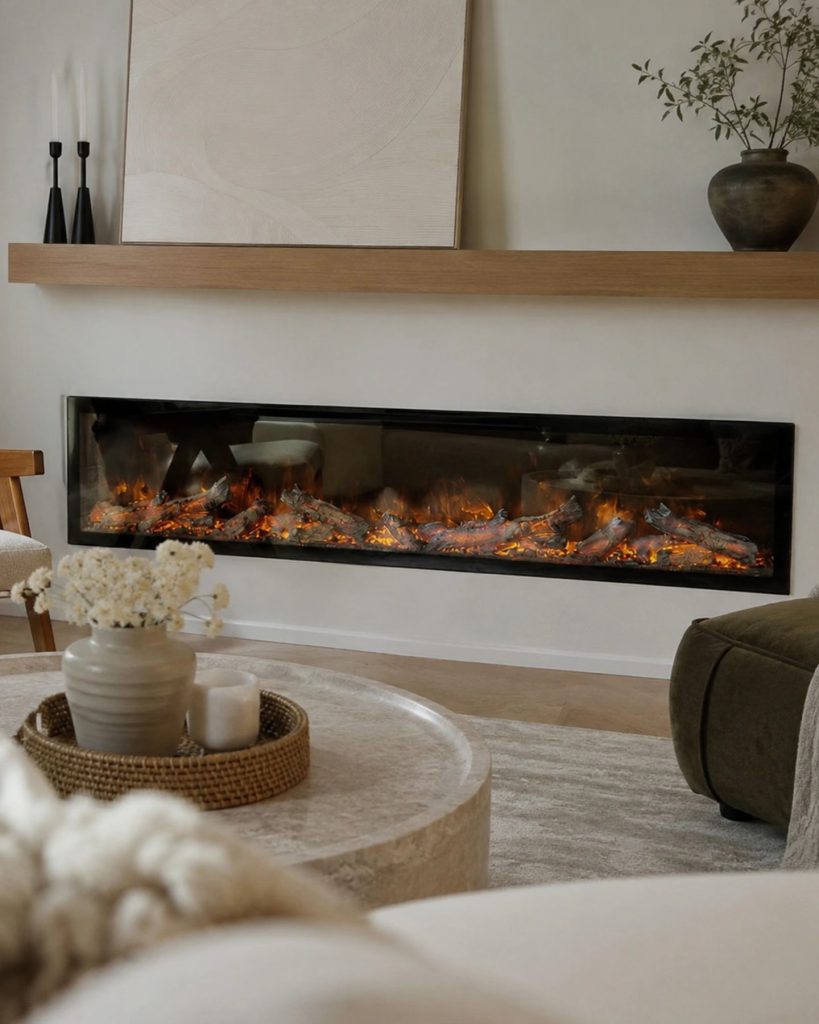
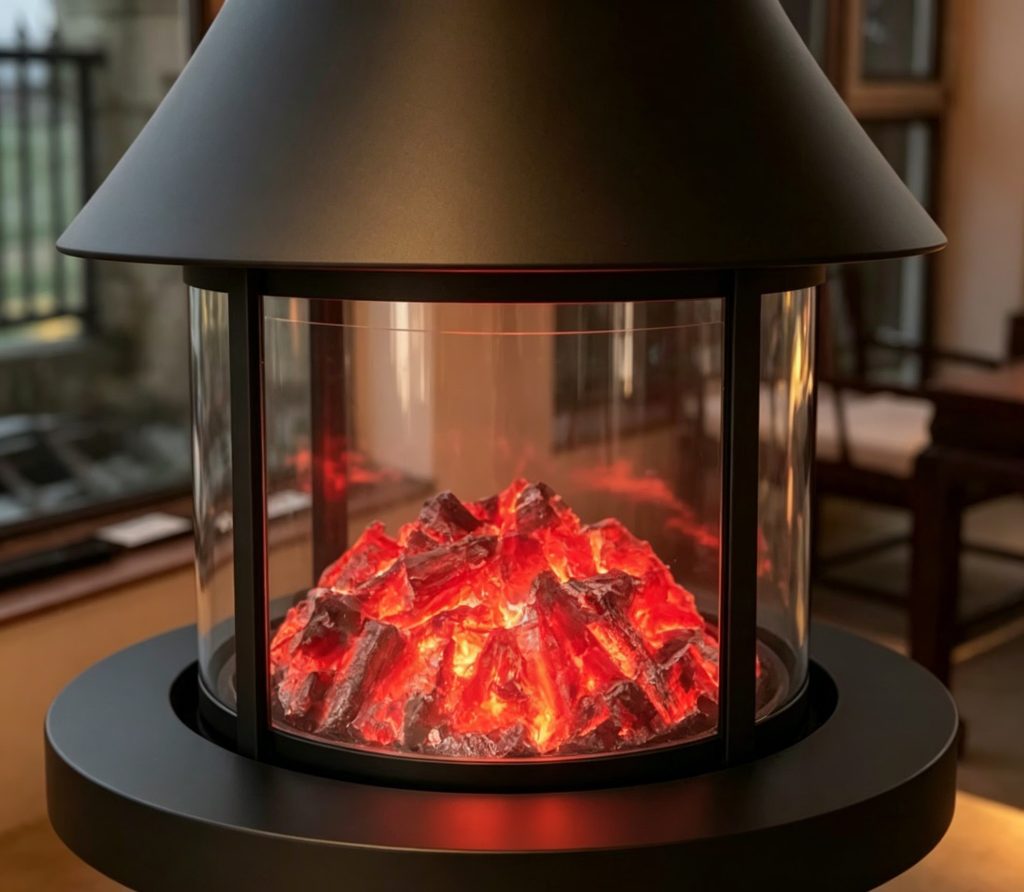
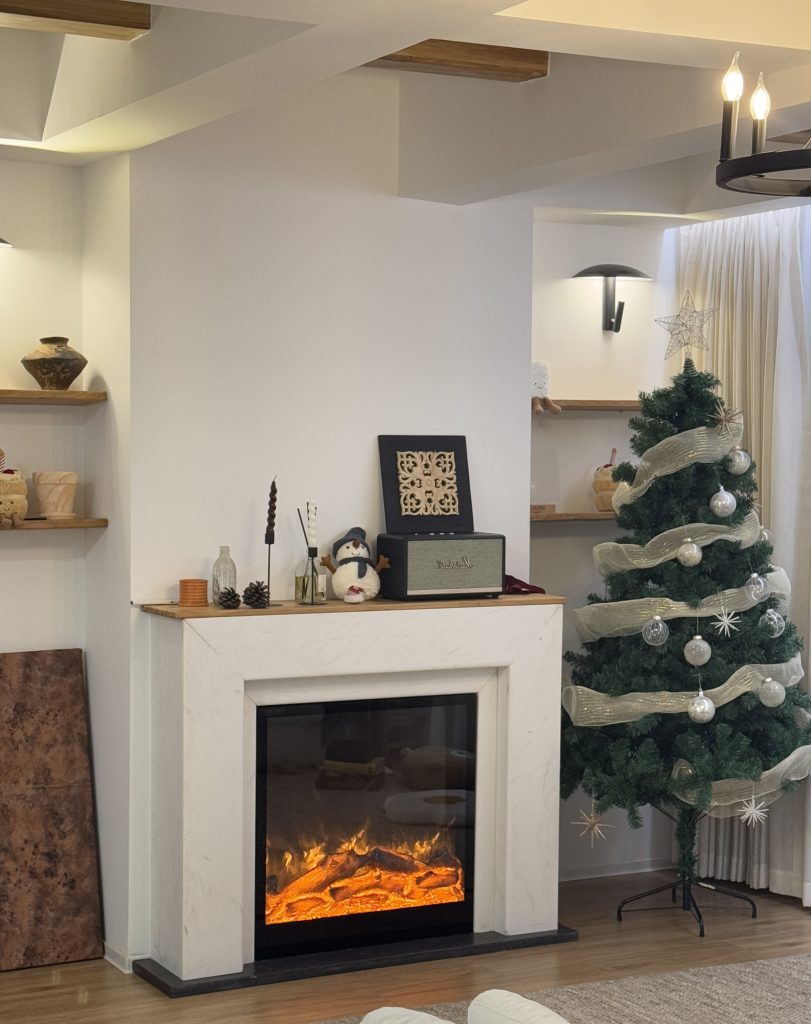
The global electric fireplace market is heating up — literally and figuratively. Valued at USD 1.92 billion in 2023, the sector is projected to reach USD 3.15 billion by 2030, growing at a CAGR of 7.6% (Grand View Research). While Europe and North America together account for 76% of global demand, the supply side tells a different story: China has quietly become the world’s manufacturing hub for electric fireplaces, exporting over 100 million units annually and holding a 20–30% cost advantage over Western counterparts.
If you’re a distributor, home‑decor retailer, or property developer sourcing heating‑decor products, here’s why China electric fireplace suppliers deserve a serious look — and how to pick the right one.
🔥 The Market Context: Why Electric Is Winning
Traditional wood‑burning fireplaces are losing ground to stricter EU environmental directives (EPBD targeting near‑zero‑energy buildings by 2030) and North American safety regulations. Electric fireplaces, by contrast, offer:
-
Zero emissions, no chimney required — plug‑and‑play installation
-
Year‑round ambiance — flame effect can run independently of heat
-
Slim, linear, built‑in designs that fit modern minimalist interiors
-
Smart controls — WiFi/App, voice control, thermostat integration
In China’s export powerhouse city Cixi (Zhejiang), home to 100+ heater manufacturers and ~30% of China’s total heater exports, one local supplier landed a single UK order of 25,000 units worth USD 1.2 million in Q1–Q3 2025. That’s not an outlier — it’s the new normal.
🏭 Why China? Four Structural Advantages
1. Mature Manufacturing Clusters
China has formed three core electric fireplace belts — the Yangtze River Delta (Cixi/Ningbo), Pearl River Delta (Foshan/Shenzhen), and broader Guangdong/Zhejiang corridor. In places like Cixi, a “30‑minute parts procurement circle” means molds, injection, coatings, glass, and electronics are all local. Lead times shrink; iteration speeds are several times faster than overseas competitors.
2. Flame Tech Is No Longer “Cheap Looking”
Early Chinese models had that telltale plastic flicker. Not anymore. Leading suppliers now deploy:
-
3D holographic & parallax projection flames
-
Nanotech thermoelectric materials for “real‑fire” simulation
-
Multi‑side heating + tilt‑cutoff safety (remote‑control & voice‑control ready)
Several Cixi and Hubei‑based makers have broken foreign tech monopolies on high‑end flame imaging, with patents filed in both CN and international jurisdictions.
3. Certifications Are Table Stakes
Reputable China suppliers are CE / LVD / EMC (EU) and UL 127 / FCC Part 15 (US) ready. Many also carry RoHS, ICC‑ES, or SAA depending on destination. If a factory can’t show audit reports (TÜV, SGS, ISO 9001), walk away.
4. OEM/ODM Flexibility Most Western Factories Won’t Match
From linear recessed 40″–100″ units to water‑vapor bio‑ethanol hybrids, China factories routinely handle:
-
Flame color tuning (orange → violet → multi)
-
LOGO etching, bezel material swaps (black steel / brushed stainless / custom RAL)
-
MOQ as low as 50–100 pcs for ODM, 300+ for deep customization
-
Sample turnaround 7–15 days, mass production 30–45 days
🧭 How to Vet a China Electric Fireplace Supplier
Not all “suppliers” are manufacturers — many are trading companies marking up 15–30%. Red flags & green flags:
Check Point |
What to Look For |
|---|---|
Factory audit |
TÜV / SGS report, not just self‑claim |
Patents |
Flame tech & safety patents = R&D muscle |
Export track record |
US/EU clients named, not just “global sales” |
Certificates |
CE + UL + RoHS at minimum |
QC process |
3–4 inspection stages before container load |
OEM history |
Has worked with Twin‑Star‑level brands? |
A good signal: suppliers who exhibit at Canton Fair, KBIS (US), or IHA (Berlin) consistently — they’re playing the long game, not quick flips.
🚀 The Bottom Line
China electric fireplace suppliers aren’t just “cheaper alternatives” anymore — they’re design partners with smart factories, 3D flame IP, and the ability to ship container‑loads to Felixstowe or Long Beach on schedule. For buyers, the sweet spot is usually a mid‑size manufacturer (150–300 staff, 10k–50k monthly capacity) — big enough for stability, small enough to care about your SKU.
💡 Pro tip: Start with a sample batch against UL/CE dossiers, then scale. The best China suppliers will invite you to a factory tour — if they won’t, they’re probably not the factory.


No reply content