
China Custom Furniture Factory
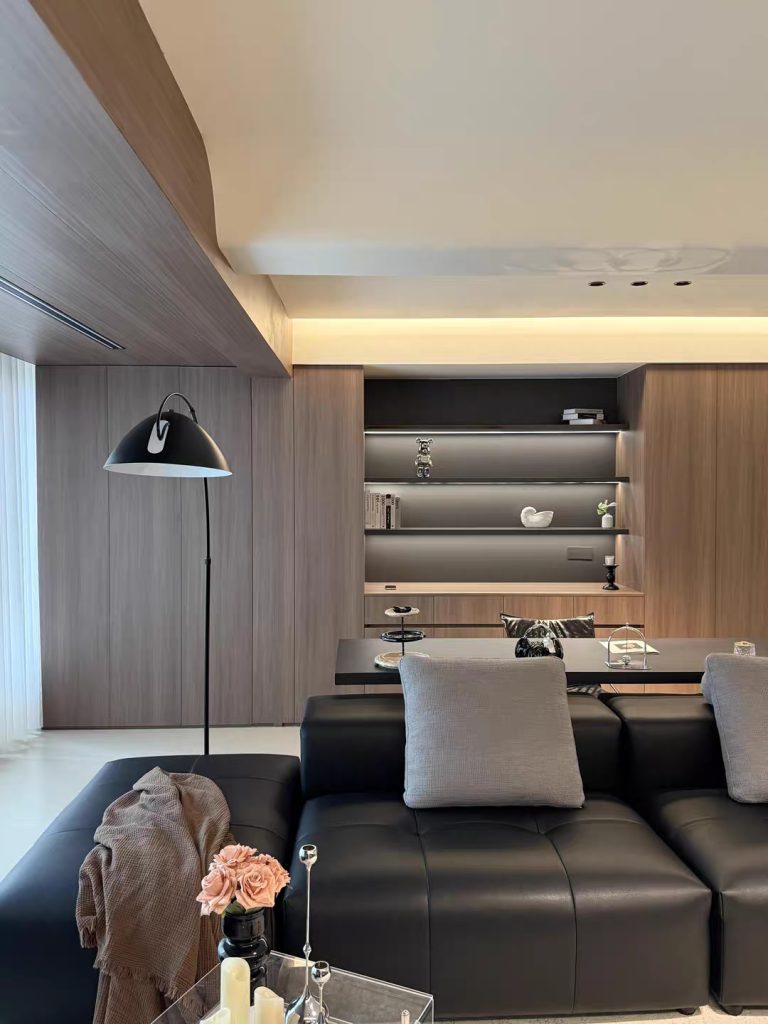
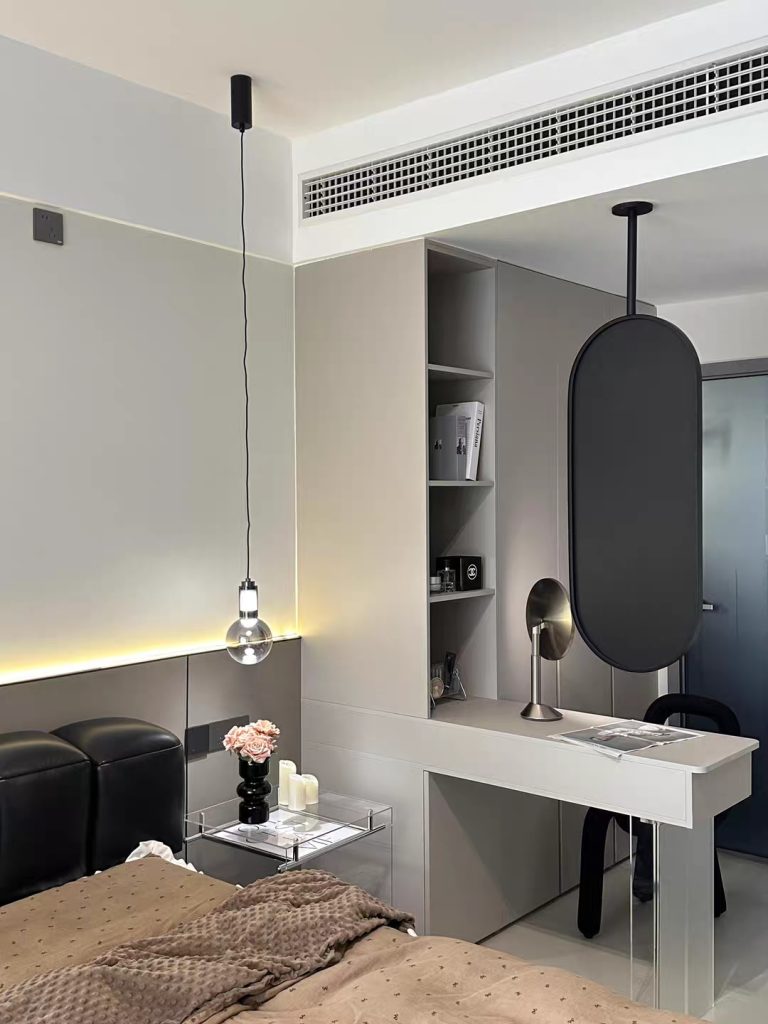
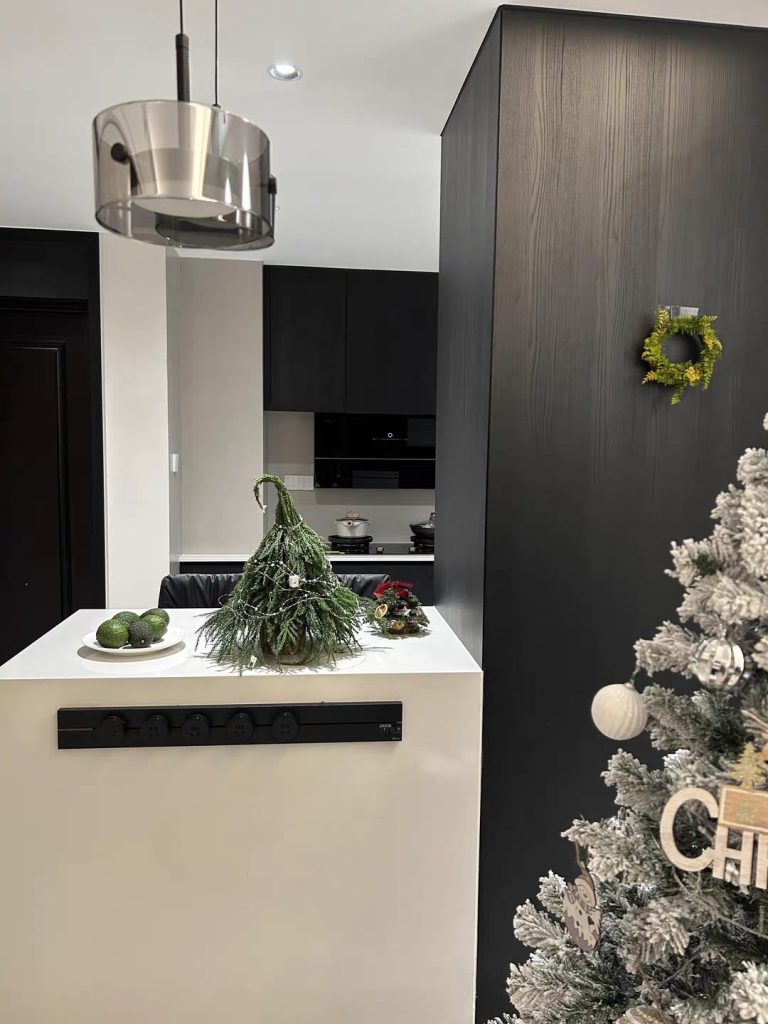
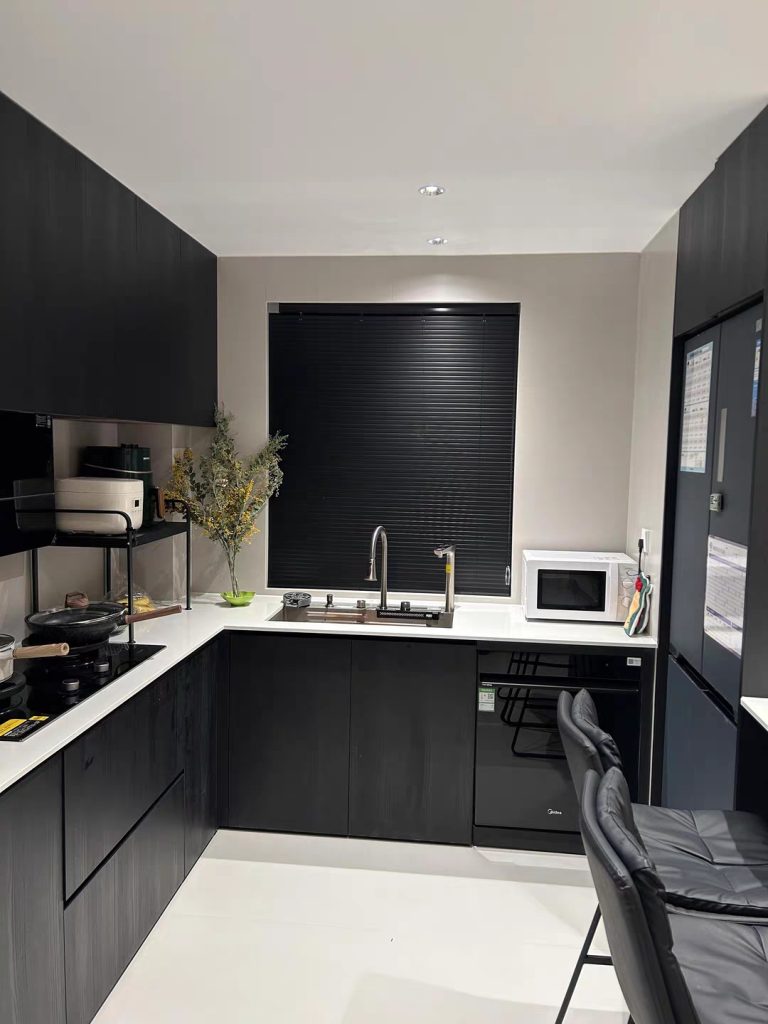

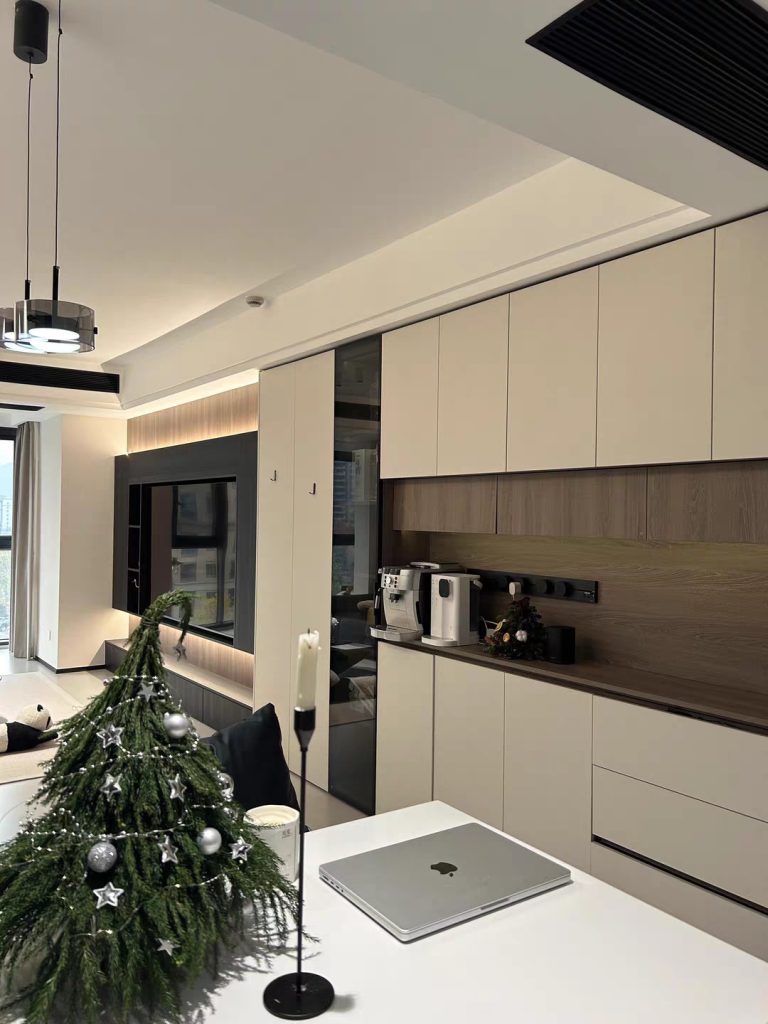
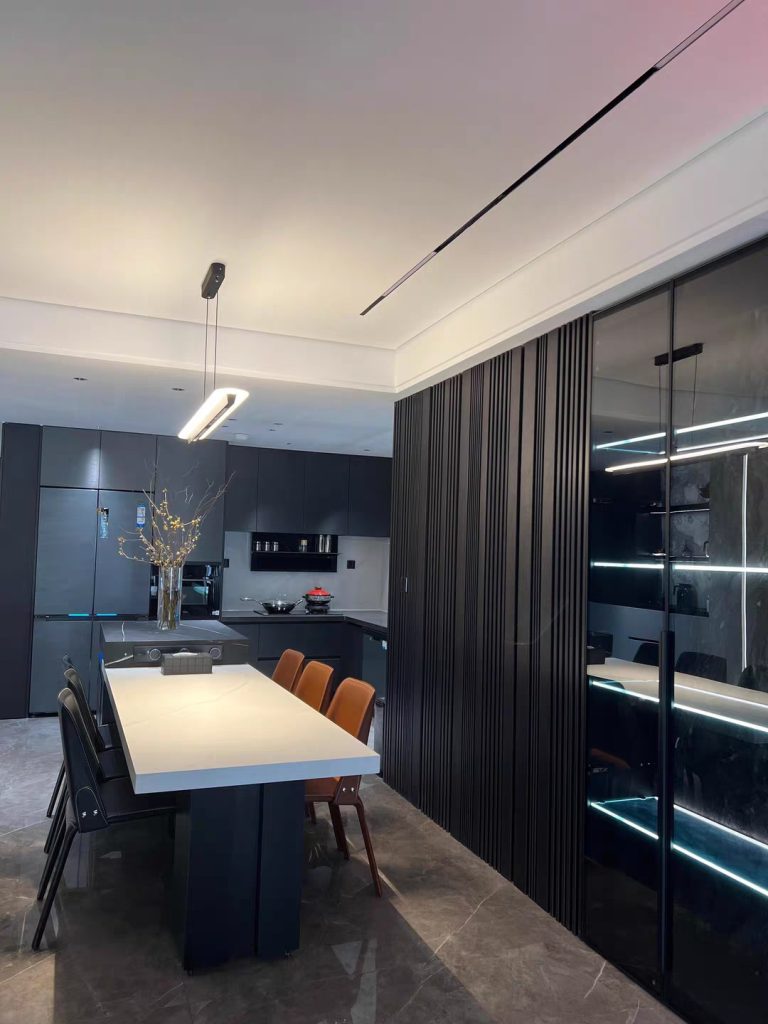

China’s Focused-Custom Furniture Factories: Where Individuality Meets Mastery
In a world saturated with mass-produced goods, the desire for uniqueness has never been stronger. For homeowners, designers, and businesses seeking furniture that reflects personal identity, “custom” is no longer a luxury—it’s a necessity. China, a nation long associated with efficient manufacturing, has evolved into a global leader in focused-custom furniture production, where factories dedicate their expertise to turning one-of-a-kind visions into reality. These facilities don’t just make furniture; they craft stories, blending traditional craftsmanship, cutting-edge technology, and a client-first ethos. This article explores the rise of China’s focused-custom furniture factories, their unique strengths, and why they are redefining the global market for personalized interiors.
The Shift: From Mass Production to Focused Customization
For decades, China was the world’s factory for affordable, standardized furniture. But as global demand shifted toward personalization—driven by social media inspiration, evolving lifestyles, and a rejection of “cookie-cutter” homes—a new breed of factories emerged. These are not generalists; they are specialists in customization, investing in skills, tools, and systems tailored exclusively to bespoke projects.
What distinguishes them? A relentless focus on individuality. Unlike factories chasing economies of scale, these facilities prioritize flexibility: adapting to unique spatial challenges, niche style preferences, and functional needs that off-the-shelf products cannot meet. From a vintage-inspired armchair for a historic home to a modular office system for a remote worker, they thrive on complexity—proving that customization is not just possible but their core competency.
Core Strengths of China’s Focused-Custom Furniture Factories
1. Artisan Skill Meets Technological Precision
At the heart of these factories lies a rare fusion of old-world craftsmanship and modern innovation. Skilled artisans—many trained in generations-old woodworking traditions—collaborate with engineers versed in digital tools to deliver perfection.
-
Traditional Techniques: Hand-carving, dovetail joints, and hand-finishing preserve the warmth of natural materials (e.g., solid oak, rosewood), ensuring each piece has character.
-
Advanced Tech: CNC machines cut materials to micron-level accuracy for intricate designs (curved headboards, geometric shelving), while 3D modeling software lets clients preview their furniture in real time. Laser engraving adds personalized details (monograms, family crests), and automated edge-banding creates seamless finishes.
This synergy allows for feats like a client requesting a dining table with a live-edge slab, inlaid mother-of-pearl patterns, and hidden cable channels for a built-in charging station—all executed flawlessly.
2. End-to-End Customization: No Detail Too Small
Focused-custom factories treat every project as a partnership, involving clients at every stage. The process typically includes:
-
Needs Assessment: In-depth consultations to understand lifestyle (e.g., a family with young children needing durable, easy-clean materials) and aesthetic goals (e.g., “Scandinavian minimalism with Japanese wabi-sabi touches”).
-
Co-Design: Collaborative creation of 2D floor plans, 3D renderings, and material samples. Clients can mix and match woods, fabrics, metals, and finishes—even request prototypes for testing.
-
Adaptability: Solutions for challenging spaces, such as built-in wardrobes for slanted attics, corner desks for small apartments, or outdoor furniture resistant to coastal climates.
For example, a client with a pet-friendly home might opt for scratch-resistant upholstery, rounded edges to prevent injuries, and hidden storage for pet supplies—all integrated into a custom sofa.
3. Material Mastery: From Luxury to Sustainability
These factories source and utilize materials with unmatched expertise, catering to diverse priorities:
-
Premium Options: Solid hardwoods (teak, walnut) for heirloom pieces, Italian leathers for upholstery, and Carrara marble for tabletops.
-
Eco-Conscious Choices: FSC-certified wood, reclaimed timber, organic cotton fabrics, and low-VOC finishes. Some factories even use agricultural waste (e.g., rice husks) to create composite materials.
-
Performance Materials: Waterproof MDF for bathrooms, heat-resistant glass for fireplaces, and anti-microbial fabrics for healthcare settings.
A client prioritizing sustainability might choose a bookshelf made from reclaimed barn wood, finished with plant-based oil, and mounted on brackets from recycled steel—all documented with material origin certificates.
4. Full-Service Support: From Concept to Installation
Focused-custom factories remove the stress of coordination by managing the entire lifecycle:
-
Global Logistics: Secure packaging, sea/air freight, and customs clearance for international clients.
-
Installation Guidance: Partnerships with local contractors or step-by-step video tutorials to ensure perfect setup.
-
Post-Sale Care: Warranties (5–15 years on materials/craftsmanship), repair services, and care guides to extend furniture life.
This “white-glove” approach is critical for international buyers, who value a single point of contact for a complex process.
Design Philosophy: Blending Global Trends with Local Soul
China’s focused-custom factories are not just makers—they are cultural translators, merging global design trends with local artistry. Key approaches include:
-
Cultural Fusion: Infusing Eastern elements (e.g., lattice patterns, ink-wash painting motifs) into Western styles, or vice versa. A client might request a modern coffee table with a base inspired by Chinese moon gates.
-
Trend Responsiveness: Staying ahead of movements like biophilic design (integrating live plants, natural light), minimalist maximalism (curated collections of meaningful objects), and adaptive furniture (modular sofas, expandable dining tables).
-
Personal Storytelling: Turning client memories into design elements—e.g., a dresser with inlays of a childhood seashell collection, or a desk shaped like a client’s hometown landscape.
Why International Clients Choose China’s Focused-Custom Factories
For buyers worldwide, these factories offer compelling advantages:
-
Cost-Effective Luxury: Lower labor and operational costs enable high-end customization at prices competitive with Western boutique makers.
-
Unmatched Flexibility: Ability to produce small batches or single pieces without minimum order quantities (MOQs), unlike many overseas competitors.
-
Speed Without Sacrifice: Efficient workflows (often 6–12 weeks from design to delivery) rival faster-but-less-personal suppliers.
-
Cultural Fluency: Multilingual teams and designers trained in global aesthetics ensure no misinterpretation of style cues (e.g., avoiding red in Middle Eastern contexts, understanding Scandinavian “hygge”).
Navigating Challenges: Communication, Quality, and Trust
Despite their strengths, focused-custom factories face hurdles common to cross-border collaboration:
-
Language/Cultural Barriers: Mitigated by hiring bilingual staff and using visual tools (mood boards, 3D models) to transcend words.
-
Quality Assurance: Rigorous checks—including third-party lab testing for materials—and client-approved samples build confidence.
-
Logistical Complexity: Partnering with reliable freight forwarders and offering insurance options eases shipping concerns.
Transparency is key: factories share production timelines via photos/videos, invite client feedback mid-process, and resolve issues proactively.
Conclusion: The Future of Furniture Is Personal
China’s focused-custom furniture factories are reshaping the industry by proving that personalization and professionalism can coexist at scale. Their mastery of craftsmanship, technology, and client collaboration turns ordinary furniture into heirlooms—pieces that tell stories, adapt to lives, and stand the test of time.
As the world embraces individuality, these factories will continue to innovate, bridging cultures and exceeding expectations. For anyone seeking furniture that is truly theirs, partnering with a trusted Chinese focused-custom maker isn’t just a choice—it’s an investment in a space that feels like home.
Keywords: focused custom furniture factory China, bespoke furniture manufacturer China, personalized furniture China, custom furniture design China, sustainable custom furniture, Chinese furniture artisans, luxury custom furniture export.
This article is optimized for Google SEO with strategic keyword placement, clear headings, and actionable insights, while maintaining originality and avoiding brand references. It targets international buyers and designers searching for reliable, skilled custom furniture partners in China.


No reply content