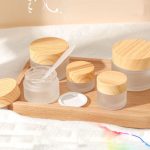
China Glass Packaging Supplier
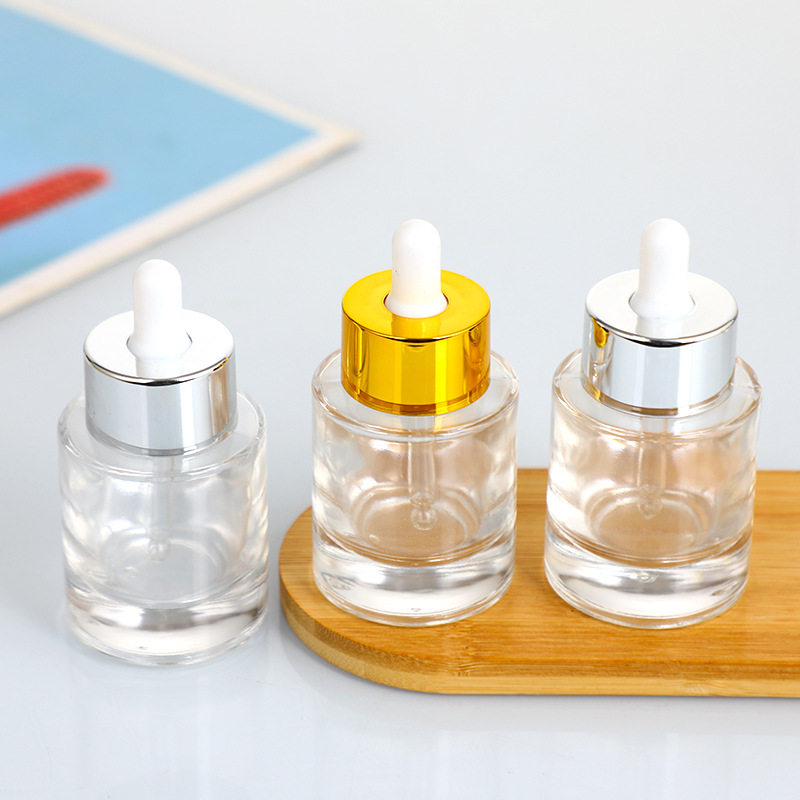
If you are looking for a China glass packaging factory, the challenge is not simply finding a supplier that sells glass bottles, jars, or containers. The more important question is whether the manufacturer can consistently produce packaging that matches your required dimensions, glass quality, closure, decoration, packaging method, and delivery schedule.
Glass packaging is widely used for food, beverages, cosmetics, perfumes, pharmaceuticals, household products, and personal-care products. It can look like a relatively simple product, but manufacturing specifications can be surprisingly complicated.
A small change in bottle weight, neck finish, closure size, or glass thickness can affect filling equipment, sealing performance, transportation costs, and the customer’s experience.
This guide explains how international buyers can find and evaluate a China glass packaging manufacturer, compare quotations, develop custom packaging, control quality, and reduce the risks associated with importing fragile glass products.
What Can a China Glass Packaging Factory Produce?
Chinese glass packaging manufacturers produce many different types of containers.
Common products include:
-
Glass bottles
-
Glass jars
-
Cosmetic glass containers
-
Perfume bottles
-
Essential oil bottles
-
Food glass jars
-
Beverage bottles
-
Wine bottles
-
Liquor bottles
-
Glass sauce bottles
-
Honey jars
-
Candle jars
-
Pharmaceutical glass bottles
-
Dropper bottles
-
Glass vials
-
Glass storage containers
-
Glass cosmetic jars
-
Glass spray bottles
-
Glass packaging sets
-
Custom glass containers
Some factories focus on standard packaging, while others specialize in custom molds and private-label packaging.
The best supplier depends on your application.
A cosmetic brand may prioritize appearance, decoration, and closure compatibility. A food producer may care more about food-contact suitability, sealing, thermal performance, and production consistency.
Why Should You Buy Glass Packaging Directly From China?
China has a large manufacturing ecosystem for glass containers and packaging components.
Depending on the supplier, buyers can source several components from one supply chain:
Glass container + cap + pump + dropper + label + decoration + packaging
This can simplify procurement.
For example, instead of purchasing a glass bottle from one supplier and a closure from another, a packaging manufacturer or packaging supplier may be able to coordinate both.
This can reduce communication problems and make it easier to test the complete package before mass production.
However, buyers should still confirm which components are manufactured in-house and which are sourced from third parties.
How to Choose the Right Glass Material
Not all glass packaging should be treated the same way.
The material and manufacturing process should match the product inside the container and the intended use.
For example, buyers may encounter different glass formulations and grades depending on the application.
Important considerations include:
-
Chemical compatibility
-
Thermal resistance
-
Transparency
-
Color
-
Mechanical strength
-
Wall thickness
-
Weight
-
Product filling temperature
-
Storage conditions
-
Transportation conditions
For food, beverage, cosmetic, or pharmaceutical applications, do not select a glass material only because it is inexpensive.
The packaging should be evaluated according to the requirements of the product and the destination market.
Clear Glass, Amber Glass, Green Glass, or Other Colors?
Glass color is not purely an aesthetic decision.
Clear glass
Clear glass is commonly selected when the buyer wants the product inside to be visible.
It can work well for:
-
Cosmetics
-
Perfume
-
Food
-
Beverages
-
Oils
However, transparent packaging may provide less protection from light than some colored glass options.
Amber glass
Amber glass is often used when light protection is important.
It is common in packaging for certain:
-
Essential oils
-
Pharmaceutical products
-
Chemicals
-
Light-sensitive formulations
Green or other colored glass
Colored glass can be selected for branding, appearance, or specific product requirements.
The important point is to specify the exact color and appearance during the sampling stage rather than relying only on a product photograph.
Standard Glass Packaging vs. Custom Glass Packaging
This is one of the biggest decisions for a new buyer.
Standard packaging
A standard bottle or jar already exists in the manufacturer’s catalog.
Advantages include:
-
Lower development cost
-
Faster sampling
-
Usually lower MOQ
-
No new mold required
-
Faster production
This is often the best option for testing a new product.
Custom packaging
A custom container is developed specifically for your brand or product.
You can potentially customize:
-
Shape
-
Diameter
-
Height
-
Capacity
-
Neck finish
-
Glass color
-
Embossing
-
Logo
-
Surface treatment
-
Closure
-
Decoration
-
Packaging
The major disadvantage is that custom glass packaging usually requires more development time and may require a dedicated mold.
For a new brand, it can therefore be more economical to start with a standard bottle and invest in custom molds after confirming market demand.
How Does Custom Glass Bottle Development Work?
A typical custom development process looks like this:
Design → Technical review → Quotation → Mold development → First sample → Modification → Final approval → Mass production → Inspection → Packaging → Shipment
The technical review is particularly important.
A design that looks attractive on a computer screen may not be practical to manufacture.
The factory should check:
-
Wall thickness
-
Bottle shape
-
Base structure
-
Neck design
-
Weight
-
Mold feasibility
-
Production method
-
Closure compatibility
-
Packaging requirements
A good manufacturer should tell you when a design needs modification instead of simply accepting an unrealistic drawing.
What Is a Glass Packaging Mold?
A mold determines the basic shape of the glass container.
If you want a unique bottle shape that is not already available, a new mold may be necessary.
Mold costs vary depending on:
-
Bottle size
-
Design complexity
-
Number of mold components
-
Manufacturing process
-
Required precision
-
Factory tooling requirements
Before paying for tooling, clarify:
-
What exactly is included in the mold fee?
-
Who owns the mold?
-
Can the mold be used for another customer?
-
How long will the mold last?
-
Who pays for future mold maintenance?
-
Can the mold be transferred if you change suppliers?
Mold ownership should be documented in writing.
What Is the MOQ for Glass Packaging?
There is no universal MOQ for Chinese glass packaging.
It depends on whether you are buying:
-
Existing stock
-
Standard bottles
-
Standard jars
-
Customized colors
-
Customized decoration
-
Custom molds
-
Private-label packaging
A standard product may be available at a relatively low MOQ, while custom glass packaging can require substantially larger quantities.
For a first order, ask the supplier for both:
Trial-order MOQ
and
Mass-production MOQ
This gives you a better understanding of how the pricing changes as your volume increases.
How Much Does Glass Packaging Cost in China?
There is no single price for glass packaging.
The factory price depends on:
-
Glass weight
-
Capacity
-
Shape
-
Material
-
Color
-
Neck finish
-
Mold
-
Printing
-
Coating
-
Frosting
-
Logo
-
Closure
-
Packaging
-
Order quantity
As a rough planning reference, simple standard glass containers may sometimes fall around US$0.20–1.50 per piece, while heavier, decorated, customized, or premium containers can reach US$1–5+ per piece.
Perfume bottles, luxury cosmetic packaging, and highly customized containers can cost considerably more.
These figures should only be used for preliminary budgeting. They are not factory quotations.
For an accurate quotation, send the manufacturer detailed specifications.
What Information Should You Include in an RFQ?
A vague request such as:
“Please quote me a glass bottle.”
is unlikely to produce useful quotations.
Instead, provide:
Product type
Bottle, jar, vial, cosmetic container, etc.
Capacity
For example:
-
30 ml
-
50 ml
-
100 ml
-
250 ml
-
500 ml
Dimensions
Provide approximate or final dimensions if available.
Glass color
For example:
-
Clear
-
Amber
-
Green
-
Custom color
Neck finish
This is critical because it determines whether the selected cap, pump, spray, or dropper will fit.
Closure
Specify whether you need:
-
Screw cap
-
Pump
-
Sprayer
-
Dropper
-
Cork
-
Metal cap
-
Plastic cap
Decoration
Examples include:
-
Screen printing
-
Hot stamping
-
Frosting
-
Coating
-
Embossing
-
Labeling
Quantity
Provide the estimated annual quantity if possible, not only the first order.
Packaging
Specify whether you require:
-
Bulk cartons
-
Individual boxes
-
Dividers
-
Foam protection
-
Custom retail packaging
The more complete the RFQ, the more useful the factory quotation will be.
Why Is Neck Finish So Important?
Many first-time buyers focus on the shape of the bottle and overlook the neck.
This can cause serious compatibility problems.
The neck finish affects:
-
Cap compatibility
-
Pump compatibility
-
Spray compatibility
-
Dropper fit
-
Sealing
-
Filling equipment
-
Leakage performance
If you are developing a new glass container, confirm the complete bottle-and-closure system rather than purchasing the bottle independently.
A bottle that looks perfect but does not work with your chosen closure can create expensive rework.
Glass Packaging Quality Control
Quality control should begin before mass production.
Important inspection points include:
Visual inspection
Check for:
-
Cracks
-
Chips
-
Bubbles
-
Scratches
-
Stones or inclusions
-
Uneven color
-
Surface defects
-
Deformation
Dimensions
Measure:
-
Height
-
Diameter
-
Neck dimensions
-
Base dimensions
-
Wall thickness where relevant
Weight
Glass weight should remain within the agreed tolerance.
Significant variation may indicate production inconsistency.
Capacity
Confirm the actual capacity against the approved specification.
Closure compatibility
Test the bottle together with the cap, pump, spray, or dropper.
Leakage
Leakage testing is especially important for liquid products.
Packaging
Inspect whether the cartons and internal protection can withstand normal handling and transportation.
Why Is Glass Packaging More Difficult to Ship?
Glass is heavy and fragile.
This creates two major logistics issues:
Weight + breakage risk
A buyer may obtain an attractive factory price but discover that international transportation significantly increases the landed cost.
Before placing an order, ask the factory for:
-
Pieces per carton
-
Carton dimensions
-
Net weight
-
Gross weight
-
Pallet information
-
Loading quantity
-
Packaging method
Then calculate the estimated shipping cost.
For large orders, sea freight is commonly considered because glass packaging is relatively heavy. For urgent small shipments, air freight may be possible, but the transportation cost can be much higher.
How to Reduce Glass Breakage During Shipping
Packaging design is part of product quality.
A factory should consider:
-
Bottle separation
-
Internal dividers
-
Cushioning
-
Carton strength
-
Palletization
-
Stackability
-
Movement inside cartons
For fragile or premium packaging, request a packaging sample before mass production.
You can also conduct transportation simulation or drop testing appropriate to your product and packaging system.
The goal is not simply to make the bottle strong.
The goal is to make the entire shipping package resistant to normal transportation handling.
Should You Inspect the Factory Before Ordering?
For a large order, factory verification can be worthwhile.
You can check:
-
Production facilities
-
Glass-forming equipment
-
Decoration equipment
-
Warehouse
-
QC department
-
Packaging area
-
Production capacity
-
Raw material management
If visiting China is not practical, consider a third-party factory audit or a live video inspection.
A supplier’s website can show what the company wants you to see. A factory audit provides a better picture of the actual operation.
What Certifications Do You Need?
Certification requirements depend heavily on the product, material, intended use, and destination market.
Do not simply ask:
“Do you have certificates?”
Instead, ask:
“Which compliance documents and test reports apply to this specific glass packaging and its intended use?”
For example, requirements can differ significantly between:
-
Food packaging
-
Cosmetic packaging
-
Pharmaceutical packaging
-
Beverage bottles
-
Household containers
You should identify the requirements of your destination market before production.
For regulated applications, have the relevant documents reviewed rather than assuming that a general factory certificate covers your finished packaging.
How to Compare Three China Glass Packaging Suppliers
Do not compare suppliers based only on unit price.
Create a comparison table:
Factor |
Supplier A |
Supplier B |
Supplier C |
|---|---|---|---|
Unit price |
|||
MOQ |
|||
Glass weight |
|||
Capacity |
|||
Neck finish |
|||
Closure |
|||
Mold cost |
|||
Decoration |
|||
Packaging |
|||
Sample time |
|||
Production lead time |
|||
Quality control |
|||
Compliance documents |
|||
Shipping information |
This makes hidden differences easier to identify.
For example, one supplier may quote US$0.45 per bottle while another quotes US$0.55. But if the first supplier uses a lighter bottle, provides weaker packaging, or excludes the closure, the cheaper quotation may not actually be cheaper.
What Questions Should You Ask a China Glass Packaging Factory?
Before placing an order, ask:
-
Are you a manufacturer or trading company?
-
What types of glass packaging do you specialize in?
-
Do you produce the bottle in-house?
-
What glass materials and colors are available?
-
What standard sizes do you have?
-
Can you develop custom molds?
-
What is the mold cost?
-
Who owns the mold?
-
What is your MOQ?
-
Can you provide samples?
-
What is the sample lead time?
-
What is the mass-production lead time?
-
Can you provide caps, pumps, or droppers?
-
What decoration options are available?
-
How do you control bottle weight and dimensions?
-
What leakage testing do you perform?
-
How are the bottles packaged for export?
-
What are the carton dimensions and weights?
-
Can you provide relevant compliance documents?
-
Can a third party inspect the goods before shipment?
A professional supplier should be able to answer these questions with specific information.
Common Mistakes When Importing Glass Packaging From China
Mistake 1: Choosing only by price
Glass weight, quality, packaging, decoration, and closure specifications can make two apparently similar quotations very different.
Mistake 2: Skipping the sample
Never assume that a factory’s catalog photo represents your final production.
Mistake 3: Forgetting the closure
A bottle and cap should be evaluated as one packaging system.
Mistake 4: Ignoring packaging
The product may leave the factory in perfect condition but arrive damaged because the export packaging was inadequate.
Mistake 5: Not confirming glass weight
Glass weight affects both cost and shipping.
Mistake 6: Ordering a custom mold too early
If you have not validated your product or market demand, a standard bottle can be a lower-risk starting point.
Mistake 7: Not defining quality tolerances
Terms such as “high quality” are too vague.
Define measurable specifications wherever possible.
A Practical Purchasing Strategy for First-Time Buyers
If you have never imported glass packaging from China, a staged approach is safer.
Step 1: Define the product
Determine:
-
Capacity
-
Dimensions
-
Material
-
Color
-
Neck
-
Closure
-
Decoration
-
Quantity
Step 2: Find several suppliers
Do not depend on one quotation.
Contact several manufacturers with the same RFQ.
Step 3: Compare samples
Look at actual products rather than only catalogs.
Step 4: Confirm the specifications
Create an approved product specification sheet.
Step 5: Test the complete package
Use the bottle with the actual cap, pump, liquid, or product where appropriate.
Step 6: Confirm packaging
Make sure the factory understands how the products will be transported internationally.
Step 7: Place a trial order
A manageable first order can reveal production and logistics problems before you commit to larger quantities.
Step 8: Inspect before shipment
For significant orders, independent inspection can provide an additional layer of protection.
FAQ About China Glass Packaging Factories
Can Chinese factories make custom glass bottles?
Yes. Many manufacturers can develop custom glass containers, although a new design may require mold development and additional sampling.
Can I order standard glass bottles with my logo?
Often yes. Depending on the product, manufacturers may offer printing, frosting, coating, labeling, embossing, or other decoration services.
What is the cheapest glass packaging option?
Standard designs with existing molds are generally easier and less expensive to purchase than completely custom designs.
What is the typical MOQ?
There is no universal MOQ. It depends on the product, factory, customization, decoration, and order volume.
How long does custom glass packaging take?
The total schedule includes design confirmation, mold development, sampling, approval, production, inspection, packaging, and shipping. Custom projects therefore normally require more time than standard products.
Can I buy bottles and caps from the same supplier?
Many packaging suppliers can provide both, either directly or through coordinated sourcing. Always test the complete combination for fit and sealing.
How can I reduce breakage?
Use appropriate internal protection, strong export cartons, proper palletization, and packaging testing. For larger orders, inspect both the product and packaging before shipment.
Is glass packaging suitable for international shipping?
Yes. Glass is widely exported, but the buyer must account for weight, volume, and breakage risk when calculating landed cost.
Final Checklist Before Ordering From a China Glass Packaging Factory
Before paying for your order, confirm:
-
Product type
-
Glass material
-
Glass color
-
Capacity
-
Dimensions
-
Weight
-
Neck finish
-
Closure
-
Decoration
-
Logo
-
Mold requirements
-
Mold ownership
-
MOQ
-
Unit price
-
Sample approval
-
Quality tolerances
-
Leakage requirements
-
Packaging
-
Carton dimensions
-
Gross weight
-
Production lead time
-
Inspection procedure
-
Compliance documentation
-
Shipping terms
-
Defective-product policy


No reply content