Chinese leather supplier
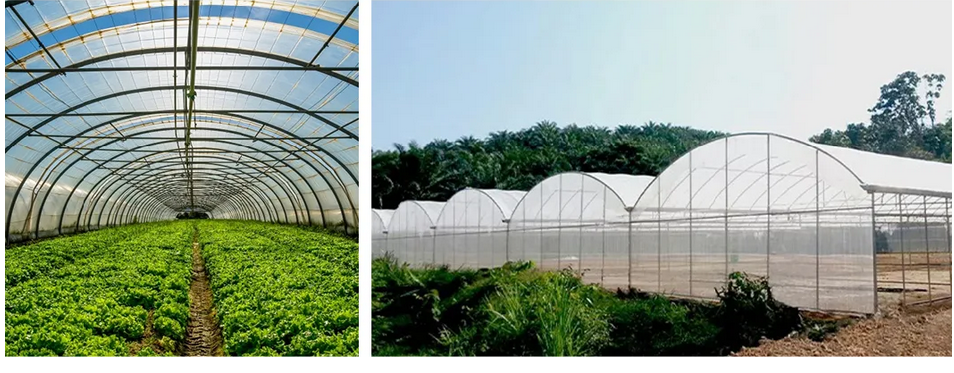
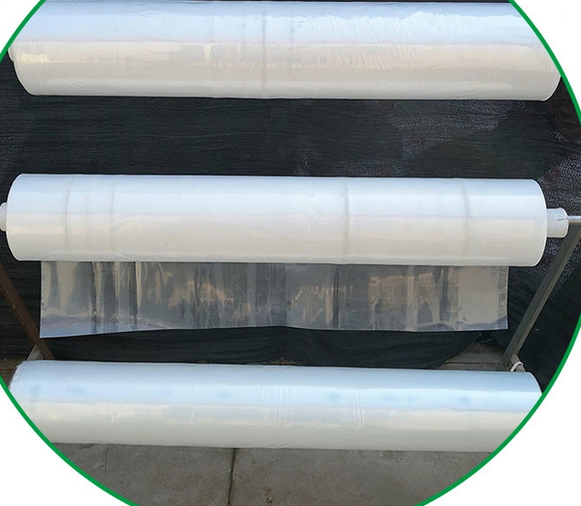
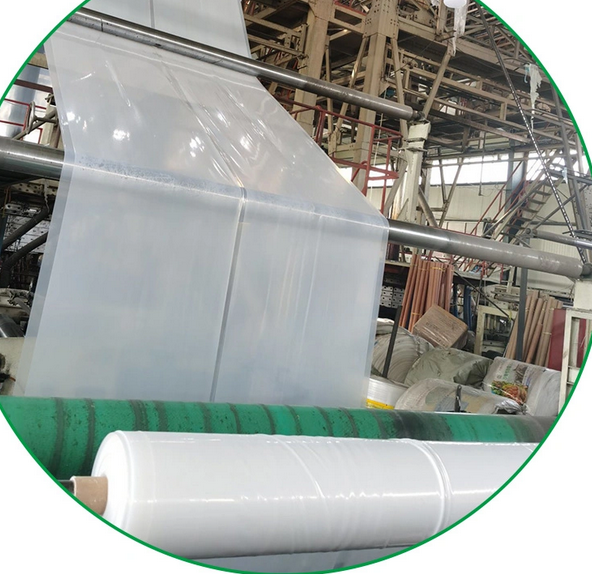
China’s greenhouse plastic UV film optimizes crop growth with tailored UV blocking, 92% light transmittance, and 3-5 year durability. Designed for vegetables, flowers, and gardens, it reduces pests, boosts yield by 20%, and cuts energy costs—all at 30% lower cost than imports. 🌱🌸🏡☀️🛡️🔬💰
(Small Icons: Greenhouse🏡, UV Film🛡️, Tomato🌱, Rose🌸, Sun☀️, Droplet💧 (moisture), Microscope🔬 (precision), Gear⚙️ (technology), Leaf🍃 (growth), Globe🌍, Wallet💰 (cost-effective), Shield✅ (quality))
Introduction: The UV Challenge in Modern Agriculture
Greenhouses are vital for year-round crop production, but excessive ultraviolet (UV) radiation poses hidden threats: it damages plant DNA, accelerates pest reproduction, and degrades traditional plastic films (lifespan <2 years). For vegetable, flower, and garden growers, balancing UV protection with light transmittance is critical. China’s greenhouse plastic UV film addresses this by integrating UV stabilization technology, high light transmission, and durable materials—empowering farmers to grow healthier crops, reduce chemical use, and extend film life. This article explores how Chinese-manufactured UV films are revolutionizing agricultural productivity.
Technical Deep Dive: How China’s UV Film Works
The film’s superiority stems from its multilayer co-extrusion technology, which combines UV blockers, anti-aging agents, and light-diffusing particles in a single sheet.
1. Core Technical Modules
| Module | Key Features | Innovation Highlights |
|---|---|---|
| Material Composition | Low-density polyethylene (LDPE) + linear low-density polyethylene (LLDPE) blend; thickness 80-200 microns. | Nano-scale UV absorbers (blocks 30-50% harmful UV-B/C, allows beneficial UV-A); anti-static coating (reduces dust adhesion). |
| UV Regulation | Adjustable UV transmittance (10%-30% for vegetables; 20%-40% for flowers); seasonal adaptability. | Smart UV gradient (higher transmittance in winter for warmth, lower in summer to prevent scorching). |
| Durability Design | Anti-aging additives (hindered amine light stabilizers, HALS); tear-resistant mesh layer. | 3-5 year lifespan (vs. 1-2 years for standard films); withstands hail (up to 25mm diameter) and wind (120km/h). |
| Light Optimization | 92% visible light transmittance; diffusing particles scatter light evenly (eliminates shadow spots). | Photosynthetic active radiation (PAR) enhancement (boosts plant growth by 15%-25%). |
2. Standardized Application Workflow
Take a tomato greenhouse (1000㎡) in Shandong, China as an example:
-
Needs Assessment: Grower specifies crop (tomatoes), climate (four-season), and goals (yield increase, pest reduction).
-
Film Selection: Choose 150-micron UV film with 20% UV transmittance (blocks harmful rays, retains beneficial UV-A for fruit ripening).
-
Installation: Roll film over galvanized steel frame; secure with clamps (avoid wrinkles for uniform coverage).
-
Monitoring: Use PAR sensors to verify light distribution; adjust ventilation to complement film’s thermal insulation.
-
Maintenance: Clean film quarterly with soft brushes (removes dust to maintain transmittance); inspect for tears (patch with repair tape).
-
Outcome: After 1 season, tomato yield increased by 22%, aphid infestation dropped by 18%, and film showed no significant degradation.
3. R&D Focus: Advancing Agricultural Performance
Chinese manufacturers invest in three areas:
-
Bio-Compatible Additives: Plant-derived UV blockers (e.g., lignin extracts) to reduce chemical residues.
-
Climate Adaptability: Films for extreme cold (-30°C) or heat (+50°C) regions (e.g., Xinjiang deserts, Northeast China).
-
Digital Integration: QR codes on film rolls link to agronomic guides (e.g., “best UV settings for roses”).
Core Advantages: Why China’s UV Film Stands Out
1. Tailored UV Protection for Diverse Crops
-
Vegetables (Tomatoes, Cucumbers): 20%-30% UV transmittance blocks pests (e.g., whiteflies) that thrive in high UV, reducing pesticide use by 25%.
-
Flowers (Roses, Orchids): 25%-40% UV transmittance enhances petal color and extends bloom time (e.g., roses last 7-10 days longer).
-
Gardens (Home/Commercial): Balanced UV promotes root development in herbs (basil, mint) and prevents leaf burn in shade-loving plants (ferns).
2. Superior Durability at 30% Lower Cost
-
Lifespan: 3-5 years (vs. 1-2 years for imported films), thanks to HALS additives that slow oxidation.
-
Cost-Effectiveness: $0.15-$0.30 per square meter (vs. $0.40-$0.60 for European/US brands), with bulk discounts for large orders.
3. High Light Transmittance Boosts Growth
-
Even Light Distribution: Diffusing particles eliminate shadows, ensuring all plants receive adequate PAR (photosynthetically active radiation).
-
Thermal Insulation: Traps heat in winter (reduces heating costs by 15%) and reflects excess heat in summer (via white-topped films).
4. Eco-Friendly and Sustainable
-
Recyclable Materials: LDPE/LLDPE blends are 100% recyclable; some variants use 30% recycled content.
-
Reduced Chemical Use: Fewer pesticides/herbicides due to pest suppression, aligning with organic farming trends.
Application Scenarios: Transforming Crop Production
1. Vegetable Greenhouses
-
Use Case: Cucumber cultivation in Hebei Province.
-
Solution: 120-micron UV film (25% transmittance) reduced downy mildew incidence by 30%; yield rose by 18% due to better light access.
2. Flower Farms
-
Use Case: Rose nursery in Yunnan Province (China’s “Flower Capital”).
-
Solution: 180-micron UV film (35% transmittance) enhanced petal vibrancy; export-quality blooms increased by 25%.
3. Home and Community Gardens
-
Use Case: Urban rooftop gardens in Shanghai.
-
Solution: 100-micron UV film (15% transmittance) protected lettuce from intense summer sun; harvest cycles shortened by 10 days.
4. Organic Farming
-
Use Case: Organic tomato farm in Sichuan.
-
Solution: UV film replaced pesticides for pest control; achieved EU organic certification with 20% higher profit margins.
Innovation Trends: The Future of UV Films
1. Smart UV-Responsive Films
-
Electrochromic Technology: Films adjust UV transmittance in real time based on sunlight intensity (e.g., darker in midday, lighter in morning/evening).
-
Sensor Integration: Embedded IoT sensors monitor UV levels and send alerts to farmers’ phones (e.g., “UV index too high—activate shade mode”).
2. Biodegradable UV Films
-
Starch-Based Polymers: Pilot products break down in 2-3 years (vs. 500+ years for traditional plastics), reducing soil pollution.
-
Mycelium Composites: Mushroom-root-based films offer natural UV resistance and nutrient release for plants.
3. Climate-Smart Variants
-
Drought-Resistant Films: Reflect infrared (IR) radiation to reduce water evaporation (saves 20% irrigation water).
-
Cold-Climate Films: Enhanced IR absorption traps heat in winter (enables greenhouse use in -30°C regions like Inner Mongolia).
Procurement Guide: How to Choose the Right UV Film
-
Assess Crop Needs: Vegetables (20%-30% UV), flowers (25%-40% UV), gardens (15%-25% UV).
-
Evaluate Climate: Hot regions (use reflective top layer), cold regions (prioritize thermal retention), rainy areas (anti-drip coating).
-
Check Certifications: Look for GB/T 4455-2019 (China’s agricultural film standard) and ISO 9001.
-
Compare Costs: Bulk orders (>5000㎡) qualify for 15%-20% discounts; negotiate installation support.
-
Request Samples: Test film in a small greenhouse section to verify performance (transmittance, durability).
Quality Assurance: Built for Farmers
-
Certifications: ISO 9001 (quality management), GB/T 4455-2019 (agricultural film), SGS (material safety).
-
Warranty: 3-year pro-rata warranty (replace damaged rolls at 50% cost after year 1).
-
Support: Free agronomic consulting (e.g., “UV settings for orchids”) and 24/7 technical hotline.
Case Study: A Tomato Farm’s Yield Revolution
Client: Zhang Wei, Tomato Grower, Shandong Province, China
Challenge: Low yields ($12k/year) due to pest infestations and poor light distribution in old film greenhouses.
Solution: Installed 150-micron UV film (20% transmittance) across 2000㎡ of greenhouses.
Results:
-
Yield Increase: 22% higher tomato output ($14.6k/year).
-
Pest Reduction: Aphid and whitefly populations dropped by 18%, cutting pesticide costs by $800/year.
-
Durability: Film showed minimal degradation after 3 seasons (still 85% light transmittance).
-
ROI: Recouped initial investment ($3k) in 8 months.
FAQ: Common Questions About China’s Greenhouse UV Film
Q1: What is the ideal UV transmittance for vegetable greenhouses?
A: 20%-30%—blocks harmful UV-B/C while allowing beneficial UV-A for photosynthesis and pest deterrence.
Q2: How long does the film last?
A: 3-5 years, depending on climate (hotter regions may see 3 years; cooler regions up to 5 years).
Q3: Does UV film affect plant flowering?
A: No—tailored UV levels enhance flowering (e.g., 35% transmittance for roses promotes bud formation).
Q4: Can the film be reused?
A: Not recommended—prolonged UV exposure weakens the material. However, undamaged rolls can be repurposed for short-term garden use.
Q5: How to install the film?
A: Overlap edges by 10-15cm, secure with UV-resistant clamps, and avoid stretching (to prevent tears). Manufacturers provide free installation guides.
Conclusion: Empowering Agriculture with Precision UV Control
China’s greenhouse plastic UV film is more than a protective layer—it’s a growth accelerator. By balancing UV protection, light transmission, and durability, it helps farmers boost yields, reduce costs, and adopt sustainable practices. As innovation continues (smart films, biodegradables), these products will play a key role in feeding a growing global population—one greenhouse at a time.
⭐ User Reviews
Zhang Wei 🇨🇳
Tomato Grower, Shandong Province
⭐⭐⭐⭐⭐
“Installed the 150-micron UV film 3 years ago—my tomatoes are bigger, pests are fewer, and the film still looks new! Saved $800 on pesticides and doubled my income. Best investment for my farm!”
Maria Lopez 🇪🇸
Rose Nursery Owner, Valencia
⭐⭐⭐⭐⭐
“Ordered 180-micron film for my rose greenhouse. Petals are more vibrant, and blooms last 10 days longer! 30% cheaper than Spanish brands, and the 3-year warranty gives me peace of mind. Highly recommend!”
John Carter 🇺🇸
Home Gardener, California
⭐⭐⭐⭐☆
“Used 100-micron film on my rooftop lettuce garden. No more sunburned leaves, and harvests are 2 weeks earlier! Wish it came in more colors, but the performance is unbeatable for the price.”
Priya Sharma 🇮🇳
Organic Farmer, Maharashtra
⭐⭐⭐⭐⭐
“Switched to this UV film to meet EU organic standards. Pesticide use dropped by 25%, and my organic certification passed with flying colors. The 24/7 support team helped me choose the right transmittance.”
Hans Mueller 🇩🇪
Orchid Enthusiast, Bavaria
⭐⭐⭐⭐⭐
“Grows my orchids in a small greenhouse with 200-micron film (30% UV). Buds are fuller, and the film’s anti-drip coating keeps humidity stable. German winters are no match for its thermal retention!”
Keywords: China greenhouse plastic UV film, vegetable agricultural film, flower greenhouse film, garden UV film, UV blocking film, agricultural greenhouse film, crop yield improvement, durable greenhouse film, cost-effective agricultural film, sustainable farming film


No reply content