
China Professional Hair Clipper Manufacturing Co., Ltd.
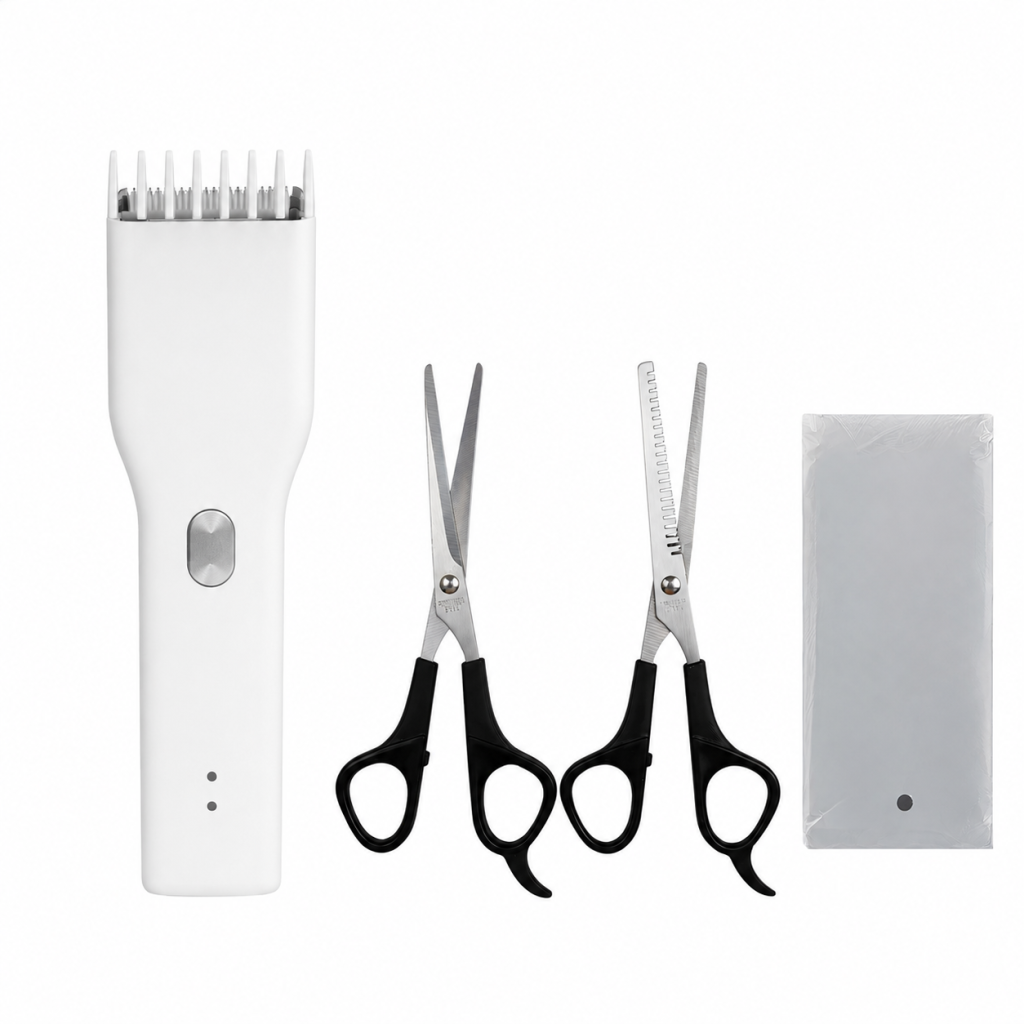
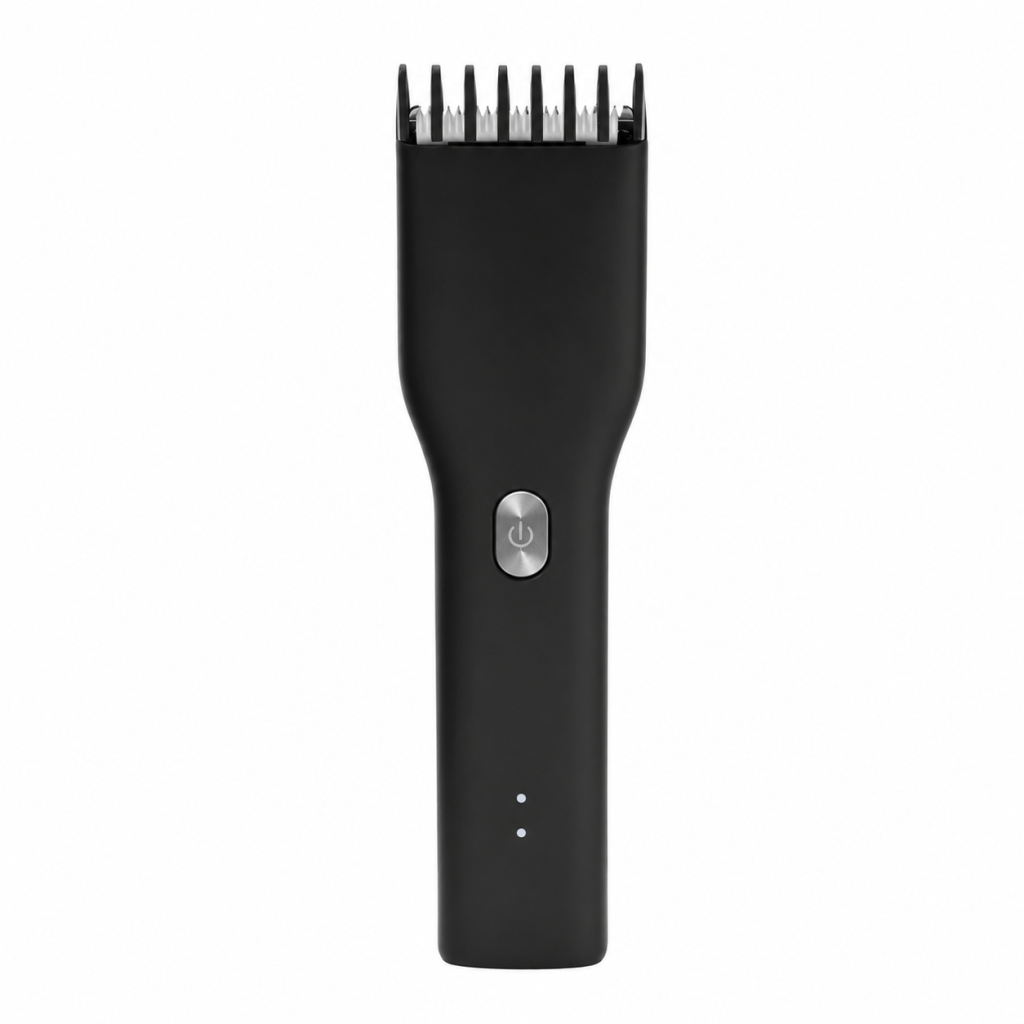
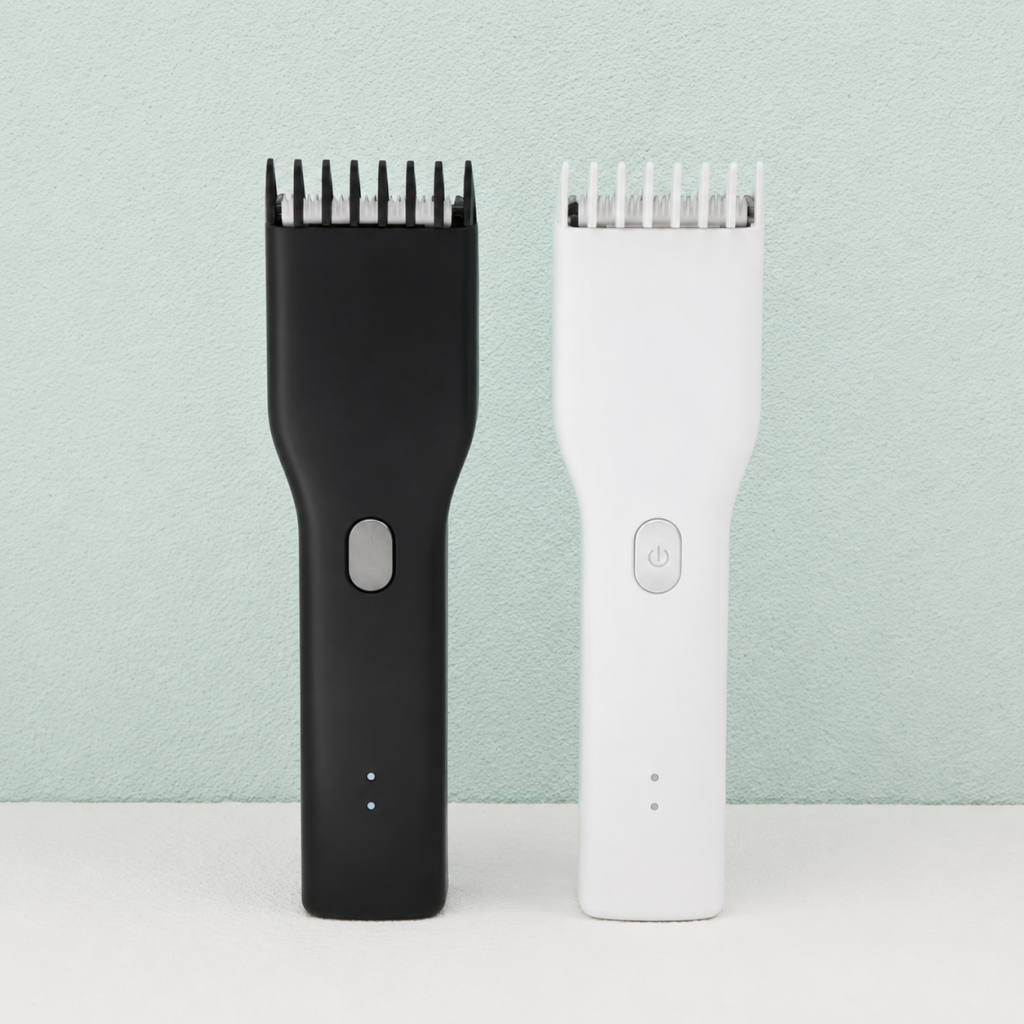
For importers, wholesalers, retailers, and grooming brands, finding a capable hair clipper factory is an important step when developing or expanding a personal-care product line. A professional manufacturer can provide electric hair clippers, cordless models, hair trimmers, barber clippers, and complete grooming sets for different market requirements.
OEM Hair Clipper Manufacturing
OEM manufacturing allows buyers to sell hair clippers under their own brand. Depending on the selected model and production requirements, customization may include the product logo, housing color, packaging, accessories, labels, and user manuals.
Before mass production, buyers should confirm the final specifications and approve a sample. This provides a clear production reference and helps reduce differences between the approved product and the final order.
ODM Hair Clipper Development
ODM manufacturing provides more flexibility for businesses looking for a product with customized features or appearance.
Depending on the manufacturer’s capabilities, buyers may discuss:
-
Product appearance
-
Housing design
-
Blade configuration
-
Battery specifications
-
Charging method
-
Accessories
-
Packaging
-
Product color
-
Branding
ODM is particularly useful for businesses that want to create a differentiated grooming product rather than simply reselling a standard model.
Electric and Cordless Hair Clippers
A professional factory can offer different types of electric hair clippers for home and professional applications.
Cordless models are convenient because they provide greater freedom of movement. For professional barbers, important factors include motor performance, blade precision, battery capacity, operating time, charging performance, weight, and grip.
For home users, ease of operation, maintenance, charging convenience, and overall value may be more important.
Hair Clipper Sets
Hair clipper sets can combine the main clipper with accessories such as guide combs, cleaning brushes, lubricating oil, charging cables, adapters, blade guards, and storage cases.
The contents of a set can be adjusted according to the target market and retail positioning. A complete set can also make it easier for distributors to offer an all-in-one grooming solution.
Manufacturing Quality Control
Quality control should cover the entire production process rather than only the finished product.
Important inspection points may include:
-
Incoming components
-
Motor performance
-
Blade assembly
-
Battery function
-
Charging performance
-
Switch operation
-
Product assembly
-
Appearance inspection
-
Accessory verification
-
Final packaging
For bulk orders, buyers should communicate quality requirements before production starts.
Custom Packaging
Packaging is an important part of private-label hair clipper products. Buyers may require customized retail boxes, product labels, barcodes, instruction manuals, warning information, or multilingual packaging.
Packaging specifications should be confirmed together with the product design to ensure that the finished product is suitable for the intended sales channel.
Bulk Order Support
Wholesale buyers should provide detailed requirements when requesting a quotation. Useful information includes the preferred model, order quantity, branding requirements, packaging specifications, destination country, and expected delivery time.
For new cooperation, a sample order can help buyers evaluate the product before committing to a larger quantity.
Suitable for Global Buyers
China-manufactured hair clippers can be supplied to a variety of business customers, including:
-
Importers
-
Wholesale distributors
-
Barber equipment suppliers
-
Beauty product retailers
-
E-commerce sellers
-
Personal-care brands
-
Supermarket suppliers
-
Professional grooming stores
The appropriate product configuration depends on the target market, customer expectations, price range, and sales channel.
How to Start a Custom Hair Clipper Project
A typical OEM or ODM project can follow these steps:
-
Select a product model or discuss a custom concept.
-
Confirm product specifications.
-
Discuss branding and packaging.
-
Request and evaluate samples.
-
Confirm the final design.
-
Approve artwork and packaging.
-
Place the production order.
-
Complete manufacturing and quality inspection.
-
Arrange packaging and shipment.


No reply content