
China Hair Dryer Manufacturing Co., Ltd.
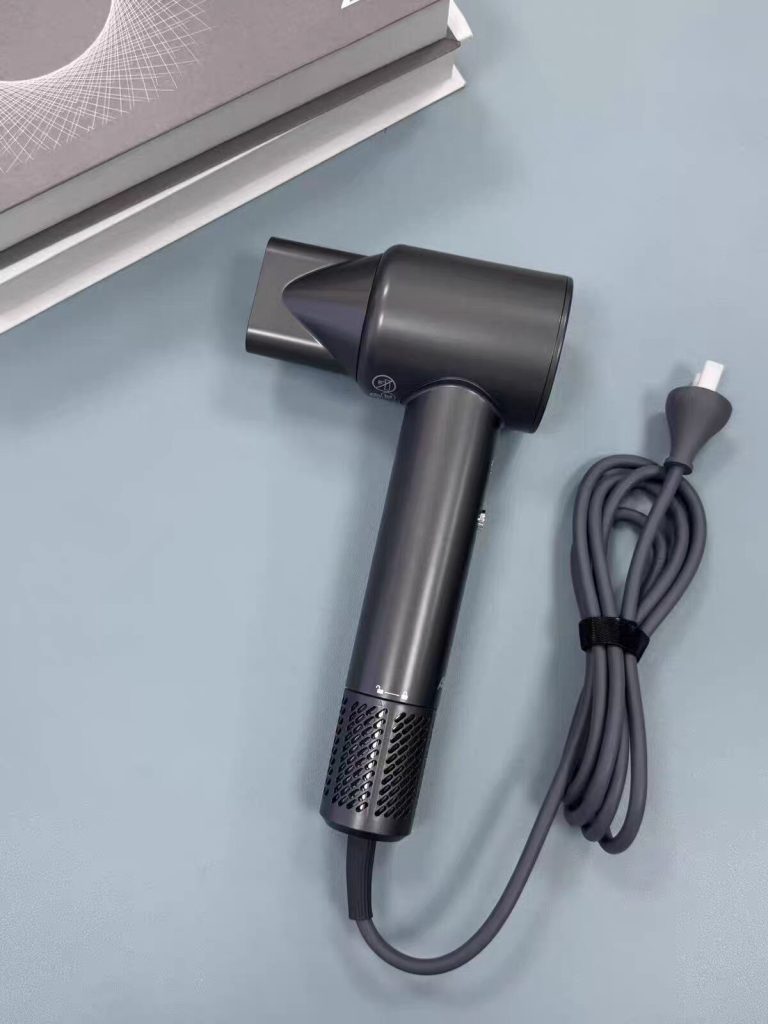
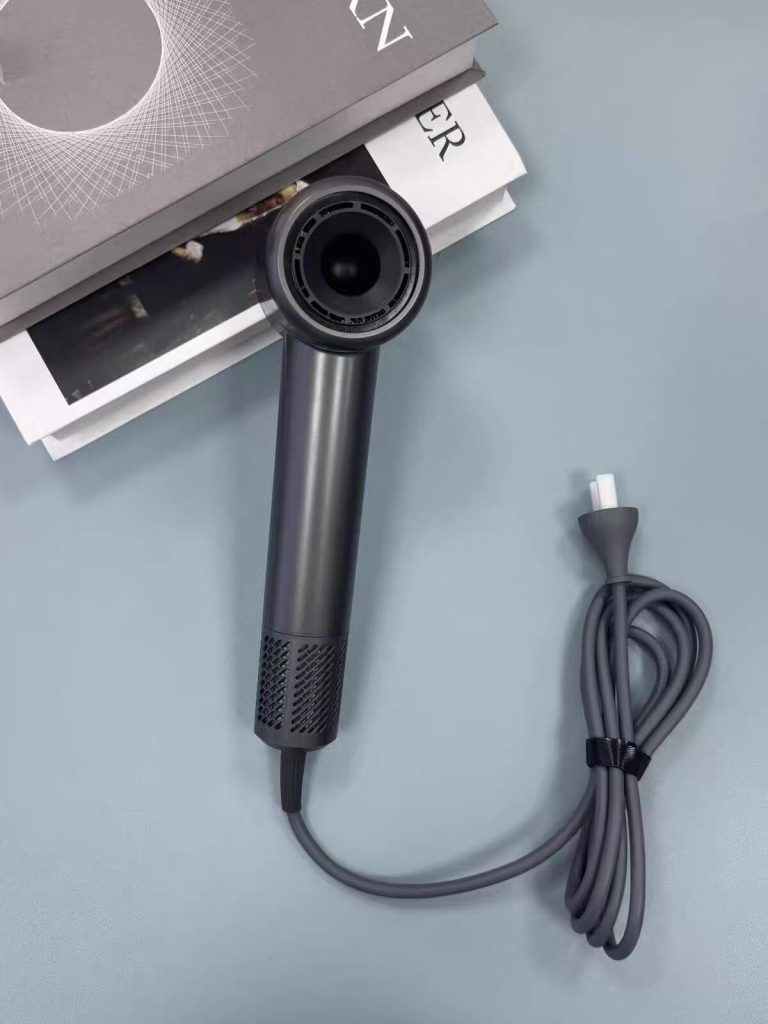
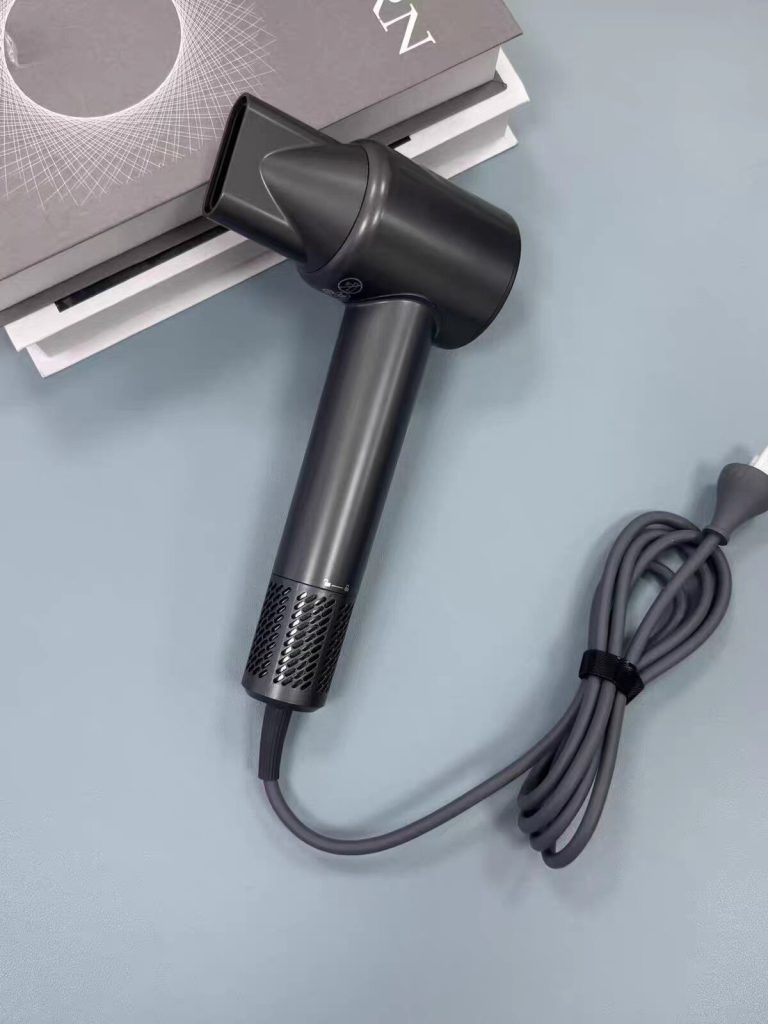
For buyers looking for hair dryers from China, the main challenge is not simply finding a low factory price. The more important question is whether the manufacturer can provide the right product specification, stable quality, practical customization, reasonable MOQ, reliable production capacity, and consistent delivery.
A professional China hair dryer factory can support different purchasing models, including wholesale orders, private-label products, OEM manufacturing, ODM development, and customized hair dryer projects.
For importers and distributors, understanding how the product is manufactured and how suppliers calculate their quotations makes it much easier to select the right factory.
Why Buy Hair Dryers Directly From a China Factory?
Buying directly from a manufacturer can provide greater control over product specifications and customization.
Depending on the factory, buyers may be able to customize:
-
Product design
-
Product color
-
Logo
-
Motor configuration
-
Heating system
-
Controls
-
Power rating
-
Voltage
-
Plug
-
Accessories
-
Retail packaging
-
User manual
-
Shipping cartons
Direct factory cooperation can also make communication easier when a buyer needs to modify a product.
Instead of purchasing a fixed product with no customization, the buyer can discuss the actual manufacturing requirements with the production team.
However, direct sourcing does not automatically guarantee better quality. The factory still needs to be evaluated carefully.
What Types of Hair Dryers Can You Buy Wholesale?
Wholesale buyers usually have different requirements depending on their target customers.
Basic Household Hair Dryers
These models are designed for everyday personal use.
Typical features include:
-
Multiple speed settings
-
Multiple heat settings
-
Compact housing
-
Lightweight construction
-
Concentrator nozzle
-
Basic overheating protection
They are generally suitable for mass-market retail.
Professional Hair Dryers
Professional models are designed for more frequent use.
Important considerations include:
-
Motor durability
-
Airflow
-
Heat stability
-
Ergonomics
-
Noise
-
Operating life
-
Cable durability
For salon customers, long-term operating performance can be more important than simply having a low purchase price.
Compact Travel Hair Dryers
Travel models usually focus on portability.
Common characteristics include:
-
Folding handle
-
Small size
-
Low weight
-
Compact packaging
-
Convenient storage
These products can be suitable for travel retailers, hospitality applications, and consumer brands.
Custom Private-Label Hair Dryers
Private-label products allow a buyer to sell a hair dryer under its own brand.
Customization may include the logo, colors, packaging, accessories, and product appearance.
Hair Dryer Manufacturing Process
A professional factory normally uses multiple manufacturing stages.
1. Product Design
The project starts with the product specification.
The engineering team needs to determine:
-
Housing structure
-
Motor position
-
Heating system
-
Airflow path
-
PCB location
-
Switch structure
-
Cable routing
-
Internal protection
The goal is to make the internal components work together as one system.
2. Mold Development
If the product requires injection-molded plastic parts, tooling may be developed based on the approved design.
The mold influences:
-
Product dimensions
-
Surface quality
-
Assembly accuracy
-
Button fit
-
Housing alignment
A new housing design may require new tooling, which creates additional development costs.
3. Plastic Injection Molding
Plastic components are produced according to the approved mold.
After molding, parts can be inspected for:
-
Dimensions
-
Surface defects
-
Deformation
-
Flashing
-
Color consistency
-
Assembly fit
4. Component Assembly
The motor, heating system, PCB, switches, wiring, fan, and other components are installed into the housing.
The assembly sequence needs to be controlled carefully because incorrect wiring or component positioning can affect product performance and safety.
5. Functional Testing
Finished products can be tested for:
-
Power
-
Airflow
-
Heating
-
Speed
-
Temperature settings
-
Switch operation
-
Cool-air function
-
Electrical performance
6. Packaging
After inspection, approved products are packed according to the buyer’s packaging requirements.
Packaging may include:
-
Retail box
-
Manual
-
Protective materials
-
Accessories
-
Inner box
-
Shipping carton
How Does a Hair Dryer Work?
A hair dryer combines an electric motor, fan, heating element, control system, and protective components.
When the motor operates, it drives the fan and moves air through the housing.
The air passes through the heating area, where it can be heated before leaving through the outlet.
The control system allows the user to select different operating conditions.
The basic sequence is:
Electrical power → motor → fan → airflow → heating system → warm air outlet
The actual performance depends on how efficiently these components work together.
This is why two hair dryers with similar rated power can provide noticeably different user experiences.
Motor and Airflow
Motor selection is one of the most important decisions in hair dryer manufacturing.
The motor influences:
-
Airflow
-
Drying speed
-
Noise
-
Weight
-
Energy consumption
-
Durability
-
Product cost
However, motor wattage should not be considered in isolation.
The fan, air inlet, internal air channel, heater, and air outlet also influence airflow.
A well-designed airflow system can improve drying performance without simply increasing electrical power.
For wholesale buyers, it is better to evaluate the actual sample than compare manufacturers only by motor specifications.
Heating Performance
The heating system determines how effectively the product can provide warm air.
Important factors include:
-
Heating element
-
Temperature control
-
Airflow
-
Thermal protection
-
Internal insulation
-
Operating temperature
The heating system must be matched with the airflow.
Too much heat without sufficient airflow can create excessive internal temperatures.
Insufficient heating relative to the airflow can result in weak drying performance.
A professional manufacturer therefore needs to evaluate the complete thermal and airflow system.
Electrical Configuration for International Markets
International buyers should specify their target market before production.
Important details include:
-
Voltage
-
Frequency
-
Plug type
-
Rated power
-
Power cord
-
Product labeling
-
Applicable market requirements
For example, a buyer may require a different electrical configuration depending on where the product will be sold.
These details should be confirmed during the quotation and sample stages rather than after mass production has started.
Wholesale Hair Dryer MOQ
MOQ varies between factories and products.
An existing model with standard packaging may have a different MOQ from a completely customized product.
MOQ can be influenced by:
-
Product color
-
Logo
-
Packaging
-
Accessories
-
Custom tooling
-
Special components
-
Order quantity
-
Production efficiency
If you are testing a new product, ask the supplier whether the first order can be smaller and whether the MOQ changes for subsequent orders.
For established distributors, larger quantities may provide better pricing and production efficiency.
What Affects the Price of a Hair Dryer?
There is no universal wholesale price because hair dryers have different specifications.
The main cost factors include:
Motor
Motor type and performance affect the product cost.
Heating System
Different heating configurations can have different costs.
Electronics
Additional controls, sensors, displays, and other electronic functions can increase manufacturing costs.
Housing
Plastic material, structure, surface finish, and tooling affect cost.
Accessories
Additional nozzles, diffusers, storage bags, and other accessories increase the total product cost.
Packaging
Custom retail packaging costs more than basic standard packaging.
Order Quantity
Larger orders can improve production efficiency and reduce some fixed costs per unit.
Custom Tooling
A new housing or structural design may require a new mold.
Why the Cheapest Hair Dryer Is Not Always the Best Choice
A low factory quotation can look attractive, but buyers need to evaluate the complete product.
For example, a cheaper model may use:
-
A lower-cost motor
-
Simpler electronics
-
Basic packaging
-
Fewer accessories
-
Different plastic materials
-
A less customized housing
That does not necessarily mean the product is bad. It simply means the product is designed around a different cost target.
The important question is whether the product matches your market.
A budget retailer and a professional salon brand may require completely different specifications.
How to Request a Wholesale Hair Dryer Quotation
A good RFQ should contain enough information for the supplier to understand the project.
You can provide:
Product: Hair Dryer
Application: Household / Salon / Travel / Other
Target Market: Country or region
Voltage: Required voltage
Frequency: Required frequency
Power: Desired wattage
Speed: Number of speed settings
Heat: Number of heat settings
Cool Shot: Required or not
Motor: Preferred specification if available
Color: Required color
Logo: Required or not
Packaging: Standard or custom
Accessories: Required accessories
Quantity: Estimated order volume
Customization: Standard / Private Label / OEM / ODM
This information allows suppliers to provide a much more meaningful quotation.
What Should You Compare Between Factories?
When comparing several suppliers, use the same product specification.
A useful comparison can include:
Category |
What to Compare |
|---|---|
Product |
Exact model and specification |
Price |
Complete unit quotation |
MOQ |
Minimum quantity |
Sample |
Cost and availability |
Motor |
Type and configuration |
Heating |
Heating system |
Functions |
Speed, heat, cool shot, etc. |
Customization |
Logo, color, design |
Packaging |
Retail and shipping packaging |
Production |
Manufacturing capacity |
Lead time |
Sample and bulk production |
QC |
Inspection and testing |
Warranty |
After-sales terms |
This prevents a common purchasing mistake: comparing two products that are not actually equivalent.
OEM Hair Dryer Manufacturing
OEM is suitable for buyers who have specific requirements.
For example, you may already have:
-
Your own product concept
-
Technical specifications
-
Product drawings
-
Packaging design
-
Brand identity
The factory can manufacture the product according to the agreed requirements.
OEM customization can range from simple branding to substantial engineering changes.
The more changes you request, the more important engineering evaluation becomes.
ODM Hair Dryer Manufacturing
ODM can be useful when you want a product based on an existing manufacturing platform.
Instead of designing every component yourself, you can work with the supplier to select an existing configuration and customize selected aspects.
This can reduce:
-
Development time
-
Engineering workload
-
Initial investment
-
Product-development complexity
ODM can be particularly practical for businesses entering the hair-care market for the first time.
Private-Label Hair Dryer Packaging
Packaging is an important part of private-label manufacturing.
A professional retail package may include:
-
Brand logo
-
Product name
-
Product specifications
-
Instructions
-
Safety information
-
Product photographs
-
Accessories information
-
Barcode
-
Market-specific labeling
The packaging should be confirmed before production because changing packaging after manufacturing has started can create additional costs.
Quality Control Before Shipment
Before shipment, buyers should have a clear understanding of the inspection requirements.
Depending on the product, inspection may cover:
-
Appearance
-
Product dimensions
-
Weight
-
Power
-
Airflow
-
Heating
-
Switches
-
Cable
-
Plug
-
Accessories
-
Packaging
-
Labels
For larger wholesale orders, buyers may also arrange an independent pre-shipment inspection according to their purchasing requirements.
The important point is that quality standards should be defined before production rather than after a problem occurs.
How to Choose a China Hair Dryer Factory
A factory should be evaluated according to actual capability.
Manufacturing Experience
Look at the types of hair dryers the factory currently produces and whether they match your requirements.
Engineering
If you need a custom product, engineering capability is essential.
Production Capacity
Make sure the factory can handle your expected order quantity.
Quality Control
Ask how components and finished products are inspected.
Customization
Confirm exactly what the factory can customize.
Sample Development
The supplier should have a clear process for developing and modifying samples.
Communication
Technical requirements should be confirmed in writing to reduce misunderstandings.
Long-Term Stability
For repeat orders, consistent production is more important than a single low quotation.
Common Problems When Buying Wholesale Hair Dryers
Problem 1: The Sample and Bulk Order Are Different
The approved sample should become the reference for mass production.
Specifications should be documented clearly.
Problem 2: The Final Cost Is Higher Than Expected
Always ask whether the quotation includes:
-
Logo
-
Packaging
-
Accessories
-
Tooling
-
Testing
-
Other customization costs
Problem 3: Production Takes Longer Than Expected
Ask for both sample lead time and bulk production lead time.
Problem 4: The Product Does Not Match the Target Market
Confirm electrical configuration and other market-specific requirements before production.
Problem 5: Too Much Customization
Every additional modification can increase engineering complexity, tooling requirements, cost, and production time.
A practical product should balance differentiation with manufacturing feasibility.
A Practical Buying Process
A professional wholesale project can follow these steps:
Step 1: Define the Target Market
Determine who will use the product and where it will be sold.
Step 2: Define the Product
Set the desired power, motor, heating, functions, appearance, and packaging.
Step 3: Contact Suitable Factories
Send the same specification to each supplier.
Step 4: Compare Quotations
Compare complete quotations rather than unit price alone.
Step 5: Request Samples
Test the actual product.
Step 6: Confirm Changes
Make necessary modifications before bulk production.
Step 7: Approve the Final Product
Confirm specifications, packaging, accessories, and quality requirements.
Step 8: Start Mass Production
Begin production according to the approved specifications.
Step 9: Inspect the Order
Check finished goods before shipment.
Step 10: Arrange Delivery
Prepare the goods for export and transportation.
What Information Should Be Confirmed Before Mass Production?
Before approving production, make sure both sides have confirmed:
-
Product model
-
Product dimensions
-
Product weight
-
Motor
-
Power
-
Voltage
-
Frequency
-
Plug
-
Heat settings
-
Speed settings
-
Cool-shot function
-
Color
-
Logo
-
Packaging
-
Accessories
-
Quantity
-
Quality requirements
-
Production schedule


No reply content