China solar power generation and energy storage manufacturing
Introduction
As the world accelerates its transition to renewable energy, household energy storage systems (HESS) have emerged as a cornerstone of decentralized power grids. These systems—comprising batteries, inverters, and energy management software—enable homeowners to store excess solar/wind energy, reduce reliance on fossil fuels, and enhance resilience against grid outages. China, leveraging its dominance in battery manufacturing, cost-efficient supply chains, and rapid technological innovation, has become the global leader in household energy storage exports. In 2023, Chinese suppliers accounted for over 60% of global HESS shipments, catering to markets from Europe’s high-energy-cost regions to Africa’s off-grid communities. This article explores the strengths of Chinese household energy storage exporters, their technological edge, market adaptability, and how they empower global households to achieve energy independence.
I. The Rise of China’s Household Energy Storage Export Sector
China’s ascent in the global energy storage market is rooted in three interrelated drivers: industrial ecosystem maturity, policy tailwinds, and shifting global demand.
A. Industrial Ecosystem Advantages
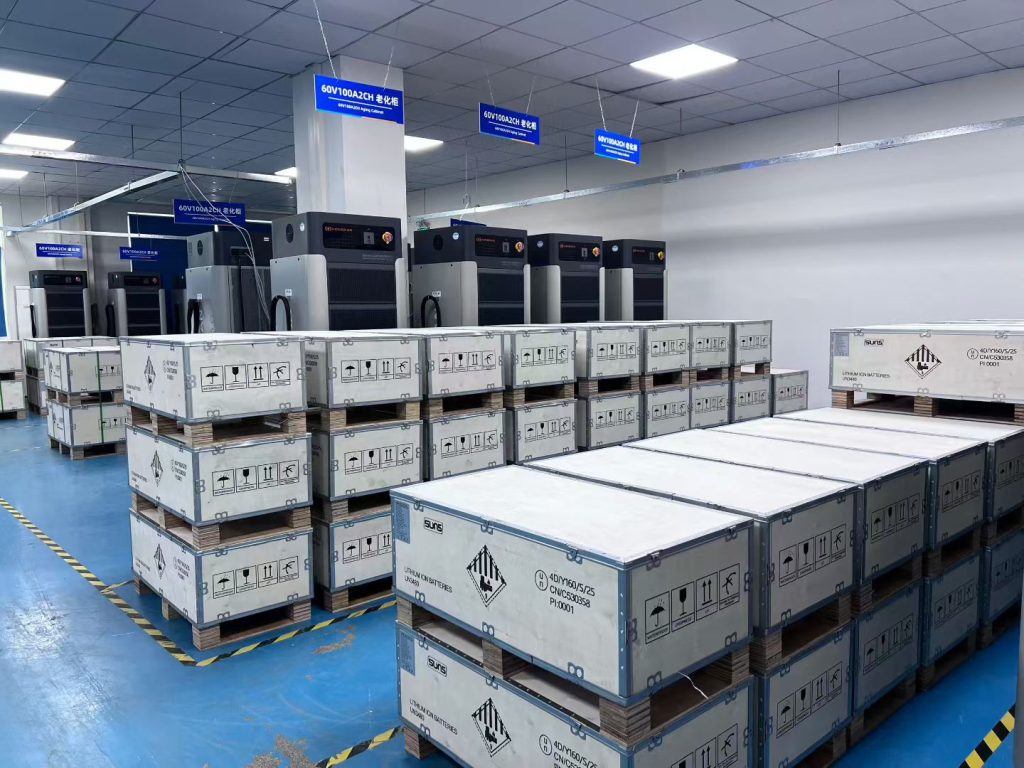
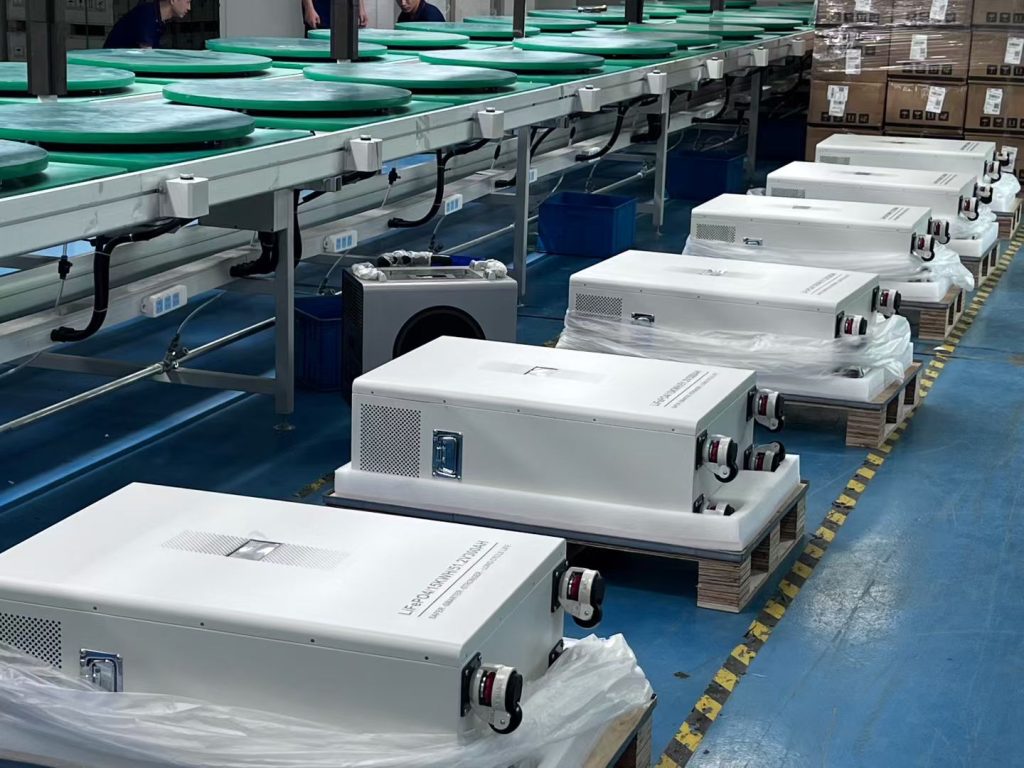
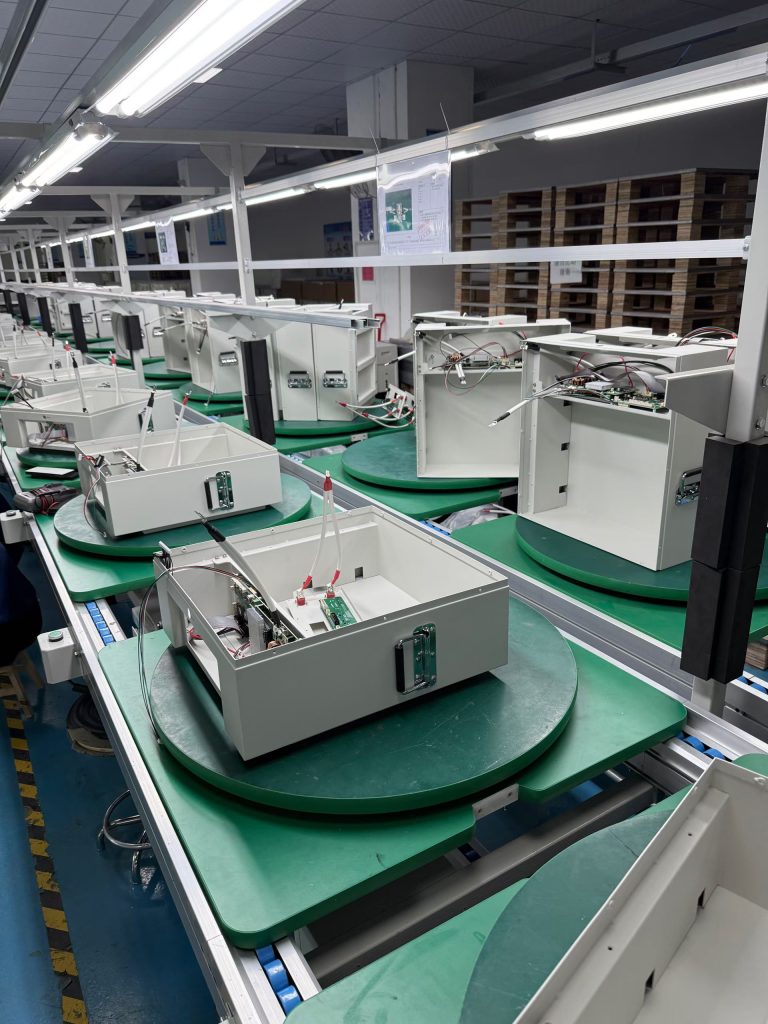
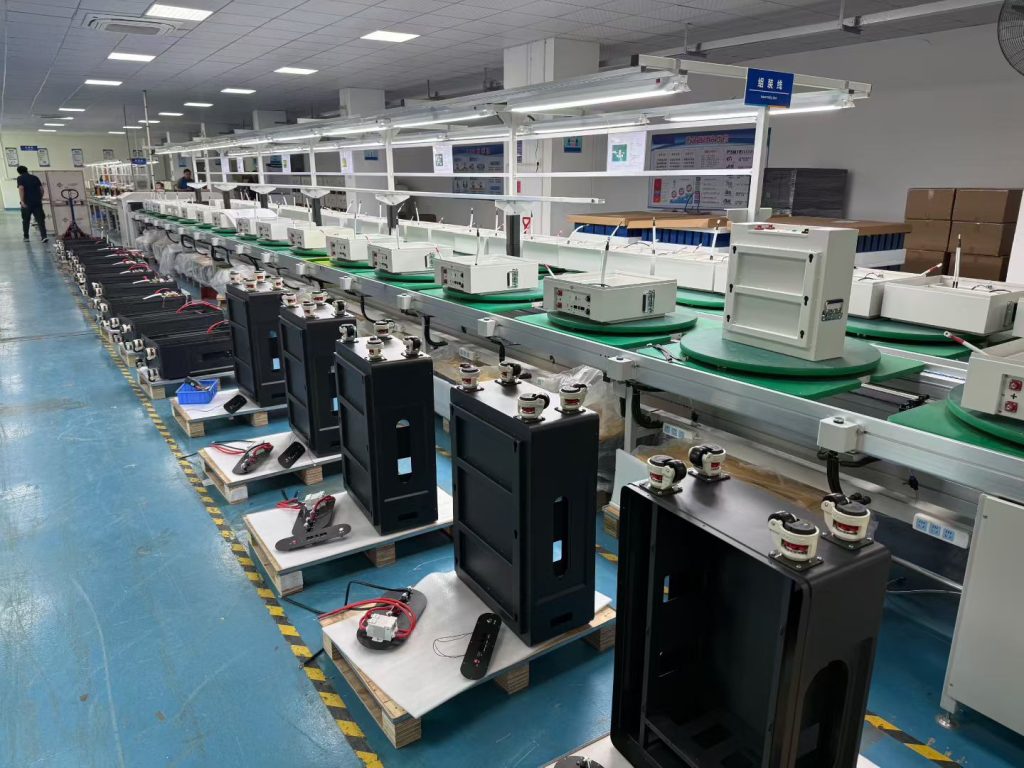
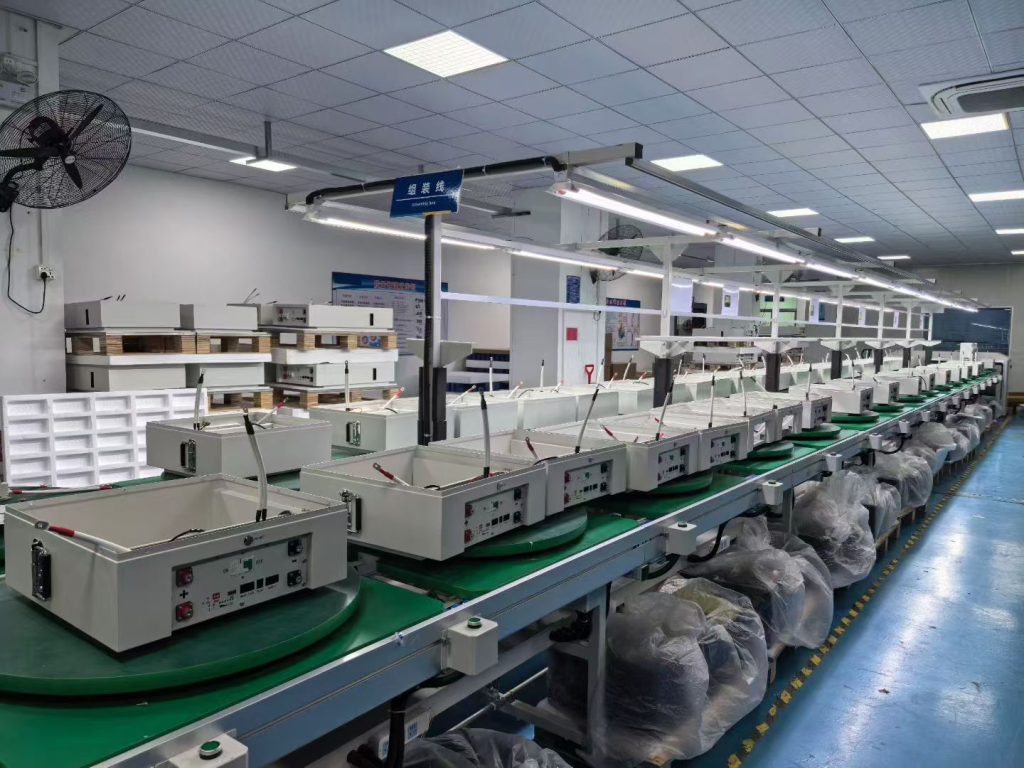
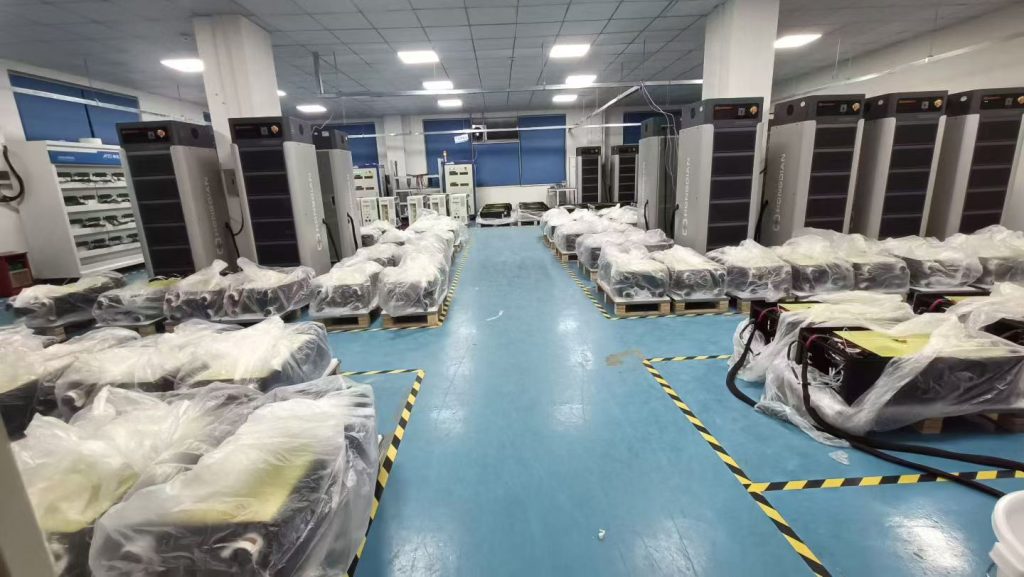
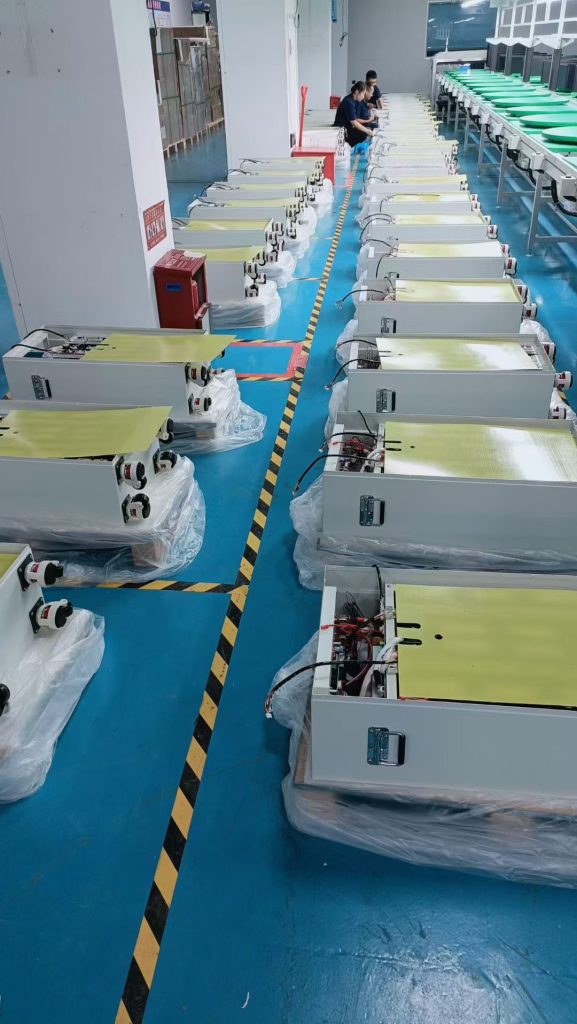
China’s energy storage sector benefits from a vertically integrated supply chain spanning raw materials (lithium, cobalt, nickel), battery cell production, inverter manufacturing, and system integration. Key hubs like Shenzhen, Jiangsu, and Zhejiang host thousands of specialized firms, fostering collaboration and cost efficiency. For example:
-
Battery Cells: Chinese manufacturers produce 75% of the world’s lithium-ion cells, with breakthroughs in lithium iron phosphate (LFP) chemistry enhancing safety and longevity.
-
Inverters: Domestic firms dominate global inverter markets, offering high-efficiency conversion (98%+ efficiency) and smart grid compatibility.
-
Components: Local suppliers provide enclosures, wiring harnesses, and sensors at competitive prices, reducing assembly costs by 20–30% compared to non-Chinese rivals.
B. Policy and Market Demand Synergy
Domestically, China’s “Dual Carbon” goals (peaking emissions by 2030, carbon neutrality by 2060) have spurred subsidies for residential solar-plus-storage systems. This domestic demand has scaled production volumes, driving down unit costs through economies of scale. Globally, rising electricity prices (e.g., Europe’s 2022 energy crisis), unreliable grids (e.g., frequent outages in Southeast Asia), and incentives like the U.S. Inflation Reduction Act (IRA) have boosted HESS adoption. Chinese exporters, positioned to meet this surge, have expanded capacity to 200 GWh/year—enough to power 10 million households.
C. Competitive Landscape
The Chinese HESS export market is dominated by mid-sized to large manufacturers with global reach. Unlike consumer electronics, where giants like Huawei or Xiaomi compete, energy storage exporters often specialize in niche segments (e.g., off-grid systems, high-voltage residential units). Their agility in customization—adapting battery capacity (5–30 kWh), inverter specs, and software interfaces to regional needs—sets them apart from slower-moving Western competitors.
II. Core Competencies of Leading Chinese Household Energy Storage Exporters
Chinese suppliers excel not merely through cost leadership but via a blend of technological innovation, quality assurance, and customer-centric services.
A. Technological Leadership in Battery and System Design
At the heart of HESS lies battery technology. Chinese exporters prioritize three advancements:
-
Lithium Iron Phosphate (LFP) Dominance: LFP batteries, favored for their thermal stability (reducing fire risks) and long cycle life (6,000+ cycles), now constitute 80% of Chinese HESS exports. Recent innovations include nano-coating to enhance low-temperature performance (-20°C operation) and stacking designs to save space.
-
Smart Inverter Integration: Exporters bundle inverters with maximum power point tracking (MPPT) for solar compatibility, seamless grid switching (anti-islanding protection), and bidirectional charging (allowing EVs to discharge power back to the home).
-
Energy Management Software (EMS): Proprietary EMS platforms enable users to monitor energy flows via mobile apps, optimize charging/discharging schedules (e.g., storing solar energy for evening use), and participate in virtual power plants (VPPs) by selling excess power to grids.
B. Rigorous Quality Control and Compliance
Exporting to regulated markets demands adherence to global standards:
-
Safety Certifications: Leading exporters hold UL 9540 (U.S.), CE (Europe), IEC 62619 (international), and JIS (Japan) certifications, validating fire resistance, electrical safety, and performance.
-
Performance Testing: Products undergo accelerated aging tests (simulating 10 years of use), thermal runaway simulations, and humidity resistance trials (85% RH at 40°C).
-
Supply Chain Transparency: Exporters audit suppliers for ethical sourcing (conflict-free minerals) and environmental compliance (ISO 14001), addressing growing ESG concerns among buyers.
C. Customization and Scalability
Chinese suppliers cater to diverse market needs through modular designs:
-
Capacity Flexibility: Systems range from 5 kWh (for apartments) to 30 kWh (for large homes with EV chargers), with expandable modules allowing future upgrades.
-
Regional Adaptations: For European markets, exporters integrate heat pumps and EV chargers; for African off-grid regions, they pair HESS with solar panels and diesel generators as backup.
-
White-Label Services: Many exporters offer OEM/ODM support, enabling global brands to rebrand Chinese-made systems while retaining core technology.
D. Cost Efficiency and Affordability
Despite technological sophistication, Chinese HESS remain cost-competitive:
-
Economies of Scale: Annual production volumes exceeding 100,000 units reduce per-unit costs by 15–20%.
-
Localized Sourcing: Procuring components domestically avoids import tariffs, unlike European or American competitors reliant on Asian parts.
-
Lifecycle Cost Advantage: Longer battery warranties (10–15 years) and lower degradation rates (<20% capacity loss after 10 years) make Chinese systems cheaper over their lifespan.
III. Market Applications: Tailoring Solutions to Global Needs
Chinese exporters deploy region-specific strategies to capture diverse markets:
A. Europe: High-Energy-Cost and Grid Resilience
Europe accounts for 40% of Chinese HESS exports, driven by soaring electricity prices (€0.40–0.60/kWh in 2023) and frequent grid instability (e.g., Germany’s winter blackouts). Exporters focus on:
-
High-Efficiency Systems: 10–15 kWh units with 98% inverter efficiency to maximize solar self-consumption.
-
Government Incentive Alignment: Designing systems eligible for subsidies like Germany’s KfW grants or Italy’s Ecobonus.
-
Aesthetic Integration: Compact, wall-mounted units (e.g., 600 mm x 400 mm) to blend with European home designs.
B. North America: Solar Pairing and Grid Services
In the U.S. and Canada, HESS adoption is tied to residential solar installations (70% of U.S. solar homes now include storage). Chinese exporters emphasize:
-
Rapid Shutdown Compliance: Meeting NEC 690.12 standards for rooftop solar safety.
-
EV Charger Compatibility: Bidirectional charging (V2H/V2G) to power homes or sell energy to grids.
-
Wildfire Resilience: Fire-resistant enclosures and smoke-detection software for California and Australian markets.
C. Emerging Markets: Off-Grid and Disaster Preparedness
In Africa, Southeast Asia, and Latin America, 600 million people lack reliable grid access. Chinese exporters dominate here with:
-
Low-Cost Entry-Level Systems: 5–8 kWh units priced under $3,000, paired with affordable solar panels.
-
Hybrid Solutions: Combining HESS with diesel generators to reduce fuel dependency (saving 50% on generator runtime).
-
Pay-As-You-Go Models: Partnering with local fintech firms to offer microloans for system purchases.
IV. How to Select a Reliable Chinese Household Energy Storage Exporter
Buyers must evaluate suppliers across five key dimensions:
A. Technical Expertise
Prioritize exporters with in-house R&D teams (patents in battery chemistry or EMS) and third-party validation (e.g., TÜV Rheinland performance reports). Ask for case studies demonstrating system performance in similar climates (e.g., cold regions for Nordic buyers).
B. Production Capacity and Delivery
Assess minimum order quantities (MOQs: typically 50–100 units for small buyers, 1,000+ for distributors) and lead times (6–12 weeks for standard orders, 4–6 weeks for expedited). Verify if suppliers own manufacturing facilities or outsource production (in-house control ensures quality).
C. Compliance and Certifications
Request copies of UL, CE, or IEC certificates, and confirm adherence to local regulations (e.g., FCC Part 15 for U.S. electromagnetic compatibility). For EU buyers, ensure GDPR compliance for data collected by EMS software.
D. After-Sales Support
Evaluate warranty terms (10-year battery warranties are standard), availability of spare parts (local warehouses in key markets), and technical support (24/7 multilingual helplines). Some exporters offer remote diagnostics via IoT connectivity.
E. Cost-Benefit Analysis
Compare total cost of ownership (TCO), including installation, maintenance, and battery replacement. Chinese systems often have lower upfront costs but verify if software subscriptions (for EMS) add hidden fees.
V. Future Trends in Chinese Household Energy Storage Exports
The sector is poised for growth, driven by innovation and market expansion:
A. Technological Breakthroughs
-
Solid-State Batteries: Pilot production of solid-state HESS promises 2x energy density and faster charging, though commercialization is 3–5 years away.
-
AI-Driven EMS: Machine learning algorithms will predict energy usage patterns, optimizing storage schedules and reducing waste.
-
Hydrogen Hybrid Systems: Small-scale hydrogen fuel cells paired with HESS for long-duration backup (72+ hours).
B. Market Expansion
Exporters are targeting untapped regions like South America (Brazil’s distributed generation boom) and the Middle East (UAE’s net-zero goals). Partnerships with local installers will be key to overcoming logistical barriers.
C. Sustainability Focus
Recycling initiatives are gaining traction: Chinese firms are building closed-loop systems to recover lithium, cobalt, and nickel from retired batteries, aligning with EU battery regulations (2027 mandatory recycling targets).
D. Digital Integration
Virtual power plant (VPP) aggregation will allow households to monetize stored energy, with Chinese exporters developing platforms to coordinate thousands of HESS units for grid stabilization.
VI. FAQ: Chinese Household Energy Storage Exporters
1. What types of batteries do Chinese HESS exporters use?
Most use lithium-ion batteries, with lithium iron phosphate (LFP) dominating (80% market share) due to safety and longevity. Some offer ternary lithium (NCM) for higher energy density in premium models.
2. What is the typical capacity range of exported HESS?
Systems range from 5 kWh (small apartments) to 30 kWh (large homes/EV owners), with modular designs allowing expansion (e.g., adding 5 kWh modules).
3. Which certifications do Chinese exporters need for global markets?
Key certifications include UL 9540 (U.S.), CE (Europe), IEC 62619 (international), JIS (Japan), and local standards like AS/NZS 4777 (Australia).
4. How do Chinese HESS compare in cost to Western-made systems?
Chinese systems are 20–30% cheaper upfront due to economies of scale, with similar lifecycle costs (longer warranties offset lower initial prices).
5. Can exporters customize systems for specific markets?
Yes. Examples include high-voltage systems for Europe, off-grid hybrid units for Africa, and EV-compatible models for North America.
6. What is the typical lead time for HESS orders?
Standard orders: 6–12 weeks. Expedited orders: 4–6 weeks (with additional fees).
7. How do exporters ensure battery safety?
LFP chemistry, fire-resistant enclosures, thermal management systems, and compliance with UL 1973 (battery safety) standards.
8. Do exporters offer after-sales support?
Yes. Most provide 10–15 year warranties, 24/7 technical support, and remote diagnostics via IoT. Some have local service centers in key markets.
9. What software features do Chinese HESS include?
Mobile apps for monitoring, MPPT for solar pairing, grid-interactive modes (self-consumption, time-of-use optimization), and VPP participation.
10. Can HESS work with existing solar panels?
Yes. Exporters offer retrofit kits with compatible inverters and mounting hardware.
11. What is the lifespan of Chinese HESS batteries?
LFP batteries last 10–15 years (6,000+ cycles), with <20% capacity loss over a decade.
12. How do exporters handle shipping and logistics?
They use sea freight (cost-effective for bulk orders) or air freight (expedited), with partnerships with global logistics firms for customs clearance.
13. Are Chinese HESS eligible for government incentives?
Yes. Exporters design systems to meet subsidy criteria (e.g., Germany’s KfW, U.S. IRA tax credits).
14. What is the minimum order quantity (MOQ)?
Typically 50–100 units for small buyers, 1,000+ for distributors. Some exporters accept smaller trial orders.
15. How do exporters address ESG concerns?
They use conflict-free minerals, ISO 14001-certified manufacturing, and recycling programs for retired batteries.
16. Can HESS power a home during outages?
Yes. Most systems support “island mode,” powering essential loads (lights, fridge) for 8–24 hours, depending on capacity.
17. What is the role of inverters in HESS?
Inverters convert DC battery power to AC for home use, manage solar input, and enable grid interaction (charging/discharging).
18. How do exporters support off-grid applications?
They pair HESS with solar panels and generators, offering hybrid controllers to switch between sources automatically.
19. What is the future of Chinese HESS exports?
Growth will be driven by solid-state batteries, AI-optimized EMS, and expansion into emerging markets (Africa, Latin America).
20. How can buyers verify exporter reliability?
Request client references, third-party test reports, and factory audit results. Attend trade shows (e.g., SNEC, Intersolar) to meet suppliers in person.
Conclusion
Chinese household energy storage exporters have redefined global access to clean, resilient power. By combining cutting-edge technology, cost efficiency, and market adaptability, they empower households from Berlin to Lagos to take control of their energy needs. As the world transitions to renewables, these suppliers will remain pivotal in building a decentralized, sustainable energy future—one home at a time. For buyers, partnering with a Chinese exporter means more than purchasing a product: it’s an investment in energy independence, backed by a legacy of innovation and reliability.