🧊 Efficient Home Ice Maker Solutions for Modern Kitchens and Small Business Use
Household ice makers are compact appliances designed to produce ice quickly and conveniently for daily use. With growing demand for home comfort, small commercial applications, and portable cooling solutions, ice makers have become an essential appliance in many markets.🧊 Fast ice production within minutes
🏠 Compact design for home and kitchen use
🌍 Suitable for global wholesale and export
⚙️ Customizable for private label branding
📦 Efficient packaging for international shippingAs demand increases for convenience appliances, household ice maker manufacturing continues to expand, offering scalable solutions for distributors and retail brands.
🧊 What Is a Household Ice Maker?
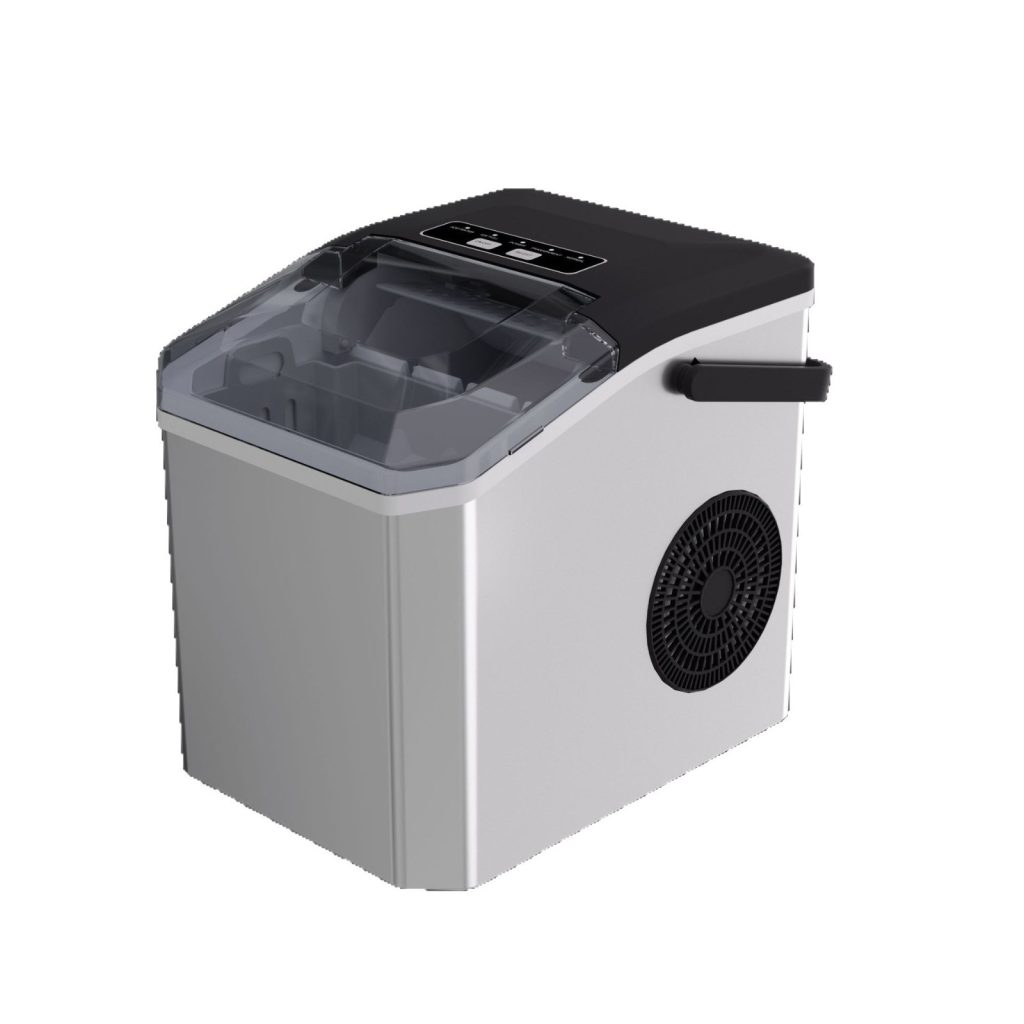
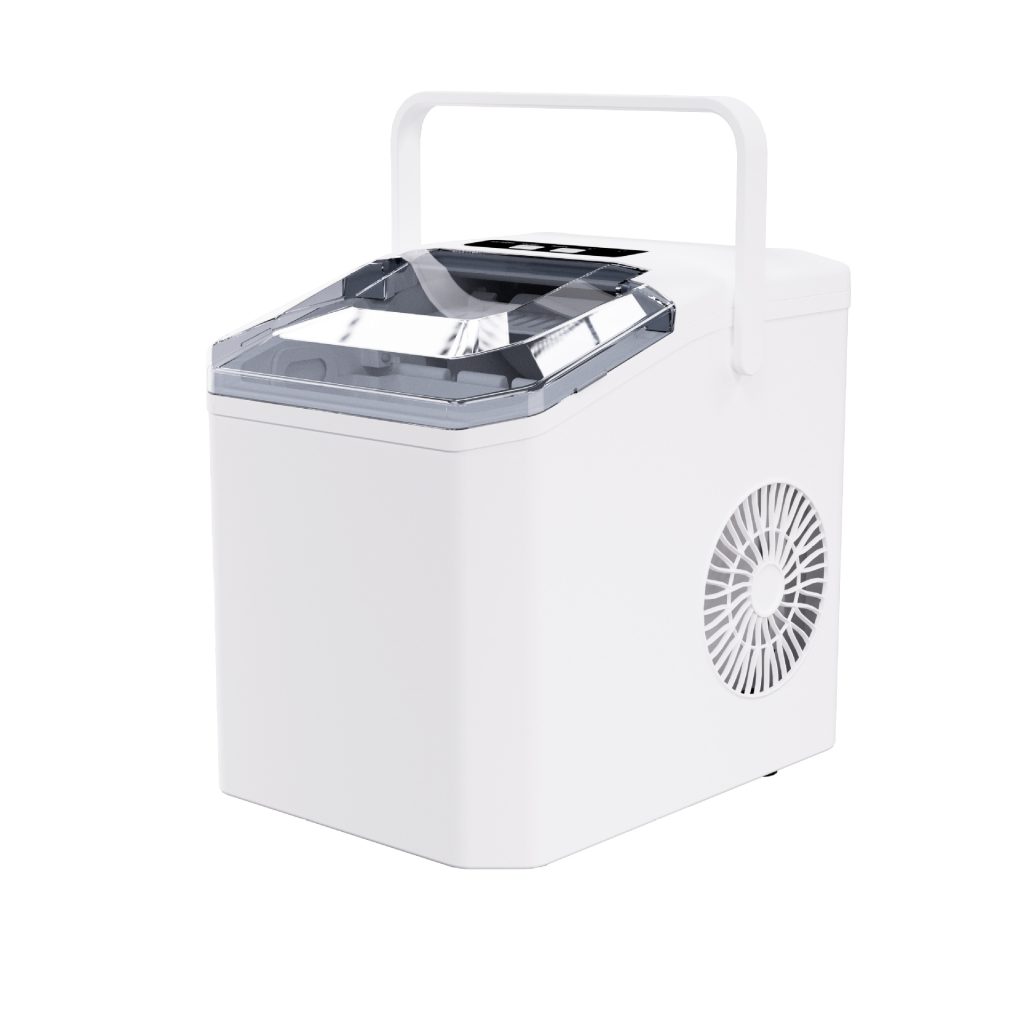
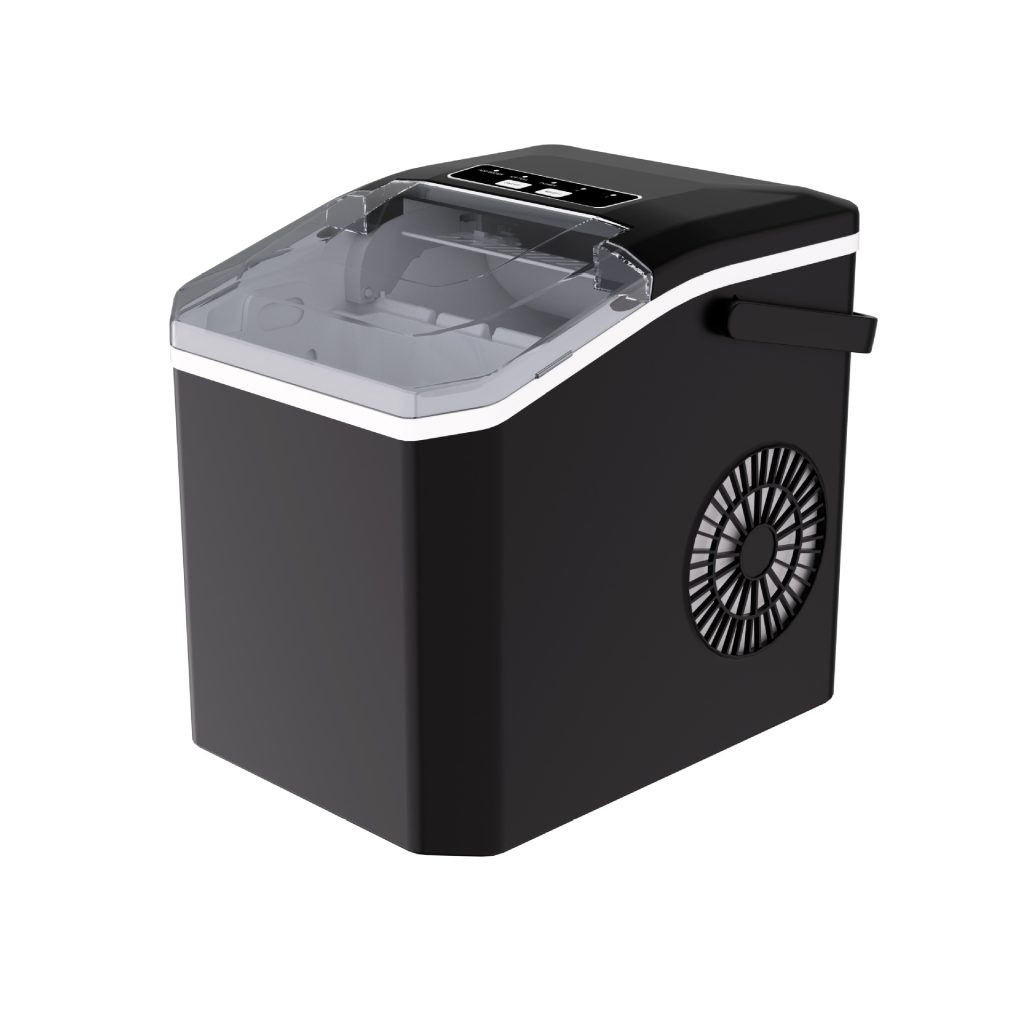
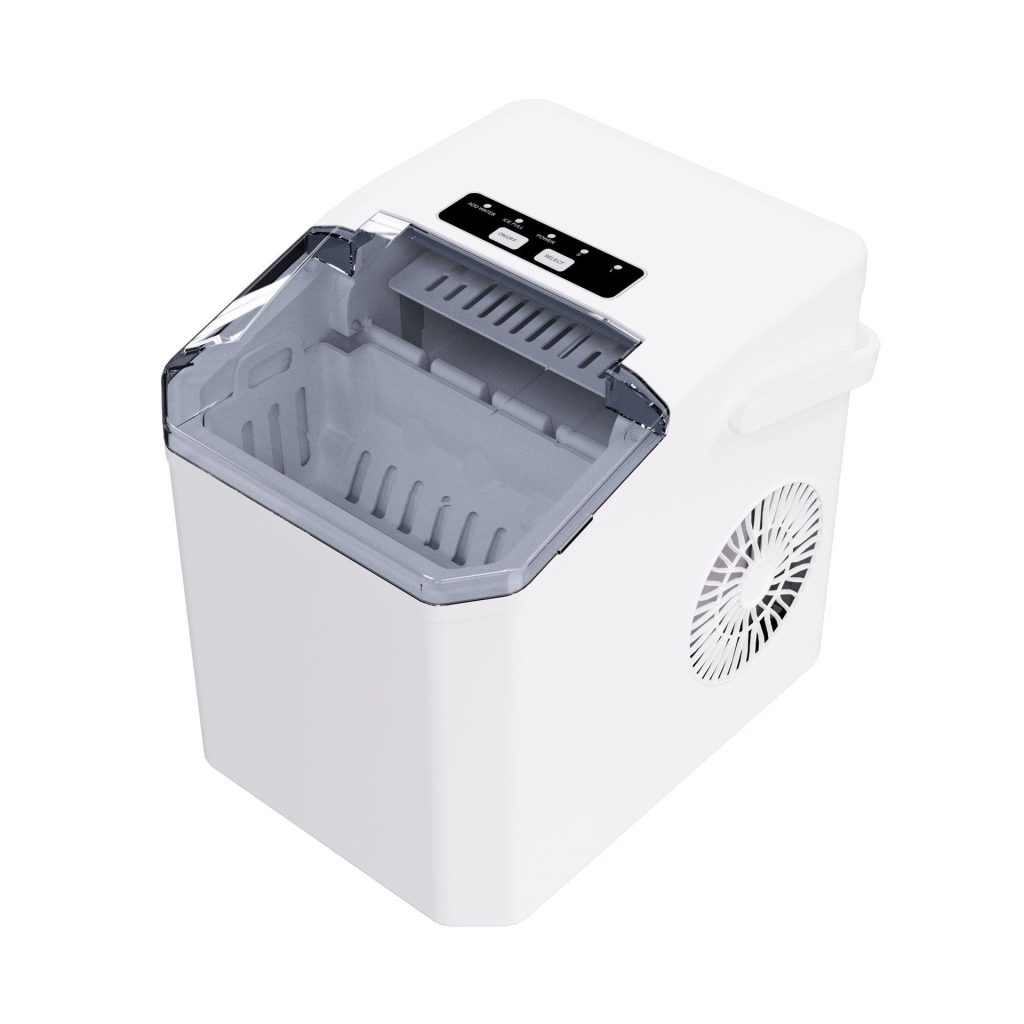
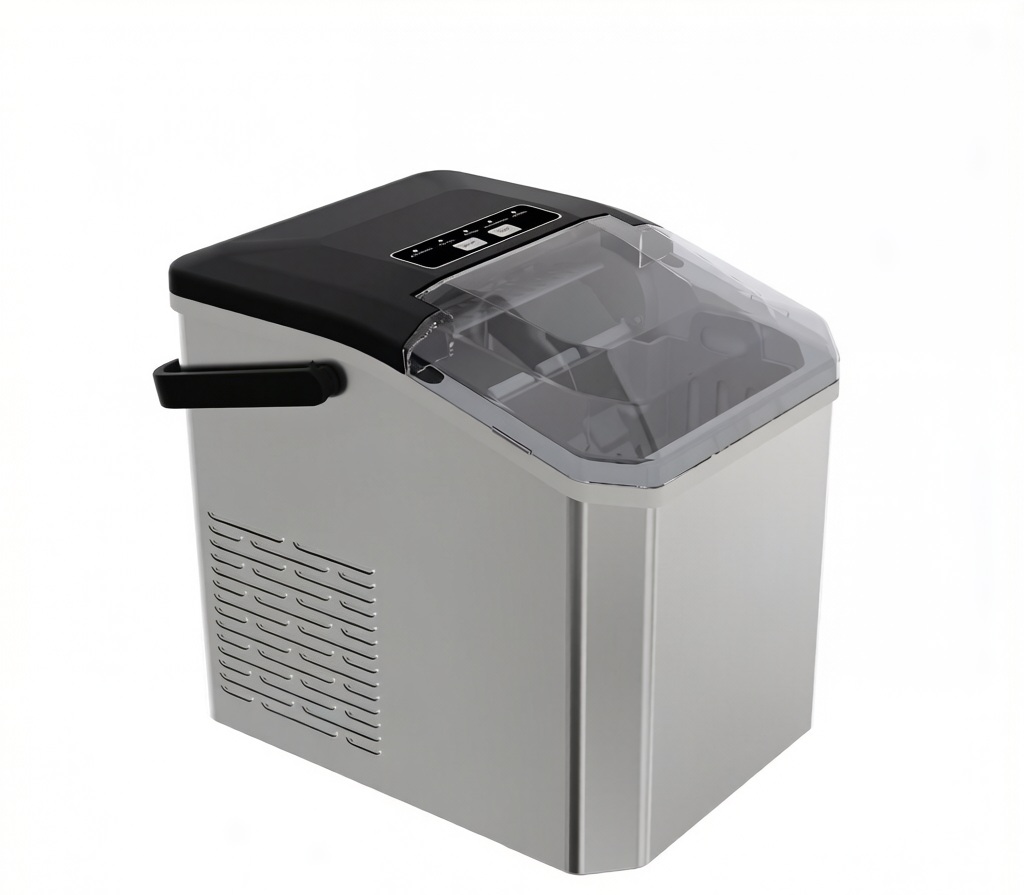
A household ice maker is a compact machine designed to produce ice cubes automatically using water and a cooling system. It is widely used in kitchens, offices, and small commercial environments.
Key features include:
🧊 automatic ice production
💧 water-to-ice conversion system
⚙️ compact and portable structure
🔌 electric-powered operation
These devices provide a convenient alternative to traditional freezer ice trays.
⚙️ Working Principle of Ice Makers
Household ice makers operate using a simple refrigeration cycle.
Basic working process:
❄️ water is pumped into ice mold trays
🧊 cooling system freezes water into ice
🔄 ice cubes are released into storage basket
♻️ cycle repeats automatically
This process allows continuous ice production with minimal user input.
🏠 Applications of Household Ice Makers
Ice makers are used in a variety of settings beyond residential kitchens.
Common applications include:
🏠 home kitchen use
🏢 office break rooms
🍹 small beverage shops
🏕️ outdoor and portable usage
Their compact size makes them suitable for multiple environments.
📦 Types of Household Ice Makers
Different models are available to meet various user needs.
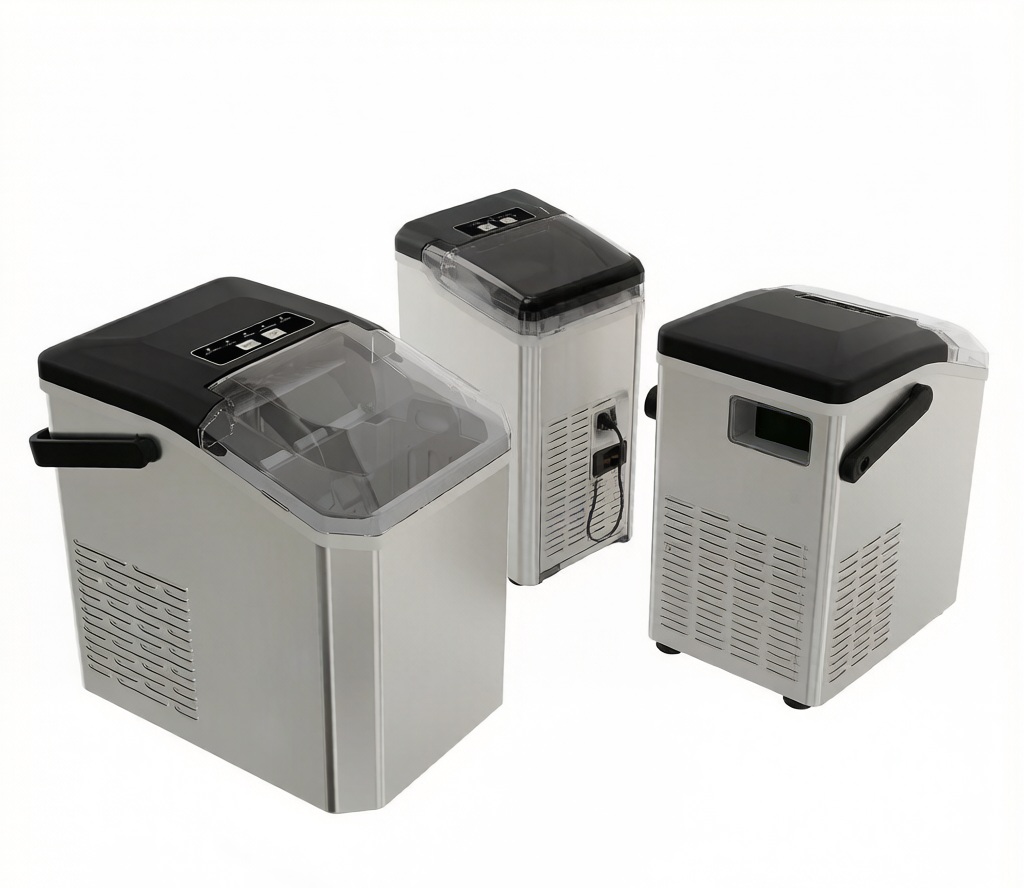
🧊 Countertop Ice Makers
Countertop units are the most common type.
Features include:
🏠 compact design
⚡ quick ice production
📦 easy placement on kitchen counters
🧳 Portable Ice Makers
Portable units are designed for mobility and convenience.
Advantages include:
🧳 lightweight structure
🔌 easy plug-and-use operation
🏕️ suitable for travel or outdoor use
⚙️ High-Capacity Home Ice Makers
These units are designed for higher ice production.
Key features include:
🧊 larger storage capacity
⚙️ continuous operation
🍹 suitable for small business use
🧪 Materials and Build Quality
High-quality materials are essential for durability and performance.
Common materials include:
🧱 food-grade plastic components
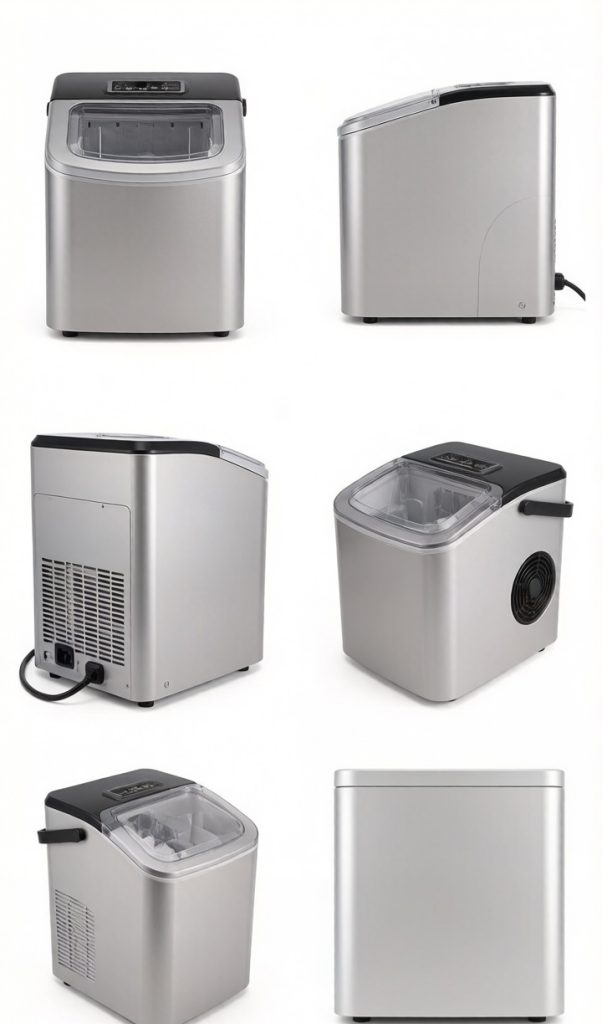
⚙️ stainless steel exterior panels
💧 corrosion-resistant internal parts
These materials ensure safety, durability, and easy cleaning.
⚡ Performance and Efficiency
Performance is a key factor for buyers selecting ice makers.
Important parameters include:
🧊 ice production speed
⚡ energy efficiency
🔇 low noise operation
💧 water usage efficiency
Efficient machines improve user experience and reduce operating costs.
🎨 OEM and Private Label Customization
Many buyers require customized ice makers for branding and retail distribution.
Customization options include:
🎨 logo printing and product branding
📦 customized packaging design
⚙️ feature adjustments and specifications
🌍 market-specific product design
Private label solutions help businesses build their own appliance brands.
🏭 Manufacturing Process of Ice Makers
Household ice makers are produced using standardized manufacturing procedures.
Typical process includes:
⚙️ component fabrication
🔧 assembly of internal systems
❄️ refrigeration system integration
🔍 performance testing and quality inspection
📦 packaging for shipment
Strict quality control ensures product reliability.
🌍 Global Demand for Household Ice Makers
The demand for ice makers is growing due to lifestyle changes and convenience needs.
Key demand drivers include:
🏠 home appliance upgrades
🍹 beverage consumption trends
🌍 expansion of retail appliance markets
🏢 small business demand
These factors support long-term market growth.
📦 Packaging and Export Considerations
Proper packaging ensures safe transportation during export.
Common methods include:
📦 protective foam packaging
🧳 reinforced outer cartons
🚚 palletized shipping
🌍 export-ready packaging standards
Good packaging reduces damage risk and ensures product safety.
📈 Advantages of Bulk Ice Maker Supply
Bulk purchasing offers benefits for distributors and wholesalers.
Key advantages include:
📦 large production capacity
💰 cost savings in bulk orders
🎨 flexible customization
🌍 global distribution capability
Bulk supply supports retail chains and distributors.
📩 How to Choose a Reliable Ice Maker Manufacturer
Selecting a reliable manufacturer is essential for long-term business success.
Key considerations include:
🏭 production capacity and experience
🔍 strict quality control systems
⚙️ product customization capabilities
📦 packaging and logistics support
A reliable partner ensures consistent product quality and delivery.
🔮 Future Trends in Ice Maker Industry
The ice maker industry continues to evolve with technology improvements.
Future trends may include:
⚙️ smart control features
🌱 energy-efficient systems
🔇 quieter operation technology
📊 improved production efficiency
These developments will enhance user experience and product value.
❓ FAQ – Household Ice Makers
1. What is a household ice maker used for?
It is used to produce ice quickly for home, office, and small commercial use.
2. How long does it take to make ice?
Most household ice makers can produce ice within a few minutes depending on the model.
3. Can ice makers be customized?
Yes. Many models can be customized for branding, packaging, and specifications.
4. Who buys ice makers in bulk?
Bulk buyers include distributors, retailers, and appliance wholesalers.
5. Are ice makers energy efficient?
Modern ice makers are designed to be energy efficient and suitable for daily use.
6. What should buyers consider when choosing an ice maker?
Buyers should consider production capacity, size, energy efficiency, and supplier reliability.


No reply content